
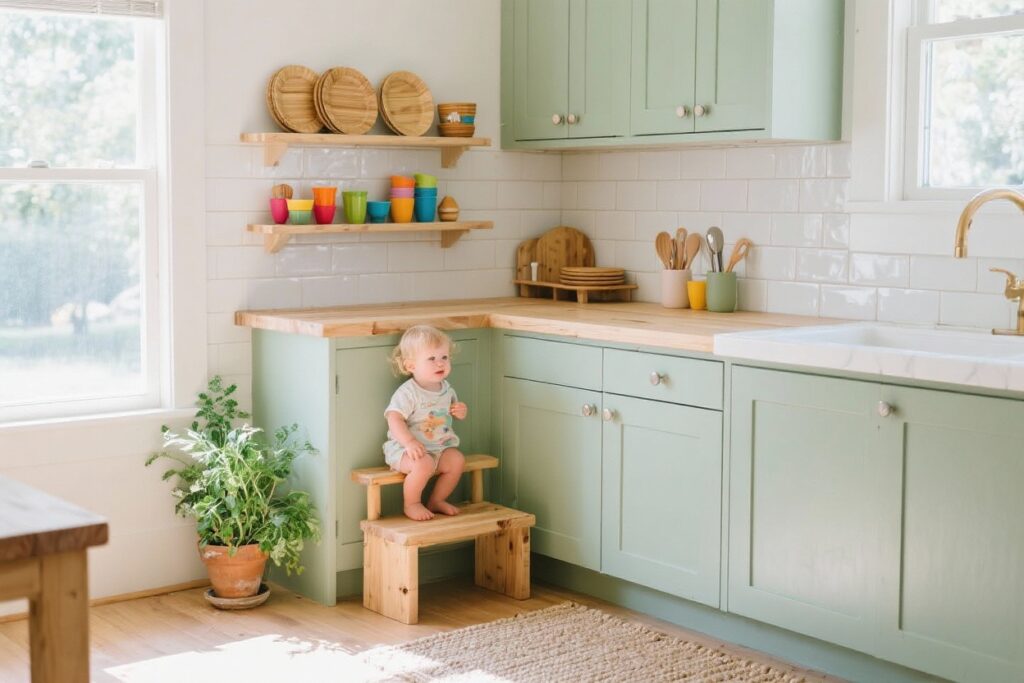
You want a kitchen that actually works for family life, not a museum exhibit with sticky fingerprints. Good news: you can have a space that’s safe, stylish, and toddler-approved without hiding every knife like it’s a spy movie prop. Let’s set up a kitchen where little hands can learn, help, and snack—while you keep your cool.
1. Safety First, Style Always
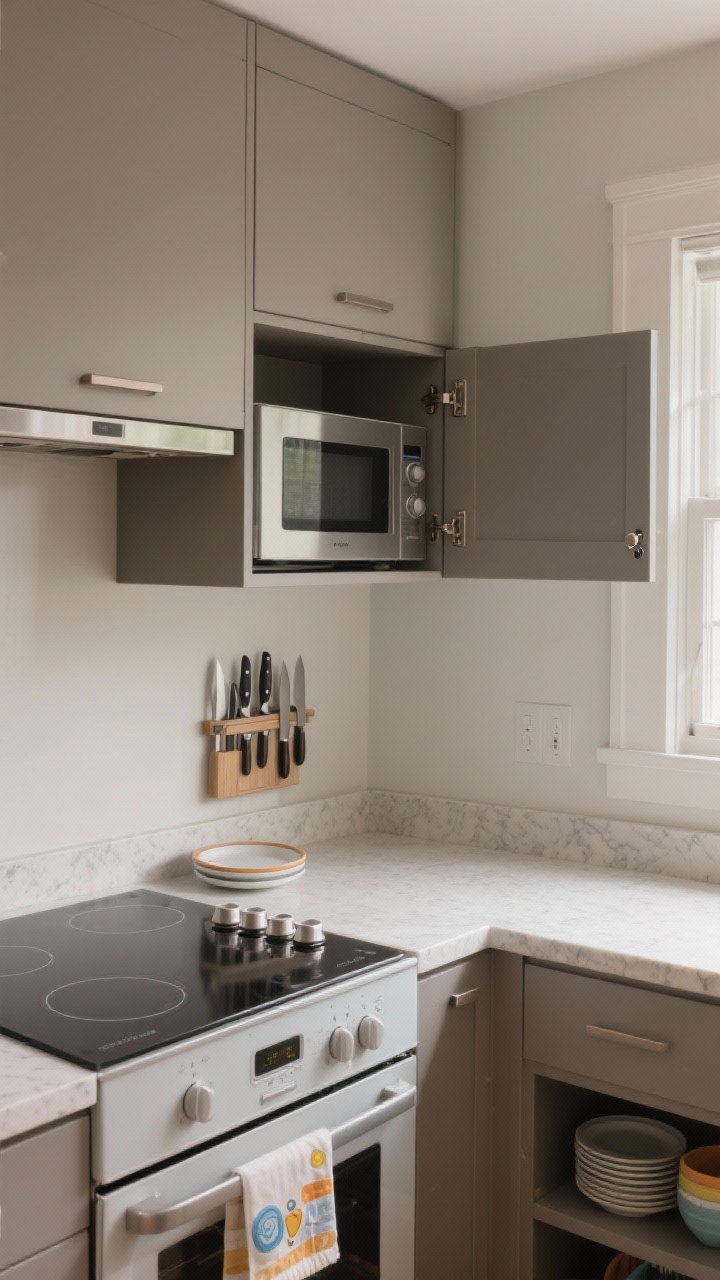
Yes, we’re starting with the obvious, because toddlers are tiny parkour athletes with no fear. The trick is to make safety look intentional, not like you panic-bought half the baby aisle.
Lock Down The Danger Zones
- Magnetic cabinet locks for cleaning supplies and sharp tools—hidden, secure, and renter-friendly.
- Stove knob covers or remove knobs entirely when not in use. Induction cooktops are a bonus: cool to the touch.
- Oven door guards and appliance straps for top-heavy microwaves or freestanding units.
Rethink What Lives Where
- Move knives, peelers, and graters to a high drawer with a latch. Wall magnet strip? Use it—but above adult shoulder height.
- Swap breakable dishes for melamine or silicone in reachable drawers.
- Put vitamins and alcohol where your tallest guest can’t even casually see them.
Bonus: Choose soft-close hinges to prevent finger pinches. Chic and practical—your two favorite adjectives.
2. Create A Reachable “Yes” Drawer
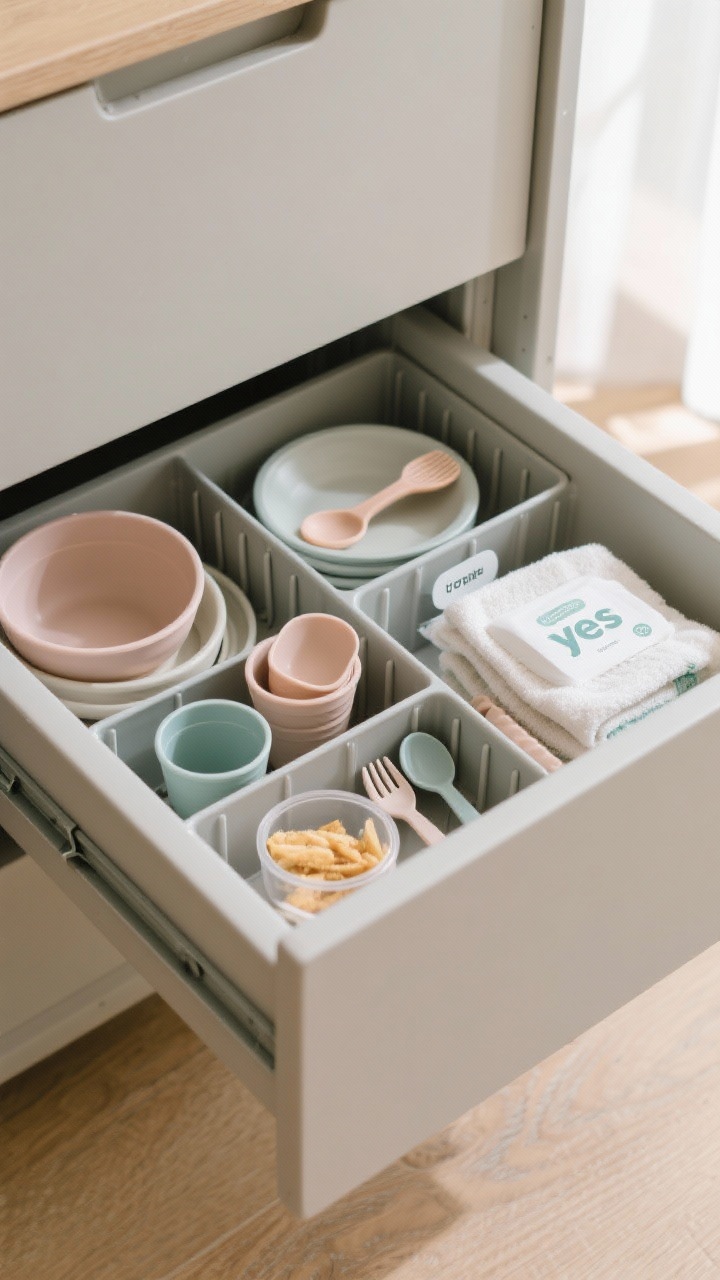
Toddlers love opening things. Give them a place that’s safe to explore so your “no, not that” ratio plummets. A lower drawer or basket they can access = instant independence.
Stock It Smart
- Unbreakable dishes: silicone bowls, small plates, and tiny tumblers.
- Mini utensils: toddler forks/spoons and a small silicone spatula for “helping.”
- Snack containers: easy-open, labeled, and only filled with what you approve.
- Wipes or small towel: for cleaning little “science experiments.”
Keep it tidy with drawer dividers or small bins. When everything has a spot, clean-up becomes a game—kind of.
3. Set Up A Toddler Station
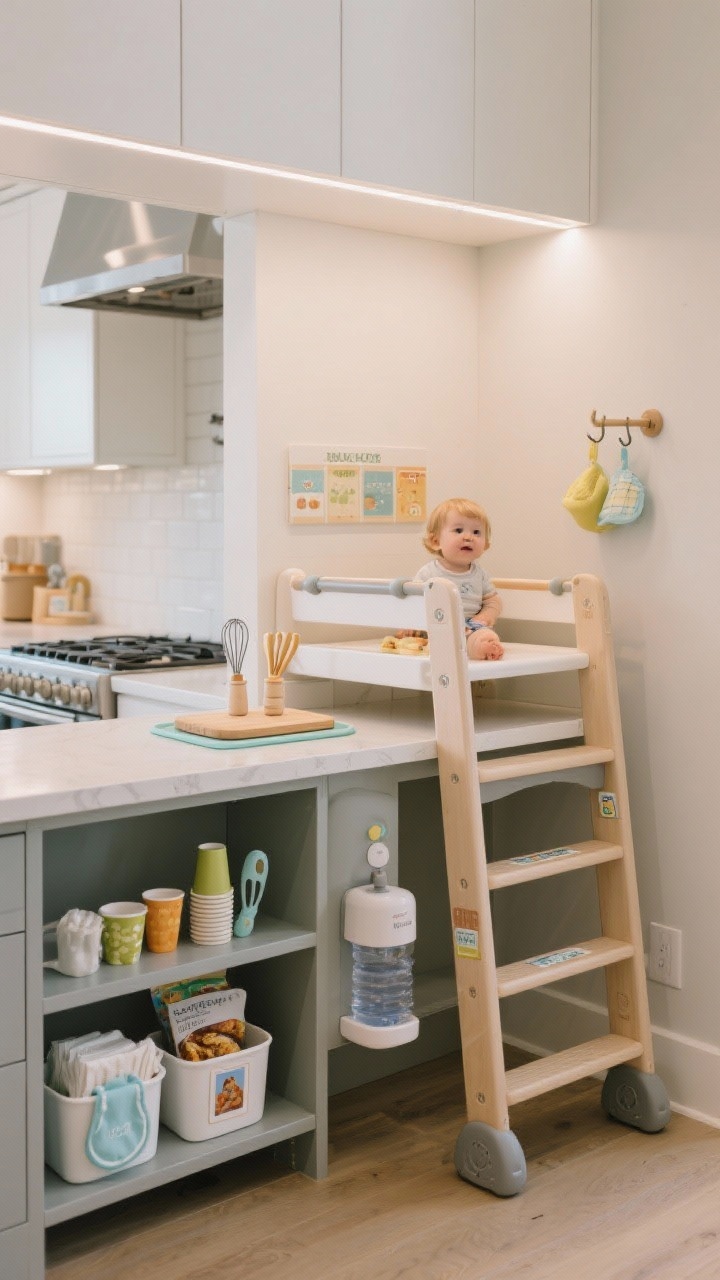
Designate one zone where your kid can prep, snack, and “cook.” It keeps chaos contained and turns the kitchen into a mini classroom. IMO, this is the secret sauce.
What To Include
- Learning tower or step stool with rails. Non-slip feet, wipeable surface, and a hook to store it.
- Mini work surface: a cutting board or silicone mat they can roll snacks on.
- Water access: a small dispenser or faucet attachment so they can fill their cup.
- Mini bins labeled with pictures: cups, snacks, napkins, bibs.
Low-Prep Activities
- Washing produce in a bowl of water.
- Transferring berries between cups with tongs.
- Stirring pancake batter with a tiny whisk.
Keep this station away from the stove zone but still near you. Close enough to supervise, far enough to avoid splatter drama.
4. Choose Materials That Laugh At Mess
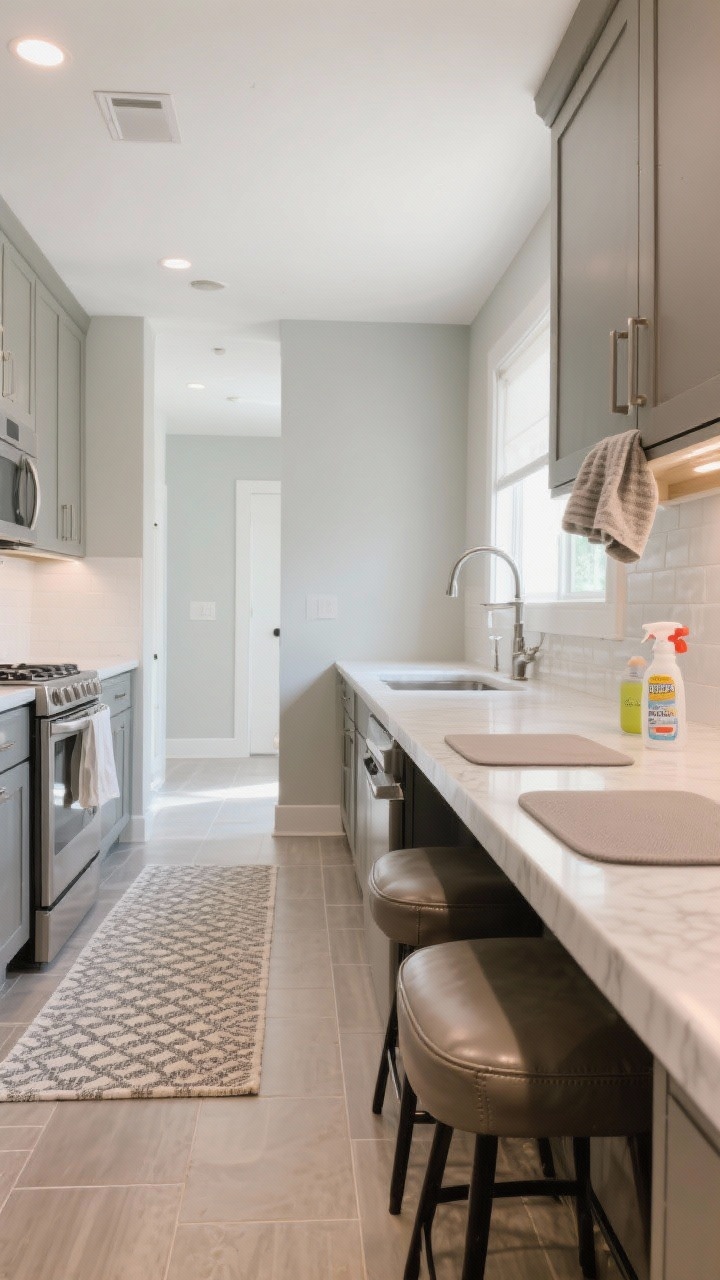
You want finishes that survive spaghetti night and sticky hands without a full hazmat clean-up. Easy-care doesn’t mean ugly—promise.
Surfaces That Work Hard
- Quartz or solid-surface counters: stain-resistant and wipeable.
- Satin or scrubbable paint on walls and toe-kicks. Dark tones hide scuffs, but mid-tones hide fingerprints best.
- Vinyl, LVP, or sealed tile floors: no panic when juice dives off the counter.
- Matte-finish cabinet fronts: fewer visible smudges than high-gloss.
Textiles That Can Take A Beating
- Machine-washable rugs or indoor/outdoor runners. Pattern hides spills; rubber backing prevents slips.
- Wipeable chair cushions or faux leather stools.
- Silicone placemats that suction to the table = plates stay put.
FYI: Keep a spray bottle with a kid-safe cleaner and a stash of microfiber cloths in a high cabinet. You’ll use them daily.
5. Organize With Labels And Zones (Even For Tiny Humans)
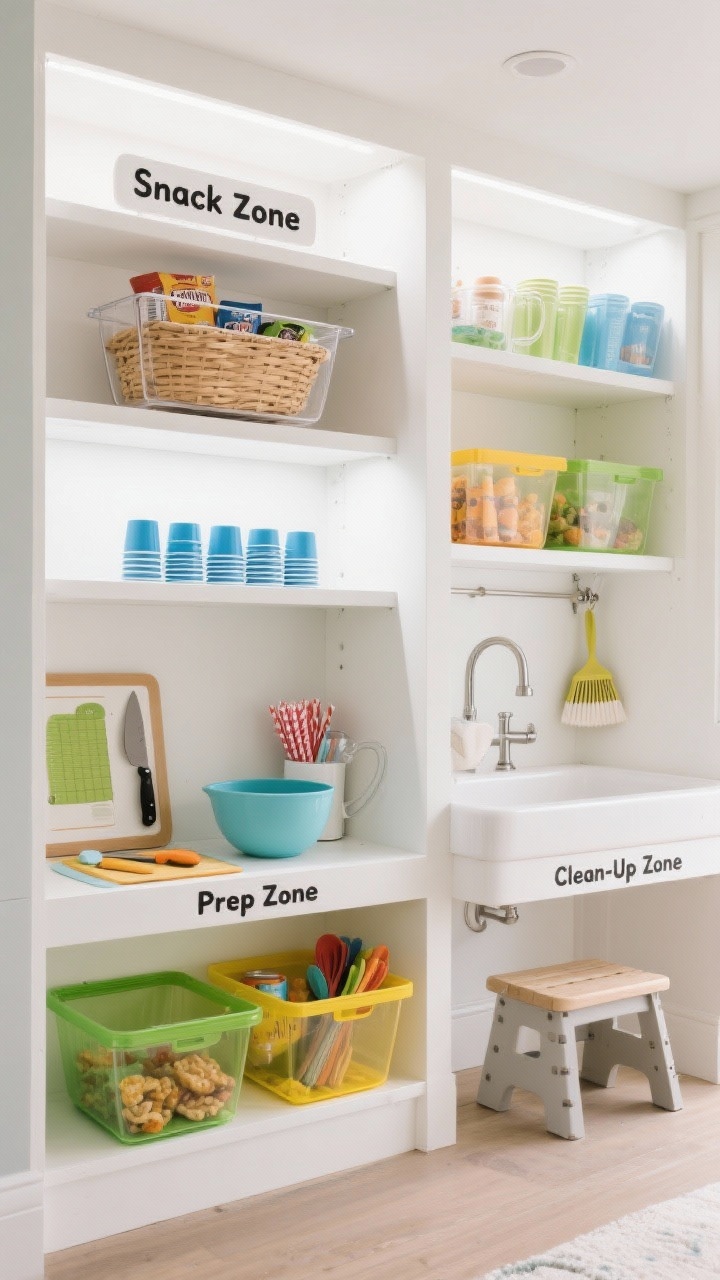
Chaos loves a disorganized kitchen. Turn your space into a predictable map so kids can help instead of hurricane-ing through it.
Create Simple Zones
- Snack Zone: one basket in the pantry with only parent-approved items.
- Drink Zone: cups, straws, and water at toddler height, pitcher nearby.
- Prep Zone: kid-safe knife, cutting mat, and mixing bowl on a low shelf.
- Clean-Up Zone: small dustpan, towel hook, and step stool for the sink.
Label Everything
- Use picture labels for pre-readers (cup icon, apple, napkin).
- Color-code containers: blue = cups, green = snacks, yellow = utensils.
- Transparent bins so they can see exactly what’s inside.
When kids know where things go, they actually help reset the space. Not perfectly, but we love the effort.
6. Make Mealtime Calm With Smart Seating And Lighting
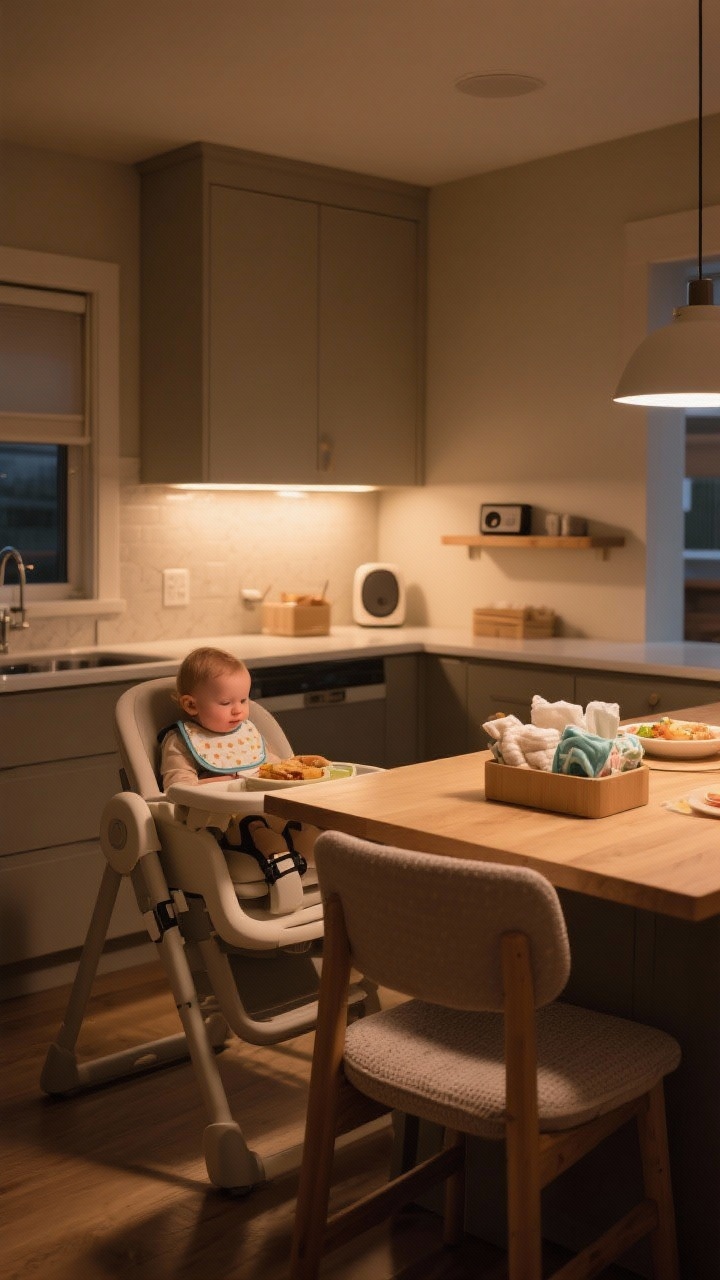
You can’t control whether they’ll eat the broccoli, but you can control the vibe. Comfortable, consistent seating and soft lighting make everything feel calmer—even during the 6 p.m. chaos hour.
Seating That Grows With Them
- Clip-on or strap-in high chairs that pull up to the counter encourage togetherness.
- Convertible booster with a tray for messy days and table use for “I’m a big kid now” days.
- Non-slip chair pads so nobody slides mid-bite.
Set The Mood (Yes, In A Kitchen)
- Warm, dimmable lighting for evenings calms energy and reduces overstimulation.
- Under-cabinet lights to brighten work zones without blinding overhead glare.
- White noise or soft music to drown out the blender if sensory overload is a thing.
Keep a small caddy with washcloths, bibs, and wipes at the table. Clean-up becomes part of the routine, not a post-meal panic.
7. Invite Them To Help—But Make It Foolproof
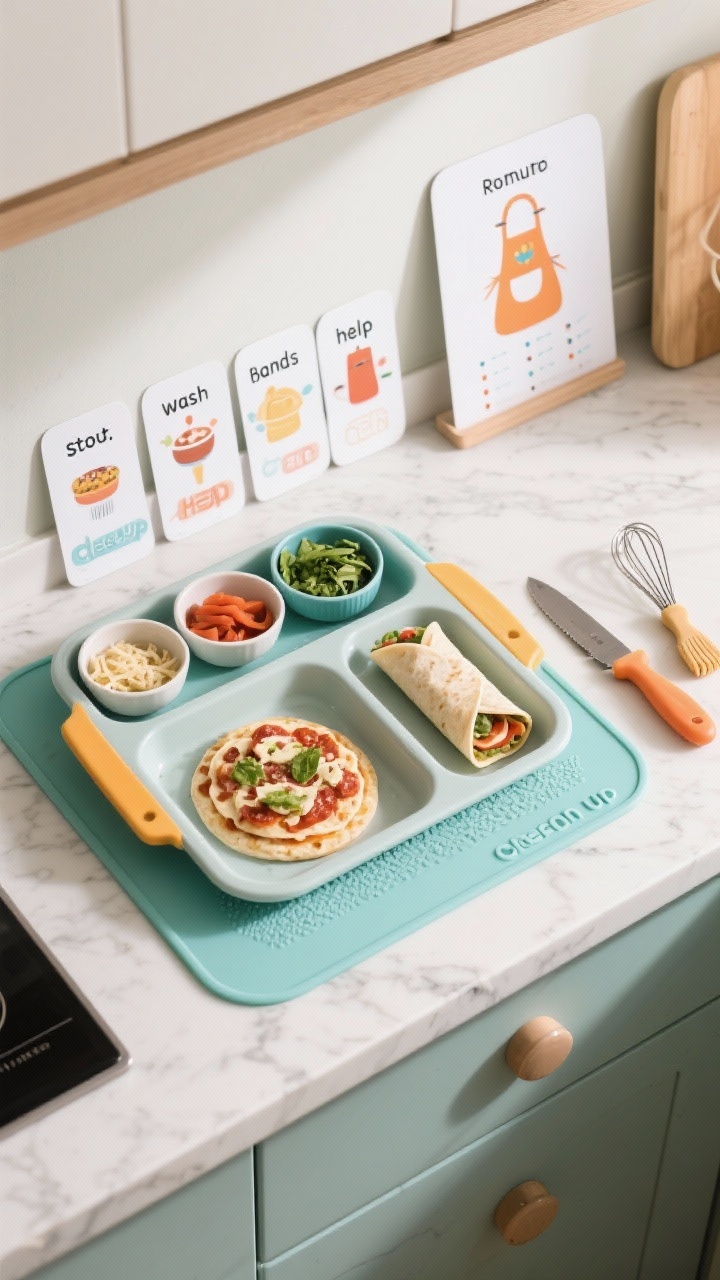
Toddlers love jobs. Give them real tasks with real tools and watch their confidence (and patience) grow. Also: fewer tantrums when they feel involved.
Kid-Safe Tools
- Safety knives (plastic or nylon) for soft foods: bananas, strawberries, mushrooms.
- Small whisk, pastry brush, and tongs—fun and functional.
- Sectioned trays for assembling wraps, tacos, or mini pizzas.
Easy Kitchen Jobs
- Pouring pre-measured ingredients into bowls.
- Washing veggies in a colander.
- Brushing oil or butter on toast, pans, or dough.
- Sorting utensils (skip the sharp ones, obviously).
Set expectations with a visual routine chart: stool → wash hands → apron on → help → clean-up. Repetition turns chaos into a rhythm, and your future self will thank you.
Final Takeaway: A toddler-friendly kitchen isn’t about bubble-wrapping your life—it’s about intentional design. Build one safe, reachable, wipeable system at a time. Before you know it, your kitchen will be the heart of the home where little helpers thrive and you still love the look of your space. Now go pour yourself a coffee you don’t have to reheat three times. You’ve got this.