
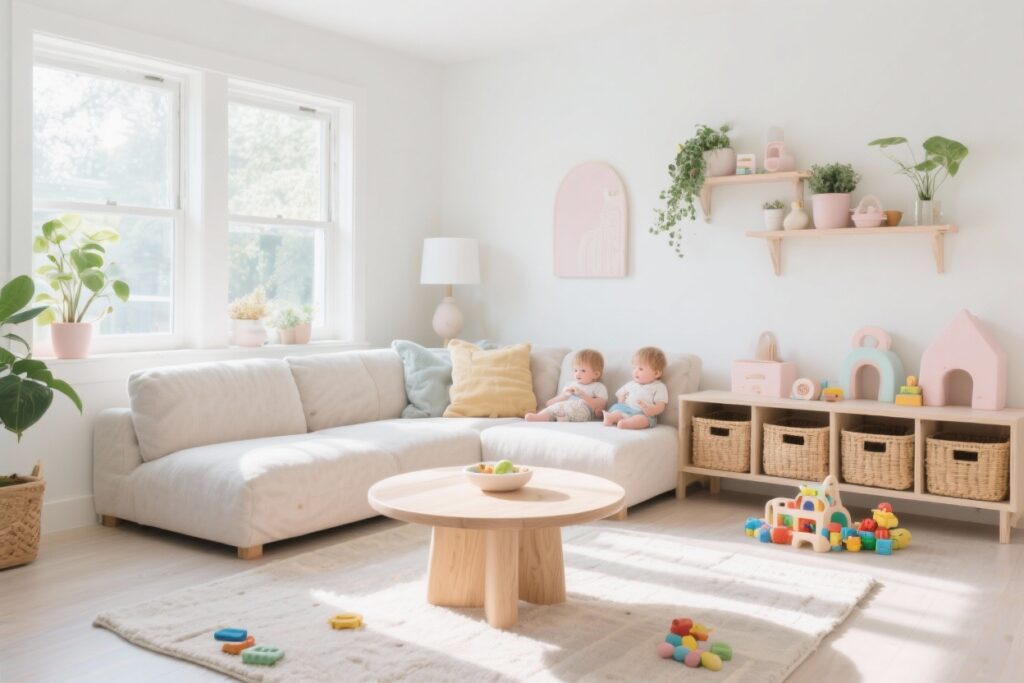
Let’s be honest: toddlers are tiny tornadoes with snack cups. But you can absolutely have a living room that’s stylish, safe, and doesn’t look like a daycare exploded. The trick? Smart choices that work hard and look good. Here’s your game plan.
1. Edit the Floor Plan Like a Genius
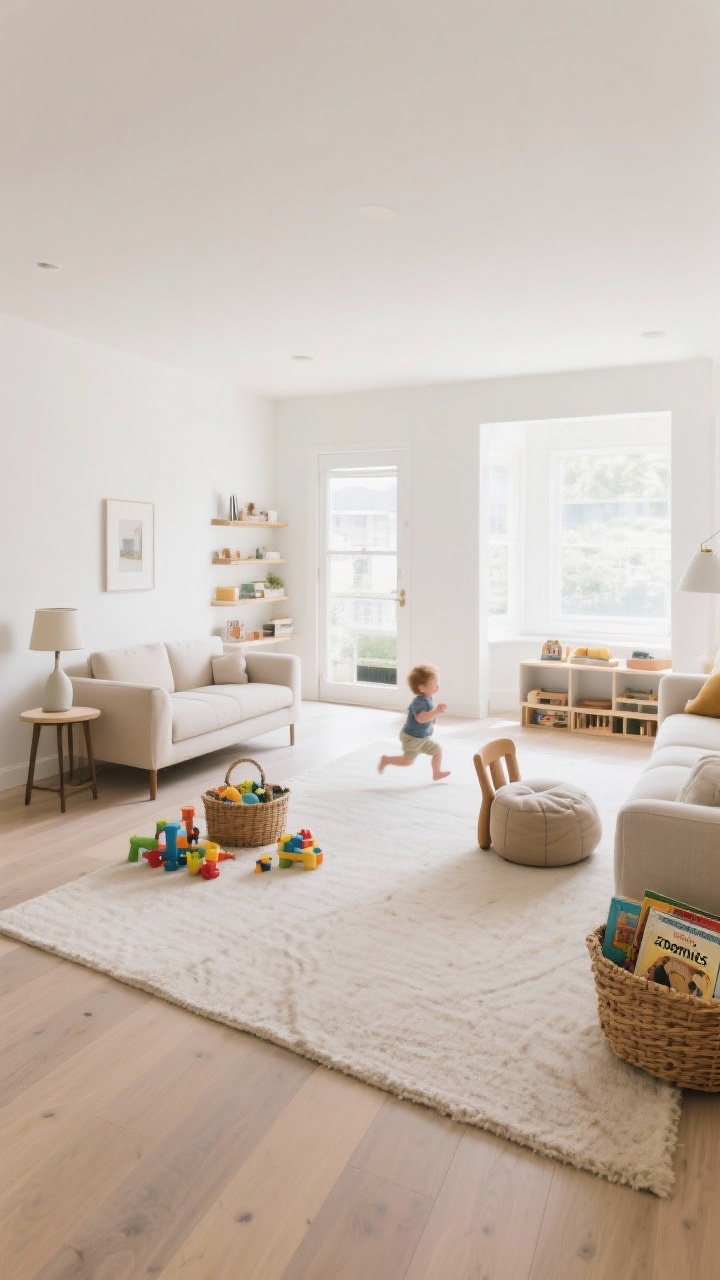
Start by creating a clear, open path for the daily zoomies. Toddlers run. A lot. Move bulky pieces out of the main flow and group furniture into zones so there’s room to play, but also space to breathe.
Set Up Zones That Make Sense
- Play zone: Low shelf, soft rug, basket of toys. Keep it within eyesight of your sofa.
- Grown-up chill zone: Sofa + side table + lamp (anchored, obviously).
- Reading nook: Floor cushion or mini chair + basket of board books.
Pro tip: Angle the rug to visually define the play area. It looks intentional and helps contain the chaos (ish).
2. Choose Sofas and Chairs That Laugh at Spills
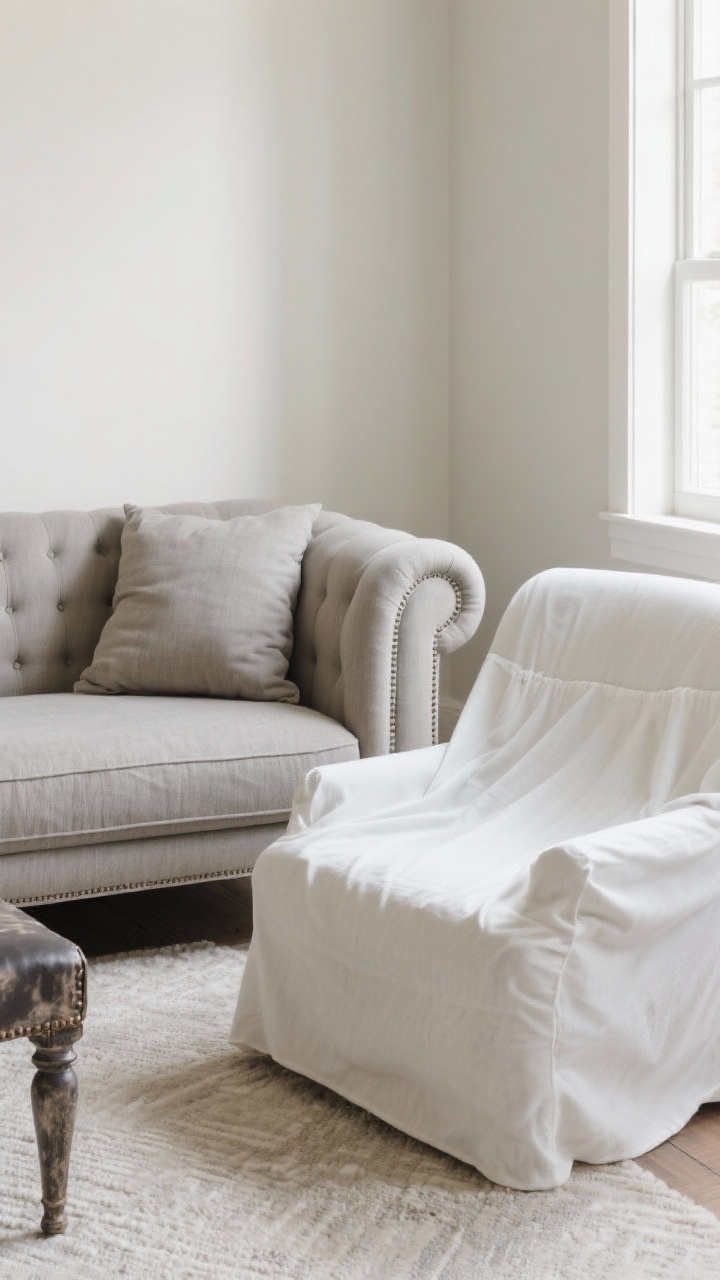
Your seating needs to be cute but basically indestructible. Think performance fabrics, tight weaves, and colors that hide the occasional crayon oops. Leather works too—just pick distressed or matte finishes that age gracefully.
Fabric and Finish Upgrades
- Performance microfiber or crypton: Wipeable, stain-resistant, kid-proof. FYI: also pet-proof.
- Slipcovers: Washable and replaceable. White is bold but it actually cleans up well with bleach alternatives.
- Rounded silhouettes: Look for roll arms and curved backs—fewer corners equals fewer tears.
Skip tufted buttons (cheerio magnets) and super low seats (toddlers will try to trampoline). Supportive cushions help you stand up without activating your inner ninety-year-old.
3. Pick a Rug That Can Take a Beating
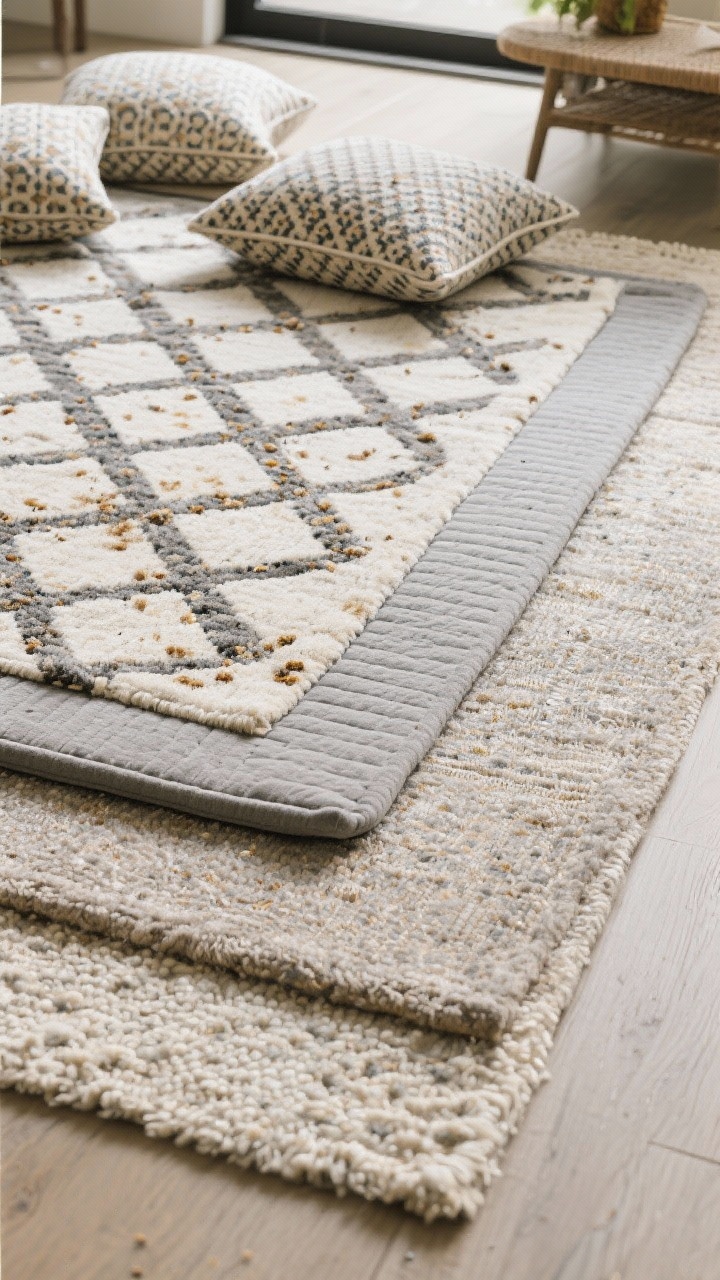
Rugs are where the action happens, so get one that’s tough, soft, and easy to clean. No shag. It hoards crumbs like a dragon.
Rug Materials That Work
- Indoor/outdoor polypropylene: Wipes clean, hose-able, looks surprisingly chic now.
- Wool flatweave: Naturally stain-resistant, durable, excellent for layering.
- Washable rugs: Game-changer for art-project “accidents.”
Layering trick: Put a cushy rug pad underneath to soften tumbles. Then use a low-pile rug on top for easy cleanup. Big patterns hide stains; tiny patterns hide crumbs (you’re welcome).
4. Storage You’ll Actually Use (And Hide)
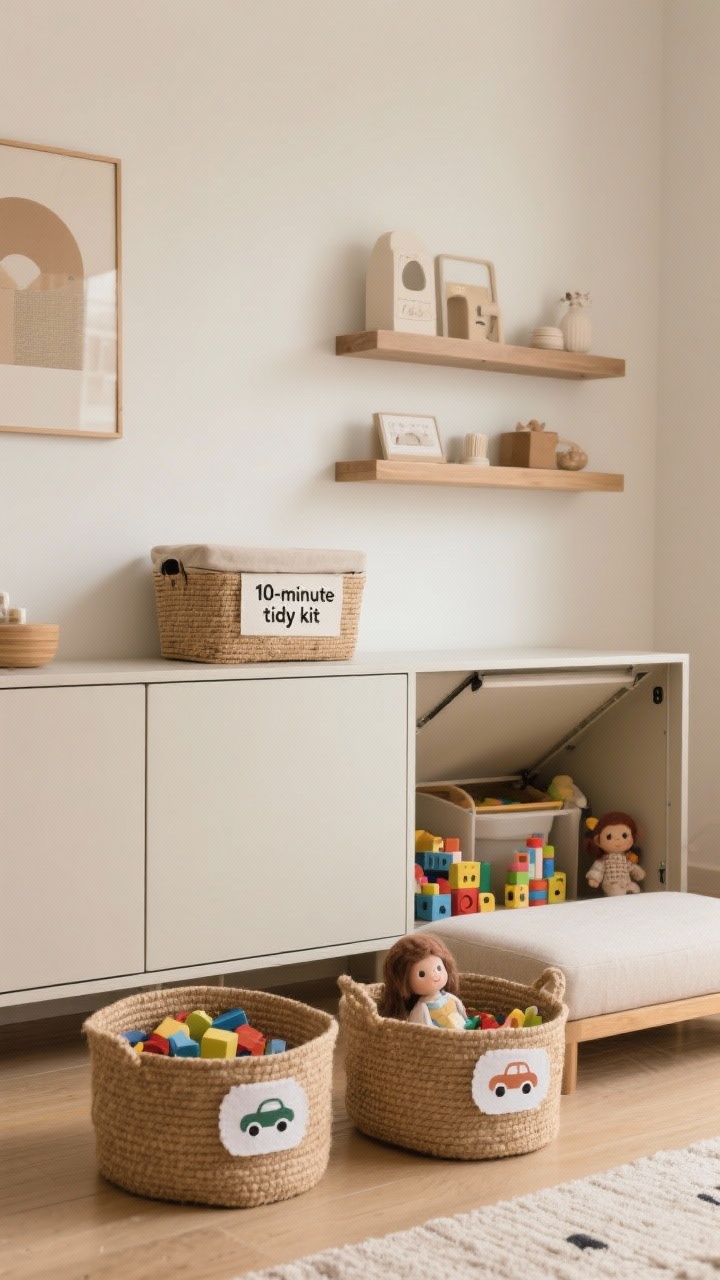
If toys are going to live in the living room, they need a home—a cute one. Think closed storage that kids can reach, so cleanup is fast and painless.
Smart Storage Moves
- Closed credenzas: Hide blocks, puzzles, and the remote you swear you left on the table.
- Ottomans with lids: Seating + storage + footrest = triple threat.
- Low baskets: Natural fiber or felt. Label with icons for non-readers (cars, blocks, dolls).
- Floating shelves up high: Display pretty things out of grabby hands.
Keep a 10-minute tidy kit: a lidded basket for fast sweeps before guests arrive. IMO, two baskets per kid is the sweet spot: one for “now,” one for “rotate later.”
5. Safety That Blends In (No Eyesores, Promise)
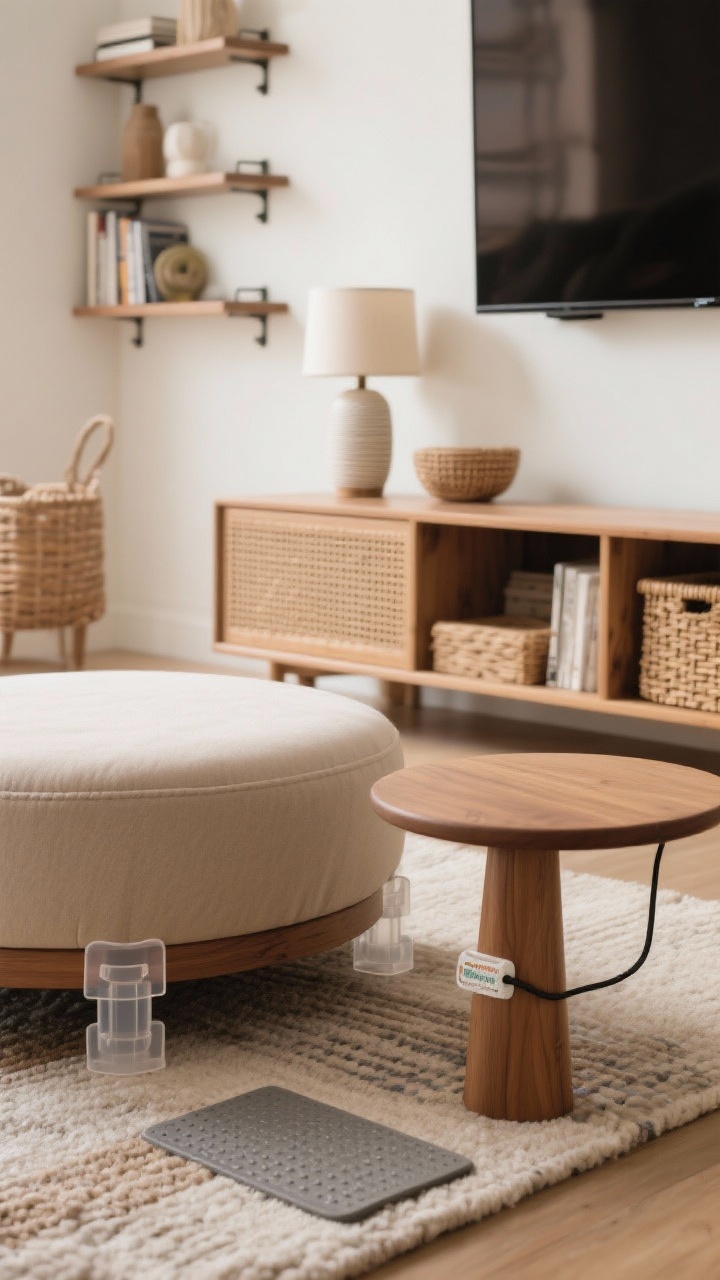
Safety doesn’t have to scream “baby jail.” You can be subtle and still cover your bases. The goal is to prevent tumbles and tip-overs without wrecking your vibe.
Invisible Safety Wins
- Anchor furniture: Bookshelves, consoles, and TVs to studs. Non-negotiable.
- Rounded coffee table or padded ottoman: Soft edges are toddler gold.
- Cord control: Clip lamp cords down the table leg; use cordless blinds for windows.
- Outlet covers and corner guards: Clear silicone ones look better and work well.
- Non-slip pads: Under rugs and floor cushions to prevent wipeouts.
Bonus: Swap breakable decor for wood, woven, or soft pieces. Texture = stylish; shards = not stylish.
6. Style It High, Keep It Low-Key
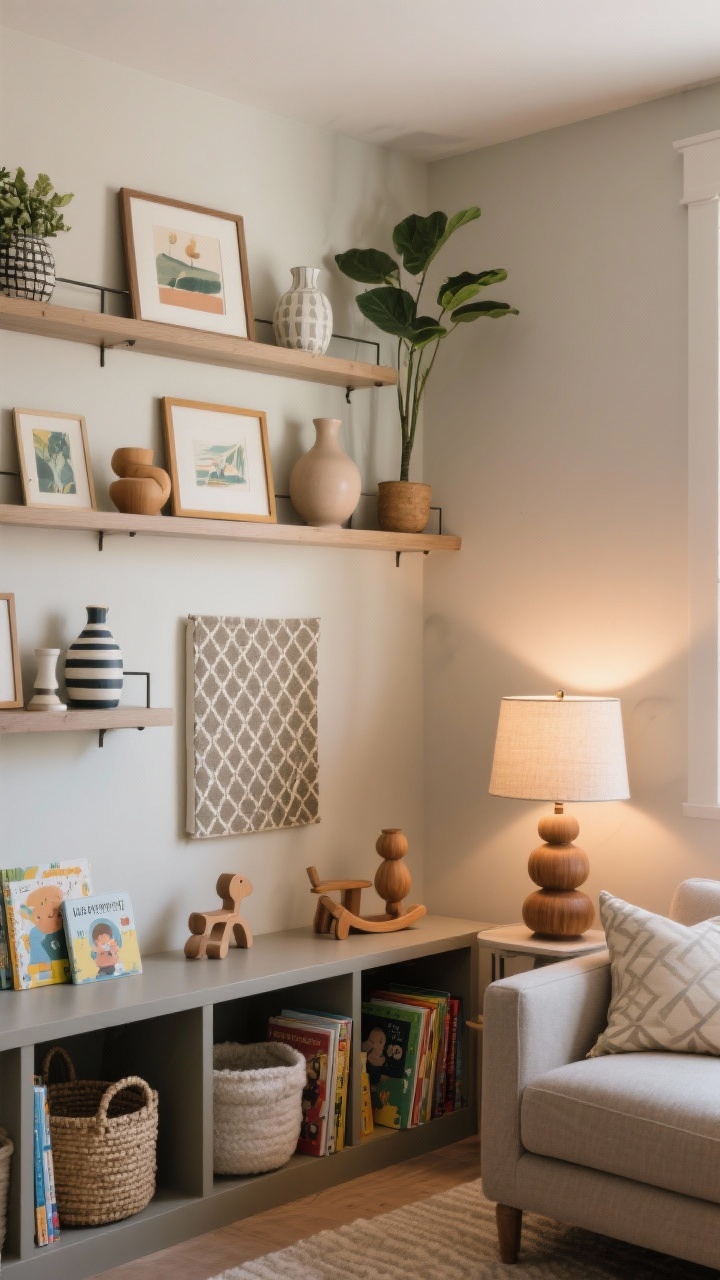
You can totally keep your personality on display—just move the delicate stuff up a shelf or two. Then make the lower zones toddler-friendly and tactile.
Decor Styling That Survives Tiny Hands
- High shelves: Art, vases, framed photos. Use museum putty for extra stability.
- Low shelves: Board books, soft baskets, wood toys that double as decor.
- Wall art: Fabric panels, framed prints, or canvas—no glass at low heights.
- Plants: Keep them up high and choose non-toxic varieties (snake plant is a no; peperomia is a yes).
Lighting matters! Use dim, warm lamps with tamper-resistant bulbs and heavy bases. A floor lamp behind the sofa is safer than one in the open—less chance it becomes a jousting lance.
Color Palette That Hides the Chaos
- Mid-tone neutrals: Beige, greige, camel—hide smudges better than stark white.
- Color pops in textiles: Throws and cushions are cheaper to swap than furniture.
- Pattern mixing: One big pattern + one small + one solid = balanced and busy (in a good way).
7. Make Cleanup Foolproof (So You’ll Actually Do It)
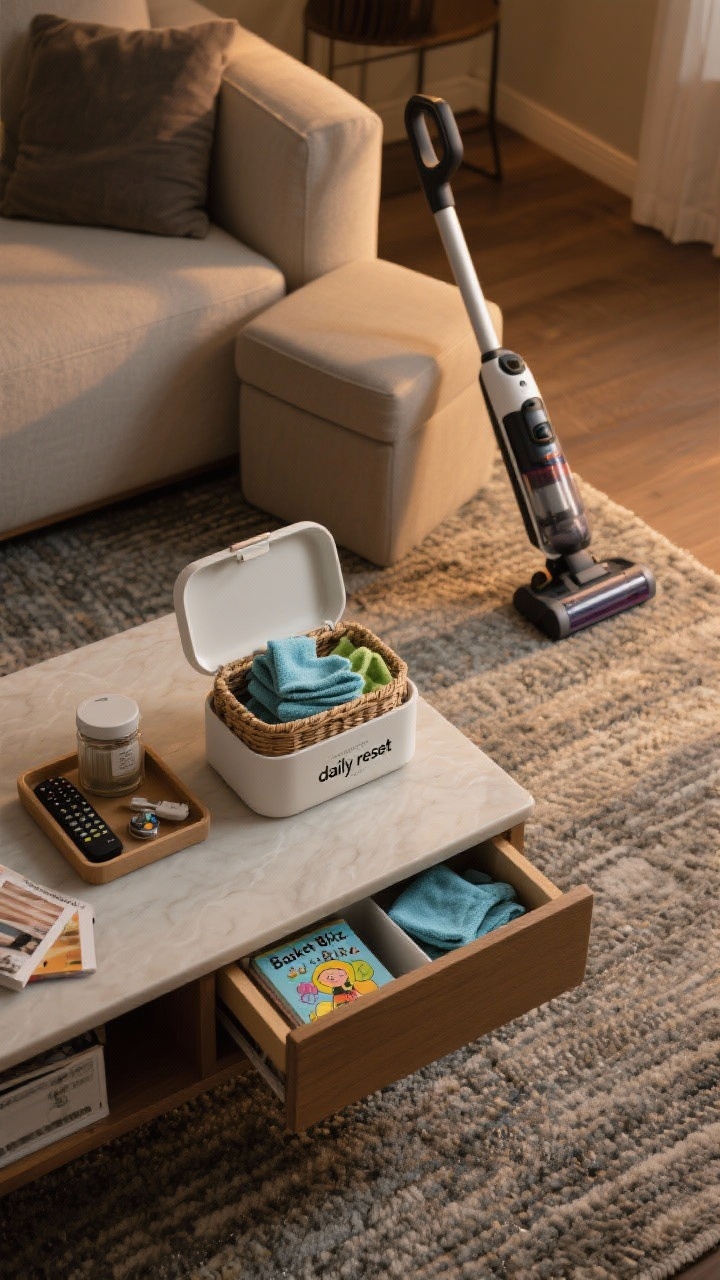
The real secret to a toddler-friendly living room? Systems that make cleaning up fast. Like, five minutes fast. If it’s easy, it’ll happen.
Daily Reset Habits
- Basket Blitz: One big sweep into a lidded ottoman after dinner.
- Rug Shake: Quick vacuum or cordless sweep—low-pile rugs make this painless.
- Wipe Zones: Keep a stash of microfiber cloths in a drawer for mystery smudges.
Set the vibe with a mini command center: a tray for remotes, a small lidded jar for hair ties and tiny parts, and a magazine file for coloring books. FYI: rotating toys every couple of weeks keeps kids interested and clutter minimal.
Final Thought: You don’t have to choose between chic and child-friendly. Blend soft edges, smart storage, durable materials, and a little strategy, and your living room will survive snack time, dance parties, and the occasional sticker-on-the-window moment. You’ve got this—and your space will still look good on camera, promise.