
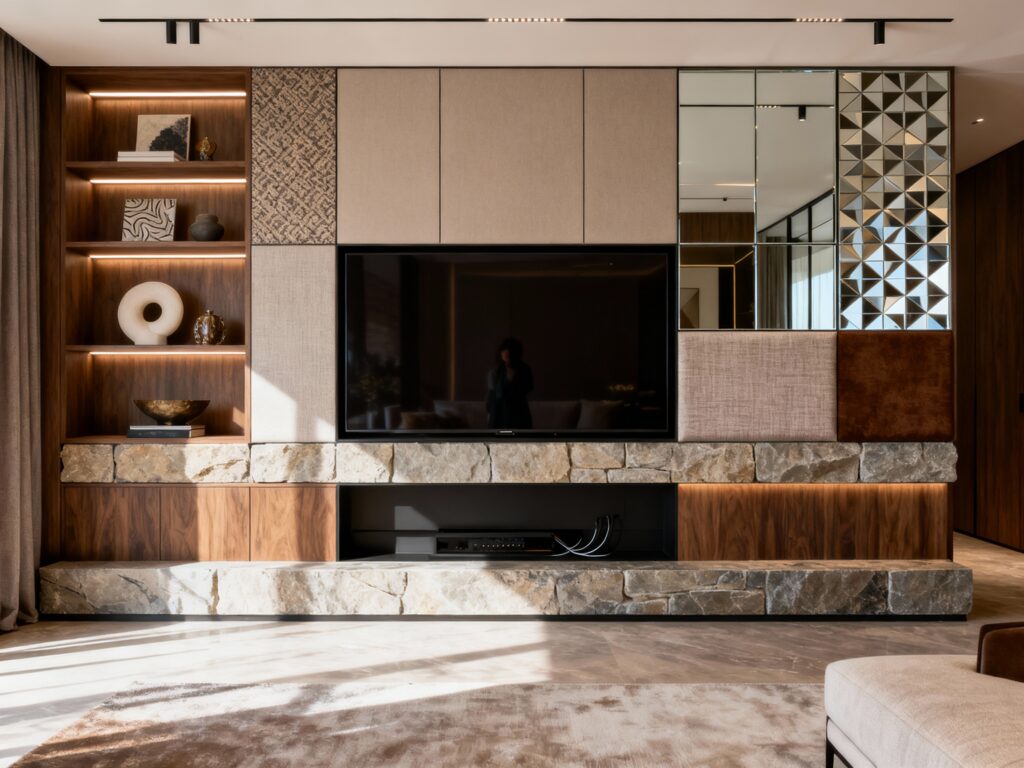
TV Wall, But Make It Pretty: 10 Design Tricks Designers Use
A TV wall doesn’t have to be the “black box problem” in an otherwise beautiful living space. Designers treat it like a feature wall—balanced, layered, and tailored—so the screen feels intentional, not intrusive.
Below are 10 luxury-leaning design tricks that elevate your TV wall from basic to breathtaking, while still keeping it practical for everyday viewing.
1) Frame the TV with built-ins for a custom, architectural look
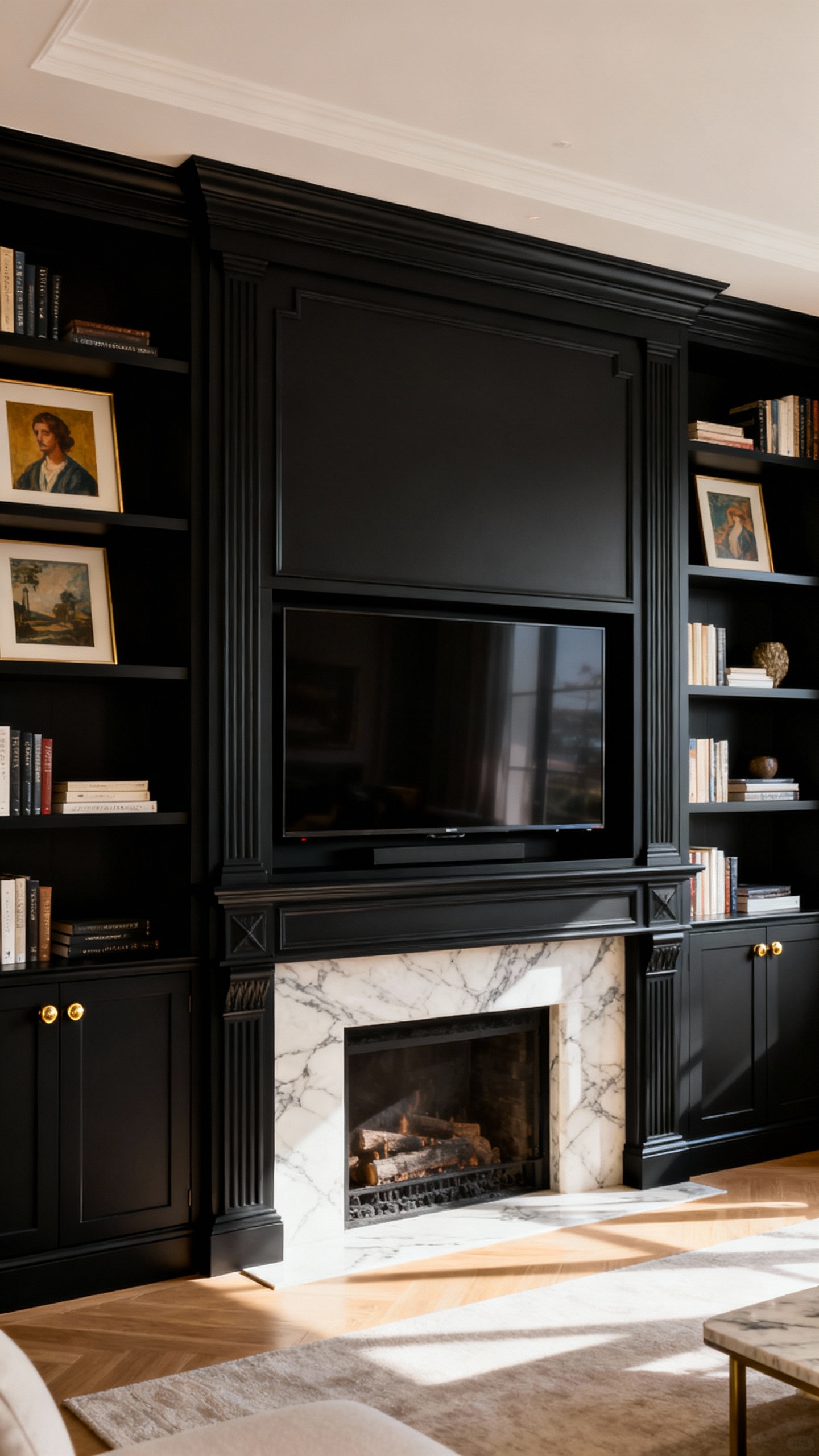
Nothing says high-end like built-in cabinetry that makes the TV feel integrated. Flank the screen with symmetrical shelves or closed storage, and keep proportions generous so the wall reads “designed,” not crowded. Use a furniture-style finish (painted, stained, or lacquered) to elevate the whole living room instantly.
2) Put the TV on a statement material: stone, slab, or microcement
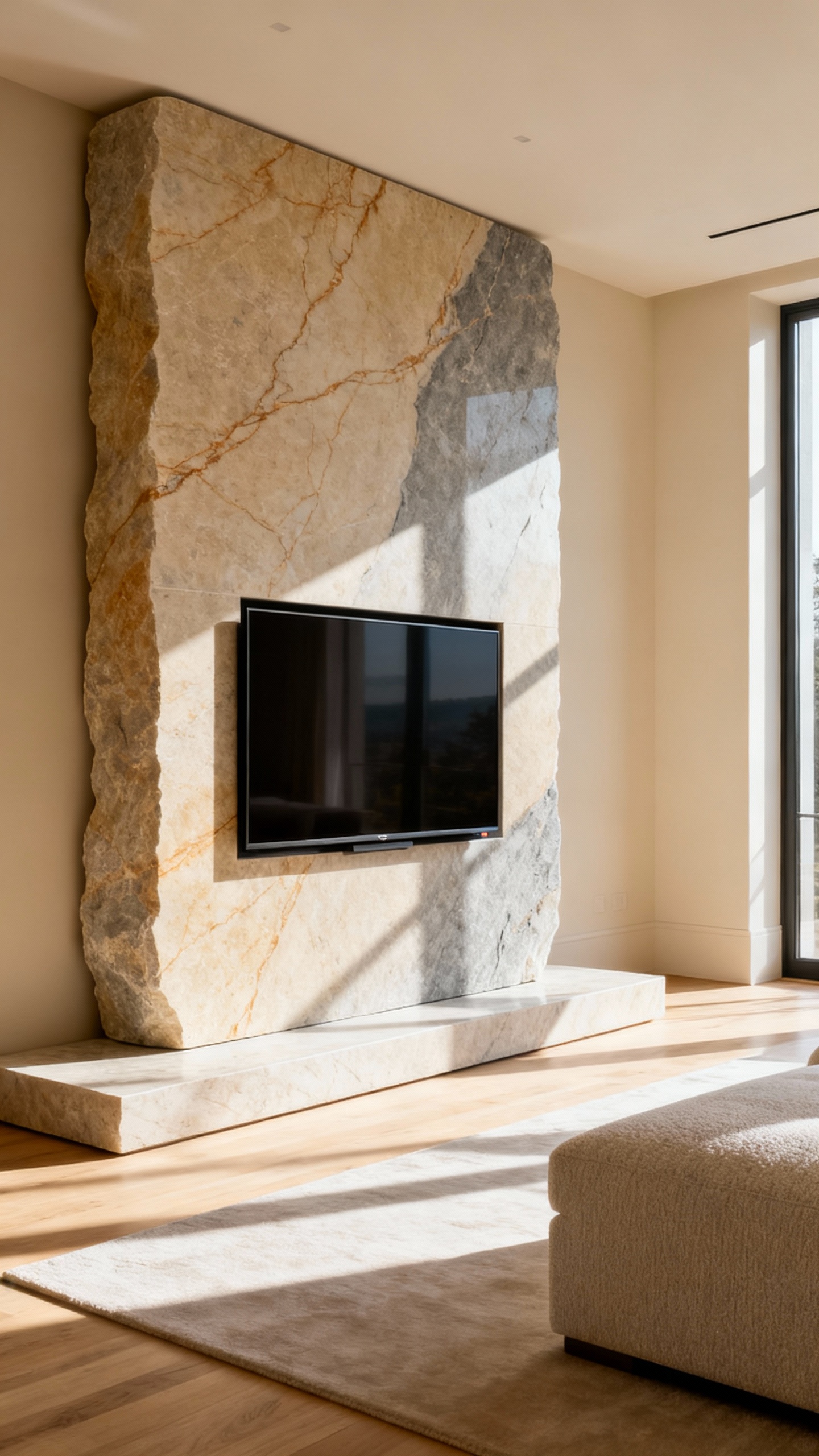
A single continuous surface behind the TV creates a polished focal point and hides visual clutter. Consider marble-look porcelain, honed stone, microcement, or a refined plaster finish for that gallery-clean vibe. The trick is a low-sheen finish—gloss can reflect the screen and feel less luxe.
3) Use a slim picture ledge (or two) to style without blocking the screen
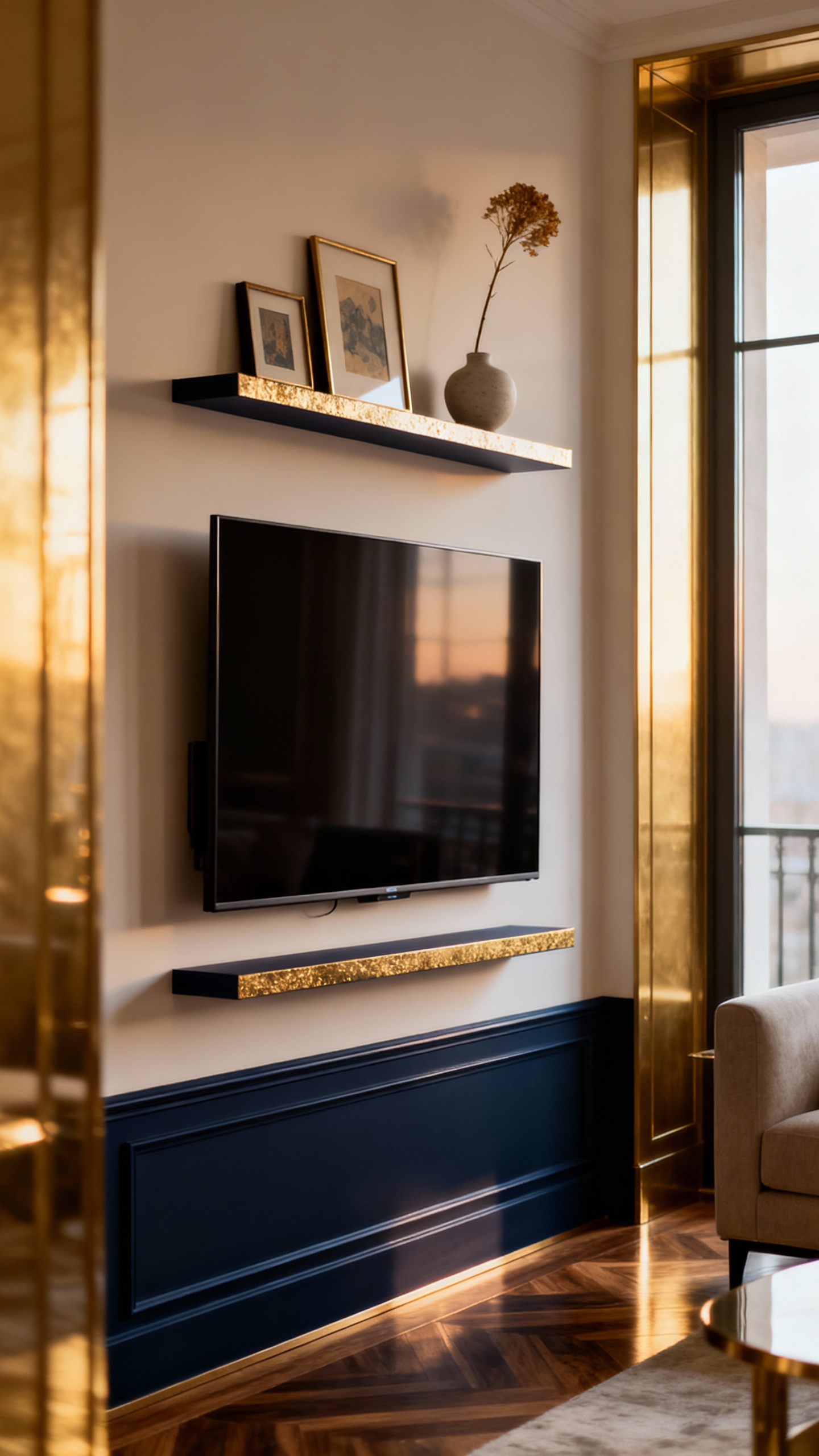
Picture ledges add depth and styling power without the bulk of deep shelves. Place one below the TV for a curated line of art, small sculptural objects, and a low-profile vase; add a second ledge off to the side if you want asymmetry. Keep pieces slightly oversized and spaced out for a calm, designer look.
4) Create a “dark moment” to visually disappear the screen
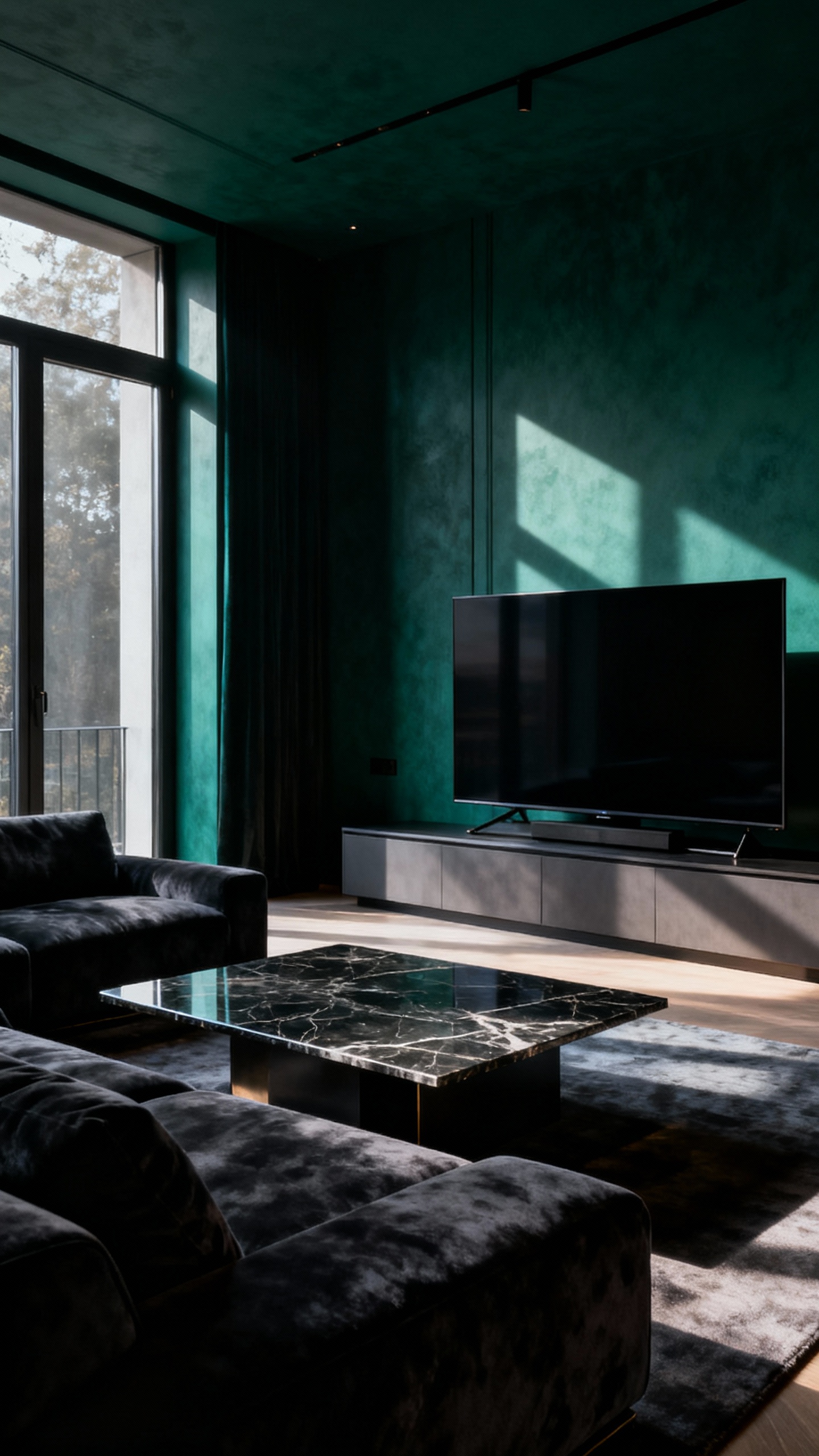
Designers often paint the TV wall a deep, velvety tone—charcoal, inky navy, espresso, or blackened green—so the screen blends in when it’s off. Pair the dark wall with warm woods and soft textiles to keep the living room feeling inviting, not stark. Matte paint is key for a sophisticated, light-absorbing finish.
5) Layer lighting like a boutique hotel: sconces, LEDs, and a gentle glow
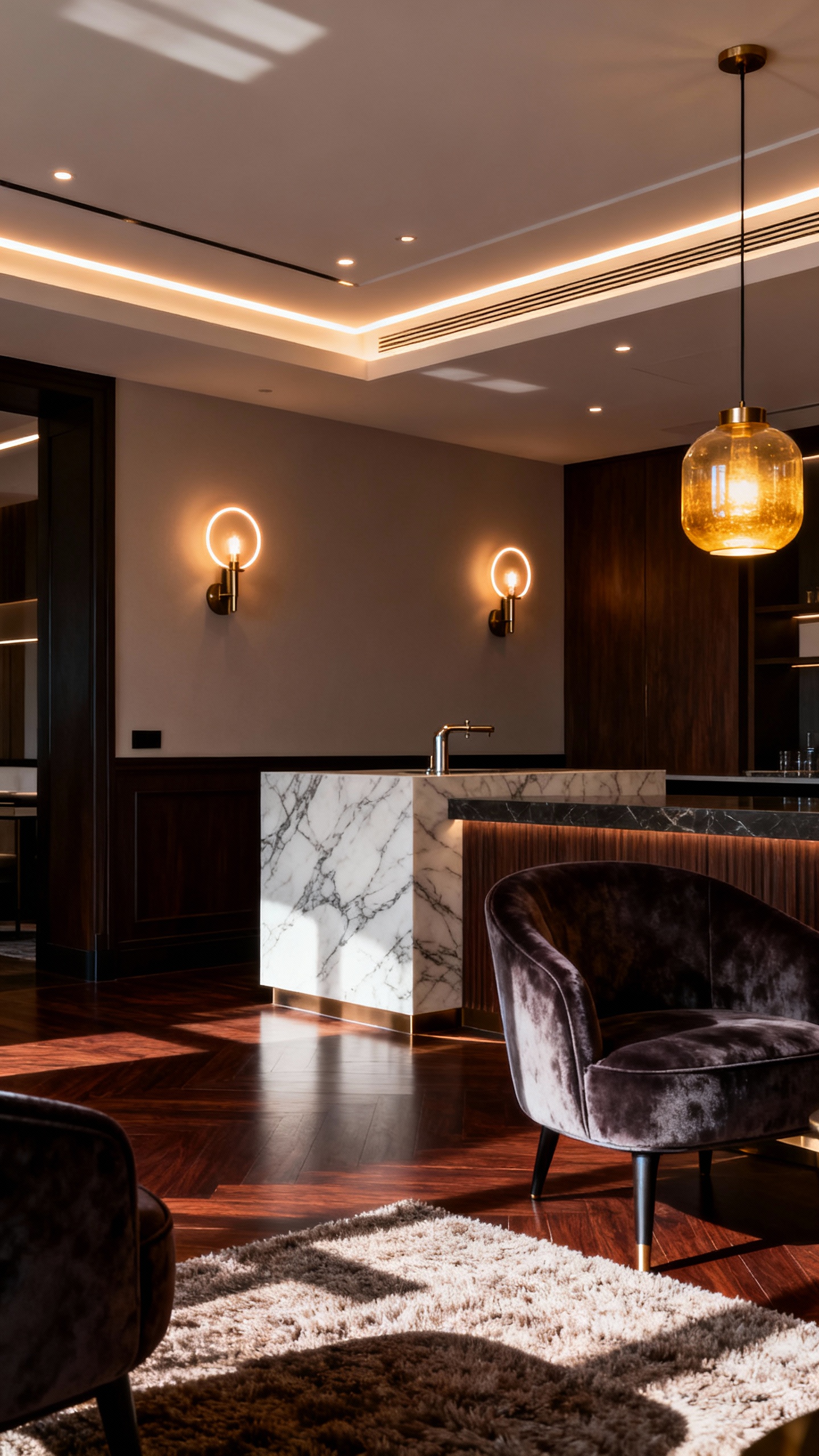
A pretty TV wall is rarely lit by a single ceiling fixture. Add matching sconces to flank the screen, and tuck LED strips under shelves or inside cabinetry for an ambient wash. Use warm dimmable bulbs (2700K–3000K) so the wall reads intimate and elevated at night.
6) Hide the hardware: in-wall wiring, recessed boxes, and streamlined mounts
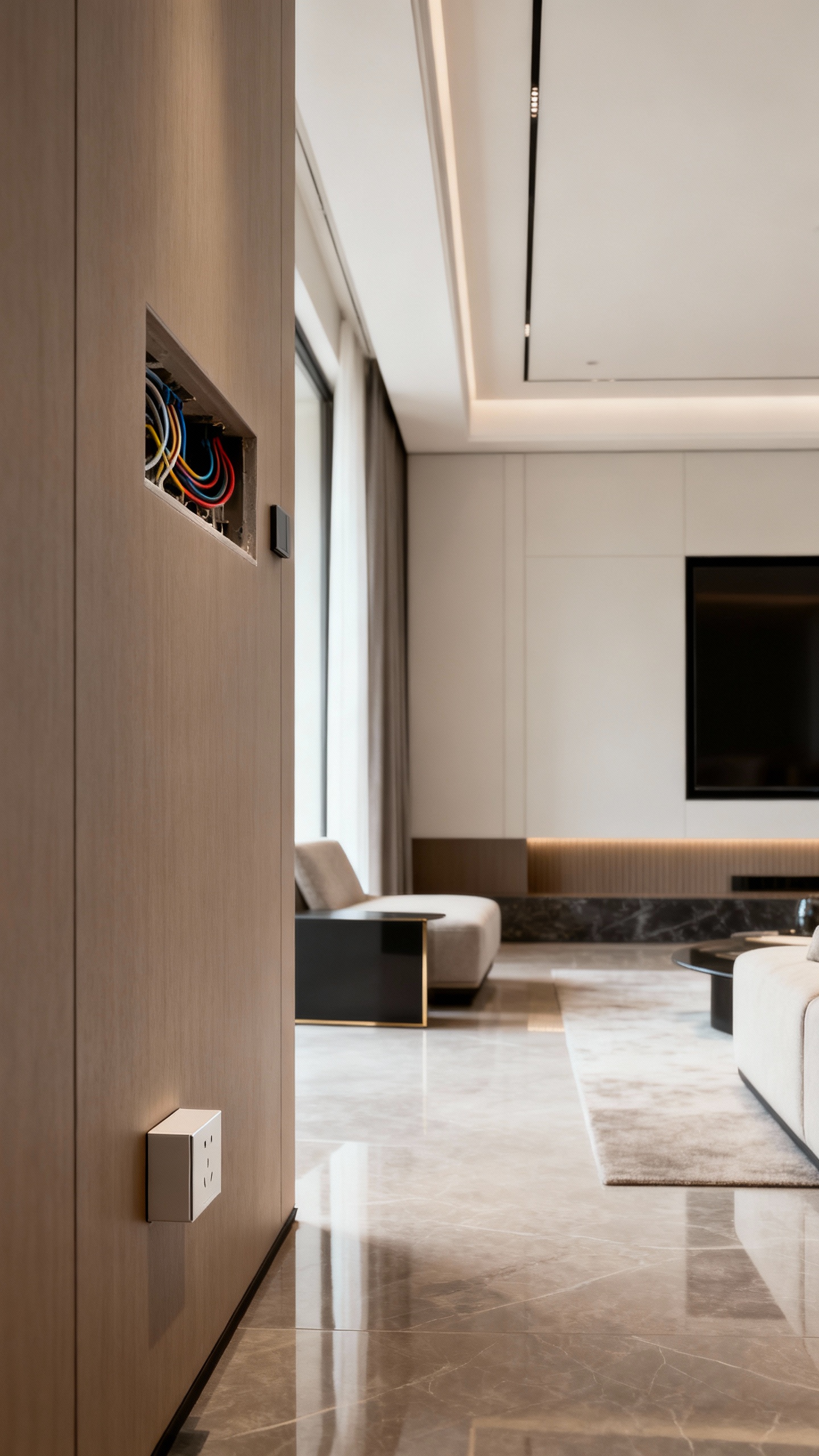
Visible cords are the fastest way to make a TV wall feel unfinished. Run power and HDMI through the wall (or use paintable cable channels as a renter-friendly option), and consider a recessed media box to keep plugs flush. A slim, low-profile mount keeps the TV close to the wall so the whole setup looks intentional.
7) Anchor the wall with a floating console (and treat it like furniture)
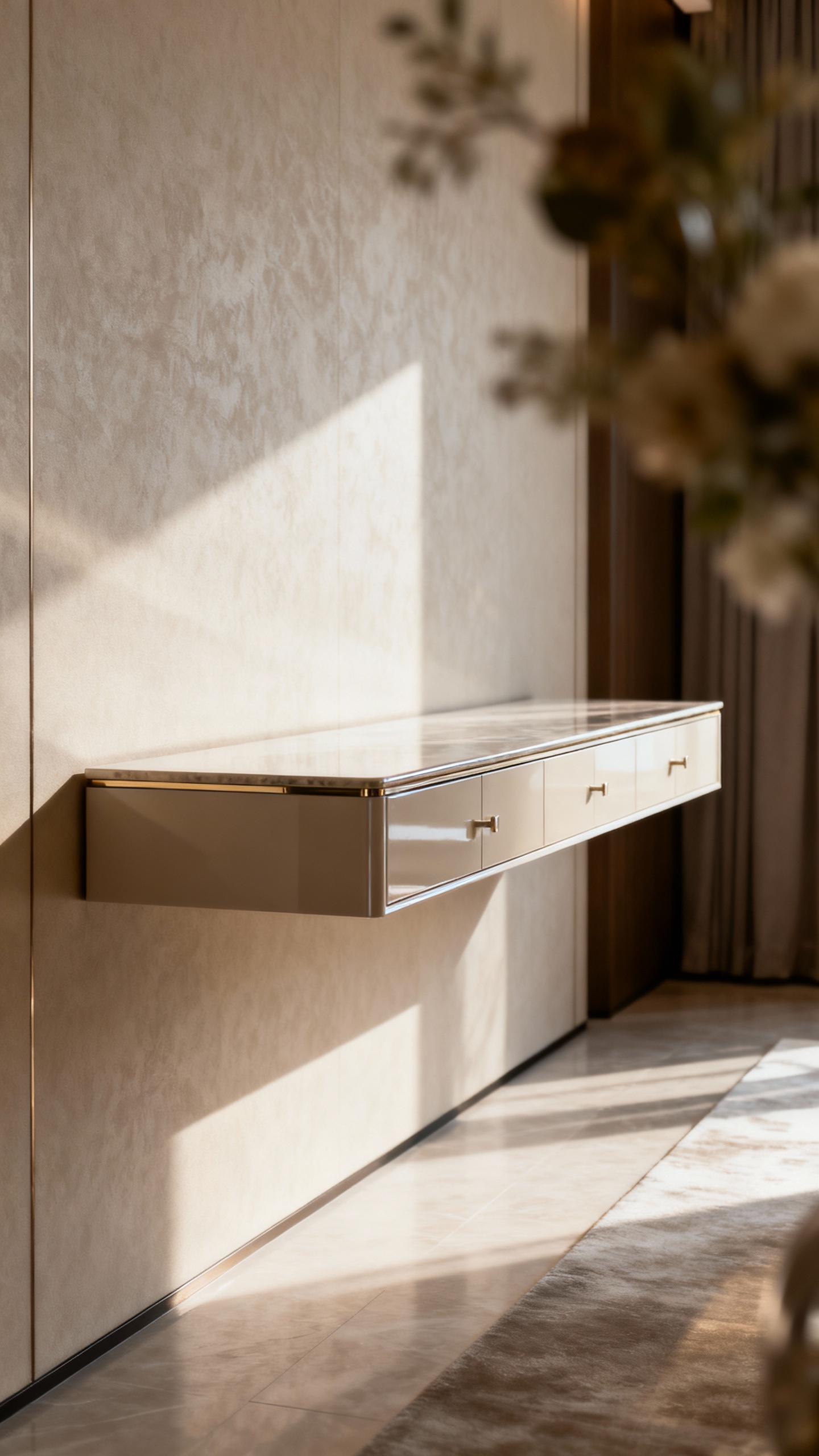
A floating console adds breathing room and makes the wall feel lighter, especially in luxury modern spaces. Choose a long, substantial piece—ideally wider than the TV—and keep the finish cohesive with the rest of your room (walnut, light oak, or a satin lacquer). Style the top sparingly: one art piece leaning, one sculptural object, and one natural element is often enough.
8) Make the TV part of a gallery wall—yes, it can look chic
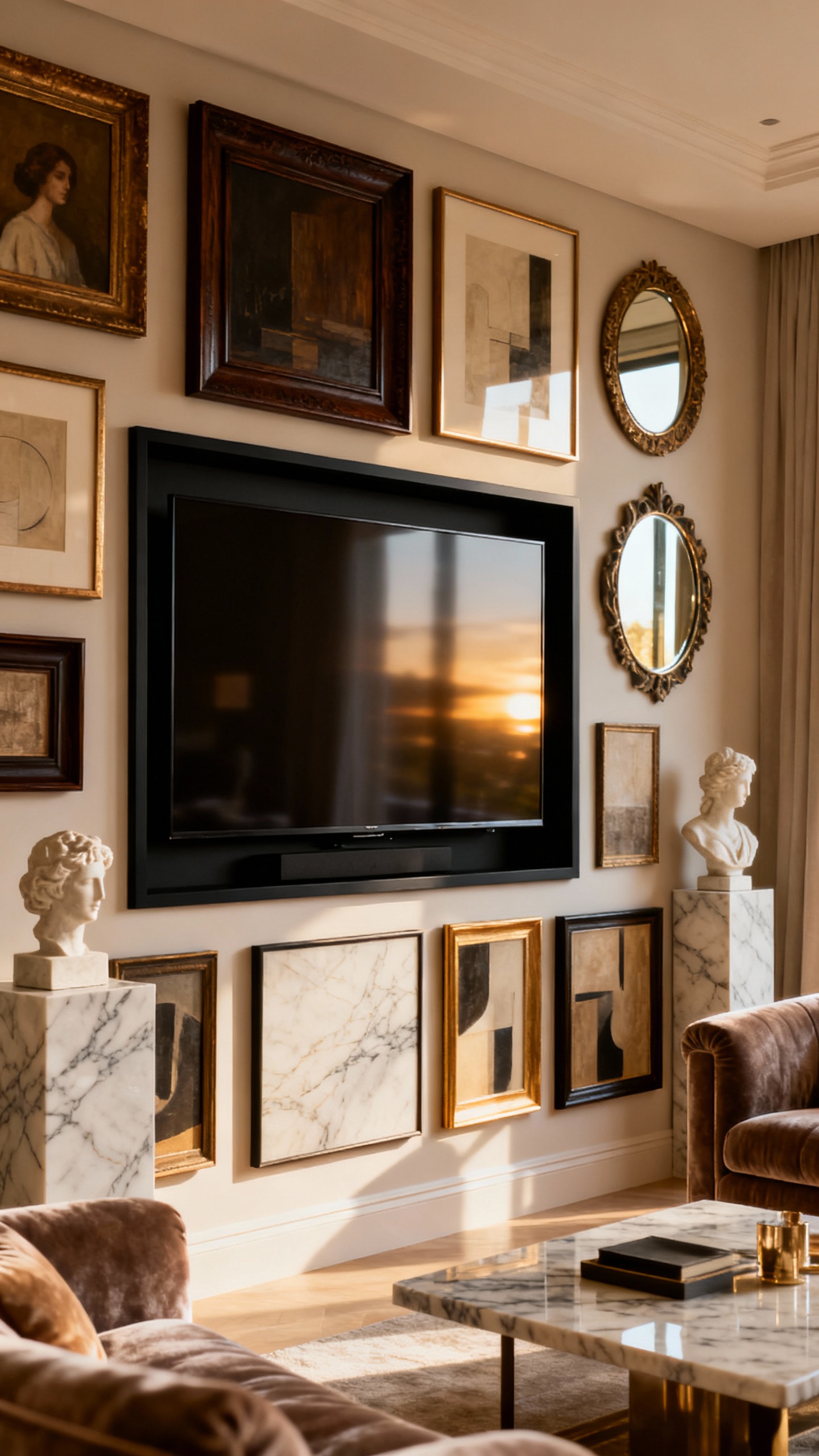
For a more collected, editorial look, surround the TV with framed art in a tight, curated arrangement. Keep frame finishes consistent (all black, all brass, or all light wood) and vary the art sizes so the screen feels like one rectangle among many. Stick to a controlled palette—neutrals, monochrome photography, or soft abstracts—for a luxury feel.
9) Use texture to soften the tech: slatted wood, reeded panels, or textile panels
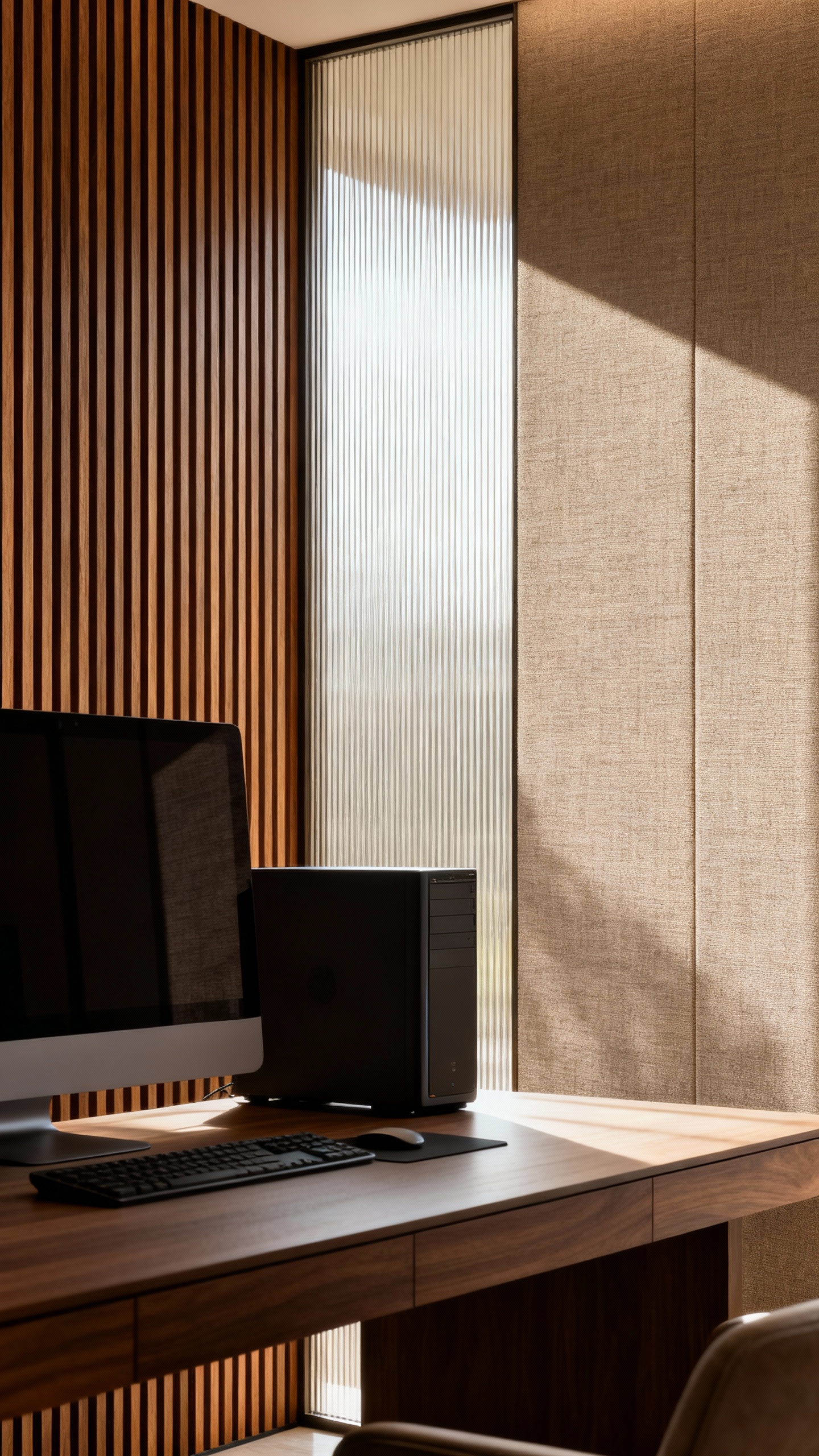
Texture is the secret to making a TV wall feel warm and expensive. Vertical slat panels add rhythm, reeded detailing feels tailored, and upholstered acoustic panels can be both beautiful and functional. Keep the texture consistent across the wall so the TV reads as part of a larger design gesture.
10) Balance the composition with styling “weight” on both sides
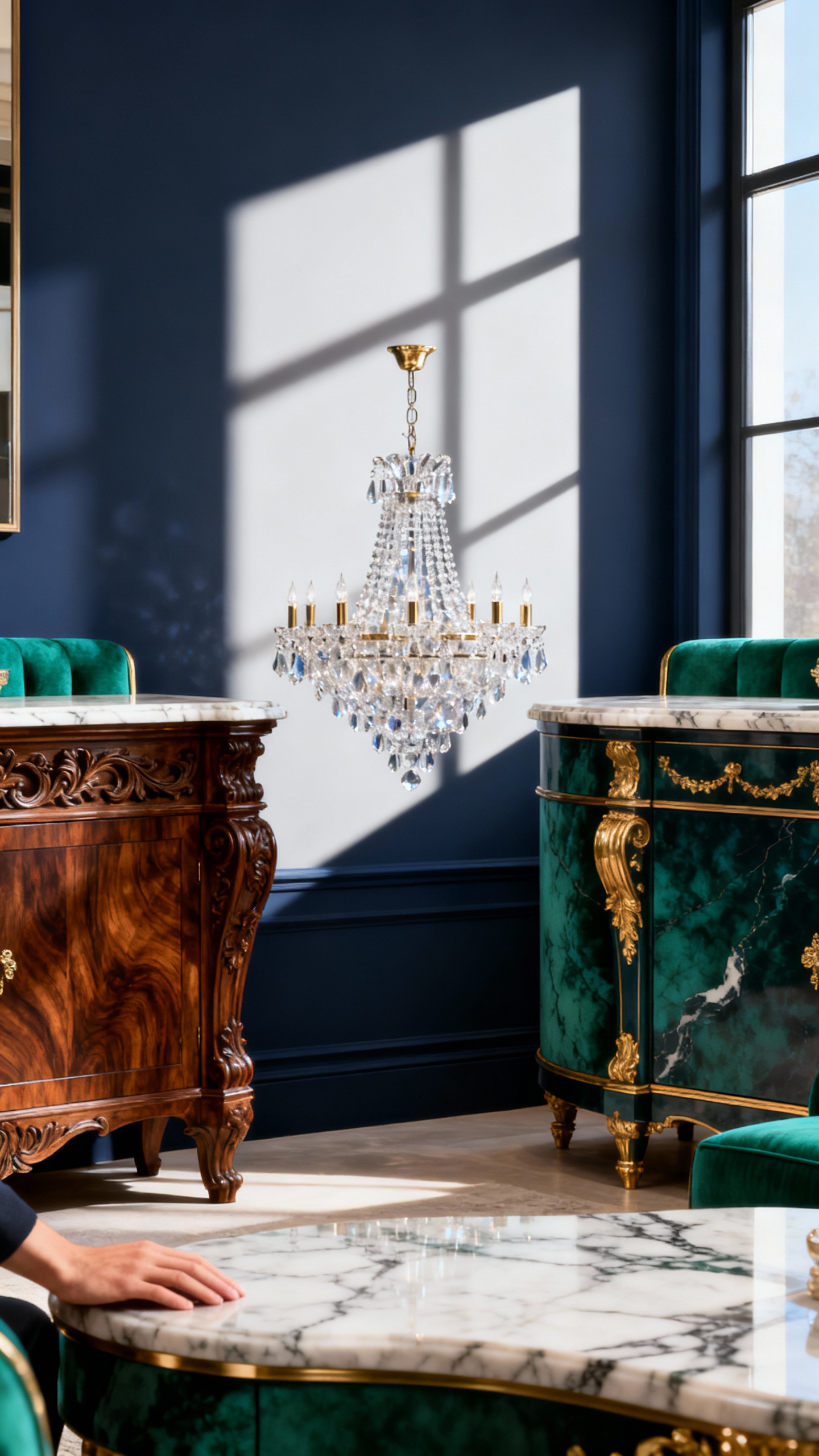
Even a minimal TV wall needs visual balance. Add height on one side with a tall plant or sculptural floor lamp, then counter it with stacked books, a ceramic vessel, or a low chair on the other. Step back and check that your TV isn’t the only high-contrast element—designers distribute contrast across the whole wall for a calmer, more luxe result.
FAQ
What is the best height to mount a TV on a living room wall?
A common designer guideline is to place the center of the screen roughly at seated eye level. In most living rooms, that lands around 40–45 inches from the floor to the center, but your sofa height and viewing distance matter most. If you’re adding a console below, keep a comfortable gap so the wall doesn’t feel cramped.
How do I make a TV wall look expensive on a budget?
Prioritize what reads most: hide cords, paint the wall a refined matte color, and add lighting (even plug-in sconces can look custom). A long, simple console and a few larger-scale decor pieces will look more luxurious than lots of small accessories. Keep your palette tight and your styling minimal.
Should the console be wider than the TV?
Yes—most designers prefer the console to be wider than the TV to visually anchor the screen. As a rule of thumb, aim for at least 6–12 inches wider on each side if space allows. This creates a balanced, furniture-like composition instead of a “TV floating alone” look.
What if my TV has to be on the main focal wall with windows or doors nearby?
Use symmetry where you can (matching sconces or matching decor) and choose finishes that unify the wall—like one consistent paint color or a continuous panel treatment. If glare is an issue, add lined drapery or solar shades and stick to matte finishes around the screen. The goal is to make the wall feel cohesive even when the architecture is busy.
How do designers style shelves around a TV without making it feel cluttered?
They edit ruthlessly and repeat a few materials for cohesion—think wood, ceramic, and one metal finish. Leave negative space, vary height, and group objects in odd numbers. A good rule: fewer, larger pieces look more elevated than many small items competing with the screen.