
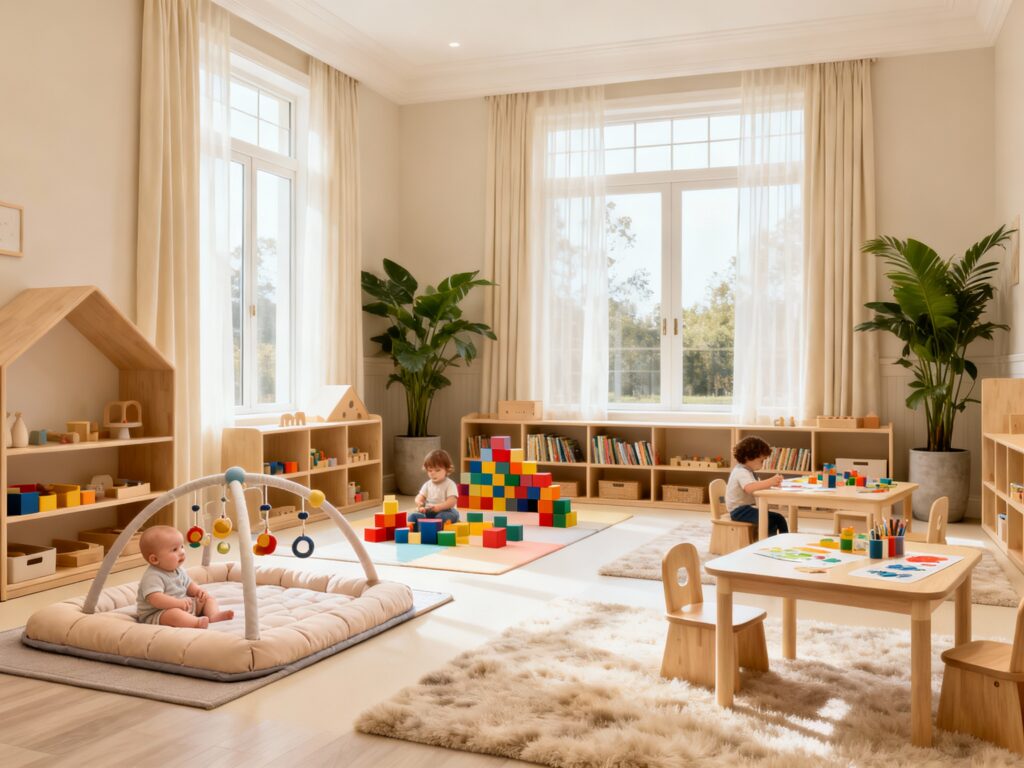
Designing an at-home daycare room is a balancing act: it has to be calming and beautiful for adults, but also ultra-functional, washable, and truly safe for little ones. The best setups don’t look like a toy explosion—they’re intentional, zoned, and tailored to each age group.
Use the ideas below as a room plan you can scale up or down. Each tip keeps safety first while still delivering a Pinterest-worthy space that works from babies through preschoolers.
1) Create Clear Age-Group Zones (Babies, Toddlers, Preschoolers)
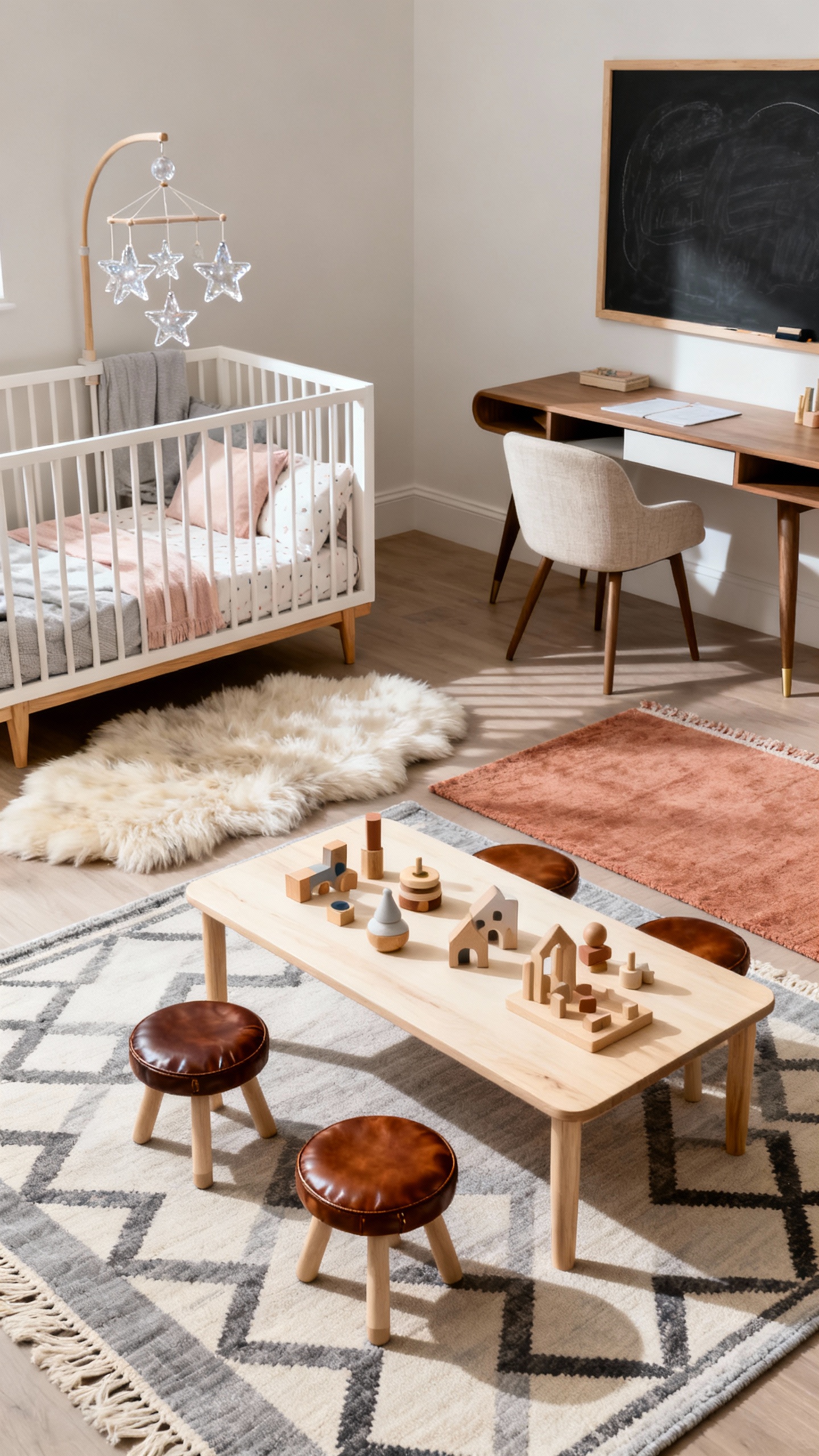
Divide the room into zones so each age group has a predictable place to land: a quiet baby corner, a toddler movement area, and a preschool table/creative zone. Use low shelving or a soft, washable rug boundary to visually separate spaces without blocking sight lines. This reduces collisions, helps supervision, and makes the room feel styled instead of chaotic.
2) Baby Zone: Soft, Simple, and Supervised
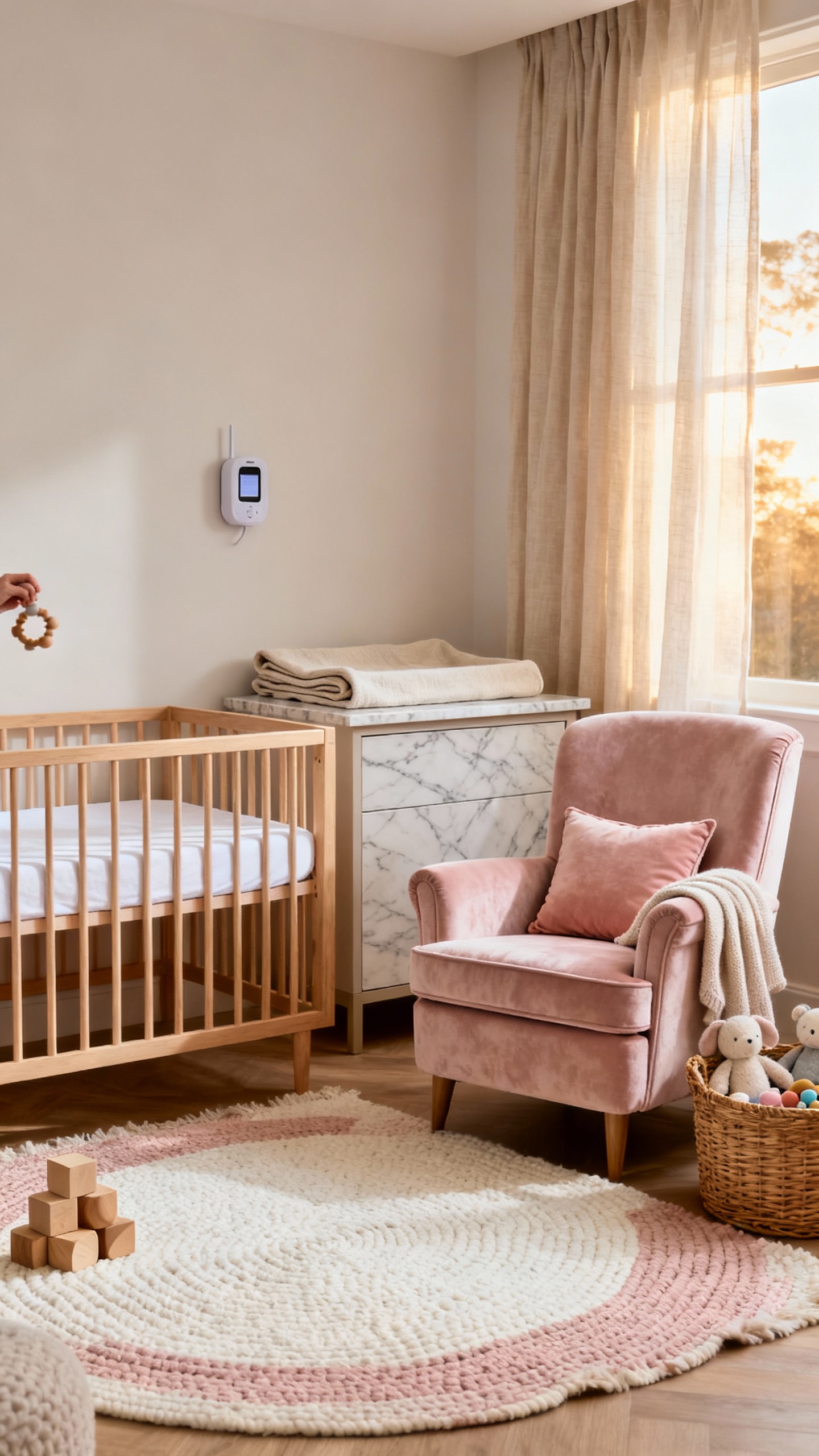
For infants, prioritize a clean, uncluttered floor space with a cushioned play mat and minimal, high-contrast toys stored nearby. Keep furniture edges rounded and avoid heavy décor above the baby area—no leaning mirrors or unsecured wall art. A small, lidded basket system lets you rotate a few developmentally appropriate items while keeping the look calm.
3) Toddler Zone: A “Yes Space” for Safe Exploration
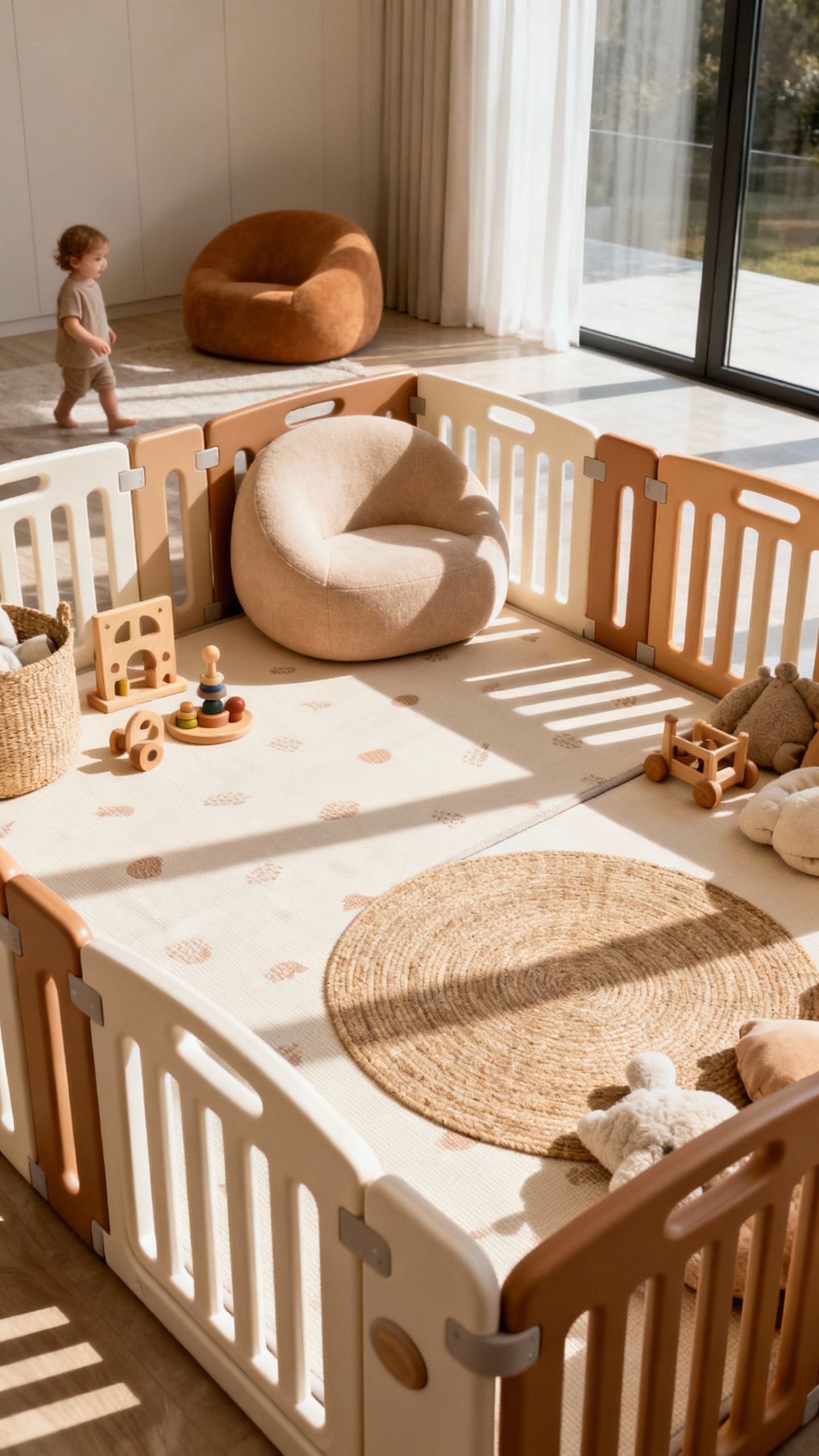
Toddlers thrive in a space where most things are safe to touch, so design for “yes” rather than constant “no.” Anchor all shelves, use closed-front bins for choking-hazard items, and choose soft poufs instead of hard stools. Add a low activity shelf with 6–10 curated choices so the room looks tidy while still supporting independence.
4) Preschool Zone: A Real Work Surface That Wipes Clean
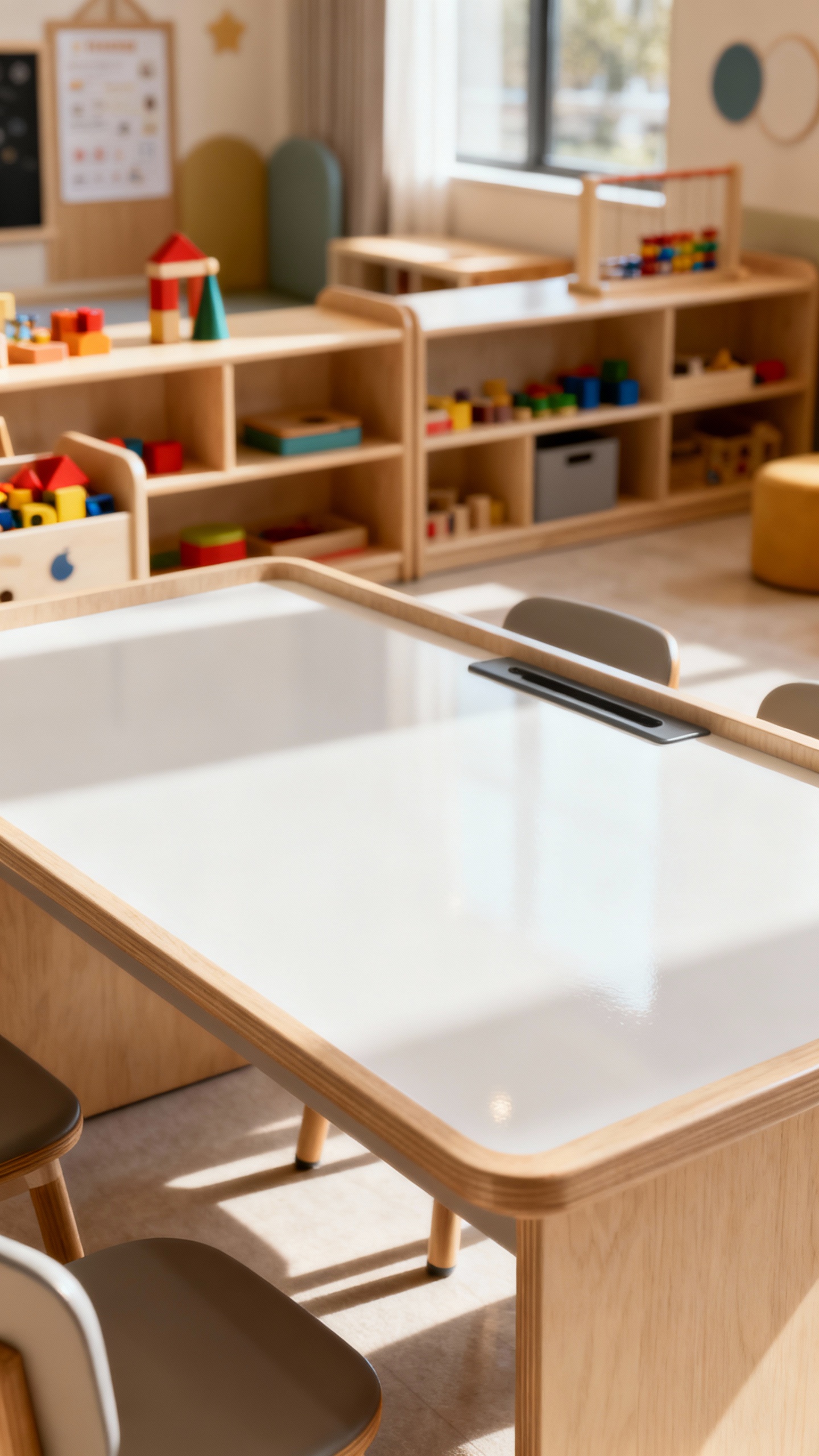
Set up a child-height table with easy-clean chairs for puzzles, art, and sensory trays—this instantly elevates the room and creates structure for older kids. Choose a wipeable tabletop (laminate or sealed wood) and place a washable rug underneath to catch glue drips and snack crumbs. Store art materials higher up and bring them down with supervision for a safer, more refined look.
5) Choose Flooring That’s Soft, Slip-Resistant, and Washable
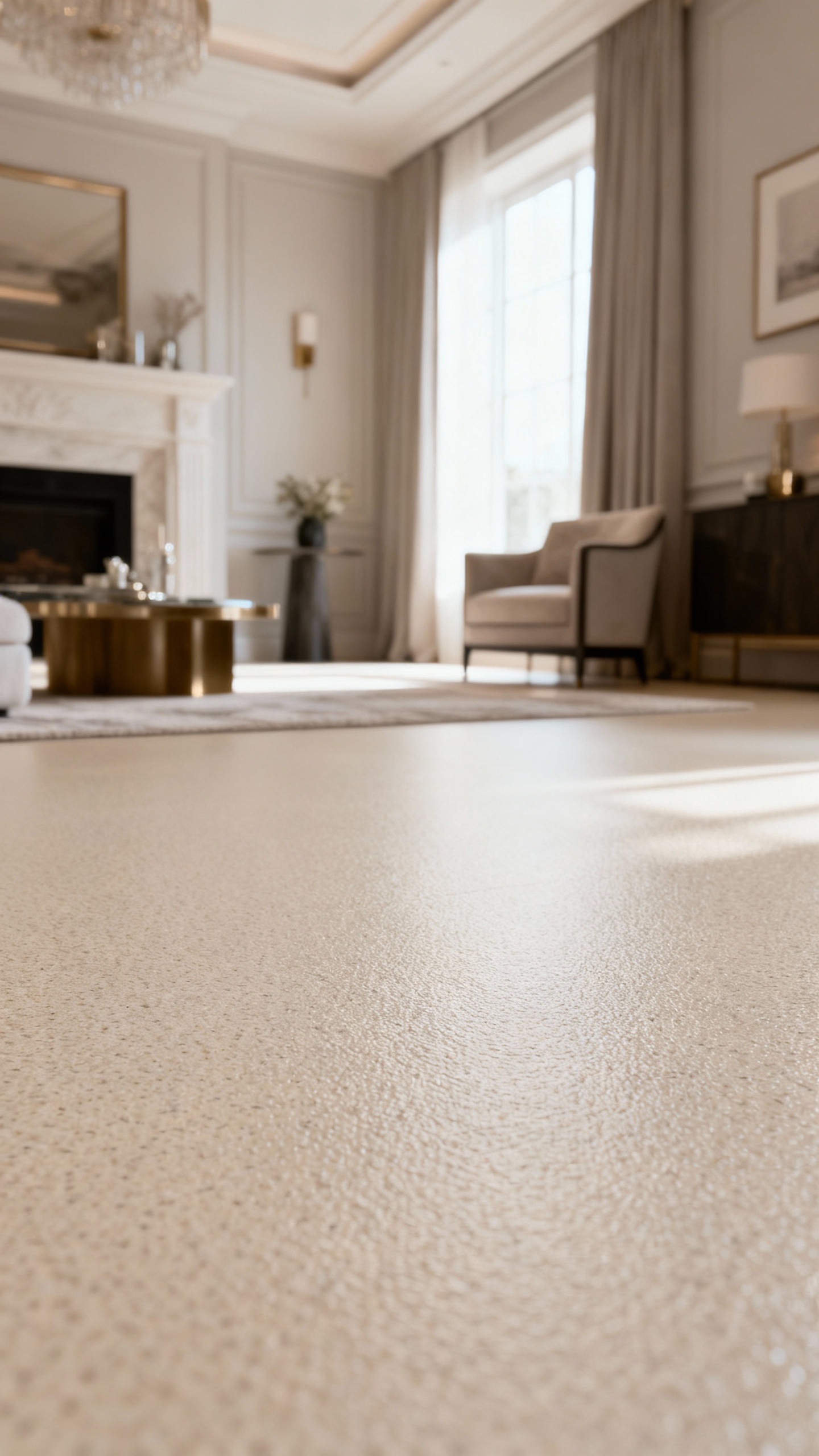
Layer a large, low-pile washable rug over a cushioned play pad to reduce tumbles without creating trip edges. In high-traffic daycare rooms, darker neutrals or subtle patterns hide daily wear while still feeling high-end. Use rug tape on corners and edges so toddlers can’t flip it up during play.
6) Storage That Actually Stays Organized (And Looks Good)
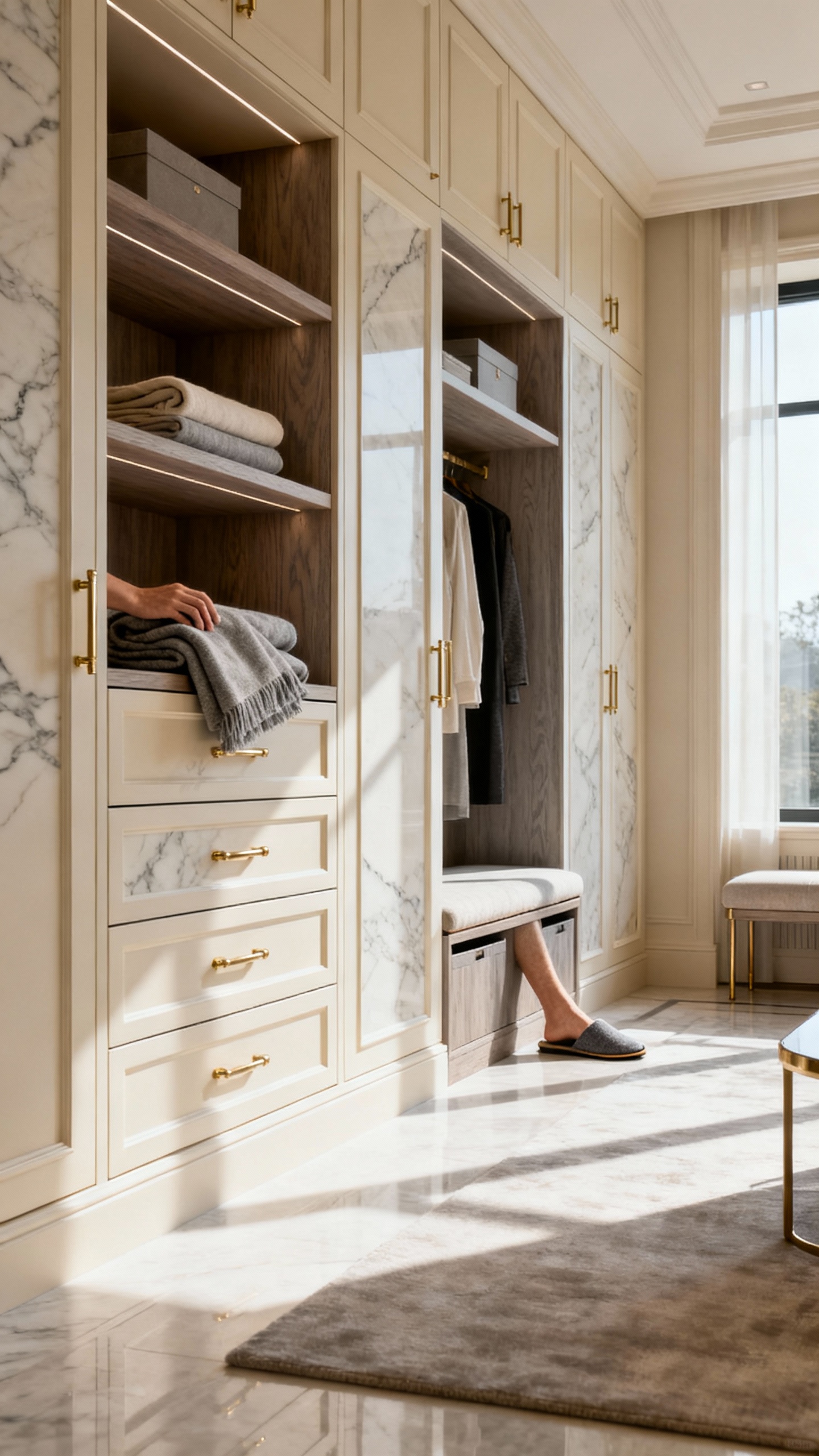
Use a consistent bin system on low shelves: matching containers instantly make the room feel designed. Label by age group and activity (blocks, books, pretend play) so clean-up is quick and kids learn routines. For safety, keep small parts and “big kid” materials in lidded bins on higher shelves or in a locked cabinet.
7) Safe, Layered Lighting for Calm Transitions
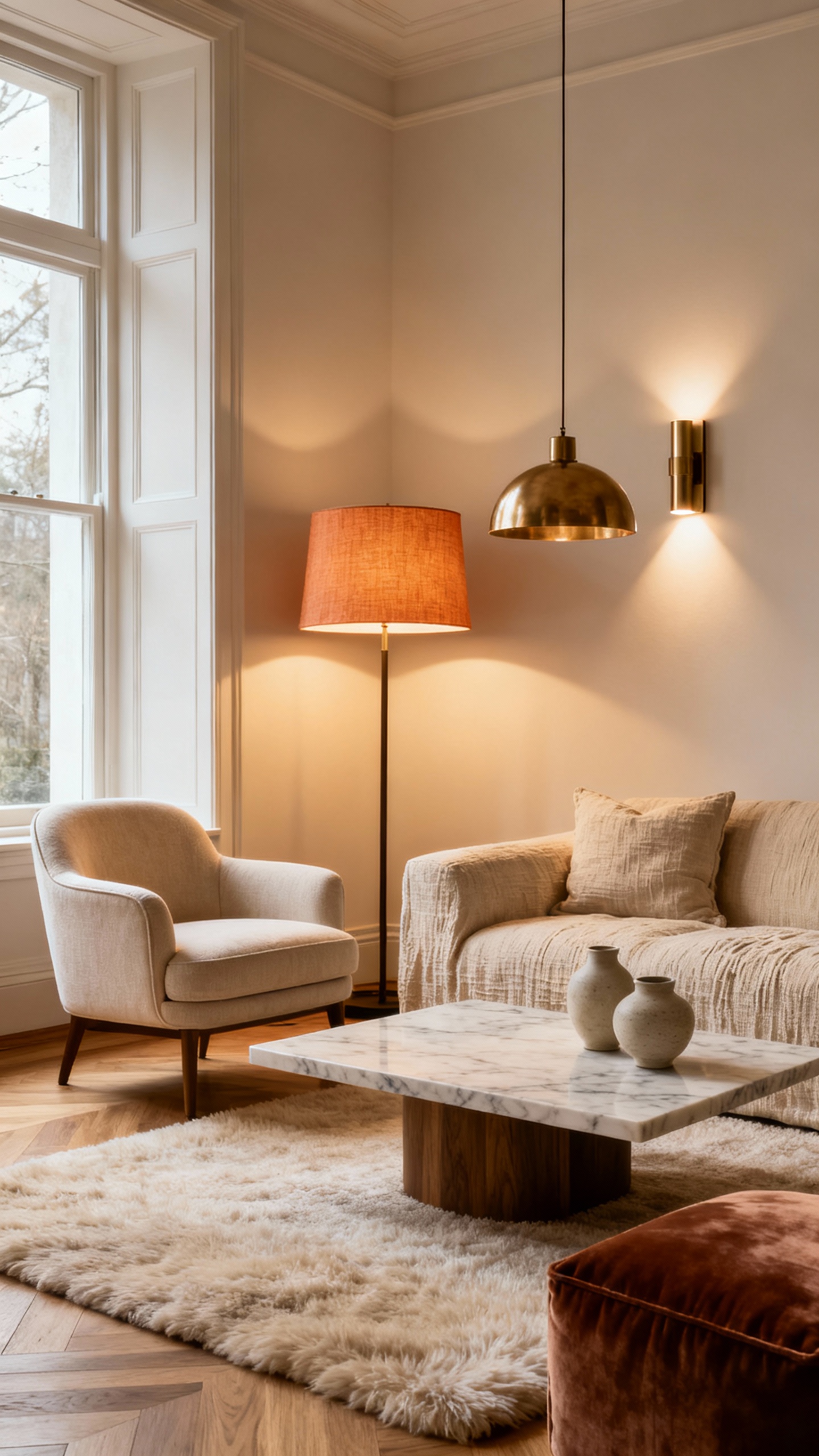
Combine soft overhead lighting with a shaded floor or table lamp (out of reach) to avoid harsh glare and create a cozy, home-like feel. Add a dimmer if possible—especially helpful for infant feedings, quiet time, and late-afternoon wind-down. Skip exposed bulbs and lightweight lamps that could tip; choose sturdy bases and cord management for a cleaner, safer finish.
8) A Book Nook That Works for All Ages
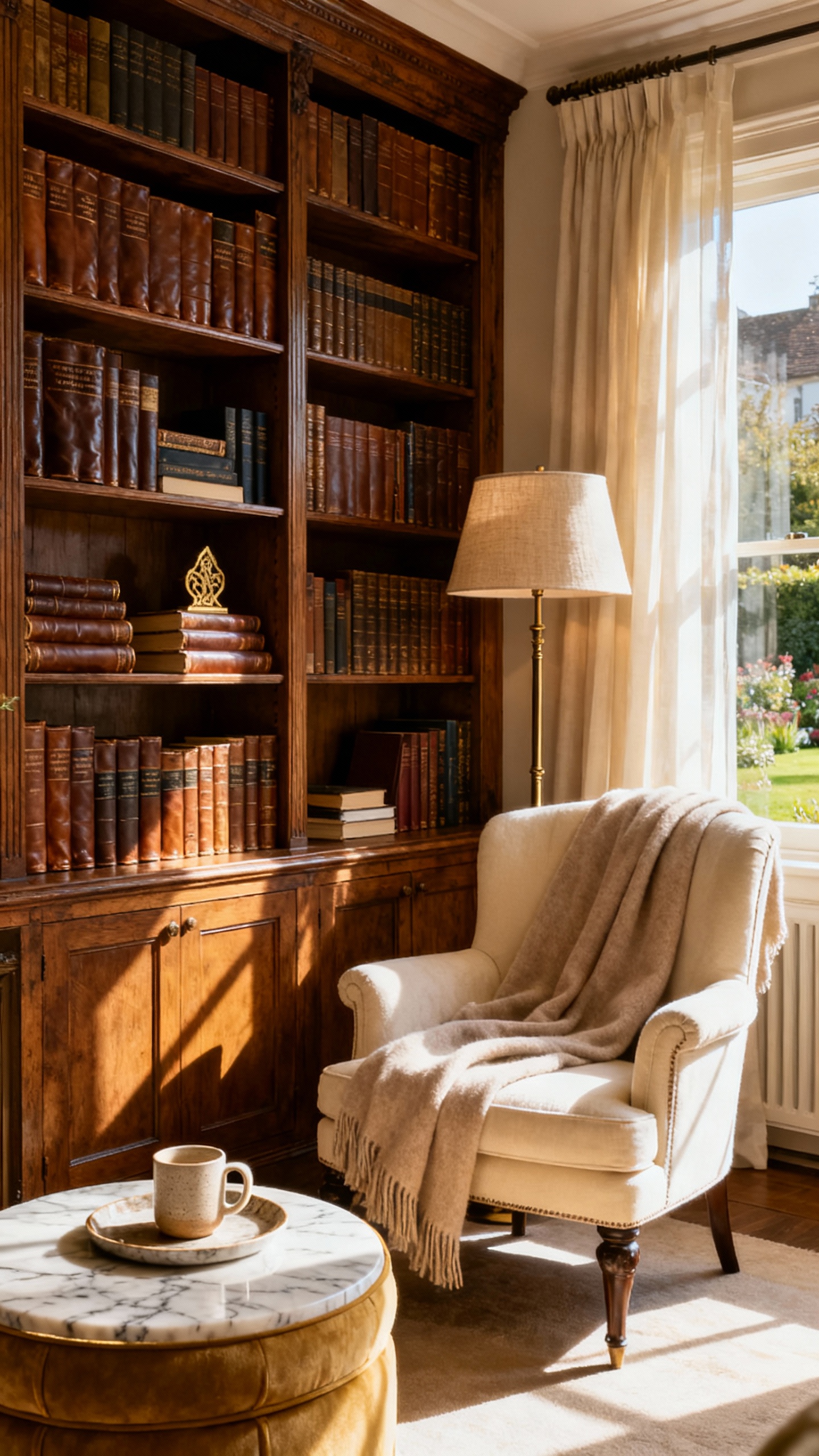
Set up a front-facing book display on a low ledge so covers are visible and inviting, then pair it with soft floor cushions or a small bench with washable covers. For babies, keep board books at floor level; for preschoolers, add seasonal story baskets on a higher shelf. This zone supports quieter play and helps balance the room’s more active areas.
9) Entry + Drop Zone: Hygiene, Shoes, and Daily Flow
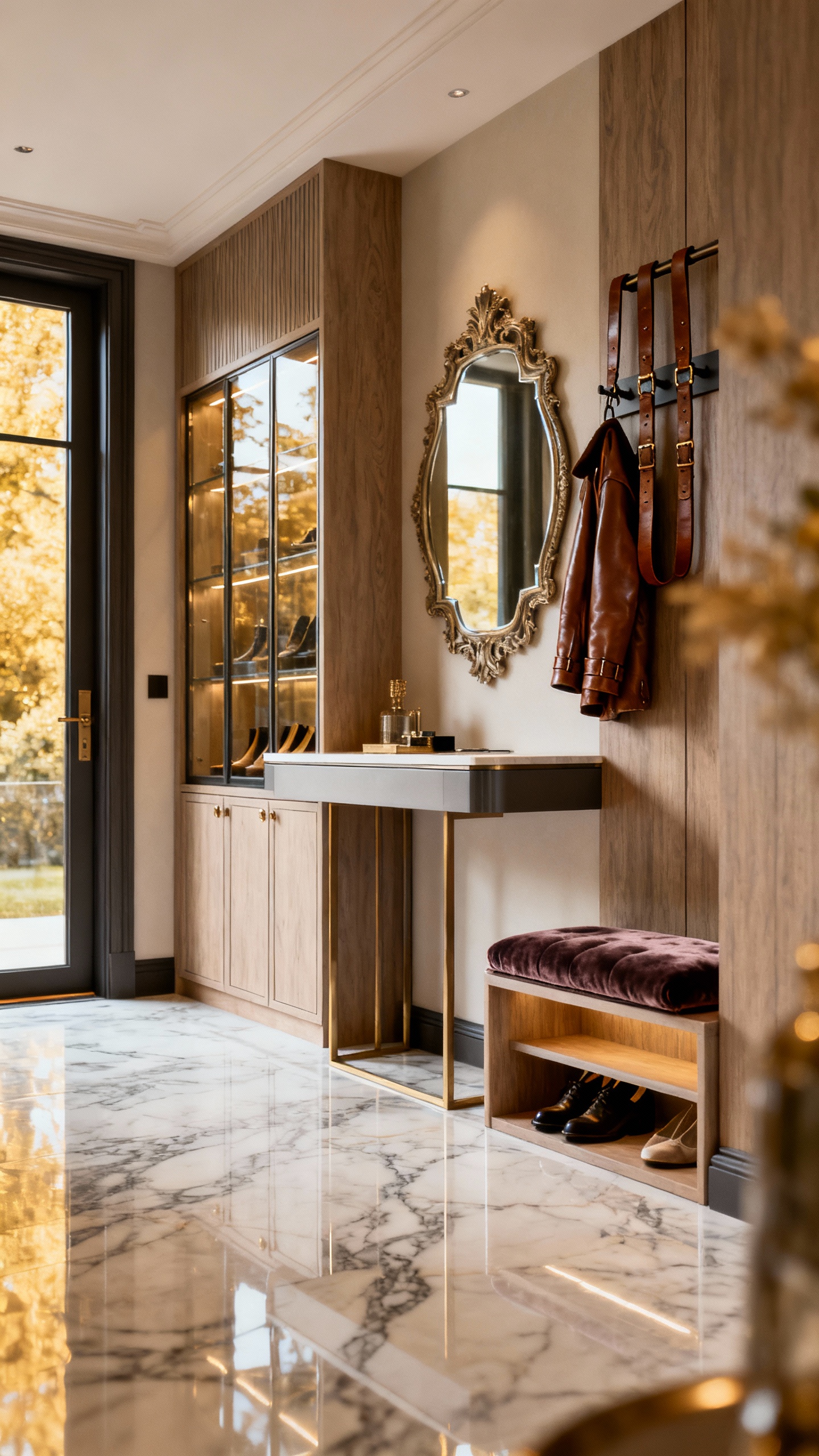
A small entry corner keeps the main daycare room cleaner and reduces morning bottlenecks. Add labeled hooks at kid height for backpacks and jackets, plus a closed shoe cabinet or easy-wipe tray for footwear. Include a slim surface for check-in items (sign-in sheet, diapers, sunscreen) and a sealed bin for soiled clothing—practical, discreet, and tidy.
10) Safety Details That Still Feel Design-Forward
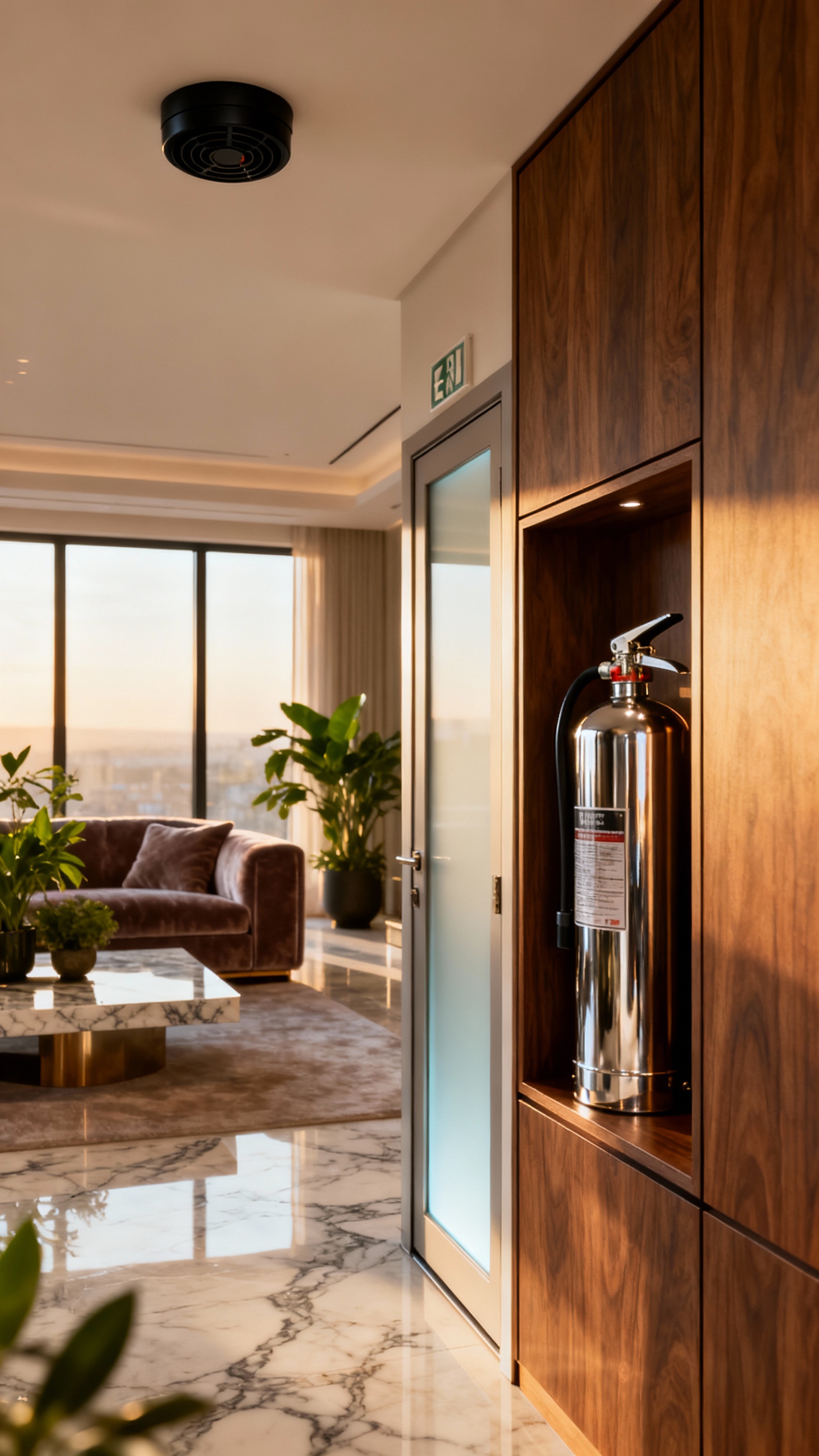
Choose cordless window coverings, outlet covers, and furniture anchors as non-negotiables, then integrate them into your aesthetic with matching finishes and clean lines. Keep wall décor minimal and secured—think framed prints anchored with museum putty rather than heavy hanging objects near play areas. A cohesive color palette (warm white + soft greige + muted greens/blues) makes the room feel elevated while letting toys be the “color” in controlled doses.
FAQ
How big should an at-home daycare room be?
It can work in a small room if you plan zones and storage carefully. Prioritize open floor space for movement, then use vertical storage and a single multipurpose table for older kids.
What are the best colors for an at-home daycare room?
Soft neutrals with one or two muted accent colors feel calming and high-end, and they photograph beautifully. They also make it easier to rotate toys and seasonal themes without the room feeling visually loud.
How do I keep the daycare room safe for mixed ages?
Create a baby-safe area separated by a clear boundary (low shelf or gated section) and store small parts up high or in locked storage. Mixed-age rooms work best when each age group has its own defined activity zone.
What furniture is worth investing in?
Invest in sturdy anchored shelving, a wipeable preschool table, and comfortable, washable soft seating. These pieces elevate the look and hold up to daily use far better than lightweight, temporary options.
How do I make the room easy to clean every day?
Use washable rugs, closed bins, and a simple toy rotation so fewer items are out at once. Keep cleaning supplies out of reach (locked) and choose finishes that wipe clean—sealed wood, laminate, and performance fabrics.