
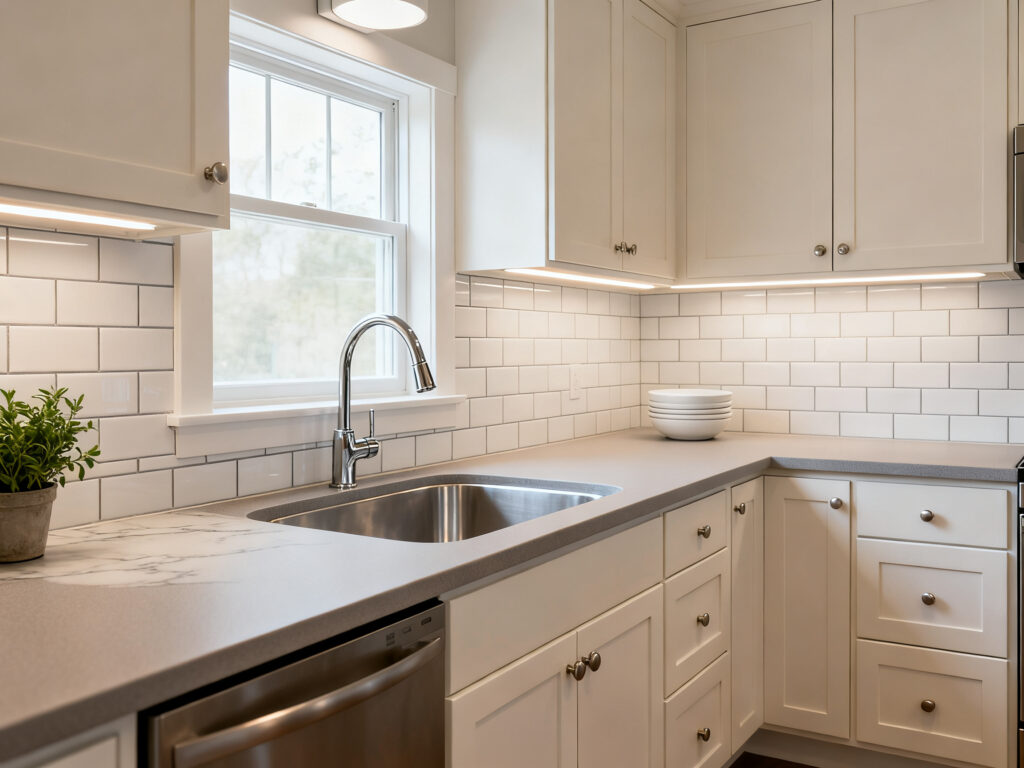
Small Kitchen Remodeling on a Budget That Feels Brand New
A small kitchen can absolutely feel “just remodeled” without a full gut renovation. The secret is targeting the upgrades that change what you see and touch every day—while protecting your budget with smart planning and a few pro-style shortcuts.
Use the tips below to prioritize impact, avoid expensive mistakes, and get a fresh, cohesive kitchen that functions better in a tight footprint.
1) Plan the layout first (so you don’t pay twice)
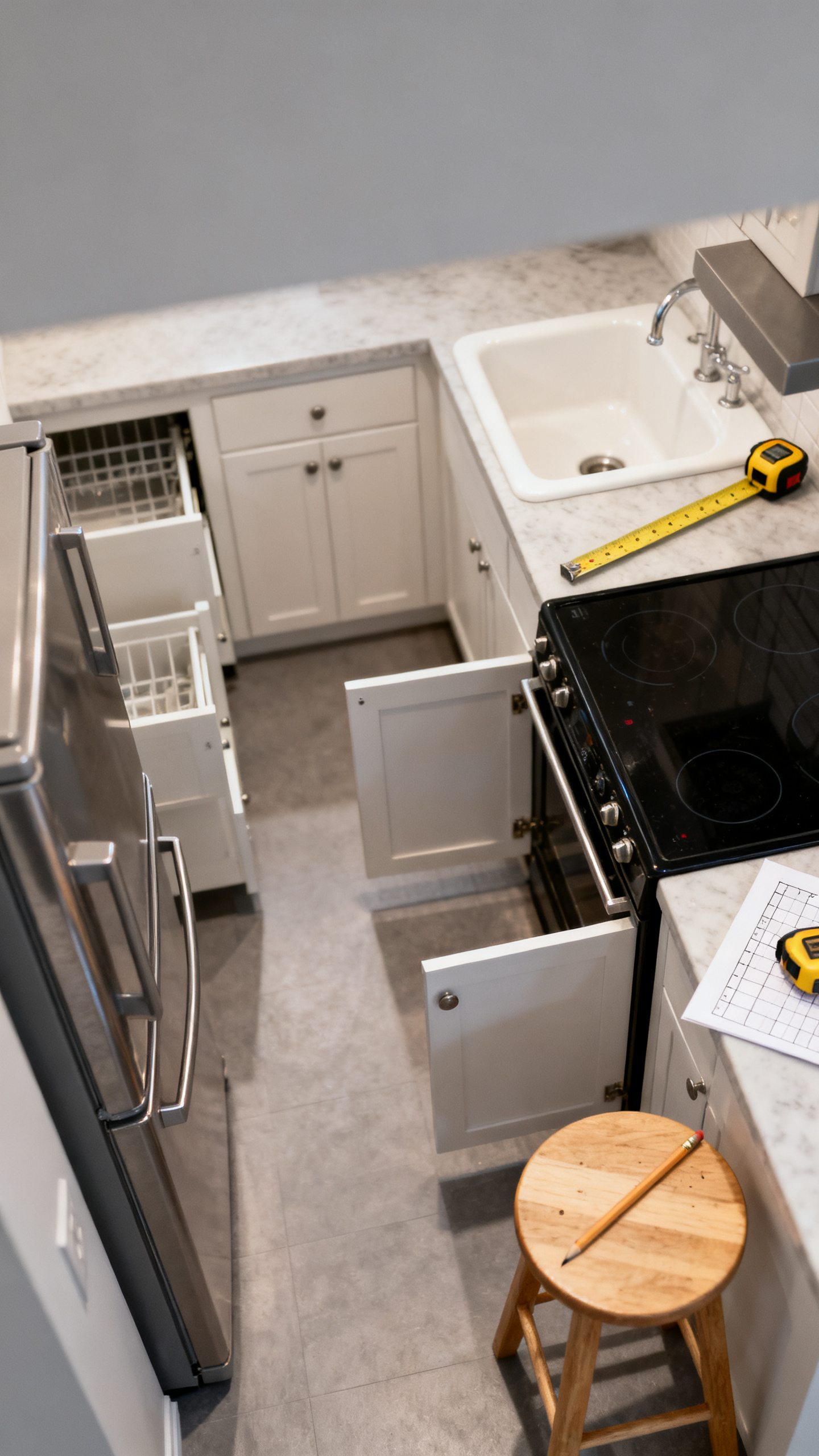
Before you buy anything, lock in a simple plan: where the fridge door swings, where prep happens, and how you’ll move between sink, stove, and fridge. In a small kitchen, even 2–3 inches of clearance matters. Aim for 36 inches for main walkways; 42 inches is ideal if two people cook. Keep at least 15 inches of landing space next to the fridge and 12 inches on one side of the cooktop/range (15 inches is better) so the kitchen works like new, not just looks new. If your budget is tight, keep plumbing and gas lines where they are—moving a sink or range can quietly become the most expensive “little change” you make.
2) Refresh cabinets without replacing them
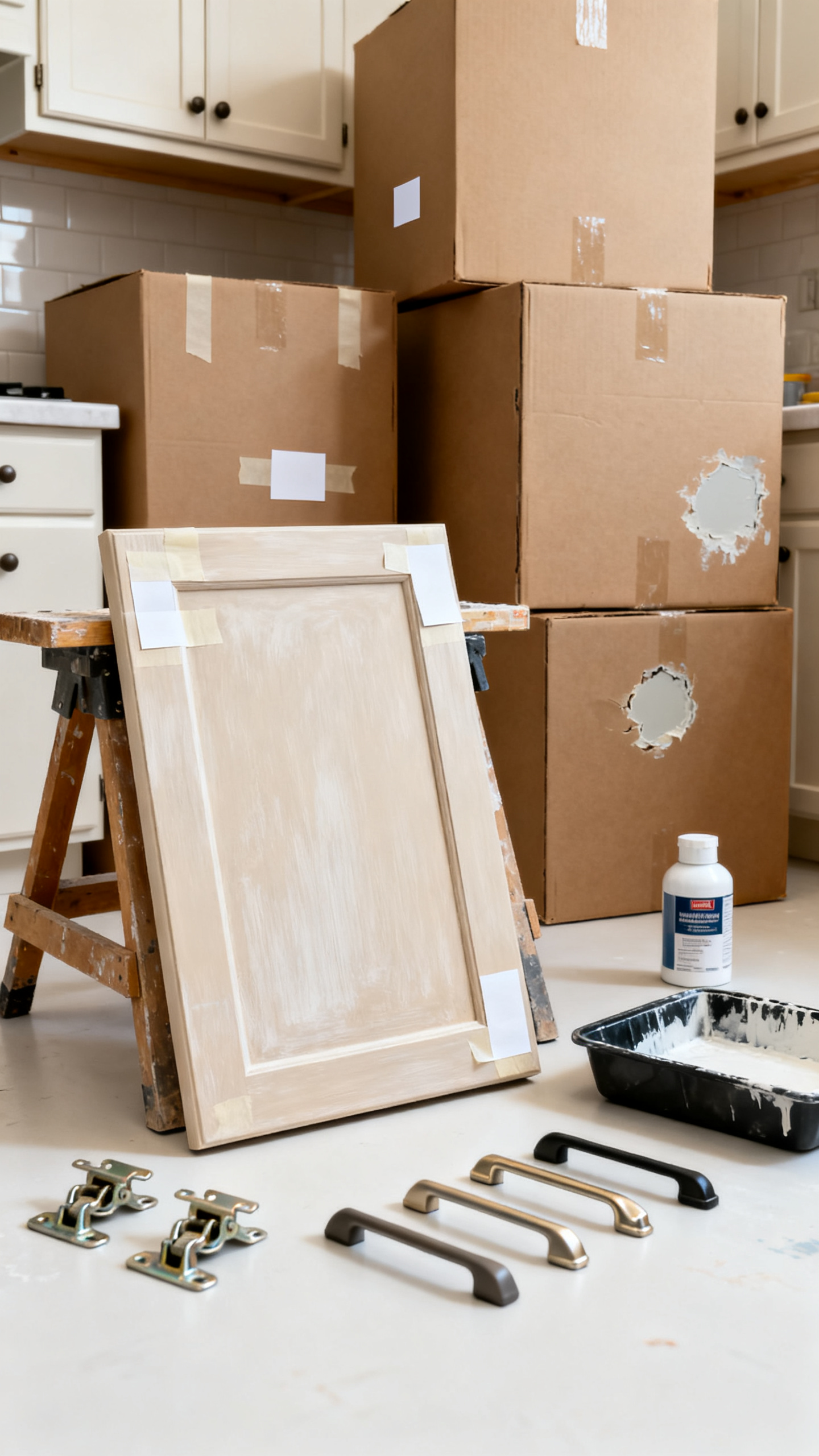
New cabinets are often the biggest line item, so work with what you have. If boxes are solid, a cabinet “facelift” can deliver a brand-new look for a fraction of the cost: clean thoroughly, patch dings, sand, then prime and paint with a cabinet-grade enamel for durability. If painting feels daunting, consider re-facing only the doors (new doors on existing boxes) for a cleaner, more modern profile. Add soft-close hinges and new pulls to upgrade the daily experience—this is one of the fastest ways to make a kitchen feel newly remodeled even if the footprint didn’t change.
3) Choose budget counters that still look high-end
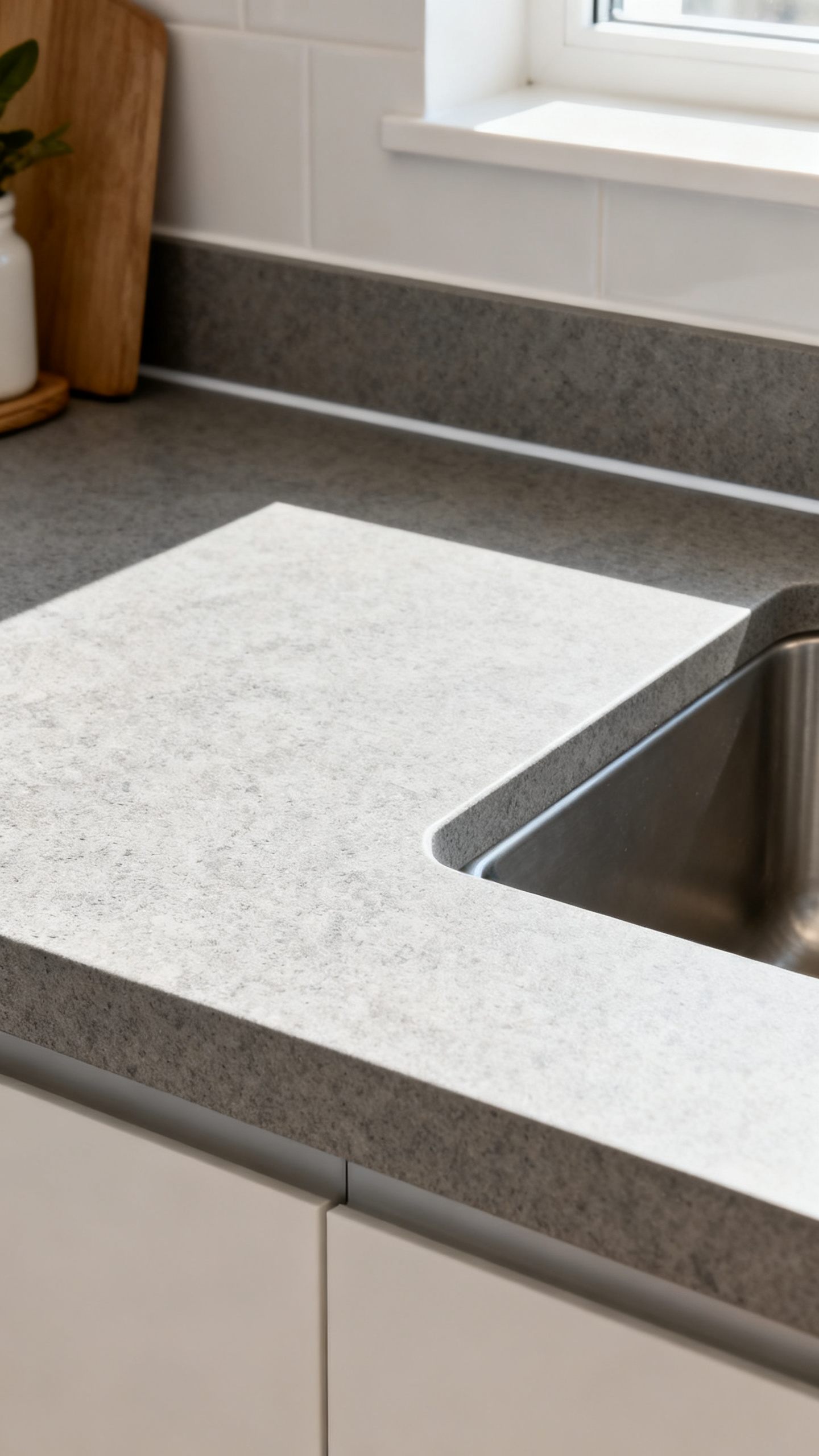
Countertops dominate a small kitchen visually, so pick a surface that reads “fresh and intentional.” Laminate has come a long way: matte finishes and modern patterns can mimic stone well, and it’s easy on the budget. Butcher block can look warm and custom; it’s best near prep zones if you’re willing to oil and maintain it (avoid standing water by sinks). If you can stretch, consider a smaller slab investment: quartz is low-maintenance and consistent, while some entry-level granite can be competitively priced. Pro tip for a “brand new” finish: choose a simple edge profile (square or eased) and keep seams minimal—clean details sell the upgrade.
4) Install a backsplash that covers the visual “work zone”
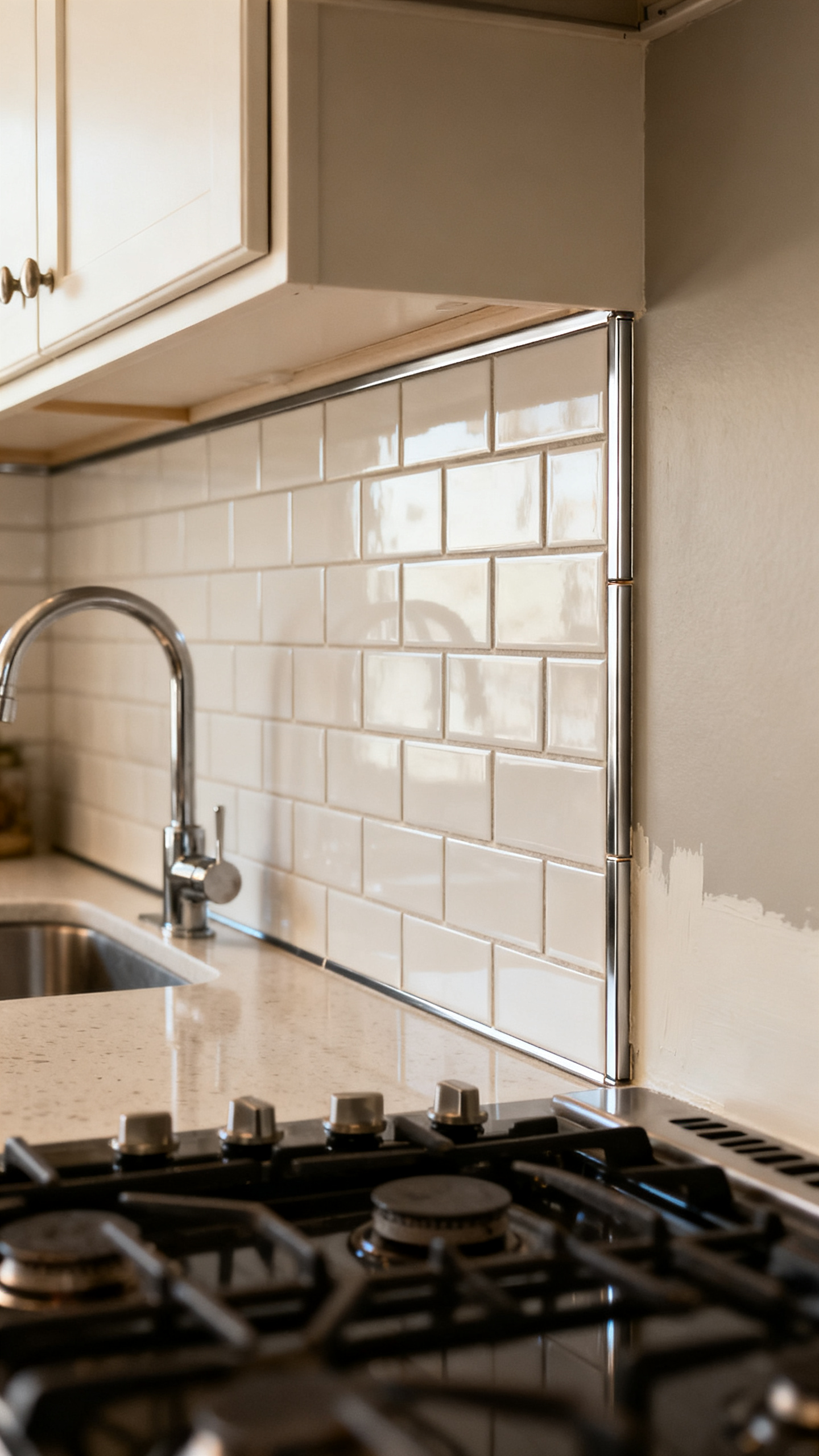
A backsplash is a budget-friendly way to make a kitchen feel finished. In a small kitchen, you don’t always need to tile every inch—focus on the high-visibility stretch between counter and upper cabinets, and especially the area behind the range. Classic 3×6 subway tile is affordable and timeless, but a vertical stack pattern instantly reads more modern without changing tile cost. Use a grout color that matches the tile for a seamless, upscale look (less visual “grid”), or go slightly darker for easier maintenance near cooking zones. If you’re DIY-ing, take time to level your first row—crooked tile lines are the quickest way to make a remodel look budget.
5) Upgrade lighting in layers (big impact, small footprint)
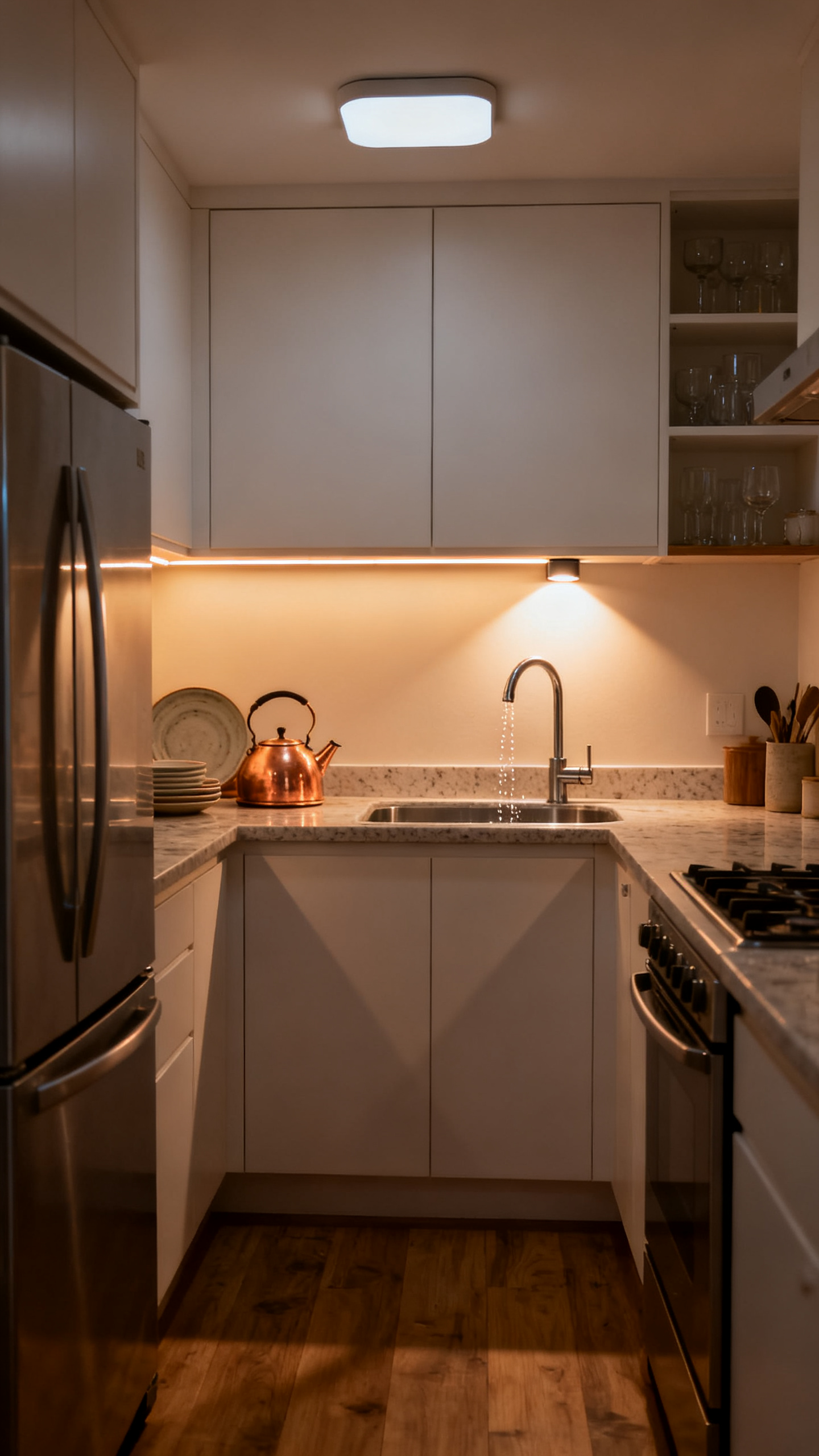
In small kitchens, lighting can make the space feel larger and newer than any single finish. Start with bright, even general light (a flush mount or low-profile fixture that won’t visually crowd the ceiling). Add under-cabinet lighting to eliminate shadows on counters—LED tape or puck lights are affordable and dramatically improve function. Aim for 2700K–3000K color temperature for a warm, clean glow, and choose high CRI (90+) when possible so food and finishes look true-to-life. If you’re replacing bulbs only, match color temperature across all fixtures so the kitchen feels cohesive, not patchwork.
6) Replace the sink and faucet for a “new kitchen” feel
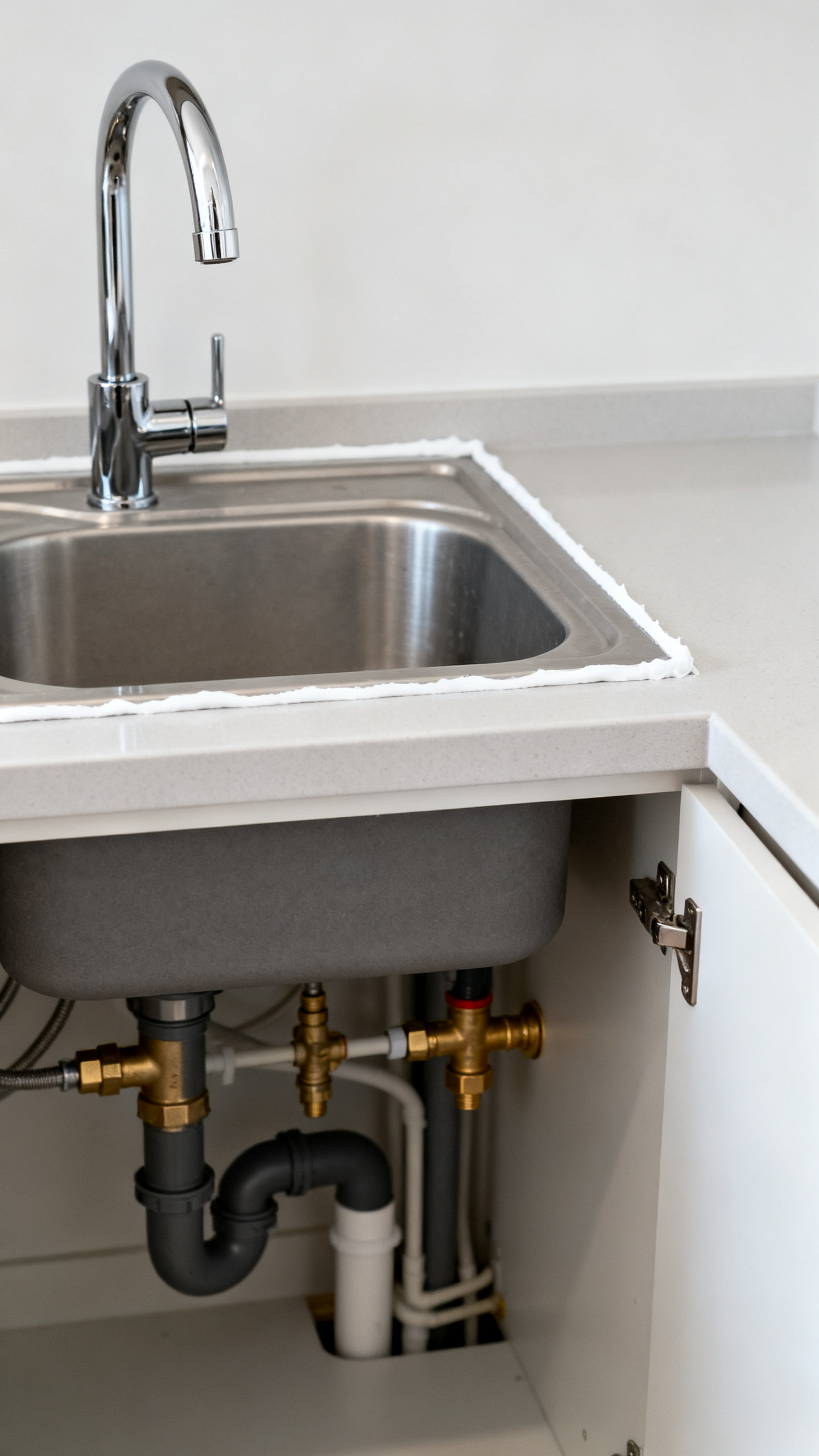
A fresh sink and faucet combo can make an older kitchen feel instantly updated because it’s a high-touch area. For small kitchens, consider a single-bowl sink to maximize usable space (especially if you wash larger pans). Stainless steel is budget-friendly and forgiving; undermount looks sleek but typically costs more and may require a compatible countertop. For faucets, a pull-down sprayer is the best value upgrade for real everyday function. Keep an eye on practical specs: a spout reach that lands water near the drain, and a height that fits under any upper cabinets or windowsill constraints.
7) Keep appliances, but make them look intentional
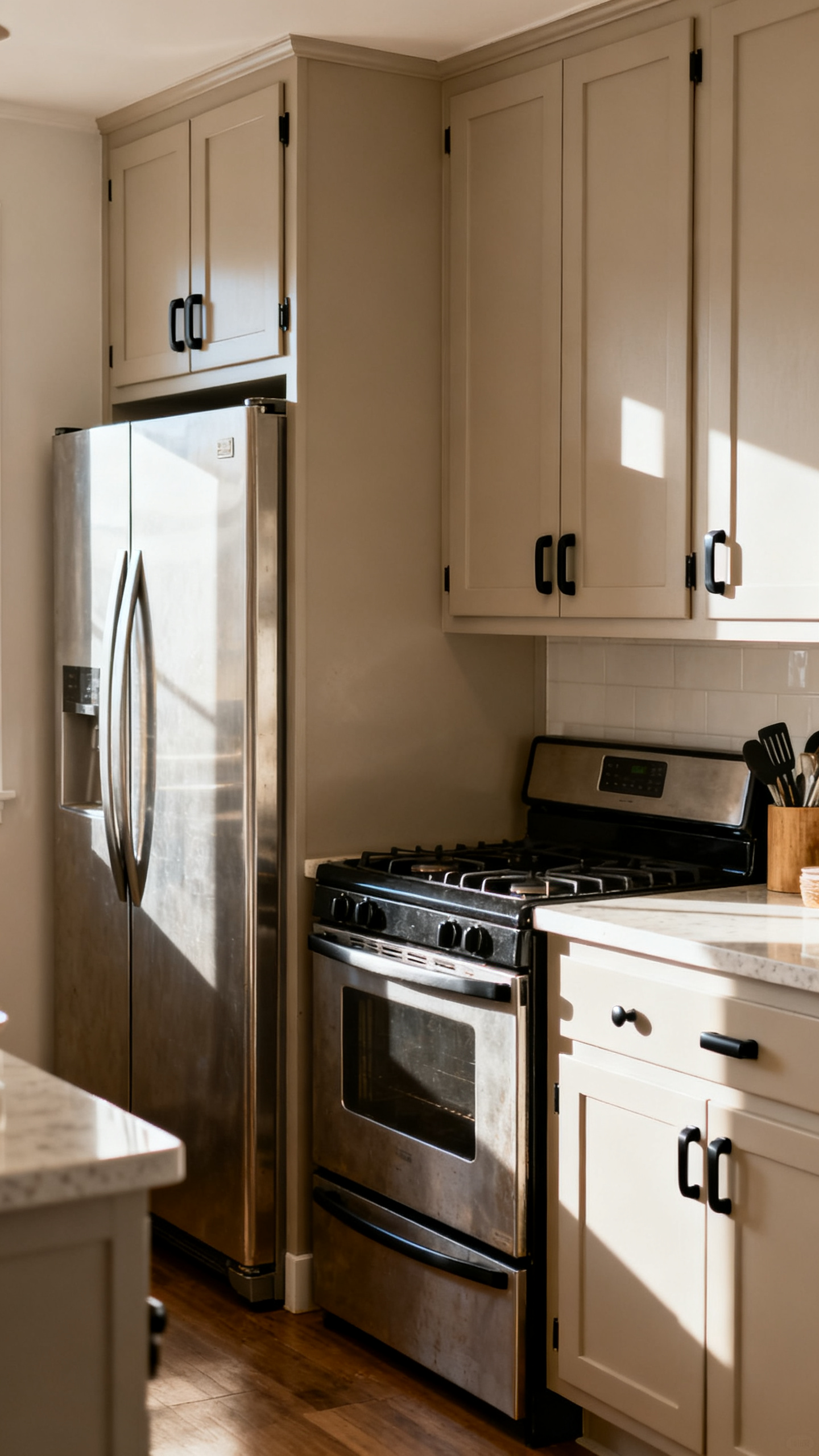
Replacing appliances can blow a budget fast, so if yours work, design around them. The “brand new” trick is cohesion: choose hardware and finishes that connect what you have (for example, pairing stainless appliances with a stainless faucet and simple cabinet pulls). If one appliance is the odd one out, prioritize the most visible piece—often the range or fridge. In tight kitchens, measure carefully before swapping anything: leave at least 1 inch clearance for fridge ventilation (check manufacturer specs), and confirm door swings won’t block walkways. Even just adding a slim, matching range hood or upgrading the hood insert can modernize the cooking wall without a full appliance set.
8) Improve storage with smart inserts, not extra cabinets
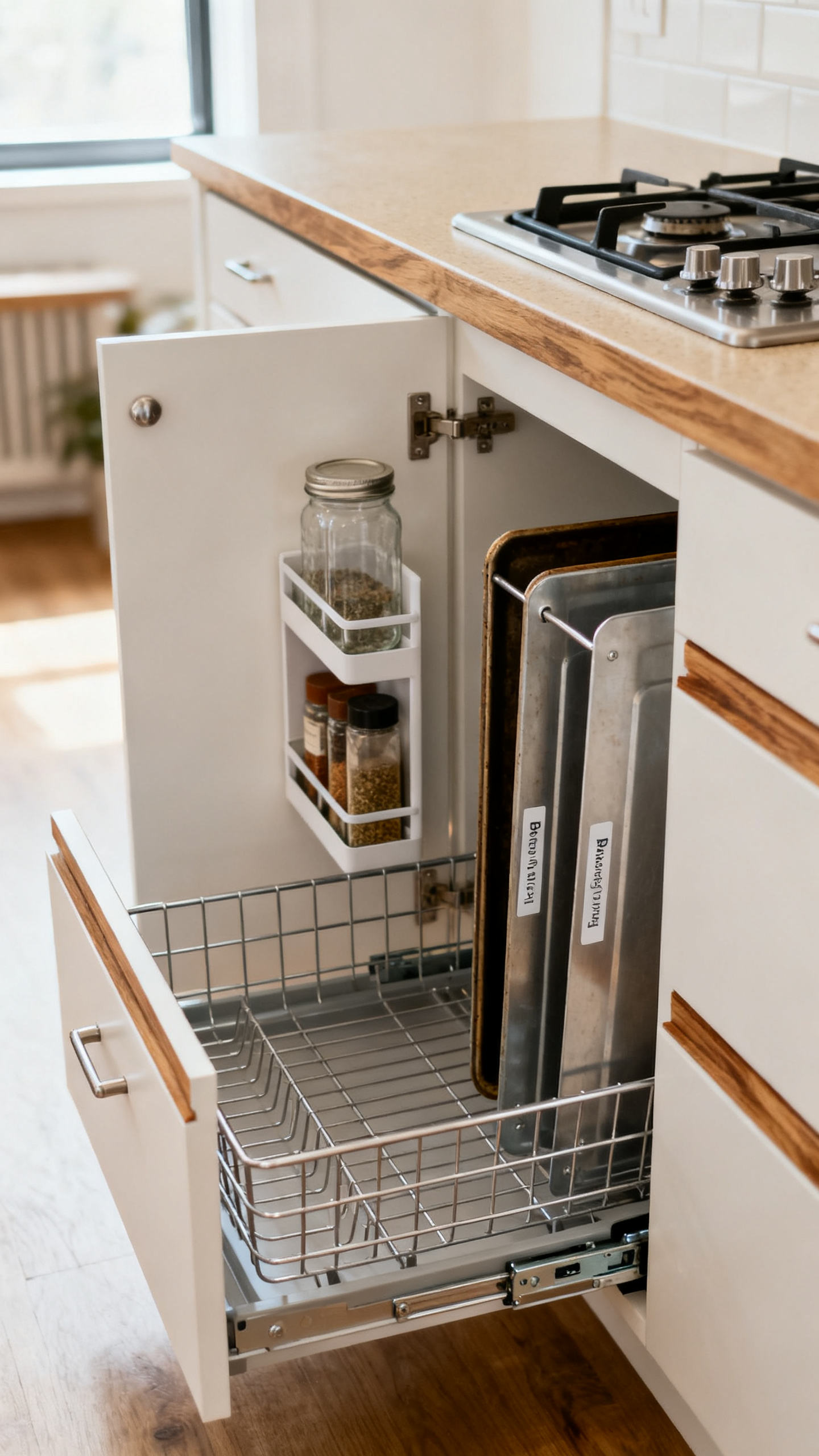
Small-kitchen remodeling should feel like a function upgrade, not just a paint job. Add pull-out trays to lower cabinets so you can reach items without kneeling and digging. Use a narrow pull-out for spices or oils if you have a tight gap (even 6–9 inches can become valuable). A tray divider near the oven keeps baking sheets vertical and easy to grab. For upper cabinets, risers and shelf inserts double usable space for mugs and bowls. These changes are comparatively low-cost, often DIY-friendly, and they make the kitchen feel thoughtfully “redesigned” for daily life.
9) Update floors with durable, budget-friendly materials
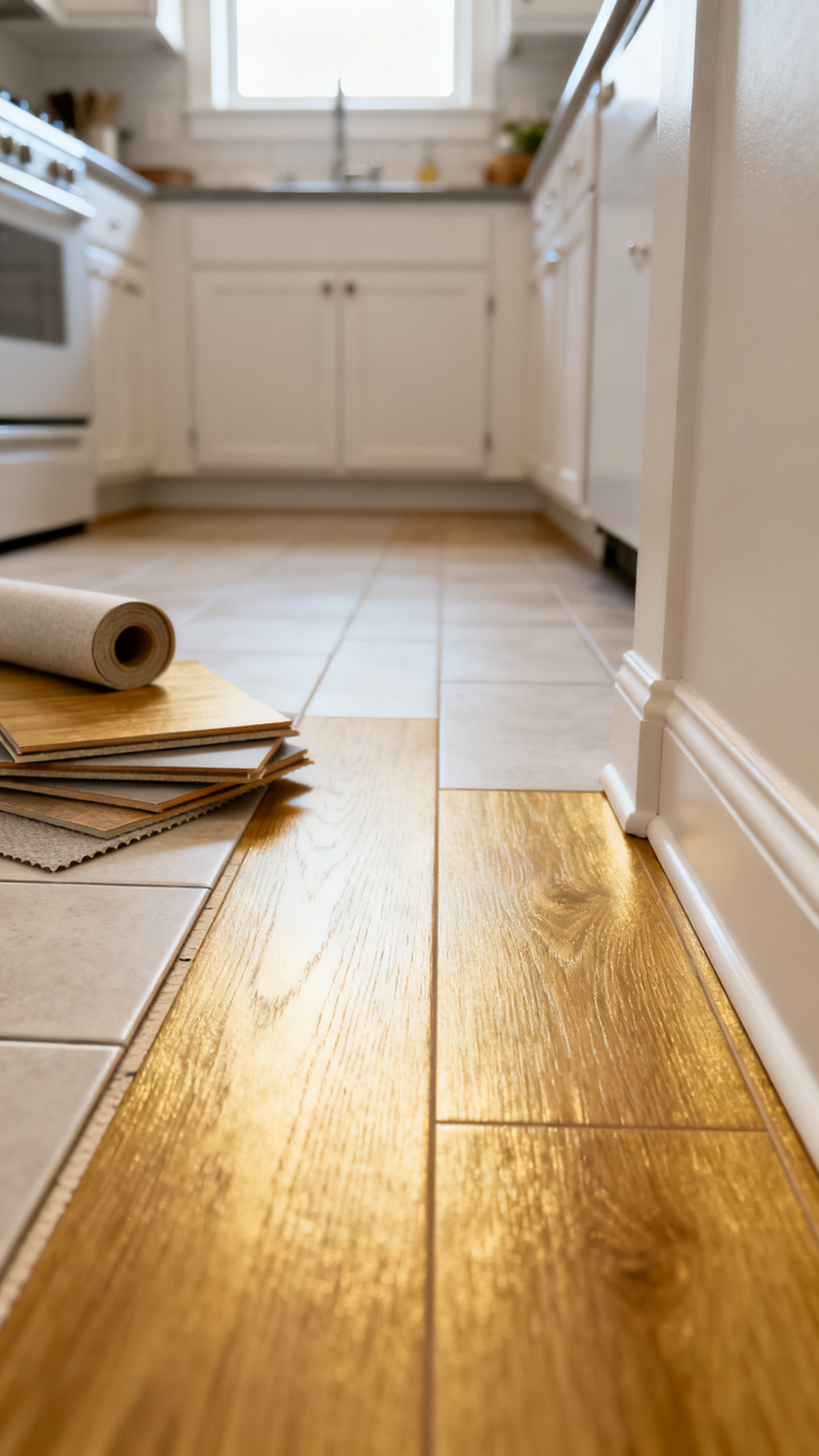
Kitchen floors take the most wear, so choose a material that looks crisp and cleans easily. Luxury vinyl plank (LVP) and luxury vinyl tile (LVT) are popular budget options because they’re water-resistant, comfortable underfoot, and available in modern wood and stone looks. Look for a wear layer around 12–20 mil for better durability in busy kitchens. If you have existing tile that’s structurally fine but dated, some homeowners opt for professional cleaning and grout refresh as a budget reset. Whatever you choose, prioritize a clean transition at doorways and under toe-kicks—those finishing details are what make a budget remodel feel “brand new.”
10) Finish with pro-level details: paint, trim, and a tight palette
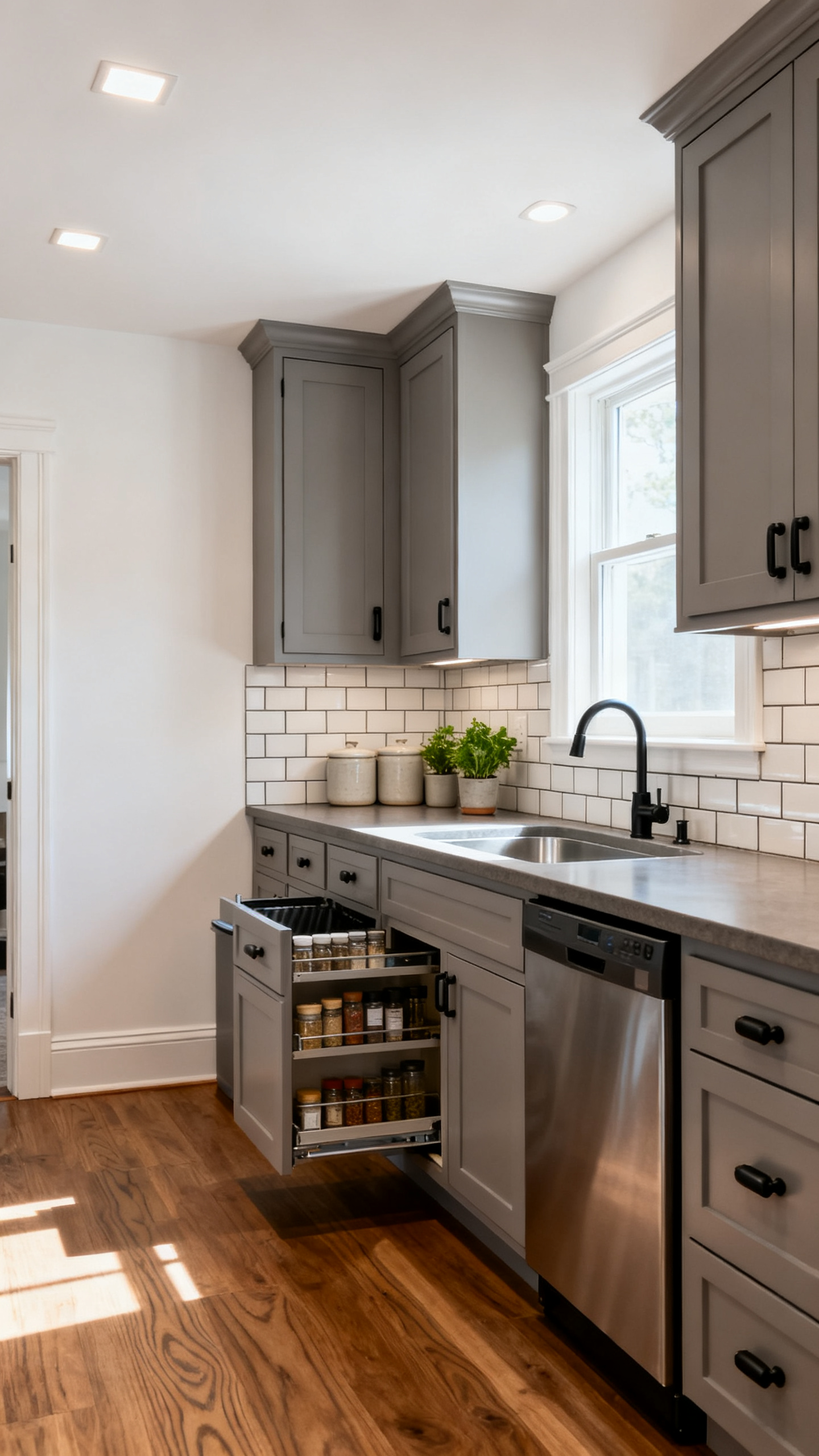
The most convincing budget remodels look intentional from every angle. Use a washable, moisture-resistant wall paint (satin or eggshell is common in kitchens) and keep ceilings and trim crisp for a cleaner, newer feel. If you’re replacing hardware, stick to one finish (matte black, brushed nickel, or brass) to avoid visual clutter in a small space. Consider adding a simple toe-kick trim or end panel where cabinets meet the room—small carpenter-style touches read custom. Finally, keep your palette focused: two to three main finishes (for example, warm white cabinets, light counters, and brushed nickel) will make the kitchen feel cohesive, updated, and genuinely remodeled.
FAQ
What’s the most budget-friendly change that makes a small kitchen feel brand new?
Cabinet paint (or new doors), updated hardware, and improved lighting are the highest “wow per dollar” upgrades. In a small kitchen, these surfaces dominate what you see, so the transformation feels immediate.
Should I keep my existing layout to save money?
Yes, if the layout is functional. Keeping the sink, dishwasher, and range in place usually saves significantly on plumbing, electrical, and patchwork. Put the budget into visible finishes and better storage instead.
How much walkway space do I need in a small kitchen?
Aim for about 36 inches for primary walkways. If two people cook together, 42 inches is more comfortable. Also check appliance door swings so openings don’t collide or block the path.
What countertop material looks upgraded but stays affordable?
Modern laminate (especially matte finishes) can look surprisingly high-end for the price. Butcher block is also budget-friendly and warm, but it needs regular sealing and extra care around water.
Is a backsplash worth it on a tight remodeling budget?
Yes—because it’s a relatively small area with big visual impact. Even a simple tile choice installed neatly, with clean grout lines and finished edges, makes the whole kitchen look newer and more complete.