
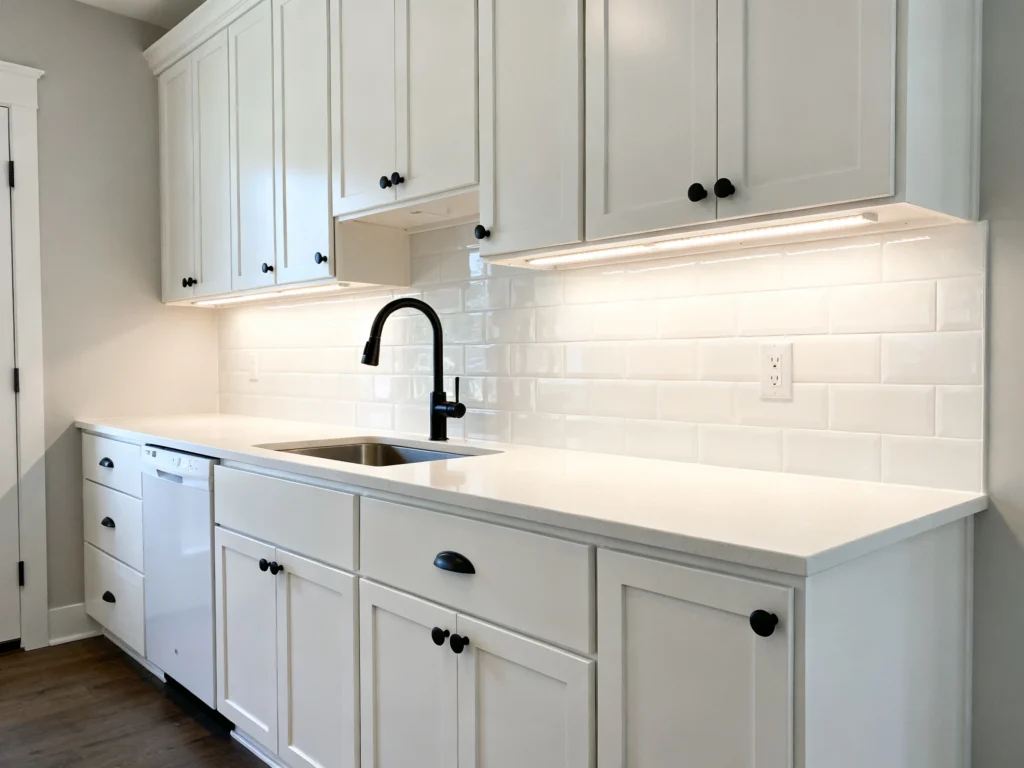
Small Kitchen Remodeling Ideas on a Budget With Big Impact
Small kitchens can feel limiting, but a smart, budget-friendly remodel can make them look larger, work harder, and feel more current—without moving walls. The key is choosing upgrades that change function and sightlines, not just styling.
Below are 10 practical, high-impact ideas that focus on the realities of small-kitchen layouts: clearance, storage, lighting, and finishes that survive daily use.
1) Paint Cabinets (Instead of Replacing Them)
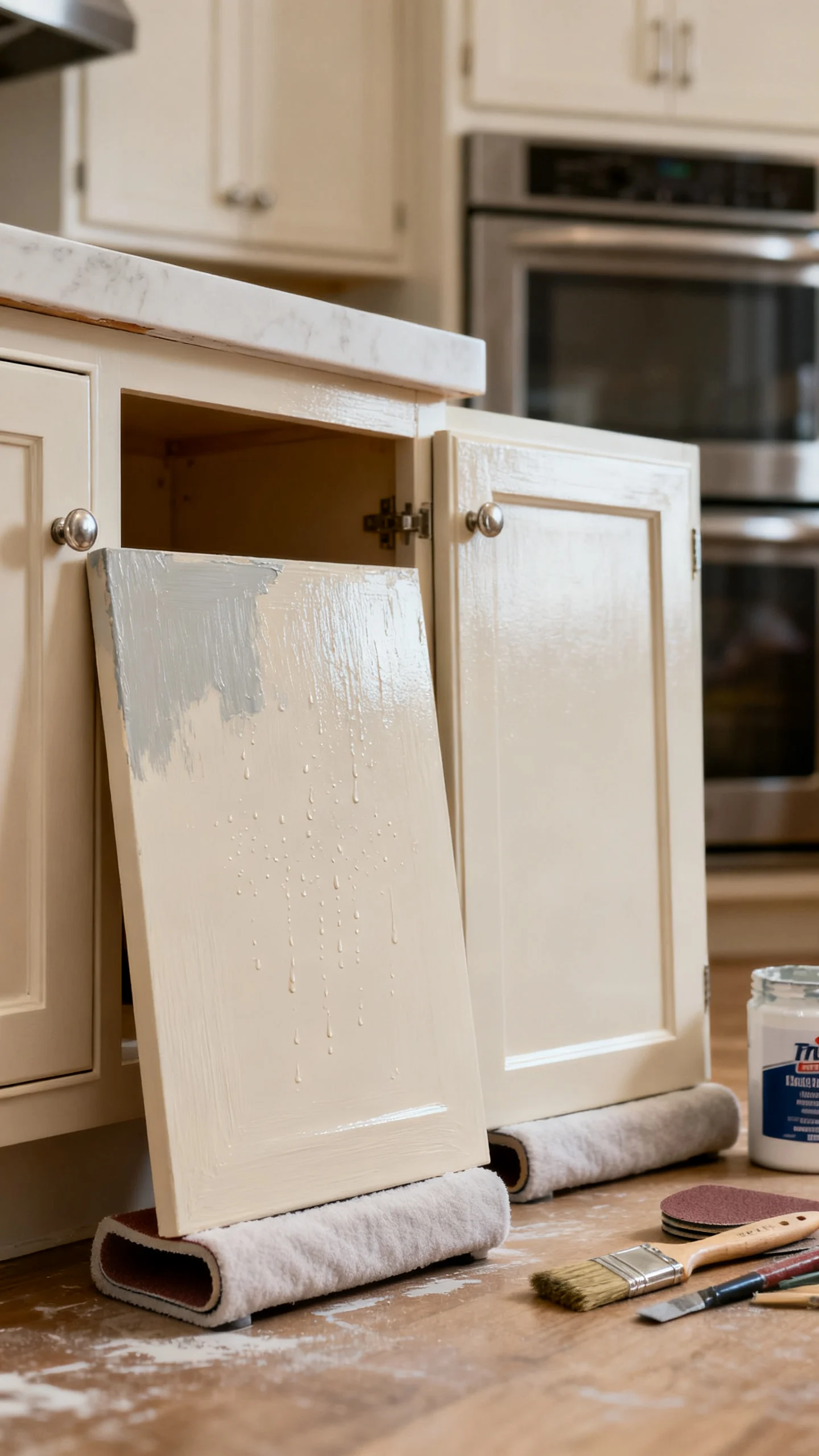
Replacing cabinets is often the biggest budget line—so keep your boxes and upgrade the finish. Clean and de-grease thoroughly (especially around the range), scuff-sand, then use a bonding primer designed for slick surfaces. A cabinet-grade enamel (waterborne alkyd or urethane enamel) levels better and resists scuffs. For small kitchens, lighter cabinet colors can bounce light and visually “open” the run of cabinetry, while a darker island (if you have one) adds contrast without shrinking the whole room. Swap tired hinges only if they’re loose or mismatched; otherwise, spend on paint and prep for the best durability.
2) Upgrade Hardware for a Fast, Measurable Refresh
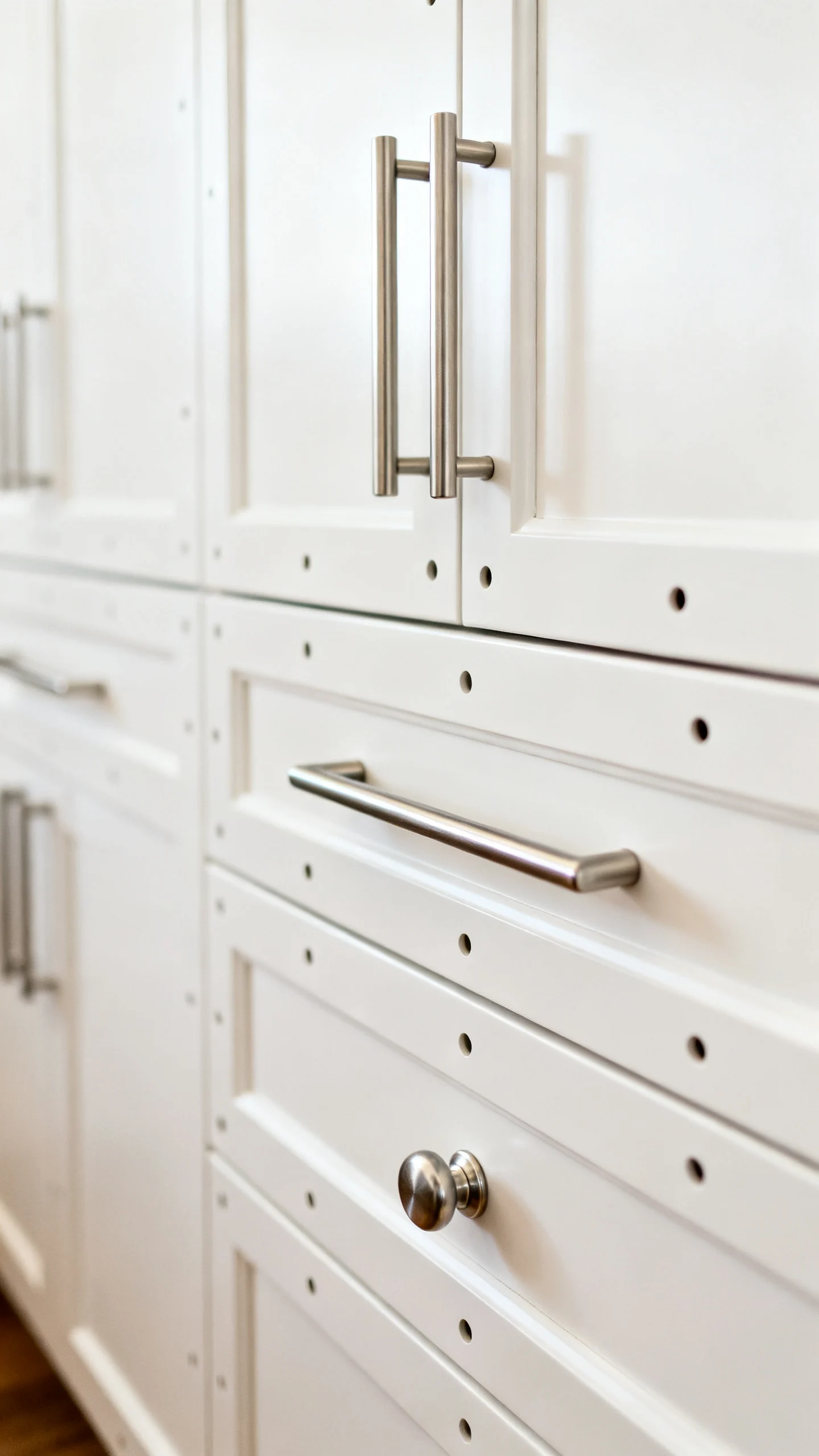
New pulls and knobs instantly modernize cabinetry and improve daily ergonomics. Stick with consistent center-to-center sizing so you don’t have to drill new holes; common pull sizes are 3 inches and 5-1/16 inches. In a small kitchen, choose hardware that’s comfortable but not bulky—thin bar pulls or simple arches reduce visual clutter. Matte black, brushed nickel, and champagne bronze are popular, but the most “budget-friendly” choice is the finish that matches what you already have (faucet, lighting, or appliances) so you don’t feel forced into other replacements.
3) Add Under-Cabinet Lighting to Eliminate Shadows
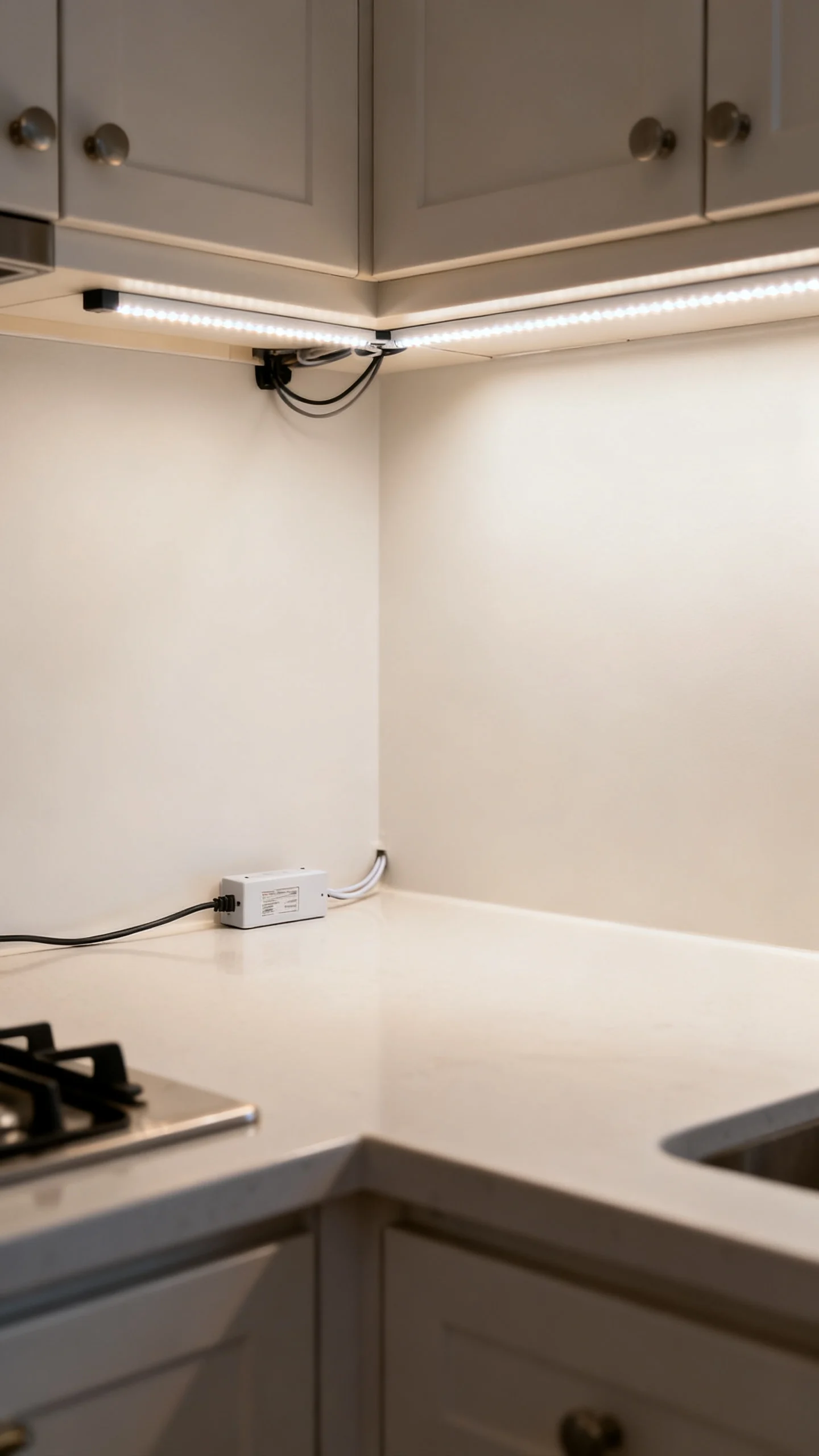
Good lighting makes a small kitchen feel larger and more expensive. Under-cabinet LED strips or puck lights brighten counters where you prep, and they reduce the shadowy “cave” effect created by upper cabinets. Look for high CRI (90+) for accurate food color and a warm-neutral temperature (2700K–3000K) for a welcoming glow. Plug-in kits are the easiest budget option; hardwired can look cleaner if you’re already opening walls. Place lighting toward the front underside of the cabinet (not the back) so the counter is evenly lit, and use a diffuser for dot-free illumination.
4) Choose a Budget Backsplash That Reads Custom
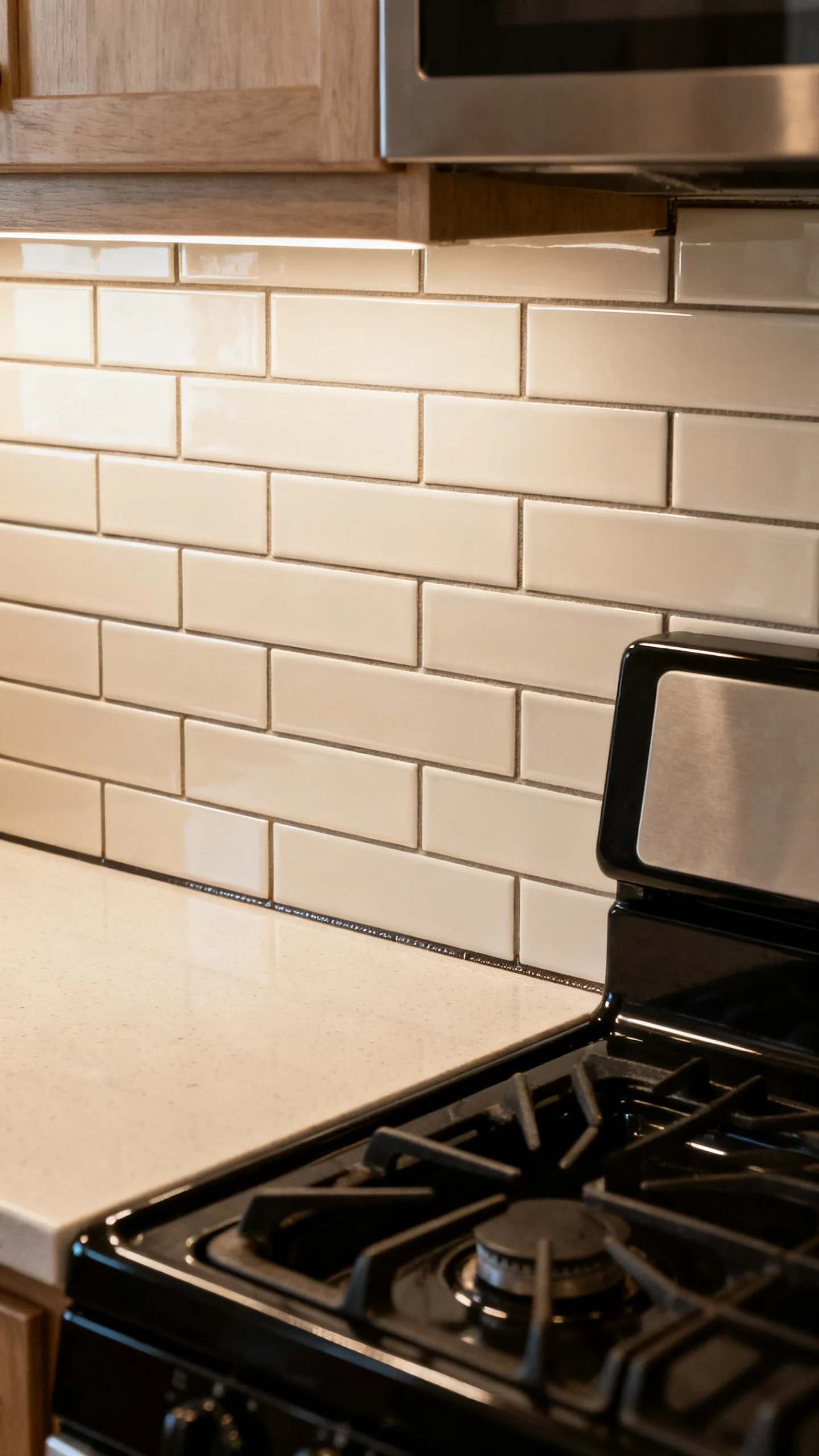
A backsplash is a small surface area with big visual payoff. Classic ceramic subway tile is affordable, easy to clean, and timeless; larger-format tiles reduce grout lines (less cleaning) and can look more seamless in tight spaces. If you need the lowest-cost route, peel-and-stick can work in low-heat, low-moisture zones, but avoid it right behind a powerful gas range unless the product is rated for heat. For a “custom” look on a budget, run tile to the underside of uppers, keep grout lines tight, and use a grout color close to the tile to minimize visual busyness in a small footprint.
5) Install a Pull-Out Trash and Recycling Cabinet
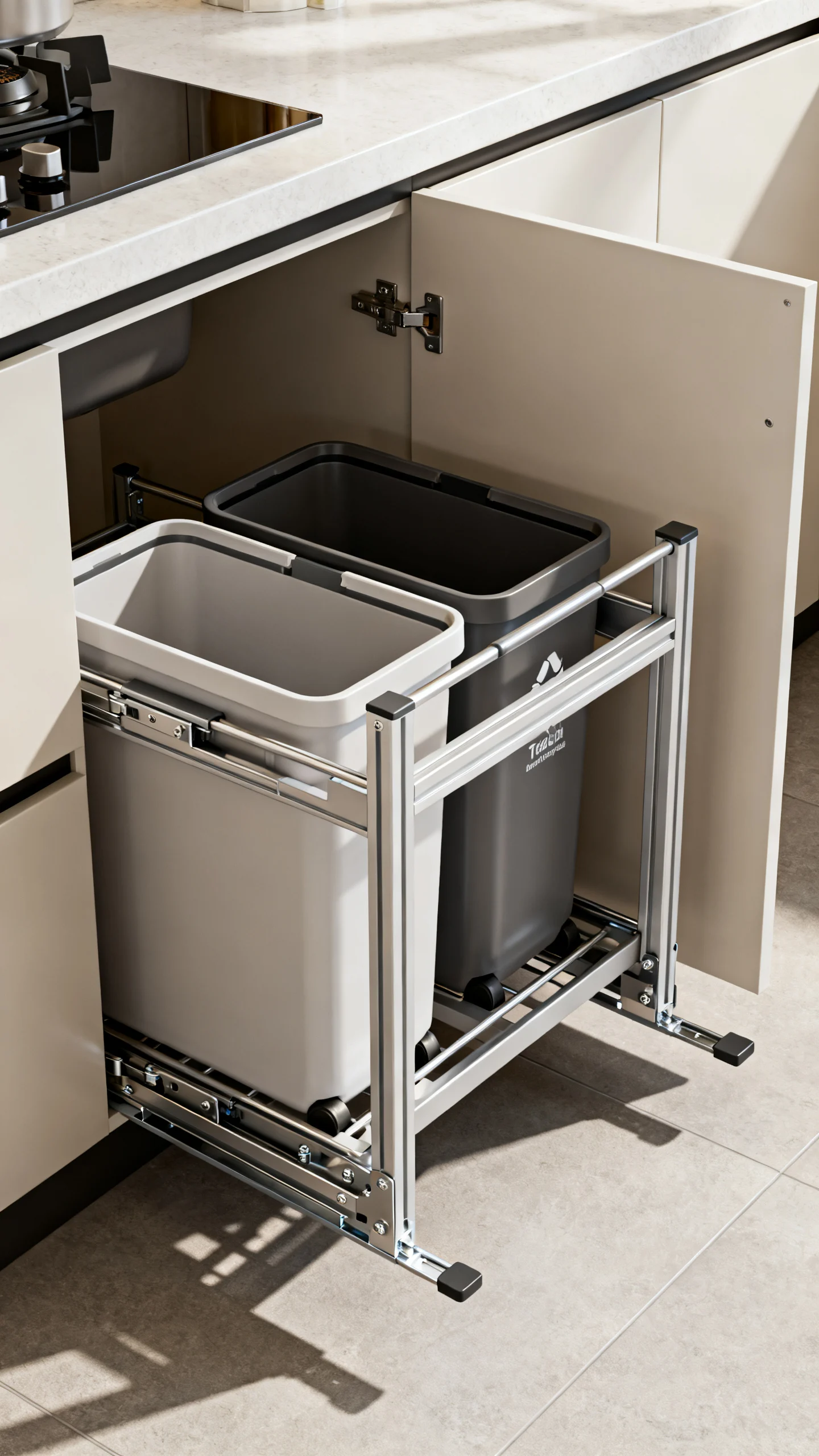
Small kitchens feel cramped when the trash is always in the way. A pull-out trash system inside a base cabinet frees floor space and creates a cleaner workflow. Measure the inside width, depth, and height of your cabinet (accounting for hinges and door hardware), then choose a frame that fits without rubbing. Many systems work best in a 12-inch or 15-inch base cabinet. For comfort, place the pull-out near the prep zone (often between sink and cooktop) so you can scrape and toss without crossing the room.
6) Replace the Faucet (And Keep the Existing Sink If It’s Sound)
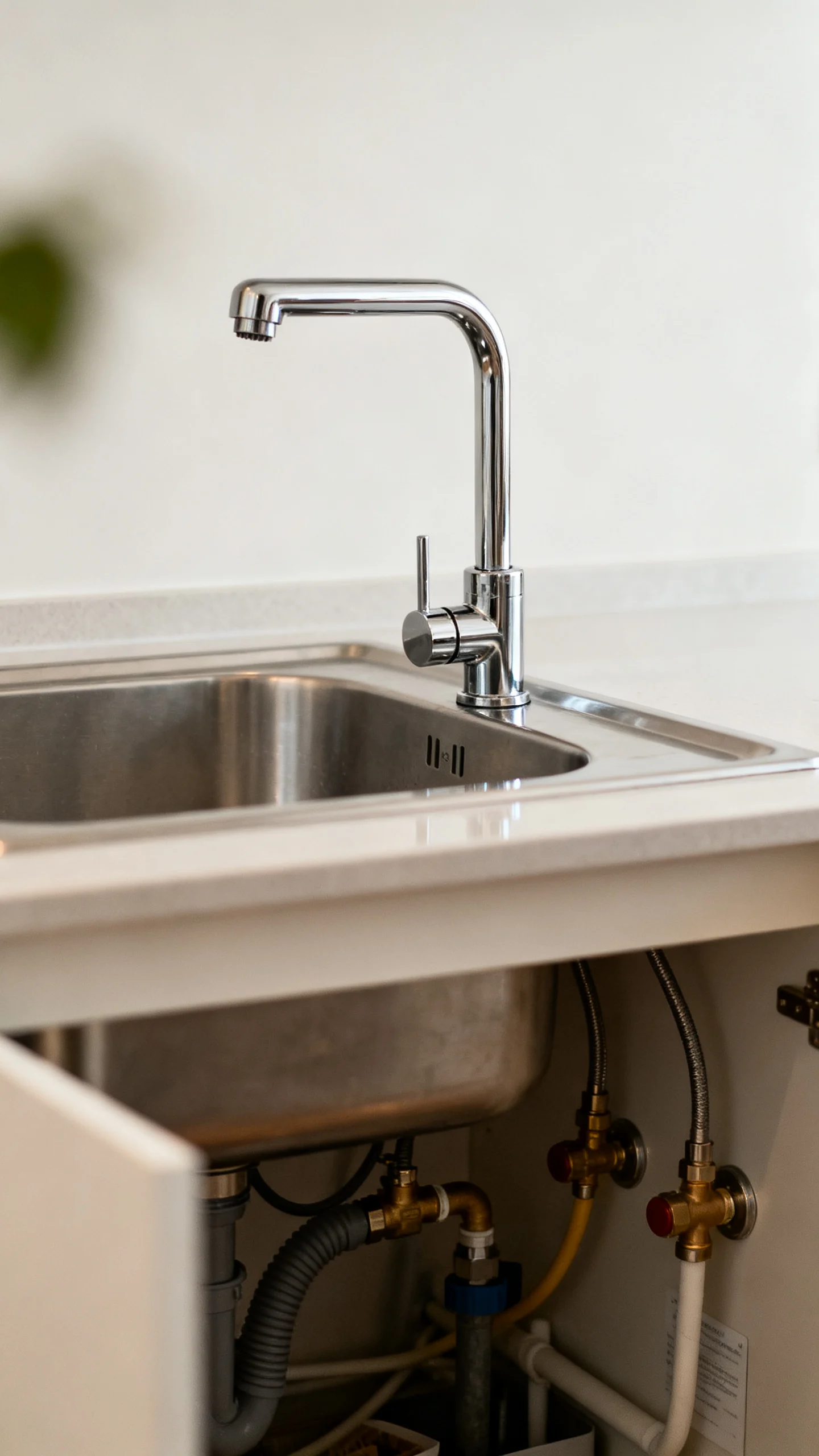
Swapping a faucet is one of the highest “impact per dollar” plumbing upgrades. In a small kitchen, consider a pull-down sprayer with a compact, high-arc profile that still clears tall pots. Check your sink’s hole configuration (single-hole vs. 3-hole) before buying; an escutcheon plate can cover extra holes if you want a single-handle faucet. Choose a finish that hides water spots (brushed finishes typically do better than polished). If your sink is in good shape, keep it—sink replacement often triggers countertop modifications, which can quickly inflate costs.
7) Refresh Countertops Strategically (Overlay or Value Materials)
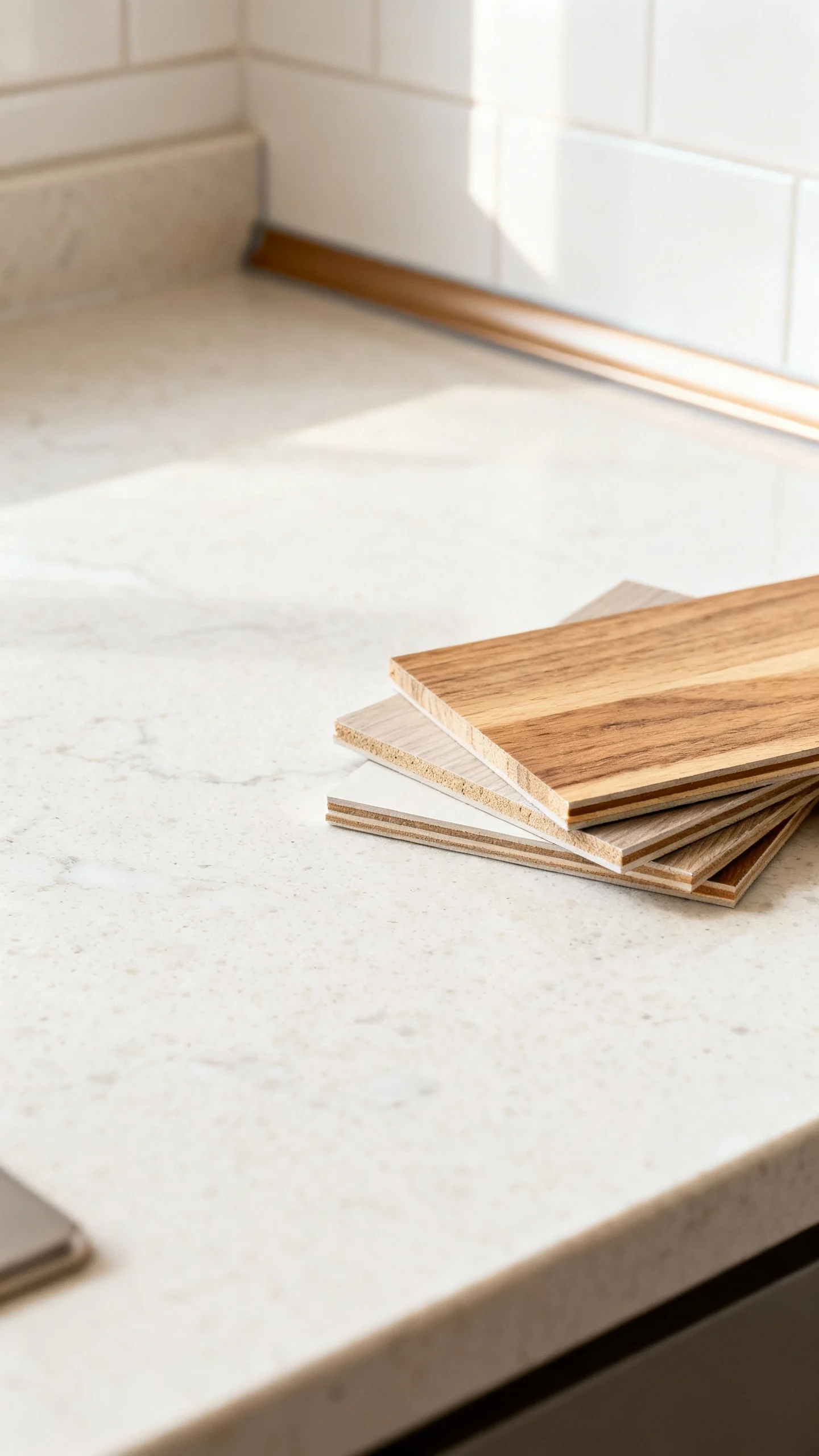
Countertops can transform a small kitchen, but full replacement isn’t always necessary. If your existing counters are laminate and structurally sound, some homeowners use countertop refinishing kits for a short-term refresh; durability varies, so read reviews and commit to careful prep. For replacement on a budget, look at entry-level quartz, butcher block, or new laminate with a modern edge profile. Butcher block is warm and forgiving in a small space, but it needs periodic oiling and extra care around the sink. If you cook a lot, prioritize heat and stain resistance; if you entertain more than you cook, prioritize the look you love most.
8) Improve Storage With Roll-Out Shelves and Vertical Dividers
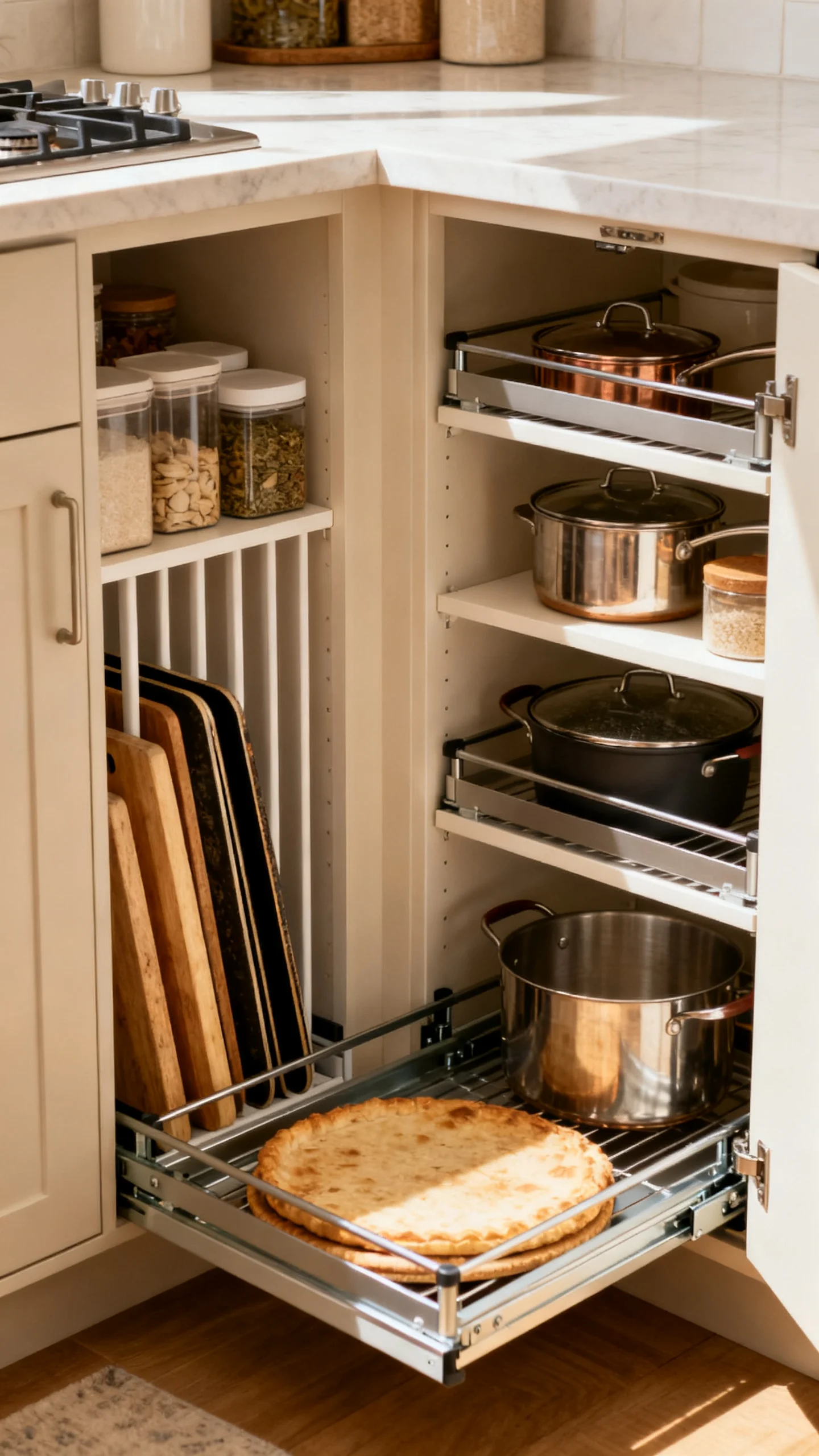
In small kitchens, better storage is often more valuable than more storage. Add roll-out shelves to base cabinets so you can access items without kneeling and digging; choose full-extension slides rated for the weight you’ll store (pots and appliances add up). Install vertical dividers for baking sheets and cutting boards so they stand upright instead of stacking. For tight clearance, measure door openings and face-frame restrictions—some roll-outs need a slightly narrower tray to glide smoothly without hitting hinges.
9) Replace One “Problem” Appliance for Function (Not a Full Suite)
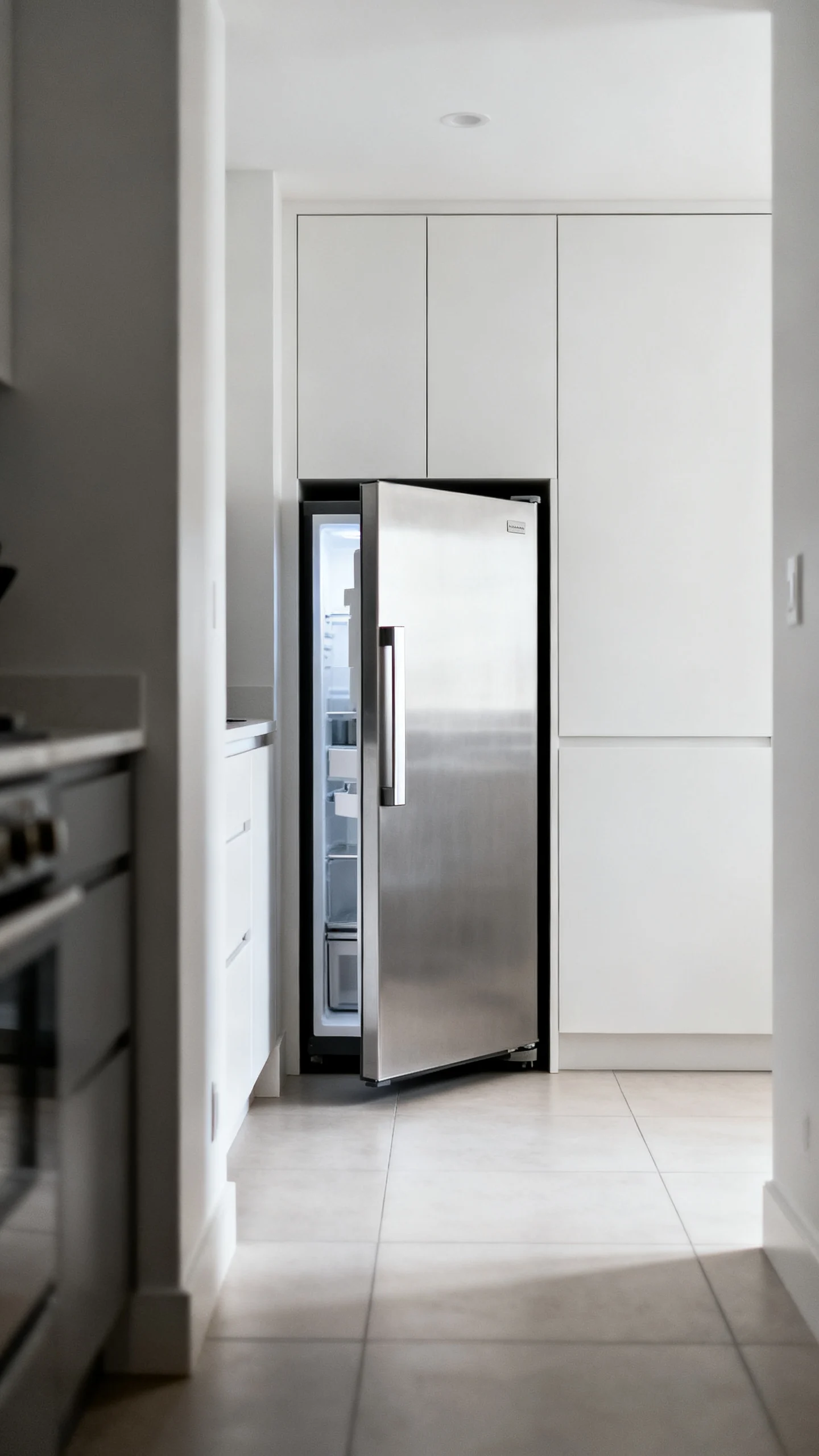
Budget remodels don’t require matching appliance sets. Replace the appliance that’s hurting your layout the most: a too-deep fridge that blocks a walkway, a loud dishwasher, or a range that doesn’t vent well. In small kitchens, counter-depth refrigerators can dramatically improve circulation, especially in galley layouts—aim for comfortable pathways of about 36 inches where possible, and avoid creating pinch points near door swings. Also measure door clearance: fridge and dishwasher doors should open without colliding or trapping you between them.
10) Upgrade Ventilation and the Range Area for a Cleaner, Brighter Kitchen
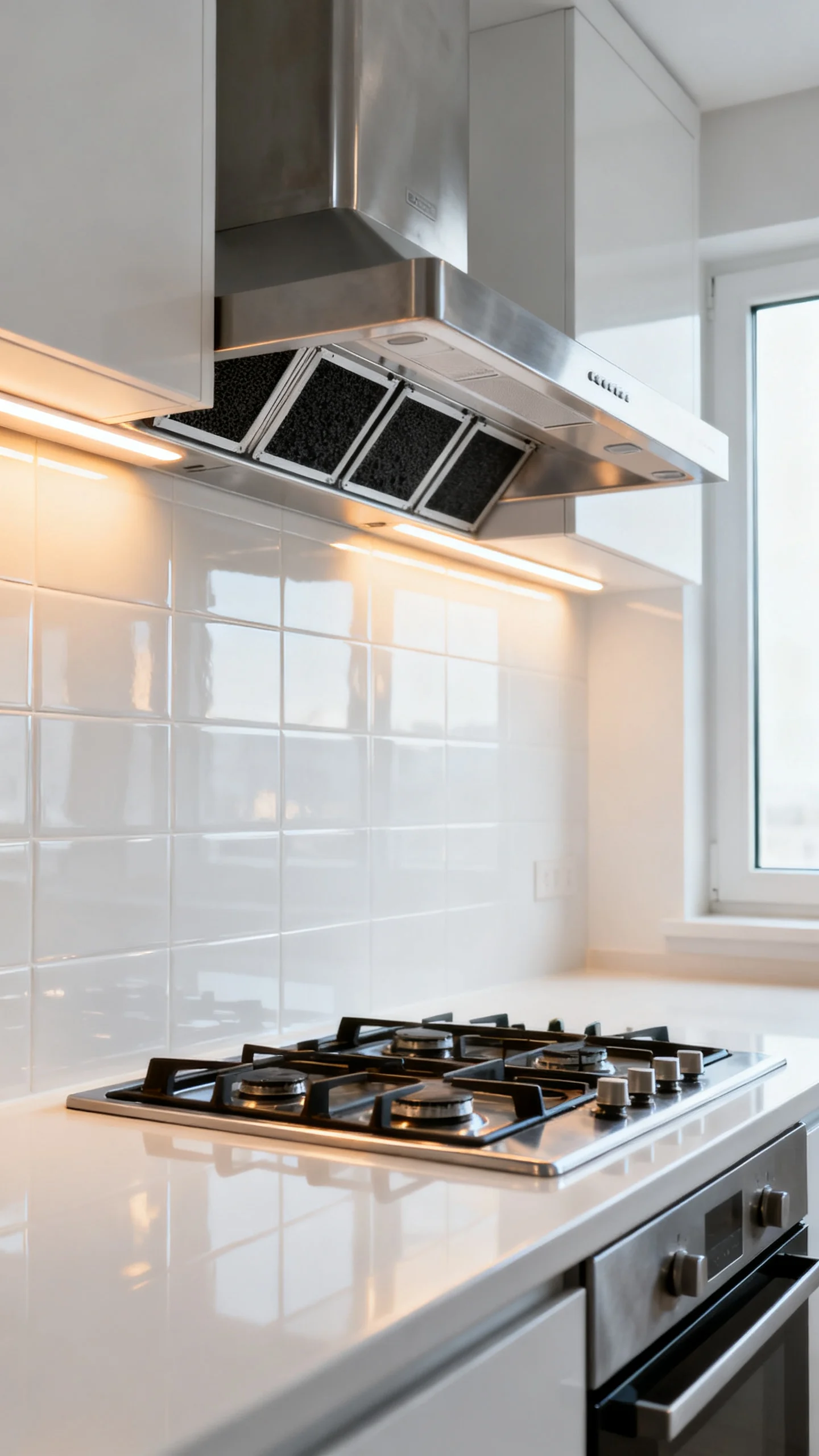
Better ventilation is a remodeling move that improves daily life—less odor, less grease, and less lingering humidity. If you have a recirculating microwave hood, consider upgrading filters or switching to a more effective vented hood if ducting is feasible. Even a simple, budget-friendly hood with good capture and an easy-to-clean underside can elevate the entire cooking wall. While you’re there, use a wipeable backsplash and heat-safe materials behind the range to make cleanup quicker—small kitchens benefit from anything that reduces visual and physical “mess.”
FAQ
What’s the best budget remodel change for a small kitchen?
Cabinet paint plus new hardware is often the biggest visual upgrade for the least cost, especially when paired with improved lighting. It changes the largest surfaces in the room without demolition.
How can I make a small kitchen feel bigger without removing walls?
Prioritize brighter, layered lighting (including under-cabinet lights), lighter cabinet finishes, and reducing visual clutter (simpler hardware, fewer grout lines, cleaner counters). Also consider a counter-depth fridge to improve circulation.
Is peel-and-stick backsplash a good idea for a remodel?
It can be a budget-friendly option for low-heat areas, but check heat and moisture ratings and avoid using it where high temperatures or steam are constant. For longevity near a range, tile is usually the safer bet.
Should I replace countertops or paint/refinish them?
If your counters are structurally sound and you need a temporary refresh, refinishing can work—but durability depends heavily on prep and product quality. If you want a longer-term result, consider value materials like laminate, entry-level quartz, or butcher block (with proper maintenance).
What small-kitchen measurement should I pay attention to most during a budget remodel?
Clearance and door swings. Measure walkways (aiming for about 36 inches when possible), and ensure the fridge, dishwasher, and cabinet doors can open without collisions—small layout issues can make an otherwise beautiful remodel frustrating to use.