
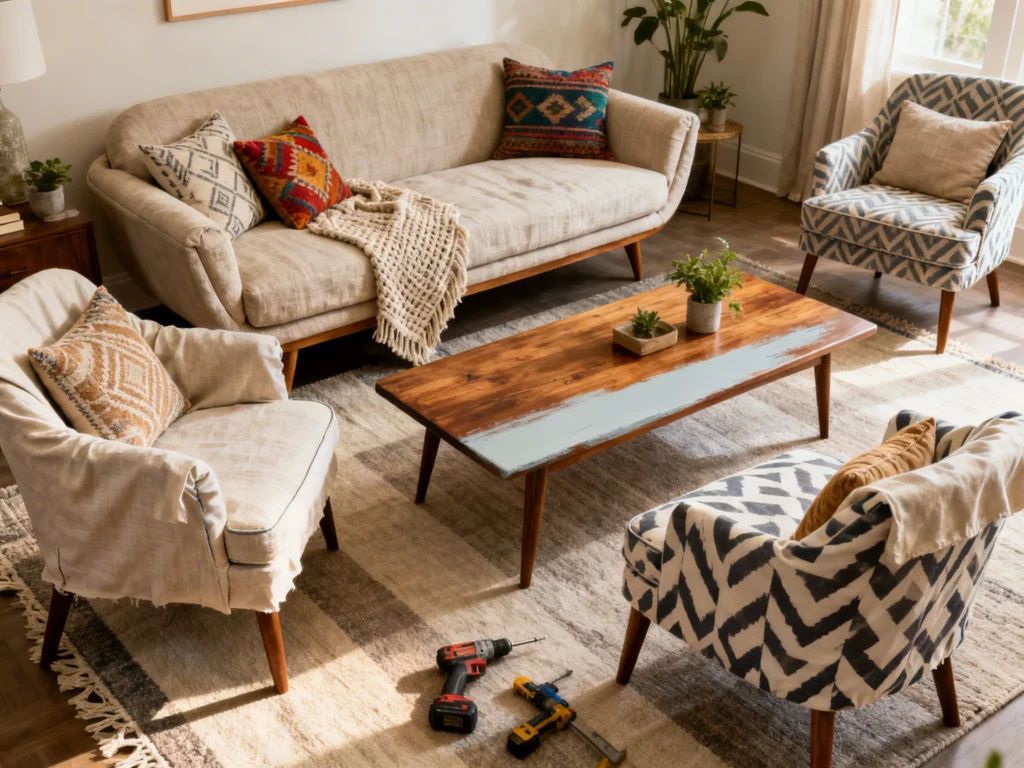
Furniture Remodeling on a Budget That Looks Custom
Want that “ordered it from a boutique studio” look without the boutique price tag? Furniture remodeling on a budget can feel surprisingly custom when you focus on finish, color, and styling—aka the details that photograph beautifully and make a piece look intentional.
These tips are designed for high-impact, low-stress upgrades that lean decor-first: think fresh surfaces, elevated texture, and a styled final reveal that looks like it belongs in a magazine.
1) Choose a Signature Paint Color (and Commit)
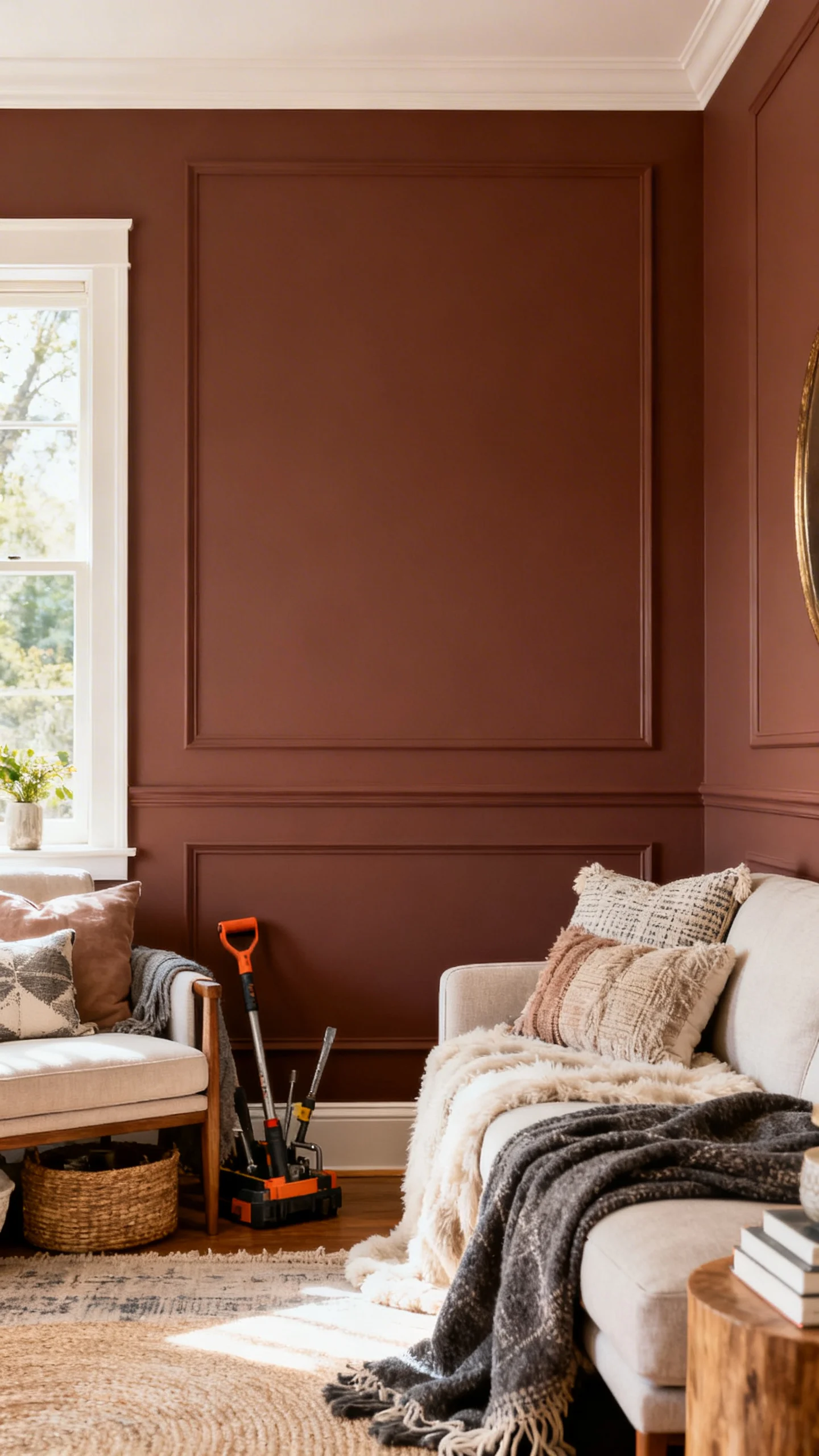
The fastest way to make budget furniture feel custom is to pick a “you” color and use it like a designer would—confidently. Picture a vintage dresser in inky navy with creamy walls behind it, or a warm greige console that blends seamlessly into a calm, neutral room.
Try this: Choose one elevated shade (moody charcoal, olive, dusty rose, or soft mushroom) and repeat it elsewhere in the room with a pillow, art mat, or vase. Finish the look with one contrasting accent—brass-toned decor, a black lamp, or a pale stone tray.
2) Create a Two-Tone Moment for Instant “Custom Built-In” Energy
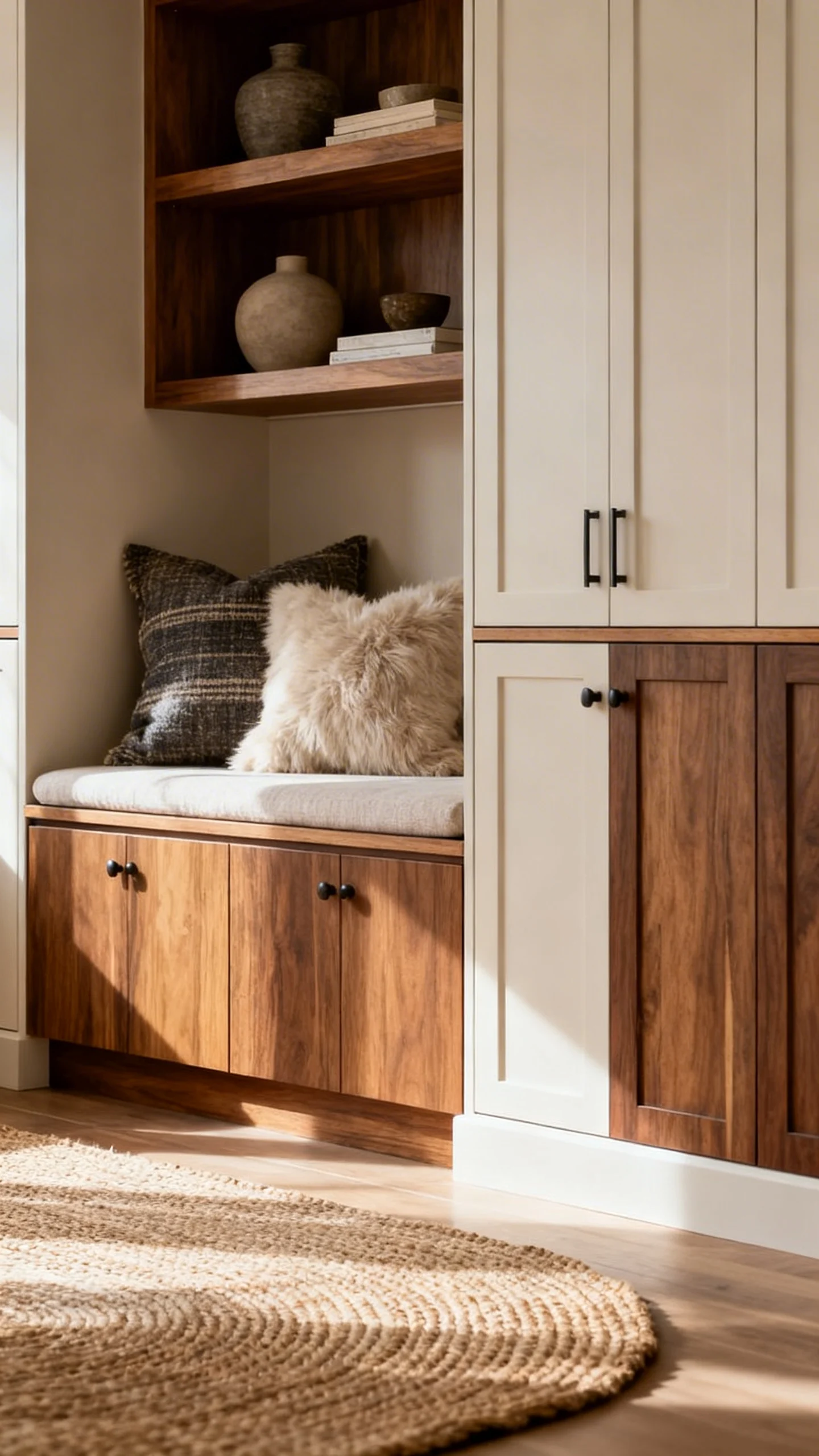
Two-tone furniture reads intentional and tailored—like it was made for the space. Imagine a sideboard with a creamy body and a deeper, grounded base, or a nightstand with a soft neutral frame and darker drawer fronts for subtle dimension.
Try this: Keep one portion light (warm white, oatmeal, pale taupe) and one portion moody (espresso, deep green, blackened blue). Then style the top with a single vertical element (a lamp or vase with branches) plus one low, glossy object (a lacquered box or candle) for a layered, editorial finish.
3) Add “Quiet Luxury” Texture with Cane, Rattan, or Linen-Look Panels
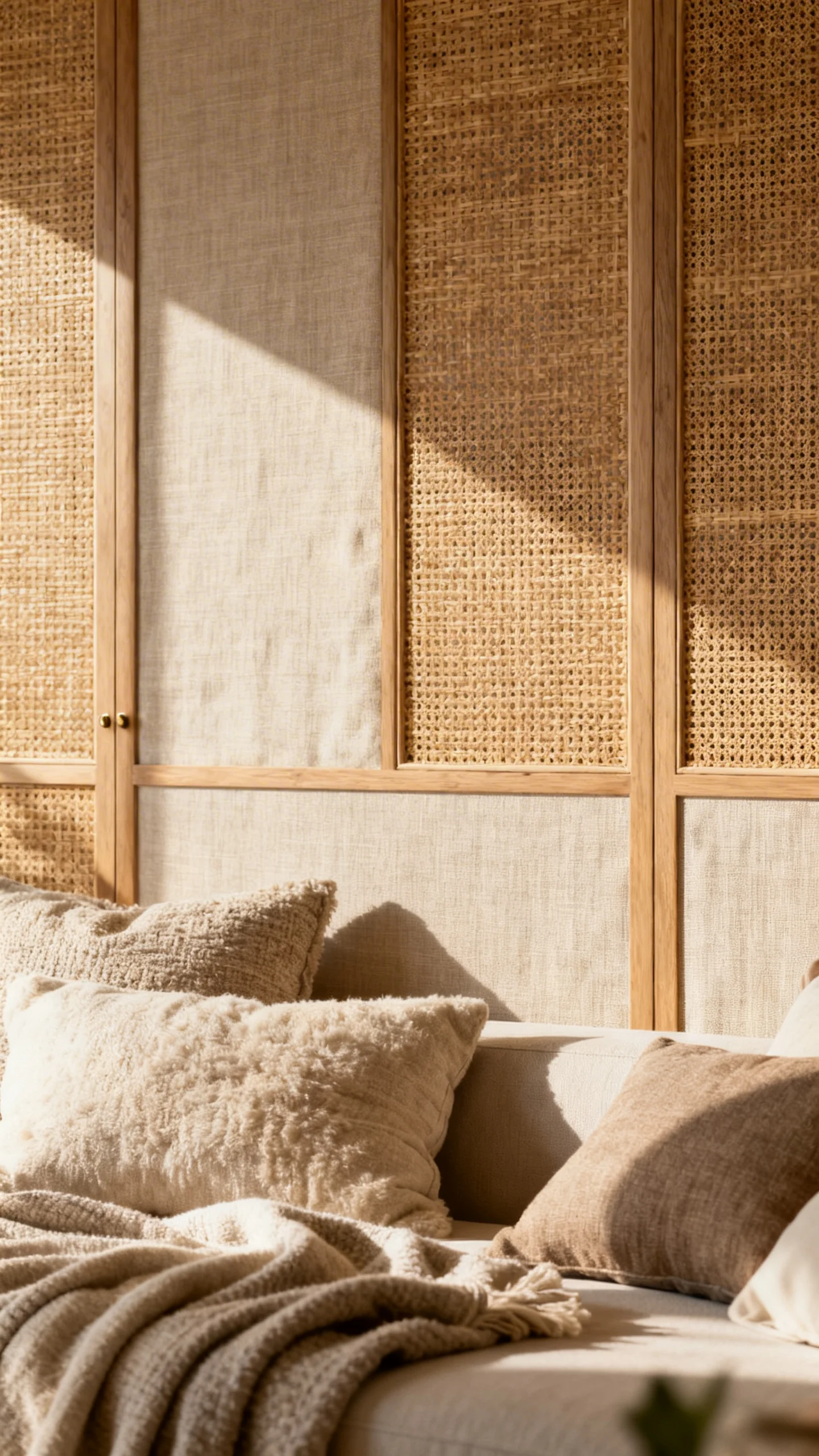
Texture is the secret weapon of custom-looking furniture. A basic cabinet becomes boutique the moment it gets a breezy cane insert or a linen-look panel—suddenly it feels collected, not generic. The vibe: coastal-calm, vintage-European, or modern organic depending on your styling.
Try this: Add one textured detail (cane webbing, rattan sheet, or linen-look peel-and-stick) to a focal area like door fronts or drawer faces. Balance it with smooth styling—ceramic, glass, or a sleek lamp—so it looks curated rather than crafty.
4) Use Peel-and-Stick Wallpaper to “Line” the Piece Like a Designer
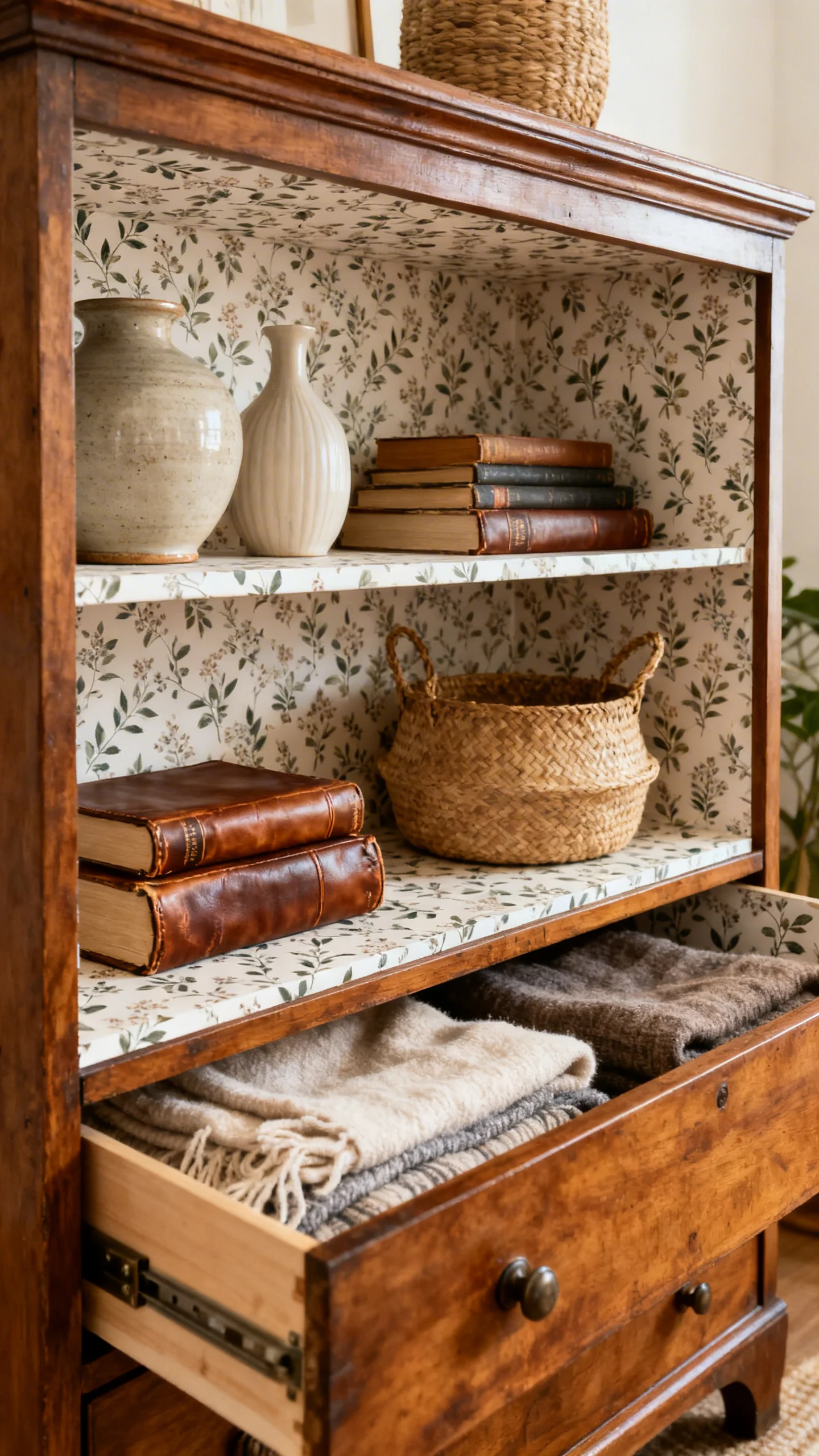
Wallpaper isn’t just for walls. Lining the back of a bookcase, the interior of a cabinet, or the drawer bottoms gives you that custom detail people associate with high-end brands. Think soft botanical prints, tiny gingham, or a tonal grasscloth look that adds depth without shouting.
Try this: Choose a pattern that matches your room’s palette (cream + sage, black + tan, blush + warm white). Then style the shelves with fewer, bigger pieces: stacked books, a bowl, and one framed photo for a clean, expensive feel.
5) Faux a Stone or Marble Top for a Boutique Console Look
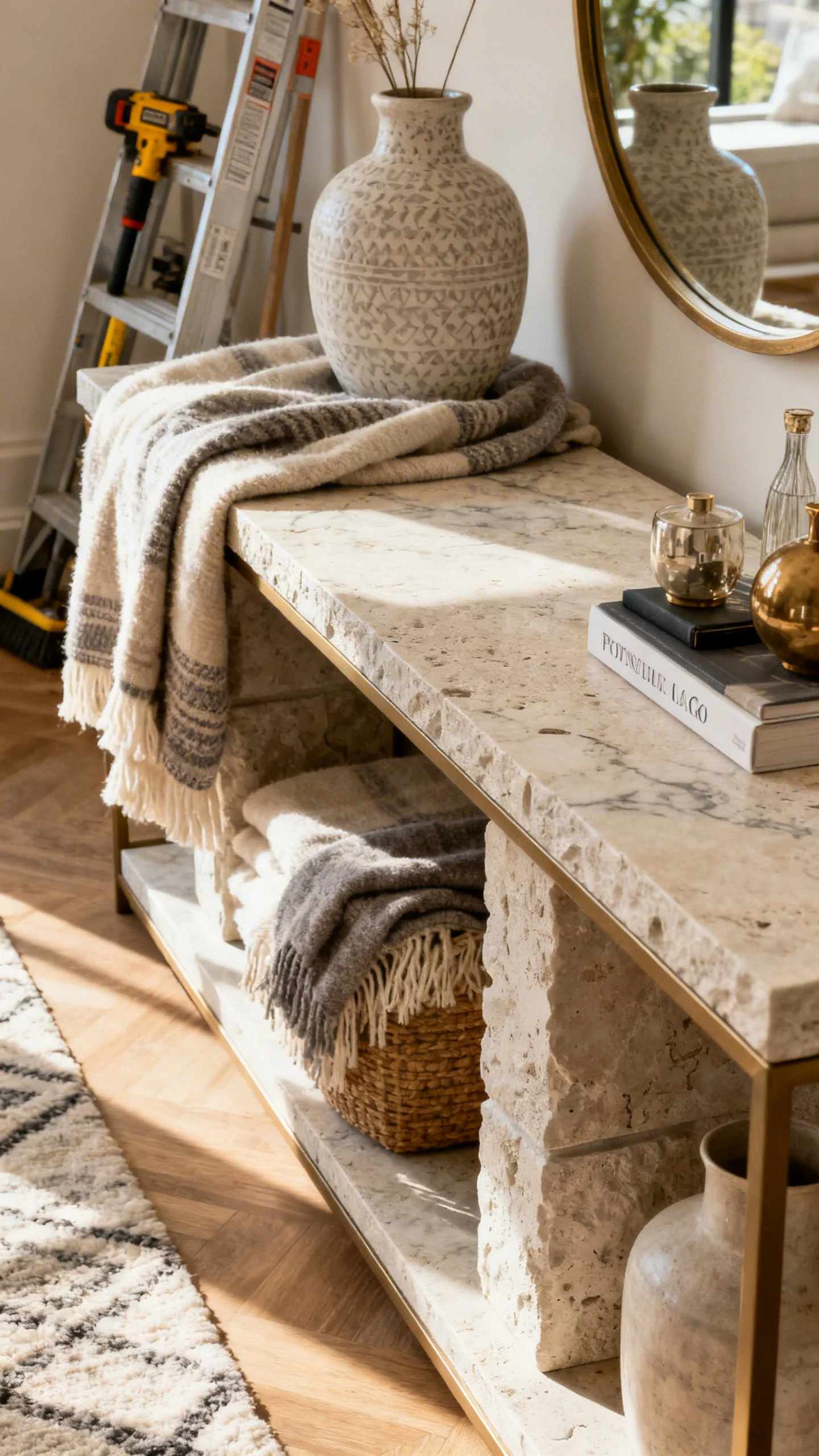
A stone-topped piece instantly reads luxe—like a custom console in a design showroom. You can get a similar vibe on a budget by creating the illusion of a marble, travertine, or soapstone surface. The goal is a soft, believable finish that complements your room’s undertones.
Try this: Pick one stone style (warm travertine for cozy neutrals, crisp marble for airy rooms, dark stone for modern drama). Complete the “custom” story with styling: a sculptural bowl, a small stacked book moment, and a simple vase—keep it minimal so the surface feels special.
6) Upgrade the Silhouette with Legs (or a “Floating” Visual)
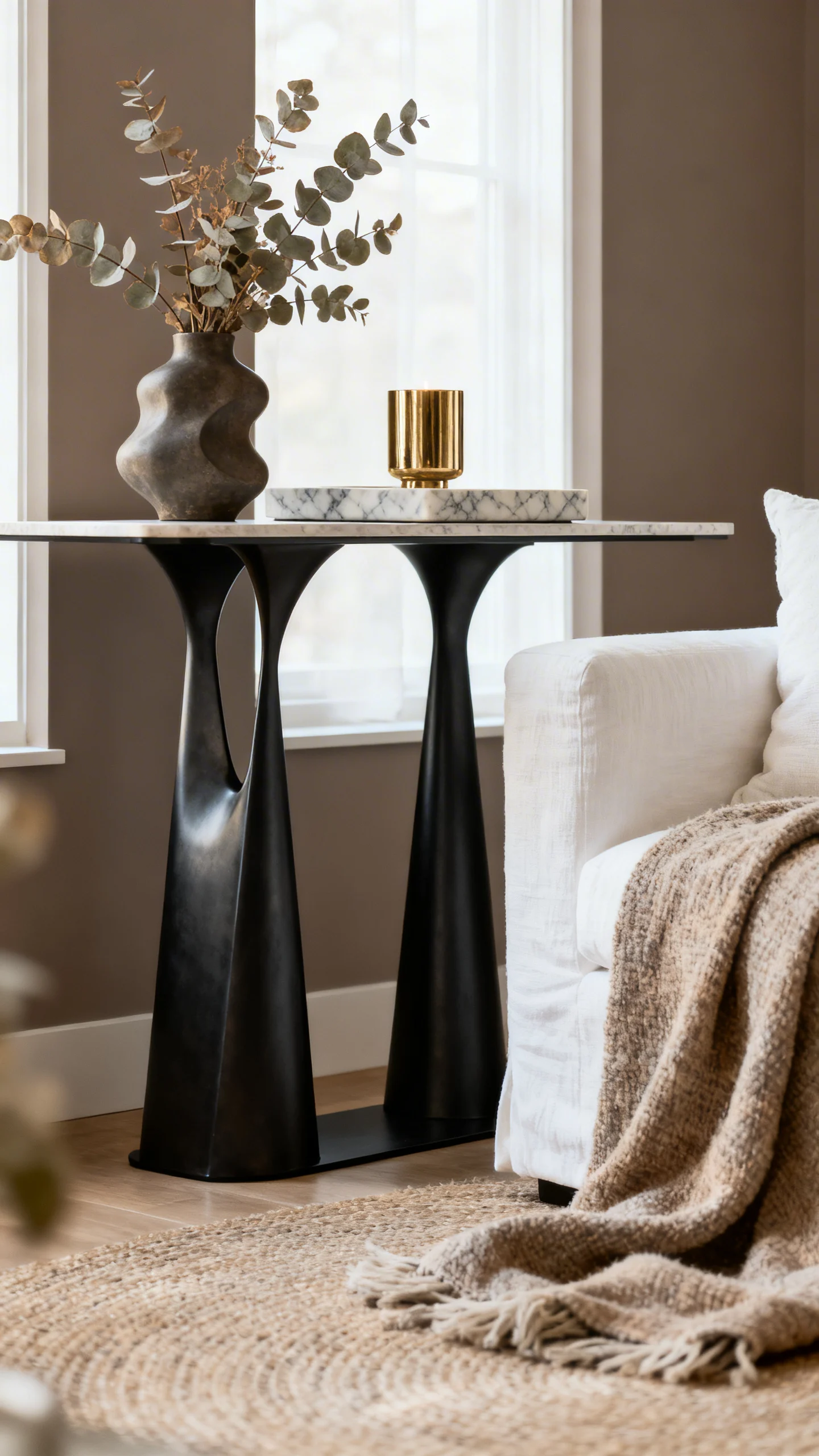
Most budget furniture looks budget because it sits heavy and low. When a piece looks lifted, it feels more designer—lighter, more intentional, more “made.” Even the suggestion of a floating effect can modernize an older piece instantly.
Try this: Aim for a taller, airier stance visually: place the piece on a slightly larger rug that frames it, and keep the floor styling clean (one basket or one plant max). Add a long, drapey curtain panel nearby to emphasize vertical lines and make the whole corner feel elevated.
7) Make It Look Built-In with Paint-Matched Styling Around It
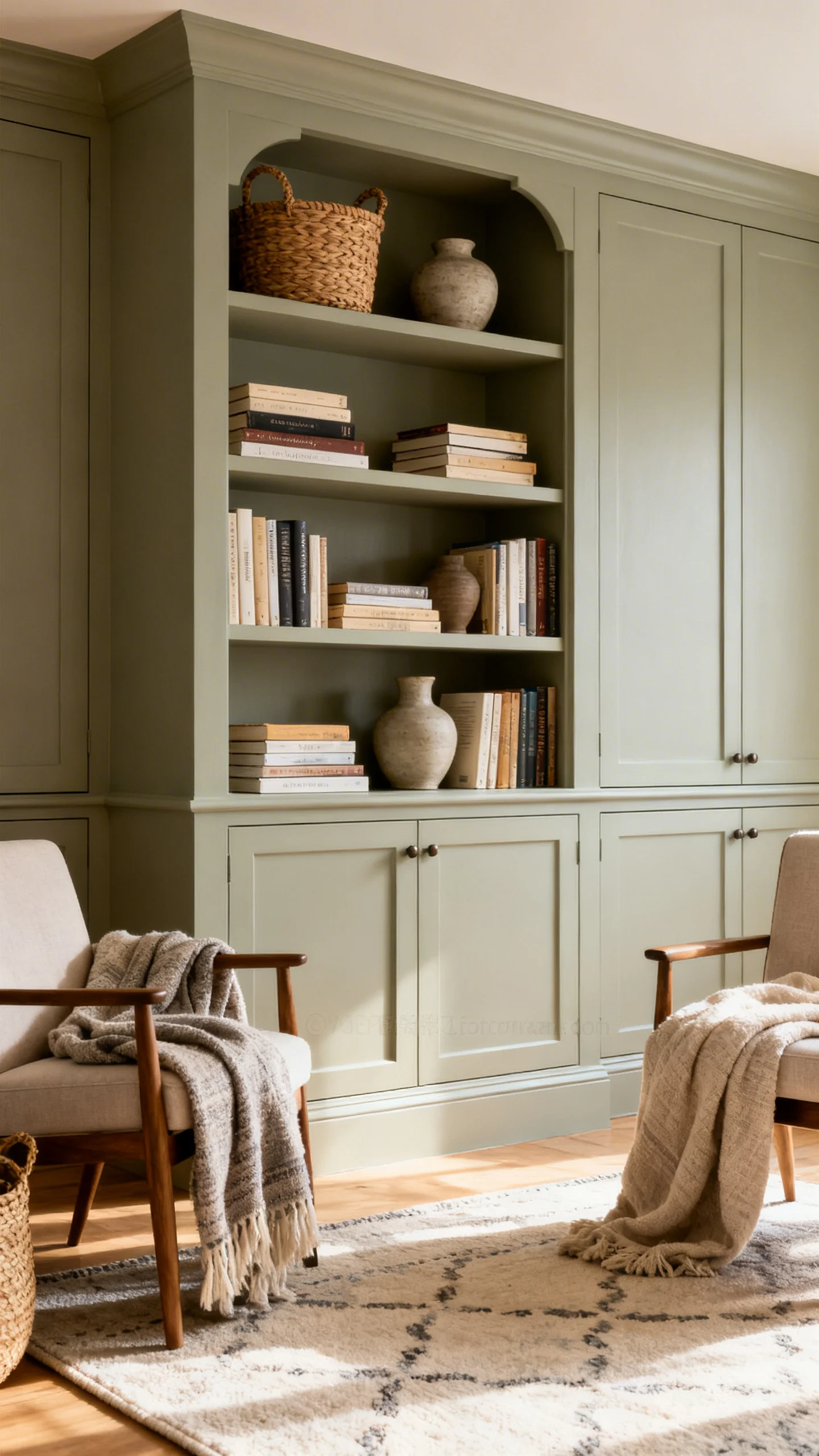
Here’s a stylist trick: when the furniture color is echoed around it, the piece looks like it belongs—almost like it was custom designed for that wall. The final result reads cohesive and intentional, not “I found this secondhand and hoped for the best.”
Try this: Choose two supporting elements in the same color family: art with a matching background, a lamp base in a similar tone, or baskets that repeat the warmth. Then create symmetry: two frames above, two candlesticks, or a pair of matching vases for that custom, balanced look.
8) Turn a Dresser into a Vanity or Bar with Styling (Not Renovation)
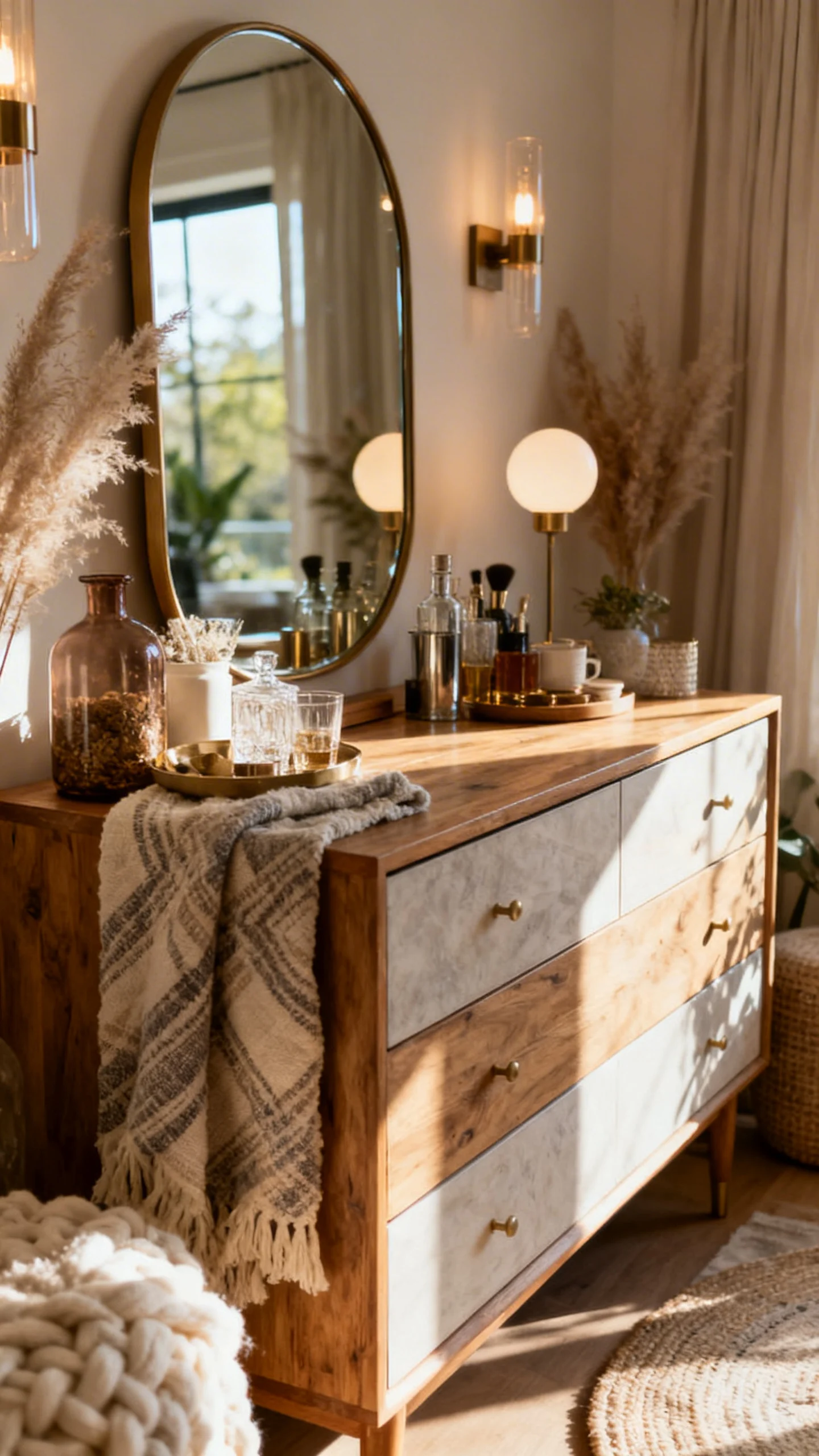
Functional “remodeling” can be mostly about the reveal. A plain dresser becomes a vanity with a gorgeous mirror and a tray of perfume. A basic cabinet becomes a bar with glassware, a pretty ice bucket, and a moody lamp for ambiance. It’s less about changing the furniture and more about changing the story.
Try this: Pick a role: vanity, bar, entry drop zone, coffee station. Then style with a trio formula: one tall (mirror or lamp), one medium (vase or framed art), one small (tray, candle, or dish). Keep colors tight—two neutrals plus one accent—for a “custom vignette” look.
9) Use Molding-Look Trim (or Painted Panel Illusions) for High-End Detailing
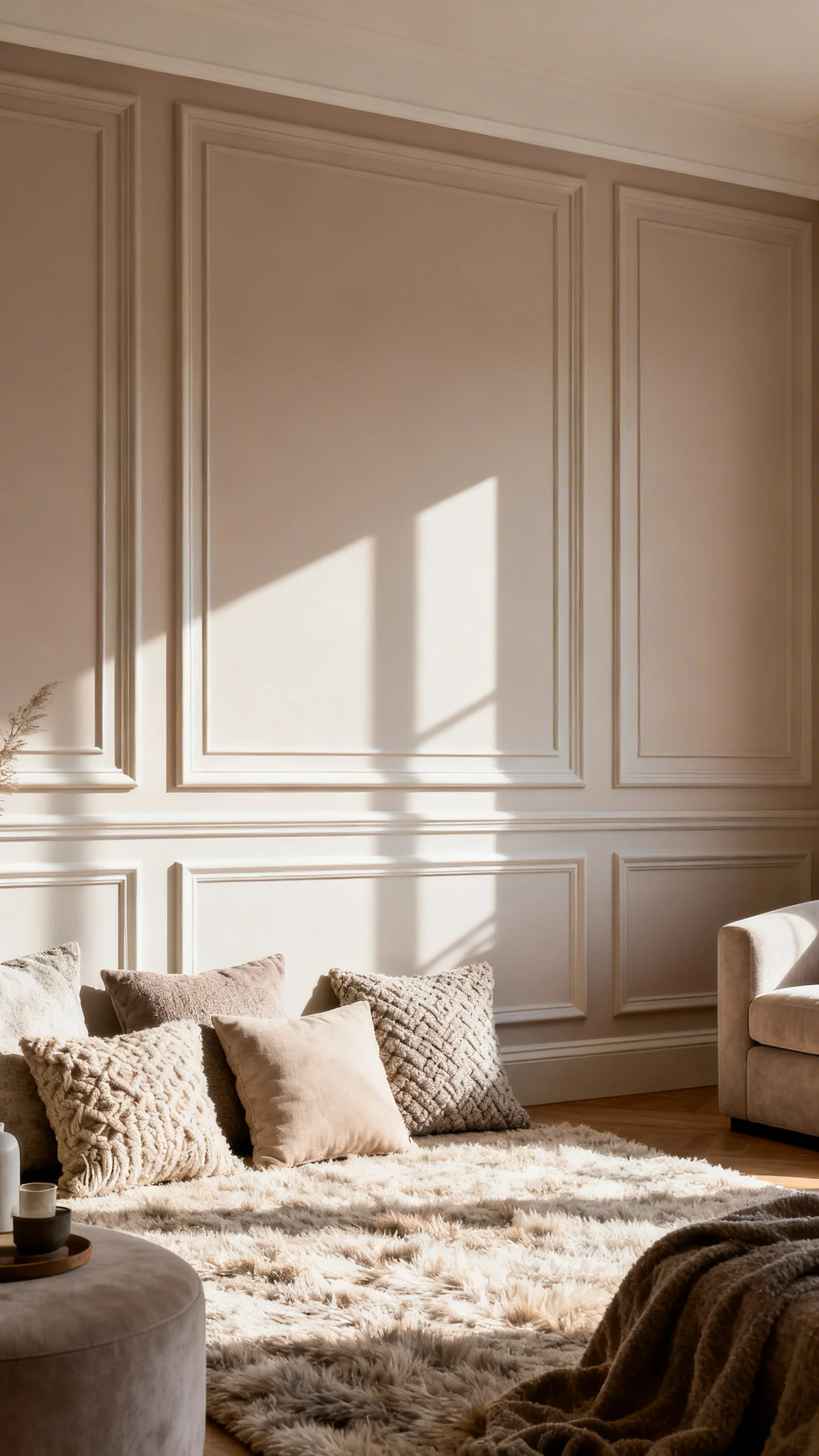
Panel detailing is one of those designer cues that screams custom. Even a simple, subtle frame detail on drawer fronts makes a piece look like it came from a higher price point. The most Pinterest-ready version is tone-on-tone: the detailing blends in and looks expensive, not busy.
Try this: Keep the detail quiet with a single color, then let shadows do the work. Pair it with polished styling: a pleated lampshade, a fluted vase, or a vintage-style framed print to lean into that elevated, heritage look.
10) Finish with “Styled Like a Shoot” Layers: Art, Lighting, and a Soft Accent
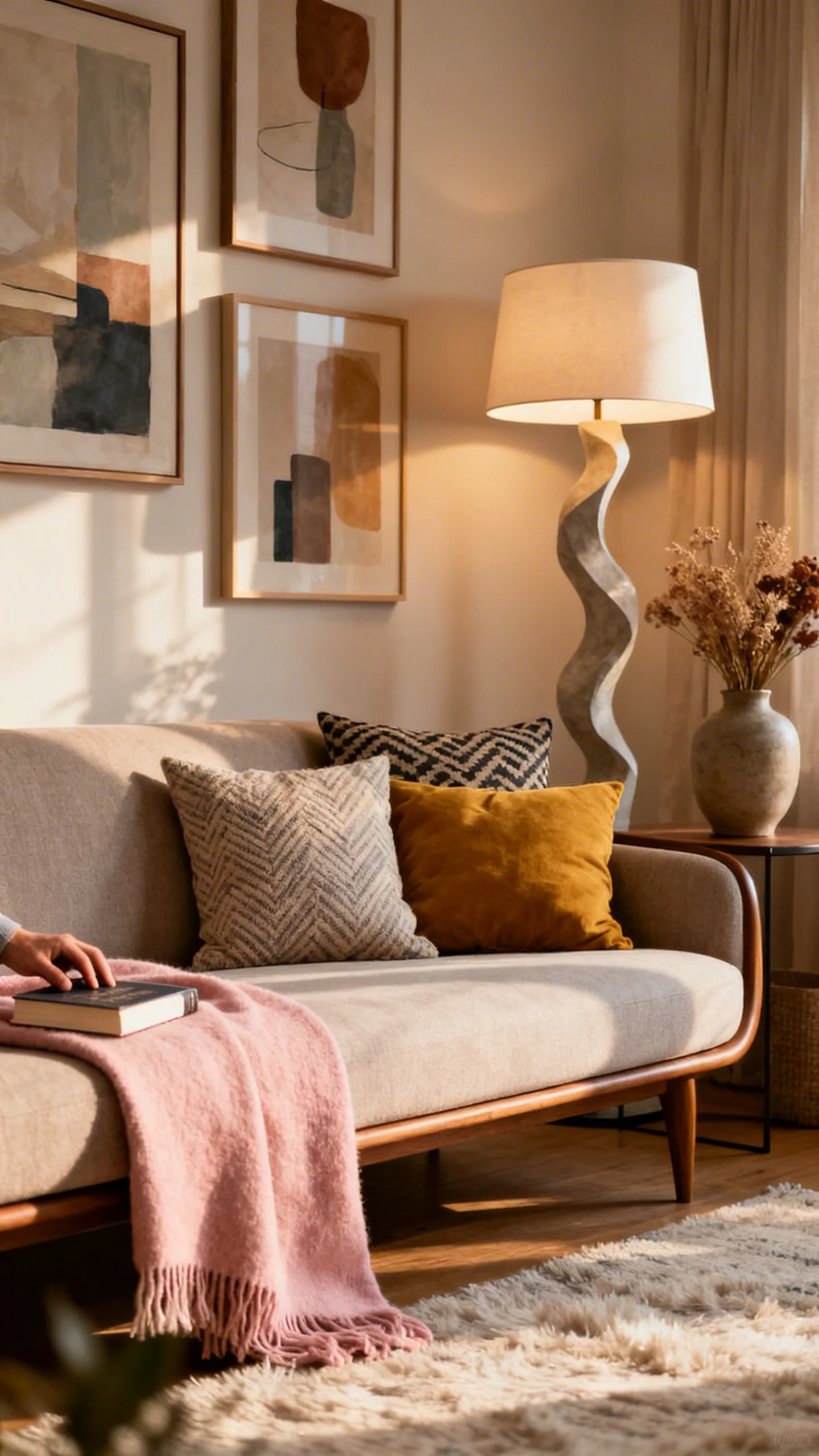
The custom look doesn’t stop at the furniture—it’s sealed by the styling. When a remodeled piece is paired with art at the right scale, warm lighting, and one soft texture nearby, it instantly reads finished. Think: a console with oversized art leaning casually, a small lamp casting a cozy glow, and a textured runner or basket to soften the scene.
Try this: Add one warm light source (lamp or candle glow), one tactile element (linen runner, boucle basket, or knit throw), and one “shine” detail (glass, glossy ceramic, or metallic) to create depth that photographs beautifully.
FAQ
What’s the most budget-friendly furniture remodel that still looks custom?
A confident paint color plus intentional styling is the fastest, most affordable combo. Choose one elevated shade, keep the surrounding palette cohesive, and finish with a styled top (lamp + tray + one sculptural piece) so it looks like a designed vignette.
How do I pick a paint color that won’t look cheap?
Go for complex, muted tones rather than bright primaries—think olive, smoky blue, mushroom, warm white, and charcoal. These shades photograph richer and pair beautifully with natural textures like linen, cane, and light wood.
How can I make thrifted furniture look like it belongs in my home?
Repeat its color or tone elsewhere: a pillow, art, a rug accent, or matching ceramics. When the furniture “connects” to the room palette, it reads curated and custom rather than random.
What patterns work best for peel-and-stick wallpaper on furniture?
Small-scale patterns and tone-on-tone prints look the most high-end: subtle botanicals, tiny checks, soft stripes, and grasscloth-look textures. They add depth without overpowering the furniture or competing with your decor.
How do I style remodeled furniture so it looks finished, not cluttered?
Use fewer, larger pieces and stick to a simple formula: one tall item (lamp or vase), one medium (frame or stack of books), and one small (dish, candle, or box). Keep your color palette tight—two neutrals plus one accent—for a clean, custom look.