
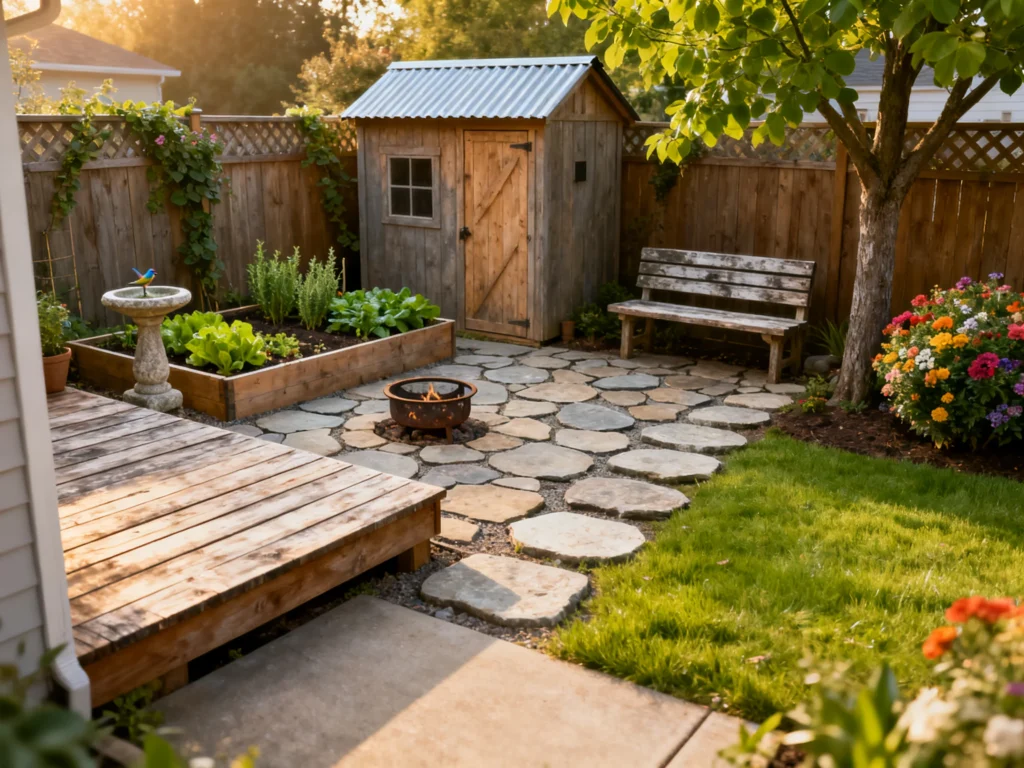
Small Backyard Landscaping Ideas on a Budget
A small backyard can look intentional and lush without a big price tag. The trick is to focus on a few high-impact moves—clean edges, smart material choices, and plants that thrive with minimal fuss.
Below are practical, budget-friendly landscaping ideas sized for compact outdoor spaces, with clear dimensions and material tips so you can plan confidently.
1) Start with a Simple Scaled Plan (So You Don’t Waste Materials)
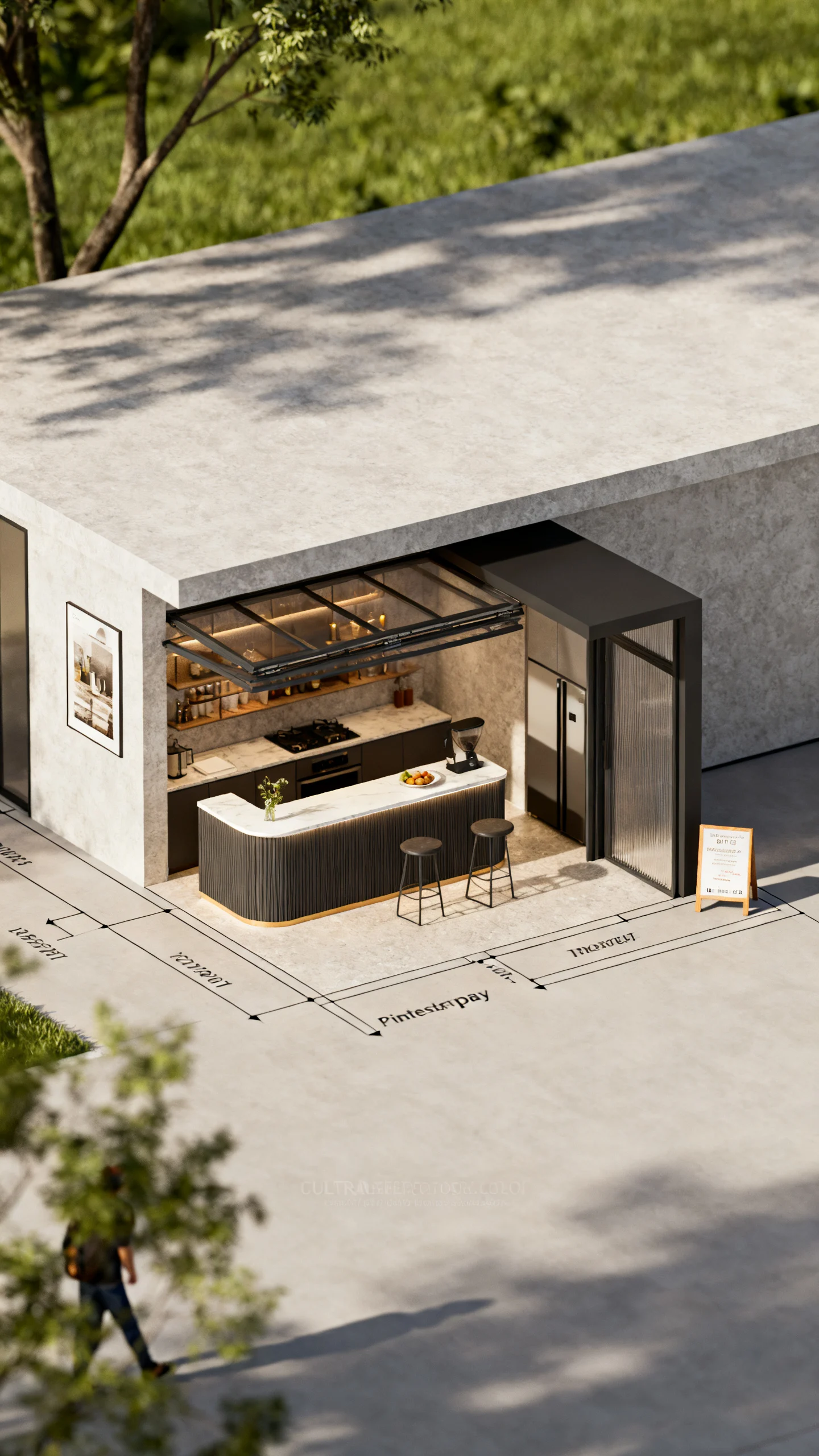
Before buying anything, measure your yard and sketch a quick layout to scale. Mark doors, utility access, and sun/shade zones. For comfortable circulation, keep main walking paths 36–42 inches wide; small secondary paths can be 24–30 inches. Leave at least 18–24 inches of planting space along fences for airflow and maintenance. A simple plan helps you avoid overbuying gravel, pavers, mulch, and plants—and it prevents the most expensive mistake: redoing a layout that doesn’t function.
2) Define “Zones” with Mulch and Edging Instead of New Hardscape
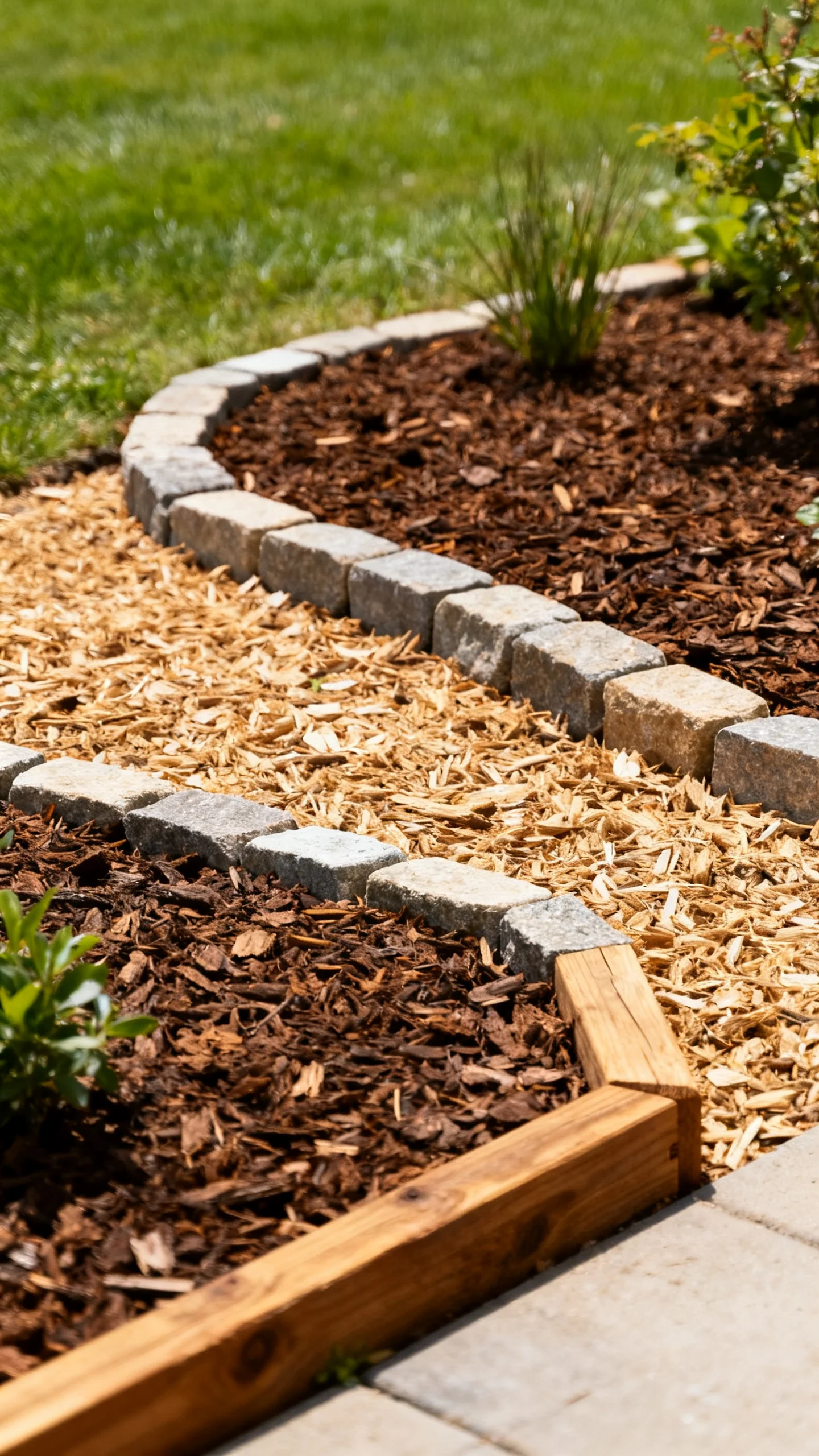
Hardscape gets expensive fast, so use mulch to create clear zones: a seating pad, a planting border, and a small open area. Mulch is one of the best cost-per-square-foot finishes, especially when refreshed annually. Install inexpensive edging to keep it crisp—steel or aluminum lasts longest, while plastic is cheapest but can warp over time. Aim for a mulch depth of 2–3 inches (more can smother plants). A clean edge instantly makes a small backyard look designed.
3) Use Gravel “Rooms” for Seating (Affordable, Permeable, Easy to DIY)
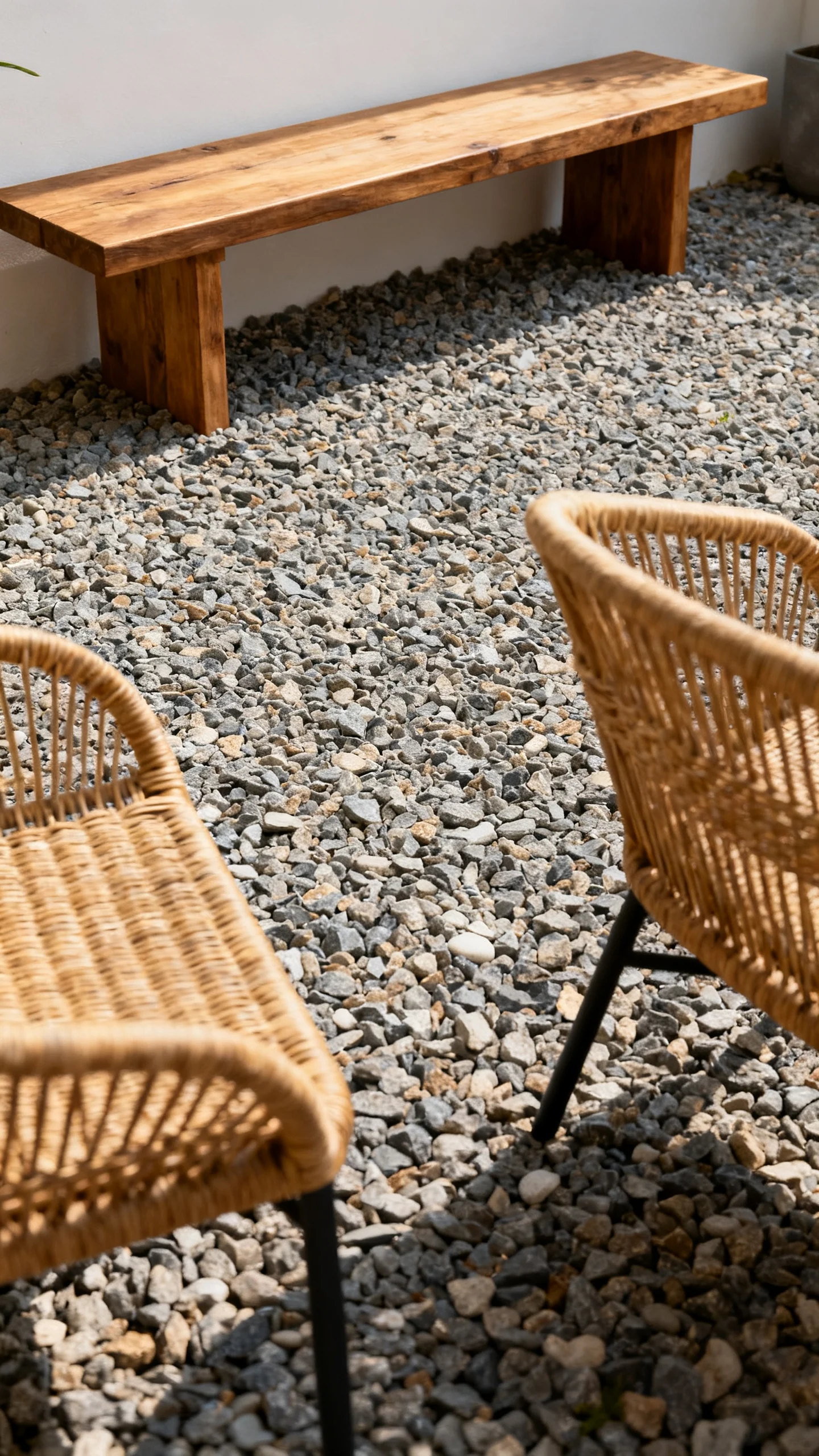
A pea gravel or crushed stone seating area is a budget alternative to a full patio. Build it like a mini project: excavate 3–4 inches, lay landscape fabric, then add 2–3 inches of compactable base (like decomposed granite or fines) plus a 1–2 inch top layer of gravel. Install edging to prevent migration. For a small table and two chairs, plan a minimum of 7′ x 7′; for a compact lounge setup, 10′ x 10′ feels better. Gravel drains well and can be topped up over time.
4) Create a Stepping-Stone Path with Spaced Pavers (Use Less Material)
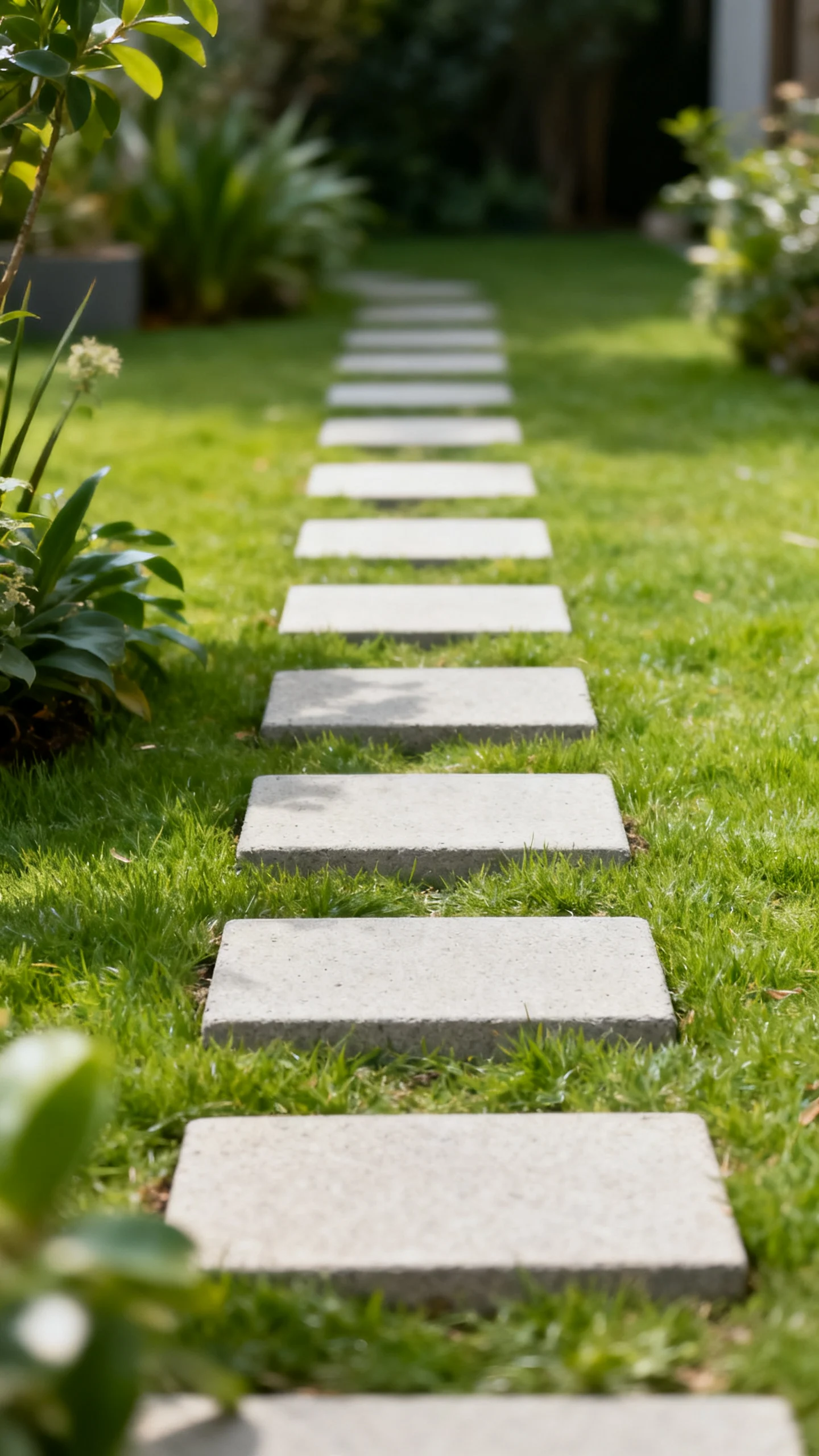
Instead of a full paved walkway, place stepping stones through mulch or gravel. A comfortable step spacing is typically 18–24 inches center-to-center (test it by walking naturally and marking your stride). Use 16″–24″ concrete pavers, reclaimed bricks, or irregular flagstone pieces. Set each stone on a leveled base of sand or paver base so it doesn’t wobble. This approach gives you the “designed path” look while using a fraction of the materials of a solid patio.
5) Plant in Layers (Tall Back, Medium Middle, Low Front) for Instant Fullness
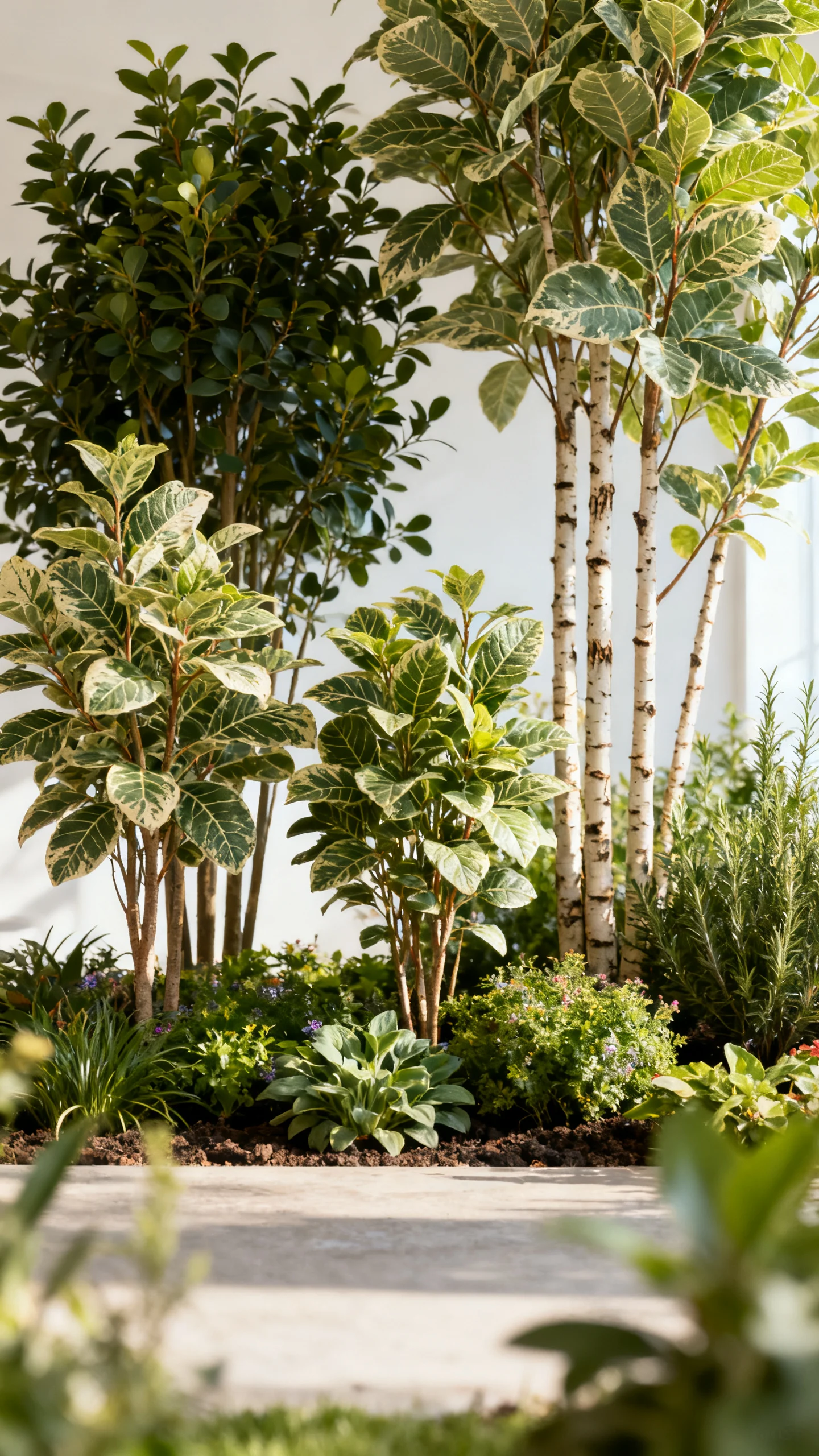
Layering makes a small backyard feel lush without buying a ton of plants. Along fences, place taller shrubs or ornamental grasses at the back, medium perennials in the middle, and low groundcovers or edging plants in front. In small spaces, choose plants that stay appropriately sized—dwarf shrubs and clumping grasses prevent constant pruning. A simple spacing rule: check the plant’s mature width and space them about that far apart (or slightly closer for faster fill, but expect more maintenance). Mulch between plants reduces weeds and watering needs.
6) Choose Budget “Workhorse” Plants That Spread (Without Becoming a Problem)
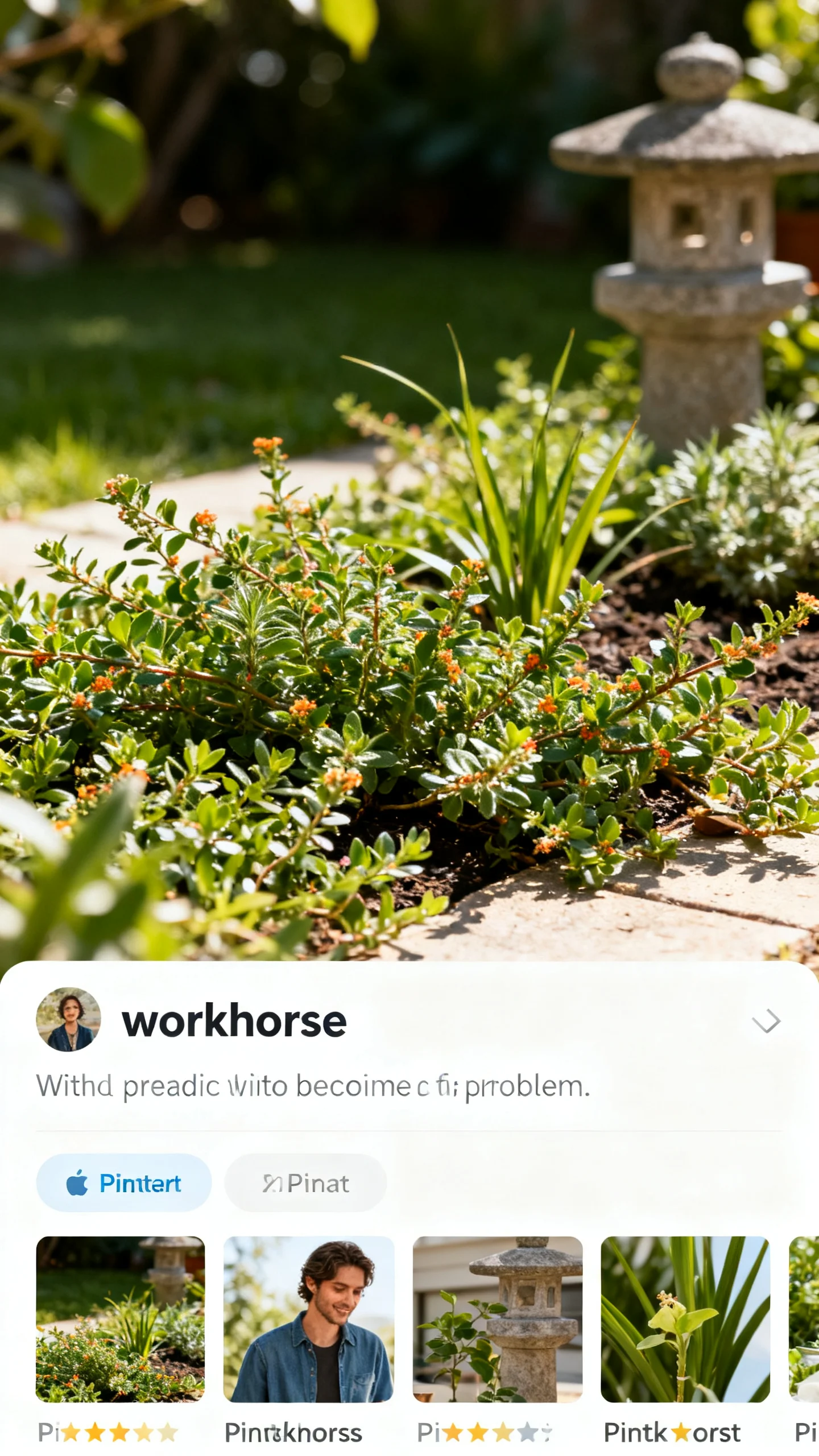
For budget landscaping, prioritize plants that establish quickly and multiply. Perennials like daylilies, coneflower, salvia, and many ornamental grasses can be divided every couple of years to fill new areas. Groundcovers can replace pricey hardscape in low-traffic zones, but choose well-behaved options suited to your climate (avoid aggressive spreaders if they’re invasive locally). If you’re buying shrubs, choose fewer, better plants and give them the right spacing—healthy shrubs will outgrow the “need” for many filler plants.
7) Add Vertical Greenery with Trellises (More Impact per Square Foot)
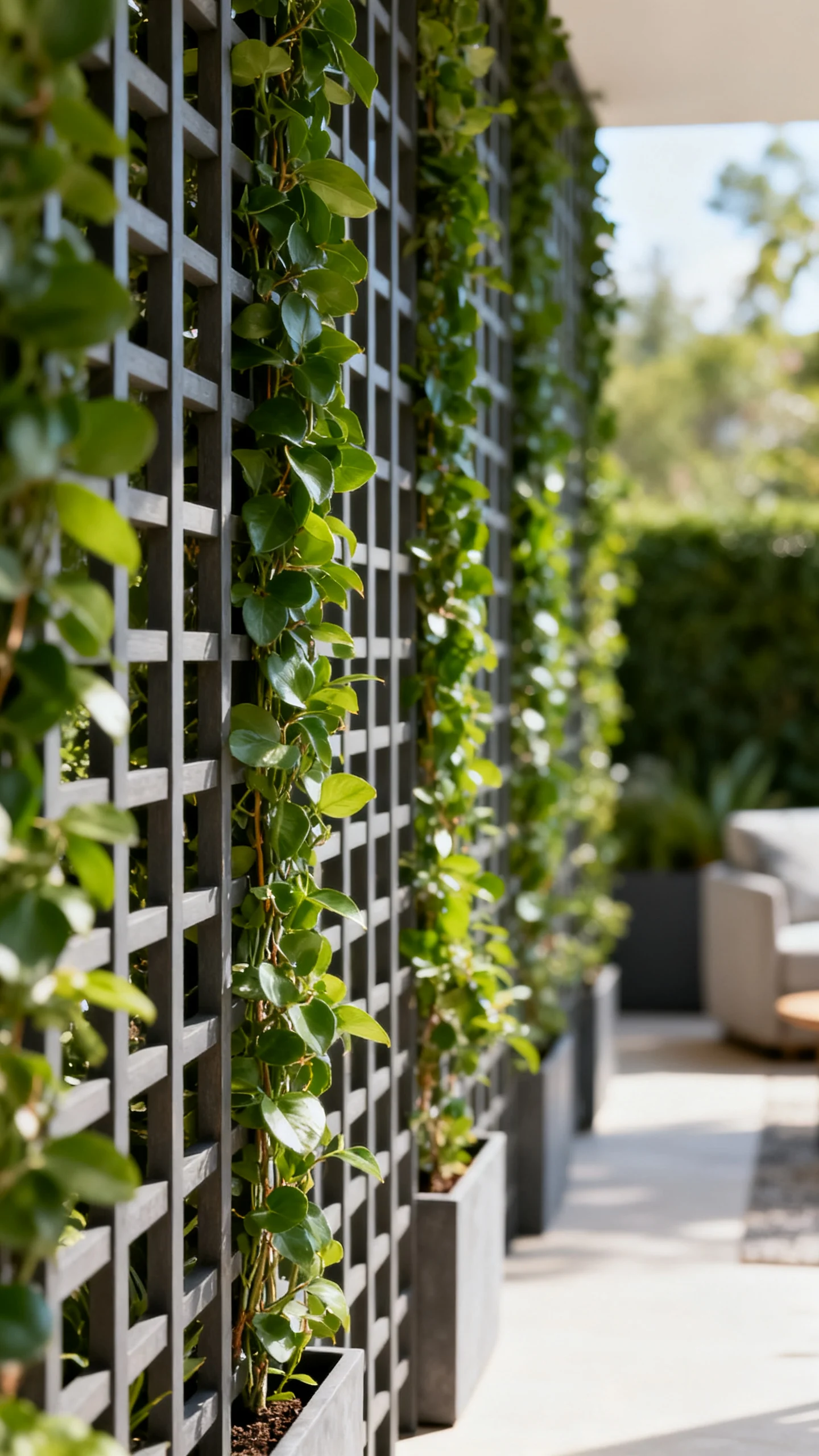
In a small backyard, vertical elements add privacy and softness without taking up precious floor space. A simple wood lattice panel or metal trellis can support climbing plants and visually expand the yard. Place trellises 6–12 inches off a fence to allow airflow and room for stems. For vines, consider your maintenance comfort: some climbers need regular training, while others can get bulky fast. Vertical planting is one of the most budget-effective ways to add height, texture, and a “garden room” feel.
8) Upcycle Containers and Raised Beds (Small, Controlled, and Easy to Refresh)
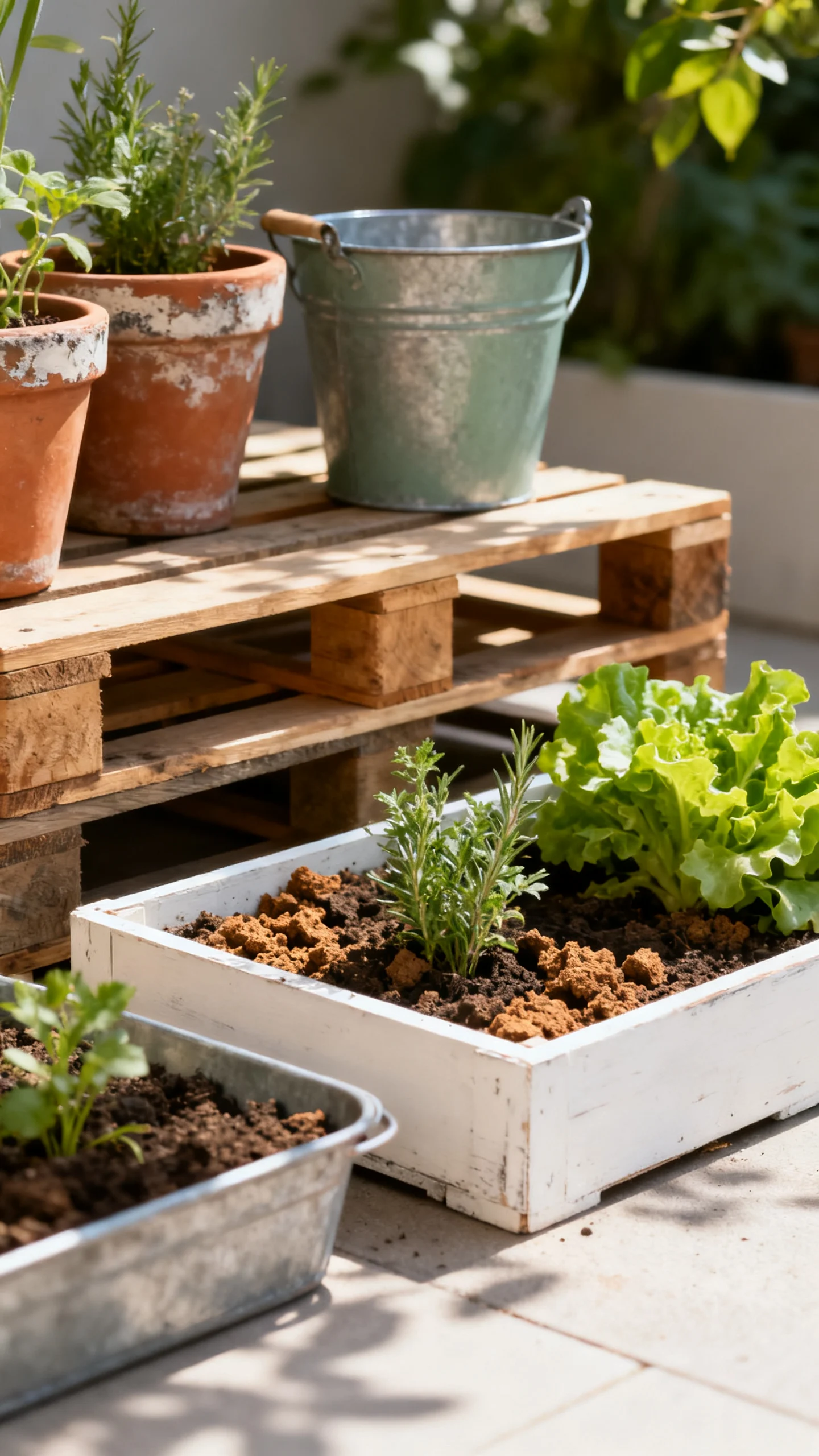
Containers let you add color and greenery without regrading or installing new borders. For a cohesive look on a budget, repeat one or two container styles (or paint mismatched pots the same color). Ensure drainage holes and use pot feet or a thin gravel layer at the bottom so water doesn’t pool. If you build a small raised bed, keep it narrow enough to reach the center without stepping in—about 3–4 feet wide max. Raised beds help define the yard and can be filled gradually with soil and compost as budget allows.
9) Refresh the Edges: Trim, Rake, and Add a Clean Border Line
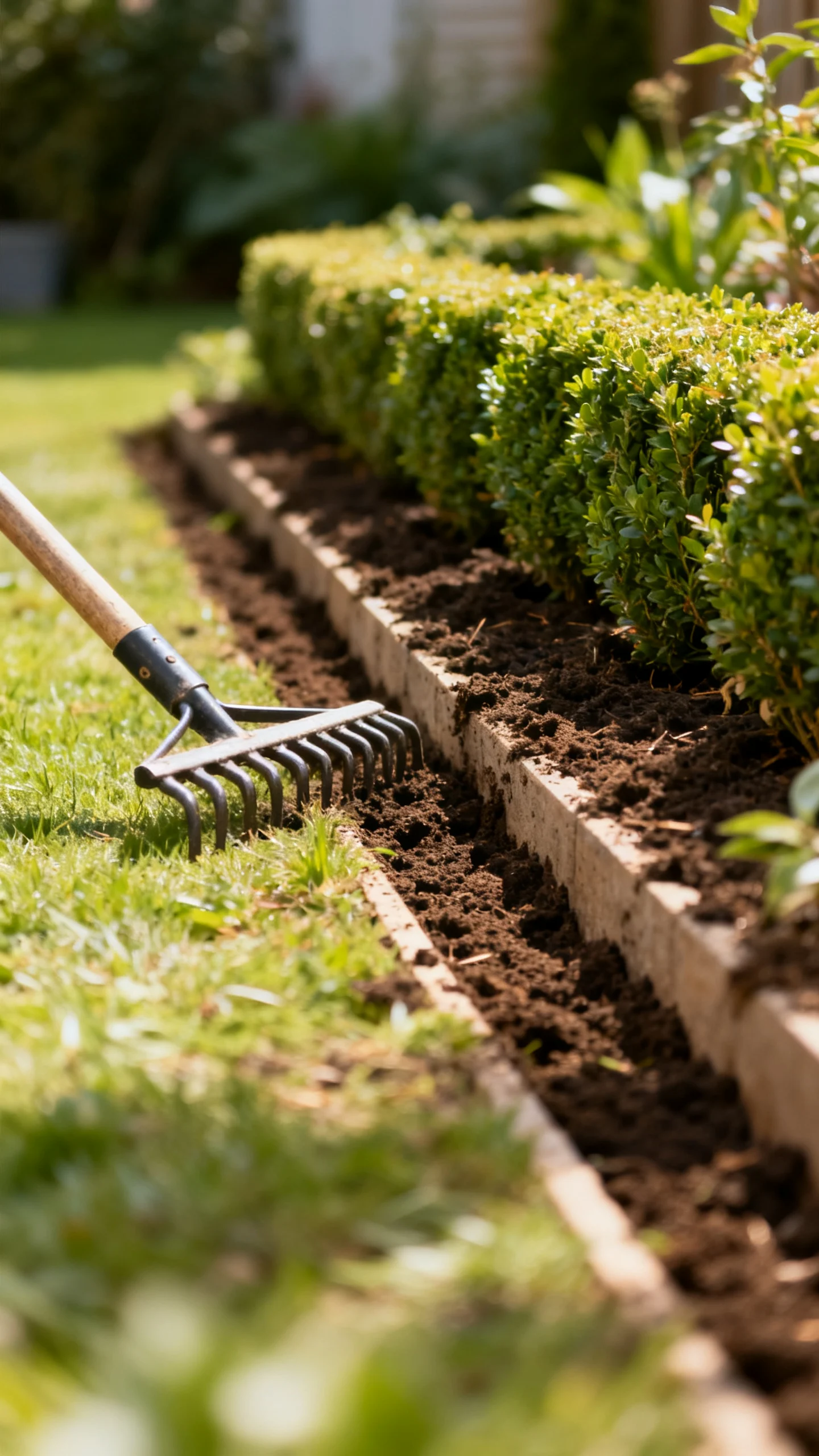
The fastest “budget glow-up” is edge maintenance. Crisp borders make even simple materials look premium. Use a half-moon edger or flat spade to cut a clean line between lawn (if you have it) and planting areas. Re-establish the edge every season and keep beds free of stray grass. Rake gravel back into place, top up mulch in thin spots, and prune plants away from paths so your circulation stays at least 36 inches clear. Small backyards feel bigger when lines are tidy and walkways are unobstructed.
10) Light It Cheaply: Solar Path Lights and String Lights for Nighttime “Wow”
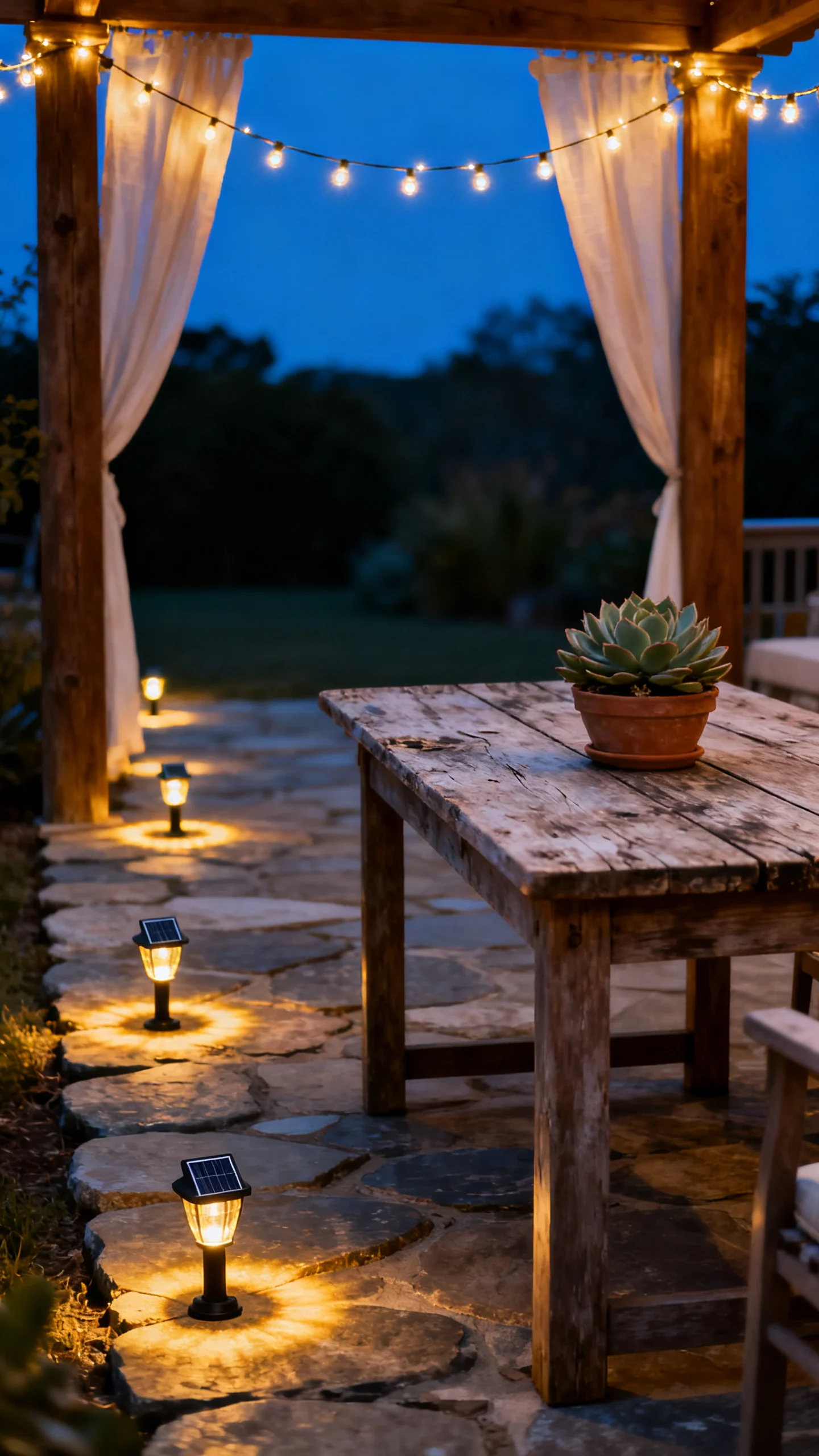
Lighting is a low-cost upgrade that dramatically changes how a small backyard feels after sunset. Use solar stake lights to define paths and steps (space them about 6–8 feet apart for a subtle glow). Add outdoor-rated string lights overhead or along a fence line to create a cozy ceiling effect—anchor them to sturdy posts or existing structures and keep the run taut to prevent sagging. Lighting doesn’t require a full renovation, but it makes the yard feel finished and inviting.
FAQ
What is the cheapest way to landscape a small backyard?
Focus on edge definition, mulch, and a simple layout first. Mulch is inexpensive per square foot, suppresses weeds, and instantly looks cleaner when paired with basic edging. Add plants in phases—start with a few larger “anchor” shrubs and fill in later with perennials you can divide.
Is gravel cheaper than pavers for a small patio area?
Usually, yes. Gravel typically costs less in materials and is easier to DIY, especially for small “rooms” like a 7′ x 7′ seating area. The key is proper prep (fabric, base layer, and edging) so it stays level and doesn’t spread into planting beds.
How do I make a tiny backyard feel bigger on a budget?
Use clear zones (a small seating area plus a planting border), keep paths 36–42 inches wide for comfortable flow, and go vertical with trellises or tall, narrow plants. Clean edges and consistent materials (one mulch, one gravel) reduce visual clutter.
What low-maintenance plants are good for budget landscaping?
Look for hardy perennials and shrubs suited to your climate and sun exposure. Many landscapes succeed with a mix of ornamental grasses, coneflower, salvia, and a few compact shrubs. Choosing plants that fit their mature size reduces pruning and replacement costs.
How much mulch do I need for a small backyard bed?
As a rule of thumb, 1 cubic yard covers about 108 square feet at a 3-inch depth. Measure your bed area (length x width), then aim for 2–3 inches of mulch for weed control and moisture retention without burying plant crowns.