
Timeless Residential Architecture Design Styles Explained
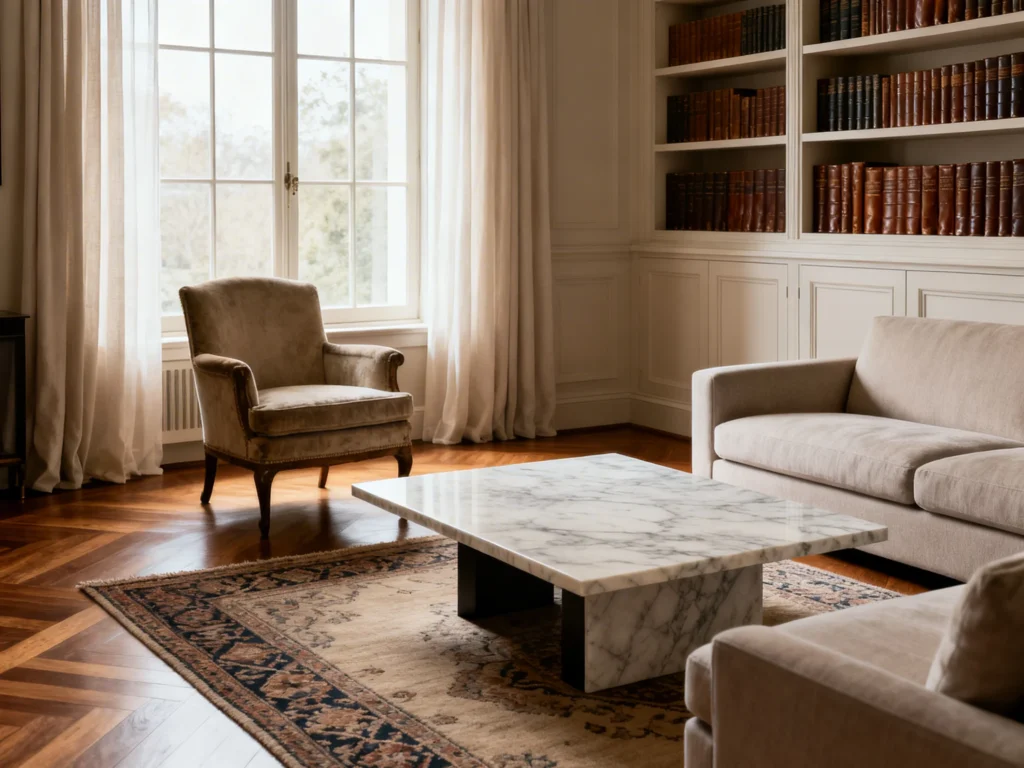
Timeless residential architecture isn’t about freezing a home in the past—it’s about choosing a style with strong bones, balanced proportions, and materials that age beautifully. In the living room, those architectural cues become the backdrop for everyday life: the ceiling line, the window shapes, the fireplace presence, and the way light moves across the space.
Below is a gallery of living rooms inspired by enduring architectural design styles. Each one reads like a moodboard you can picture instantly—distinct silhouettes, signature materials, and a vibe that feels classic without feeling dated.
Idea 1: Georgian Symmetry Living Room
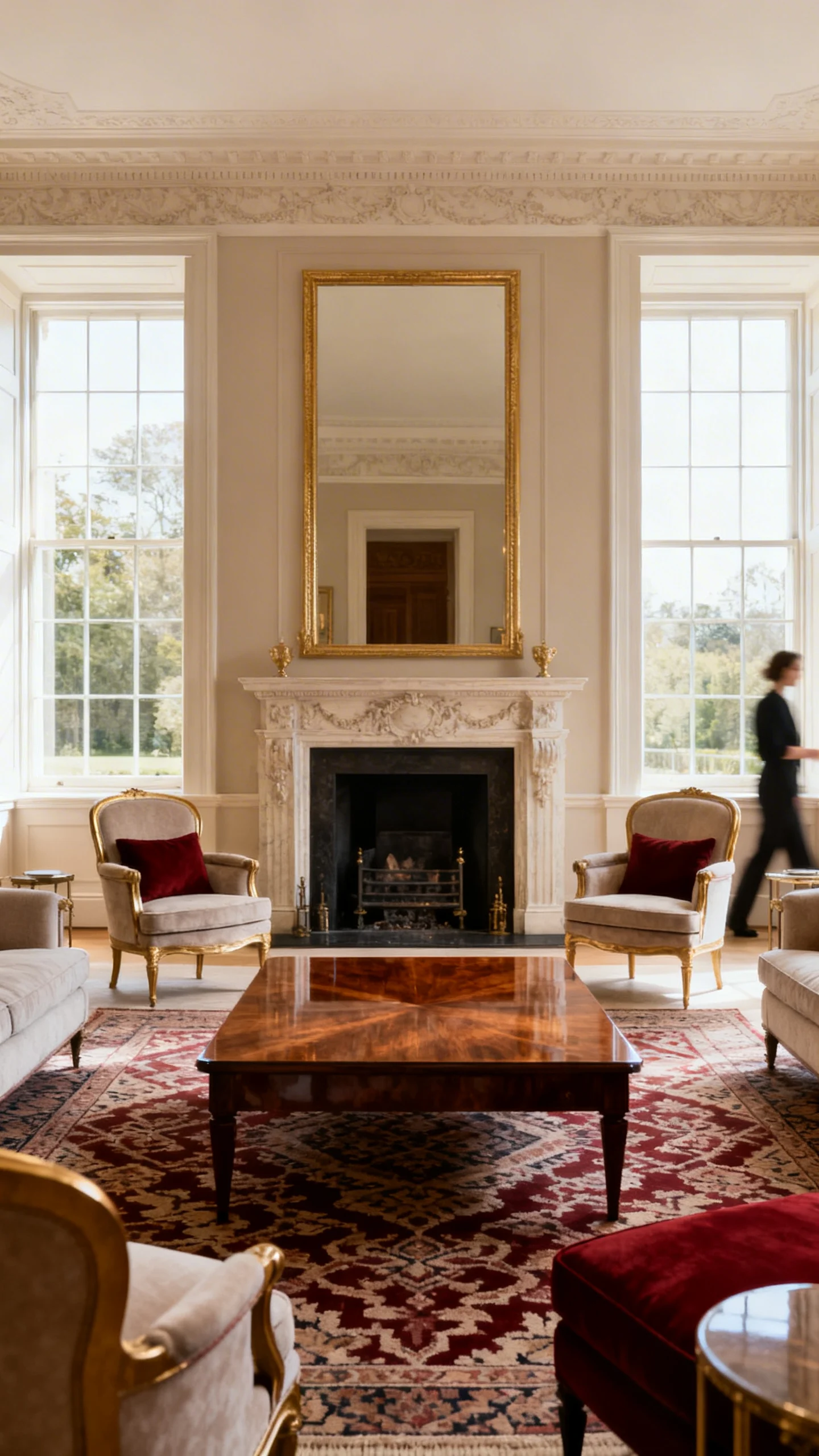
Picture a living room with perfectly balanced windows, a centered fireplace, and crisp millwork that frames the space like tailored clothing. The architecture feels composed and calm—high ceilings, orderly wall panels, and an elegant sense of “everything is exactly where it should be.”
The mood is refined: a traditional sofa with clean lines, a pair of matching armchairs, and a patterned wool rug that anchors the symmetry. Finish it with warm brass accents and layered neutrals that let the architecture do the talking.
Idea 2: Colonial Revival Comfort with Classic Trim
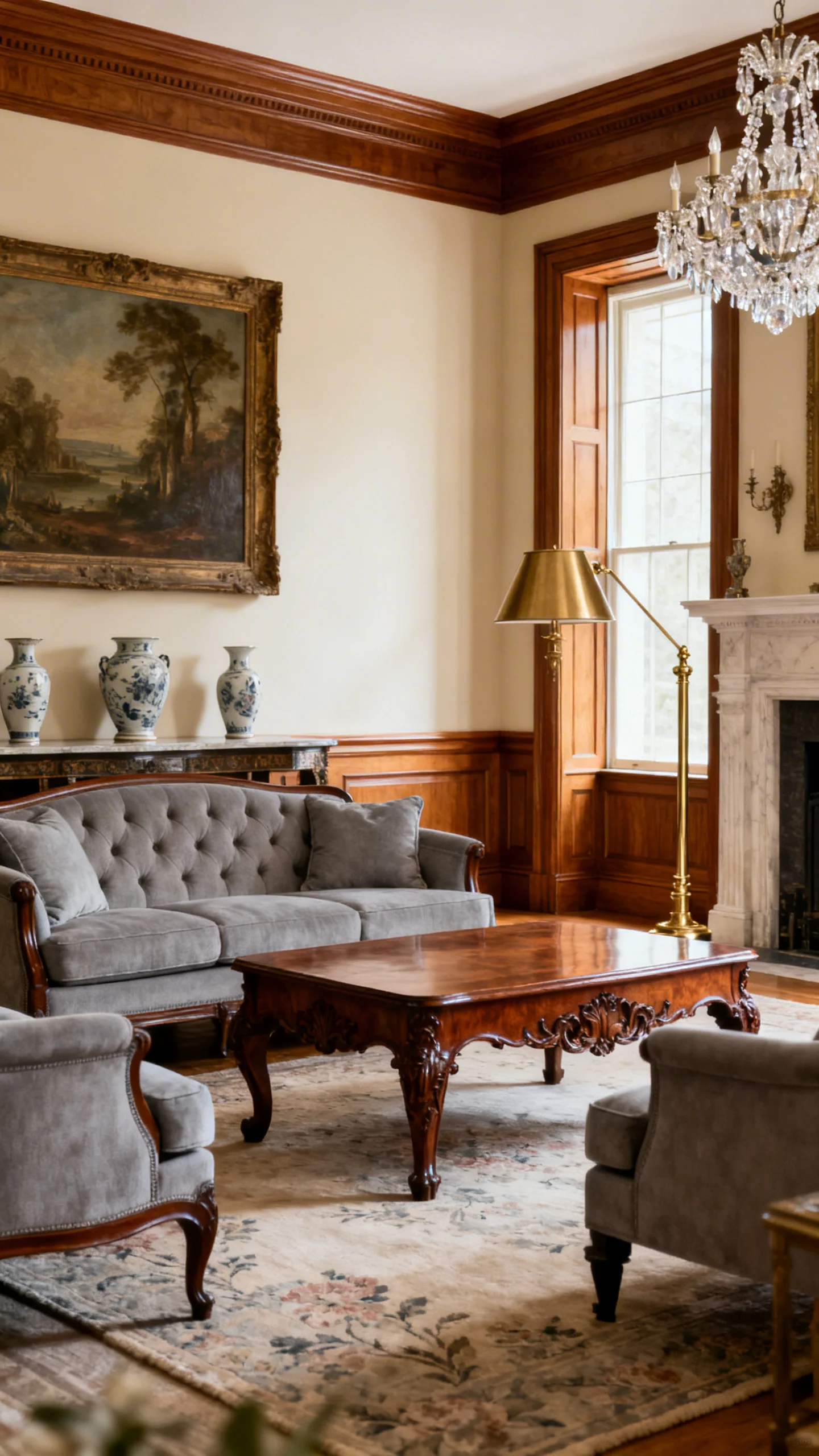
This living room leans into familiar, welcoming forms—substantial crown molding, a mantel that feels historic, and multi-pane windows that glow in late afternoon light. The proportions are friendly and livable, with details that read as heritage rather than ornate.
Think soft, traditional upholstery and a curated mix of wood tones: a cherry side table beside an oak coffee table, united by a cohesive palette. The vibe is collected and calm, like a space that’s been loved for generations.
Idea 3: Craftsman Living Room with Built-Ins and Warm Wood
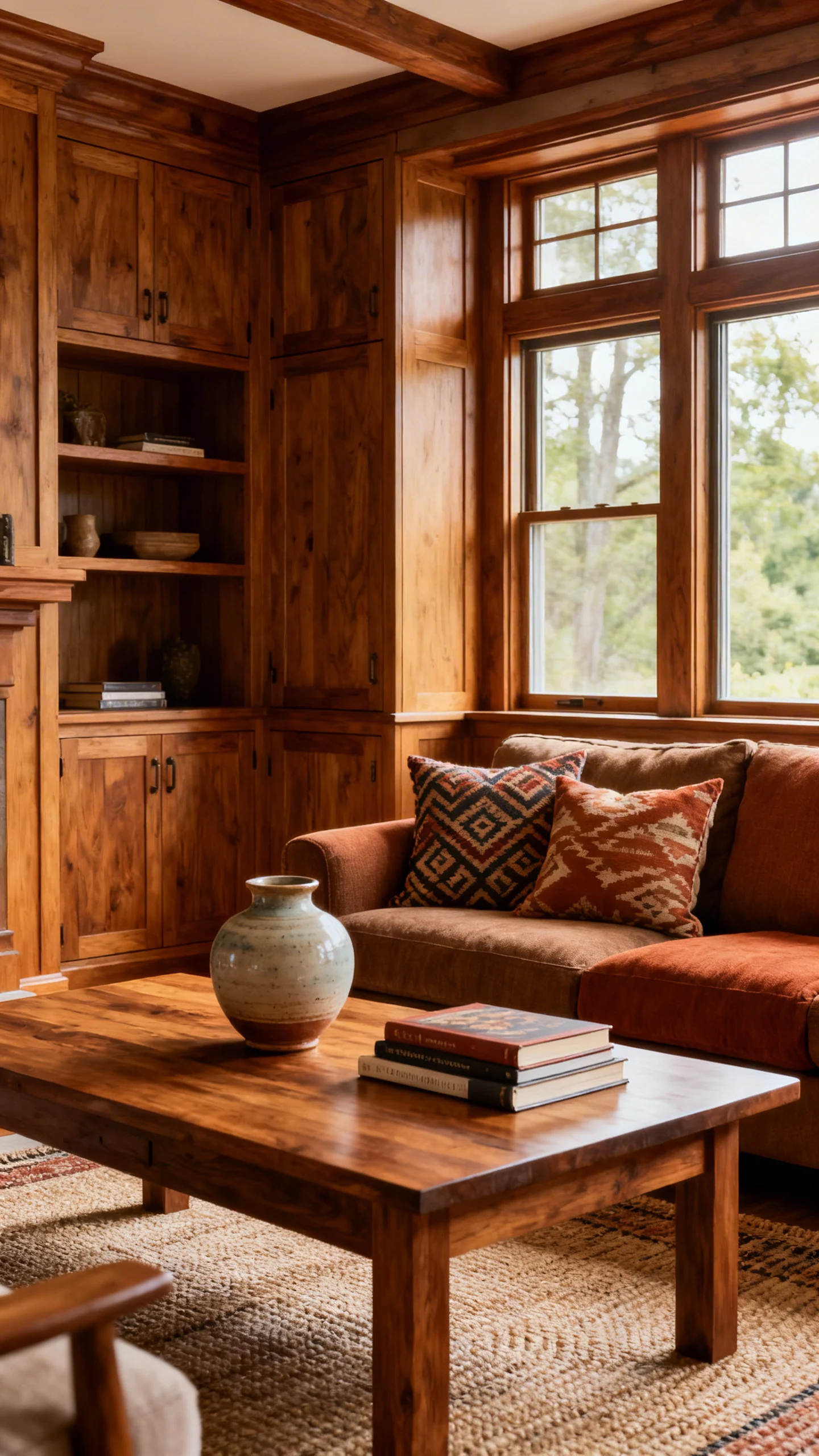
A Craftsman-inspired living room is all about honest materials and cozy architectural weight. Imagine a stone or brick fireplace, chunky trim, and built-in bookcases that make the room feel grounded—like it was carved into place.
The look is tactile: quarter-sawn oak, leather, linen, and nubby textiles. A deep, earthy color story—clay, moss, camel—makes the woodwork glow, while simple shapes keep it timeless instead of themed.
Idea 4: Tudor Revival Drama with Arched Details
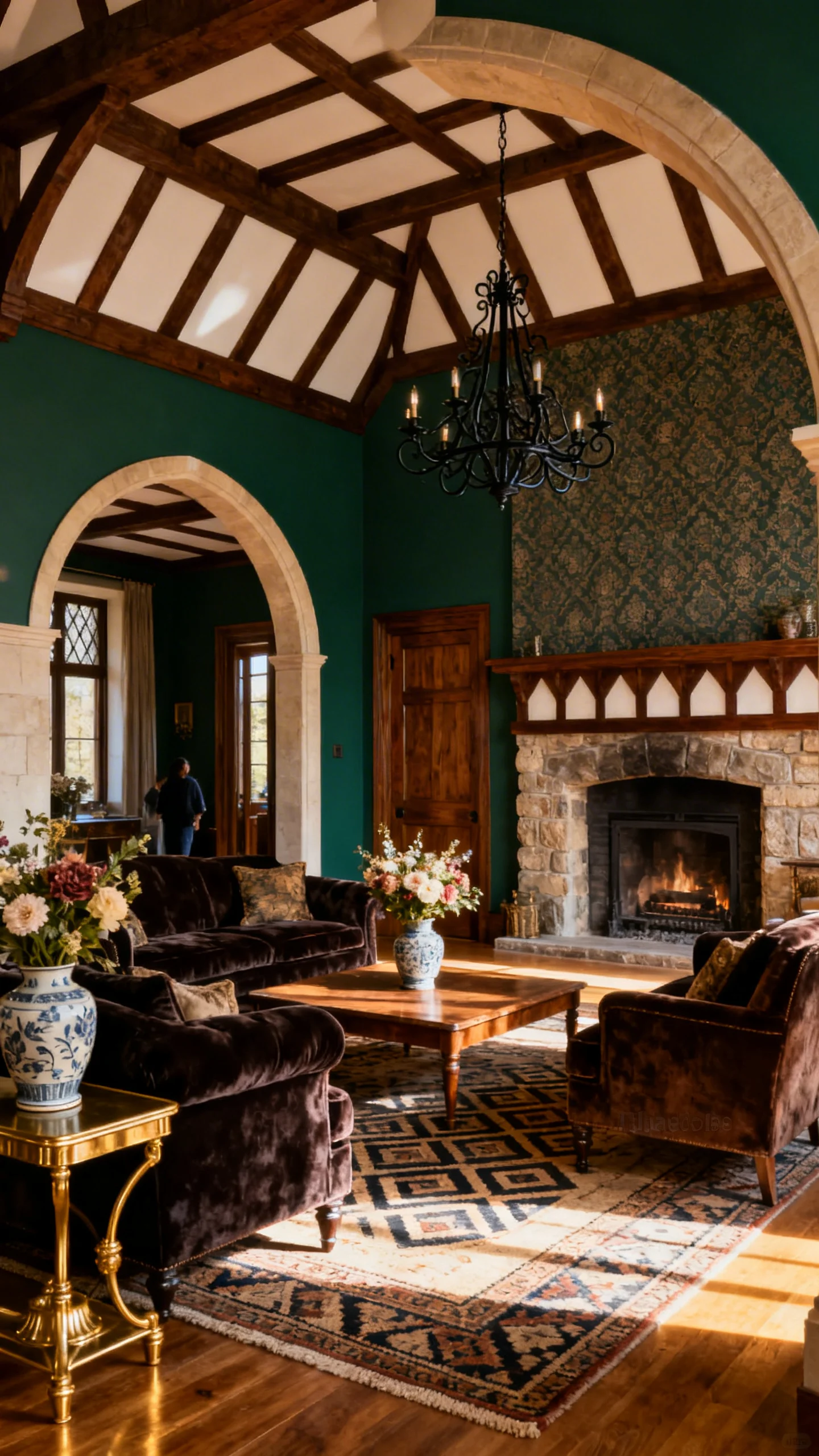
Tudor Revival brings storybook character to the living room: a softly arched doorway, leaded-style window geometry, and a fireplace that feels like the heart of the house. The architecture reads romantic and a little moody, in the best way.
Lean into the vibe with rich, velvety textures and aged finishes—dark wood beams overhead, iron accents, and a rug with antique-inspired patterning. Candlelight tones (amber, oxblood, deep olive) make the space feel instantly enveloping.
Idea 5: Mediterranean Revival Living Room with Plaster and Curves
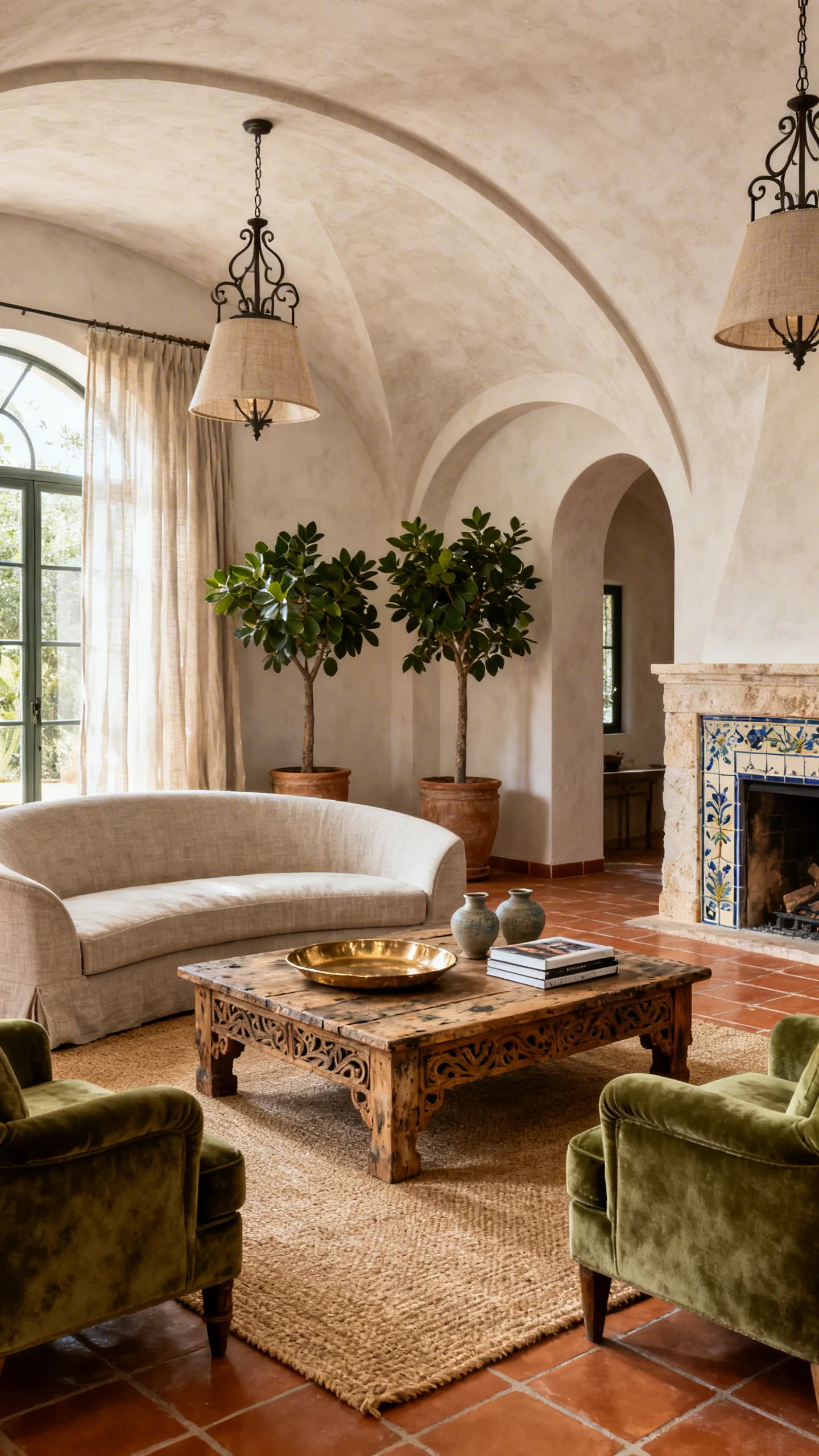
This is sun-washed timelessness: smooth plaster walls, gently rounded corners, and an airy sense of thickness and shadow. The living room feels sculptural—arched niches, a substantial hearth, and windows that frame bright outdoor light like artwork.
Keep the mood relaxed and elevated with creamy textiles, woven accents, and natural stone tones. A low-profile sofa, a rustic wood coffee table, and subtle black metal details create an effortless, resort-at-home calm.
Idea 6: Mid-Century Modern Living Room with Clean Lines
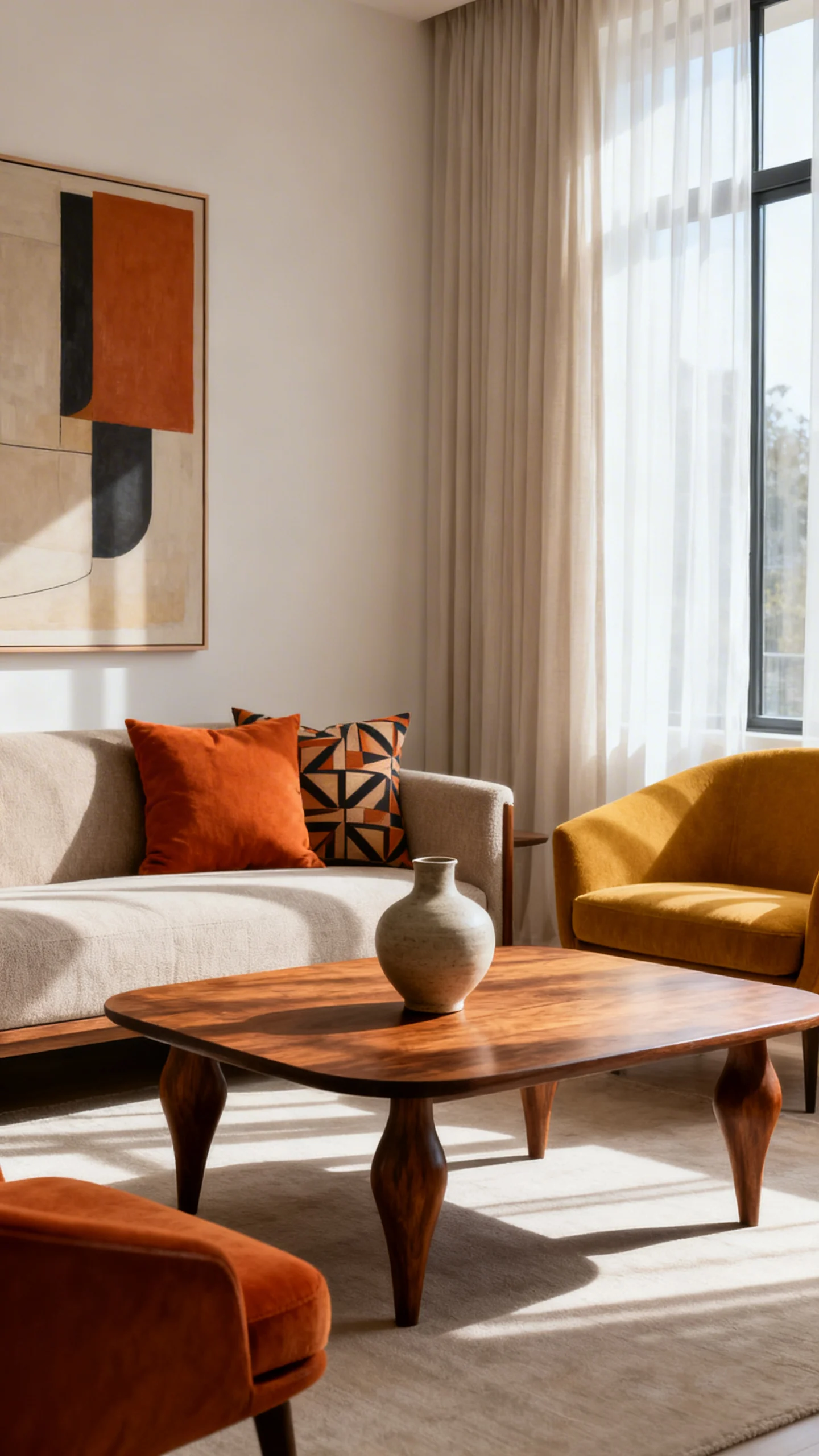
Mid-century modern architecture stays timeless through clarity: long horizontal lines, generous glazing, and an indoor-outdoor feeling even in a compact living room. The structure feels intentional—open sightlines, minimal trim, and wood that’s used as an accent, not an overload.
The look is crisp and graphic: a streamlined sofa, a walnut credenza, and a statement light that reads like a sculpture. Add one bold element—an abstract rug or a single saturated chair—against a warm neutral base.
Idea 7: Scandinavian Classic Living Room with Light and Restraint
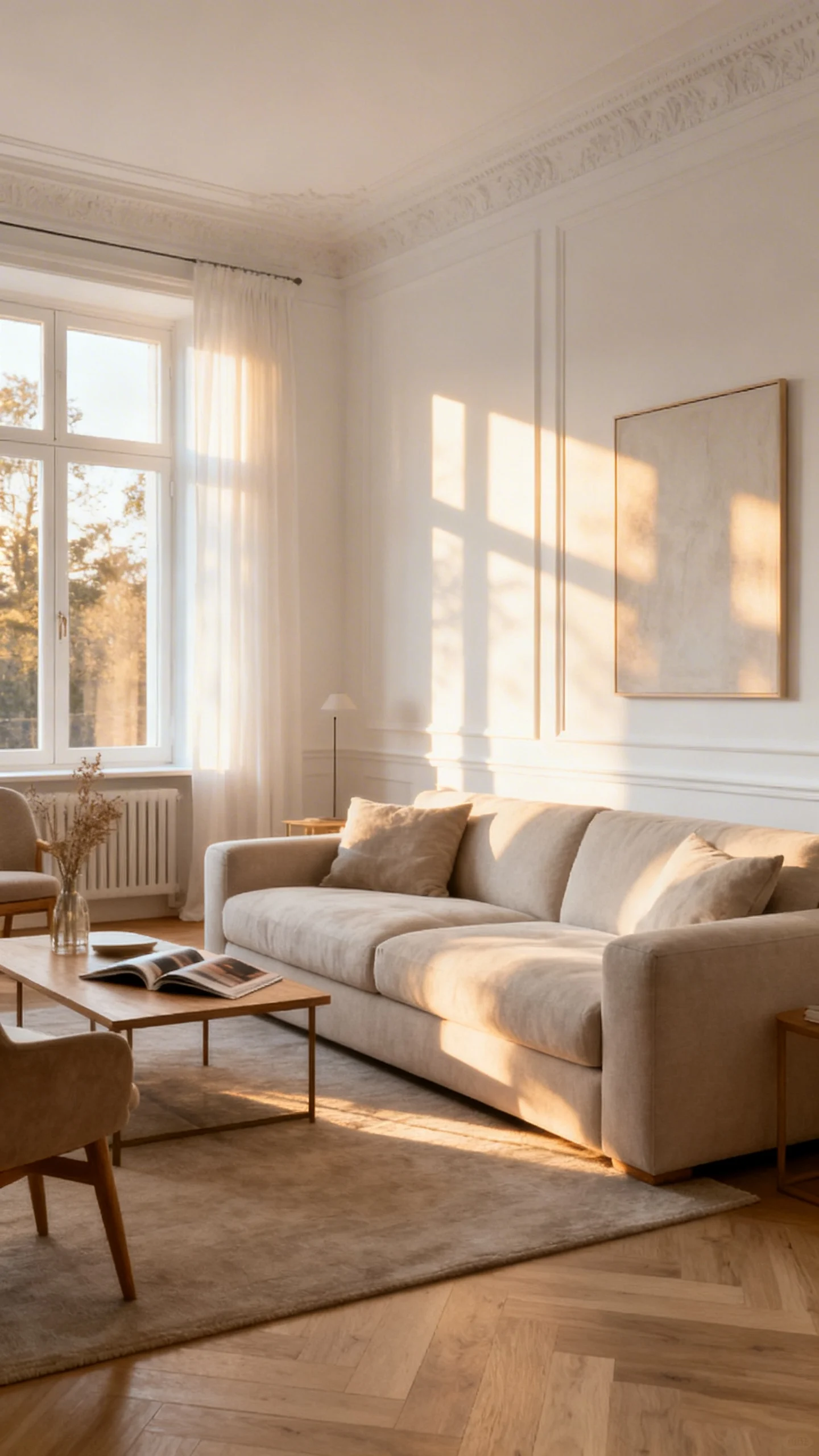
Scandinavian-inspired architecture makes the living room feel brighter, quieter, and more breathable. Think pale wood floors, tall simple windows, and clean-lined trim that frames the room without adding fuss.
The moodboard is soft and tonal: oatmeal upholstery, sheer curtains, matte ceramic lamps, and a rug with subtle texture instead of a loud pattern. The timelessness comes from restraint—every piece feels considered, never crowded.
Idea 8: French Country Architecture with Soft Elegance
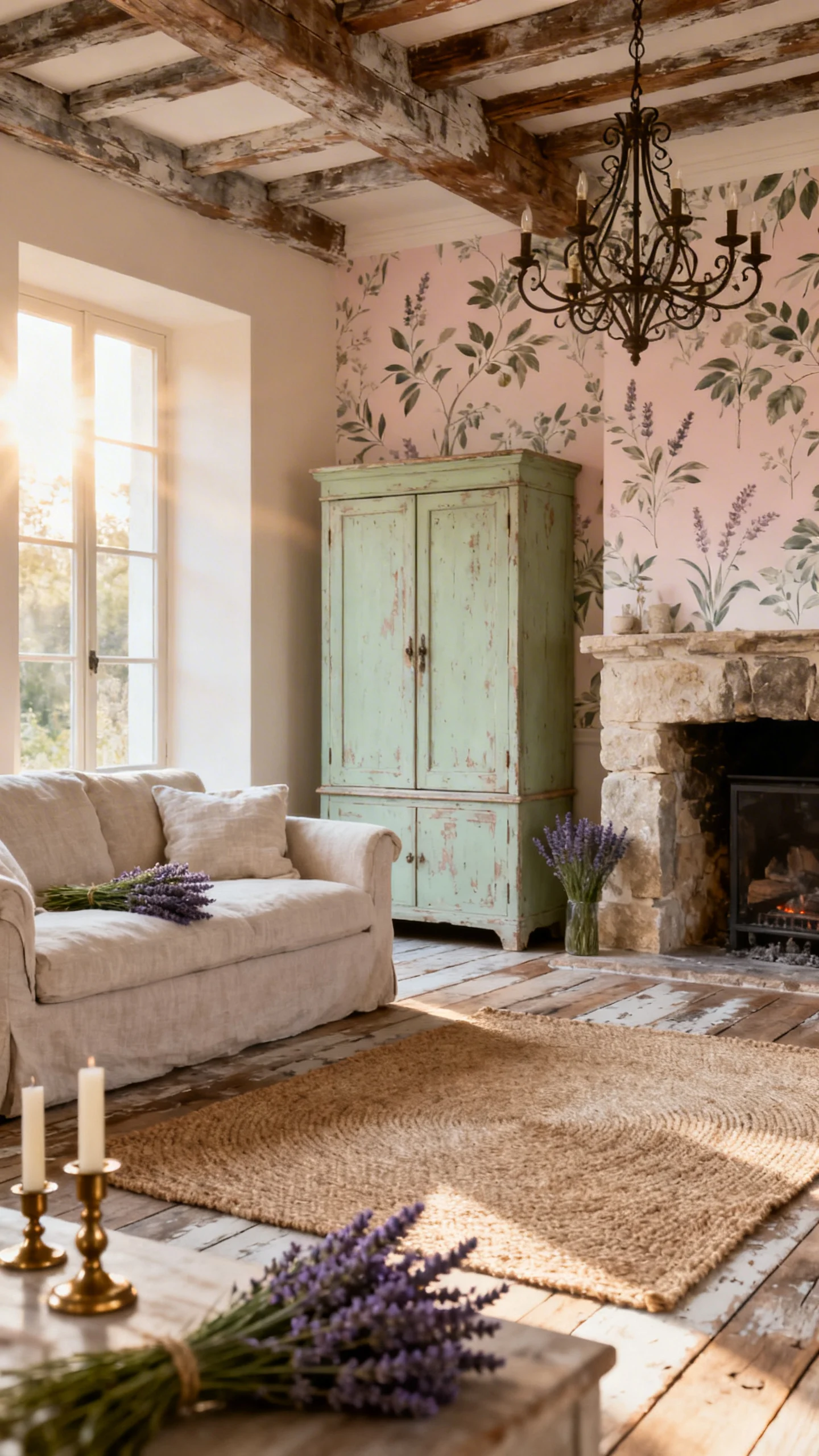
A French country living room balances rustic and refined: gently curved openings, plaster or limewashed walls, and a fireplace that feels old-world without being heavy. The architecture whispers romance through imperfect finishes and graceful proportions.
Style it with linen slipcovers, carved wood details, and a palette of warm whites, wheat, and faded blue-gray. A mix of patina—aged brass, weathered oak, antique frames—makes the space feel instantly lived-in and timeless.
Idea 9: Shingle Style Coastal Living Room with Relaxed Structure
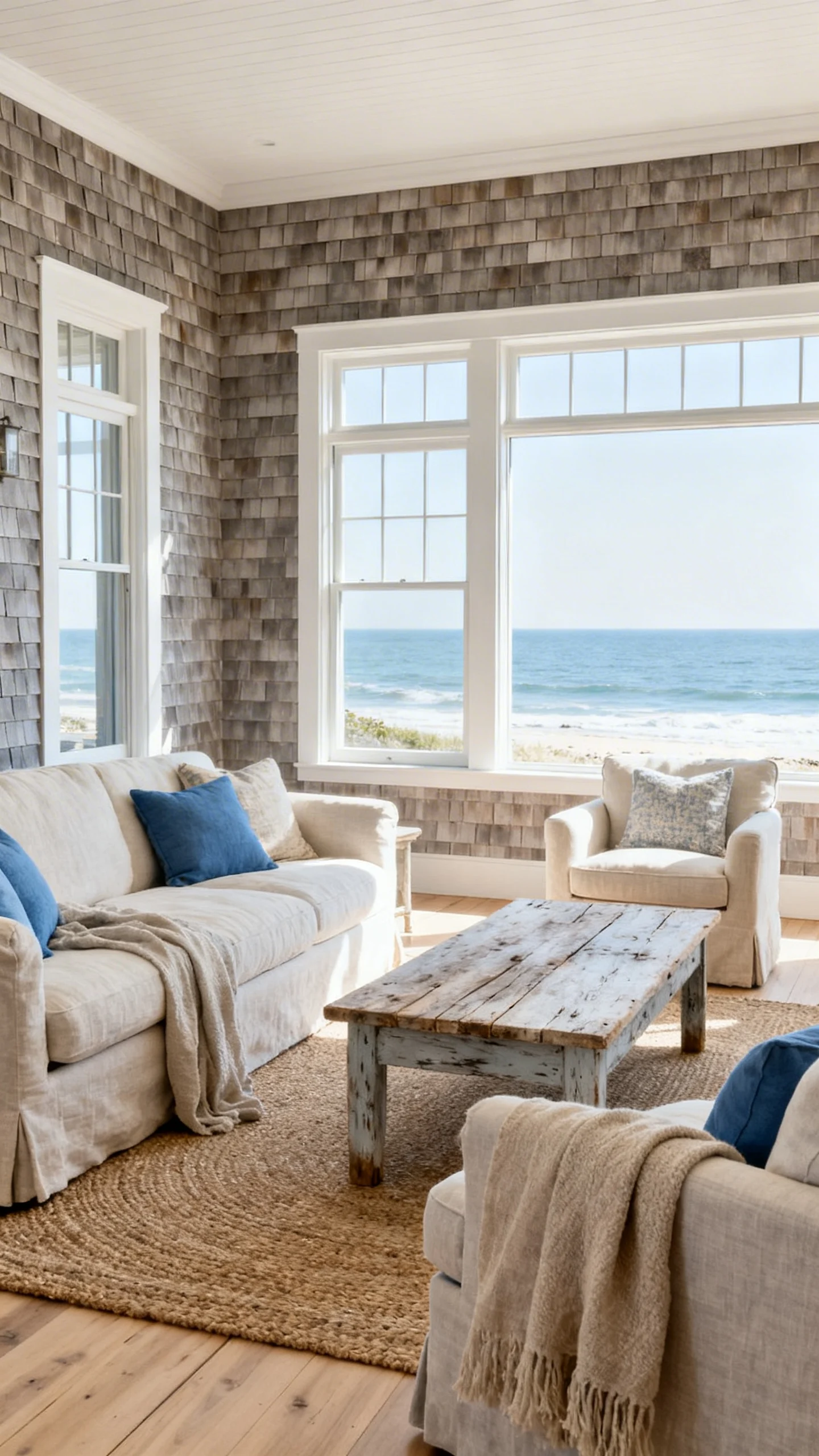
Shingle style architecture translates into a living room that’s breezy but substantial—wide openings, cozy architectural angles, and a fireplace that feels like a gathering point after a day outside. The lines are classic, but the mood is casual and comfortable.
Picture slipcovered seating, woven textures, and a layered neutral palette that nods to sand, driftwood, and soft fog. The result is coastal without clichés—more “heritage seaside home” than “themed beach house.”
Idea 10: Contemporary Classic Living Room with Timeless Bones
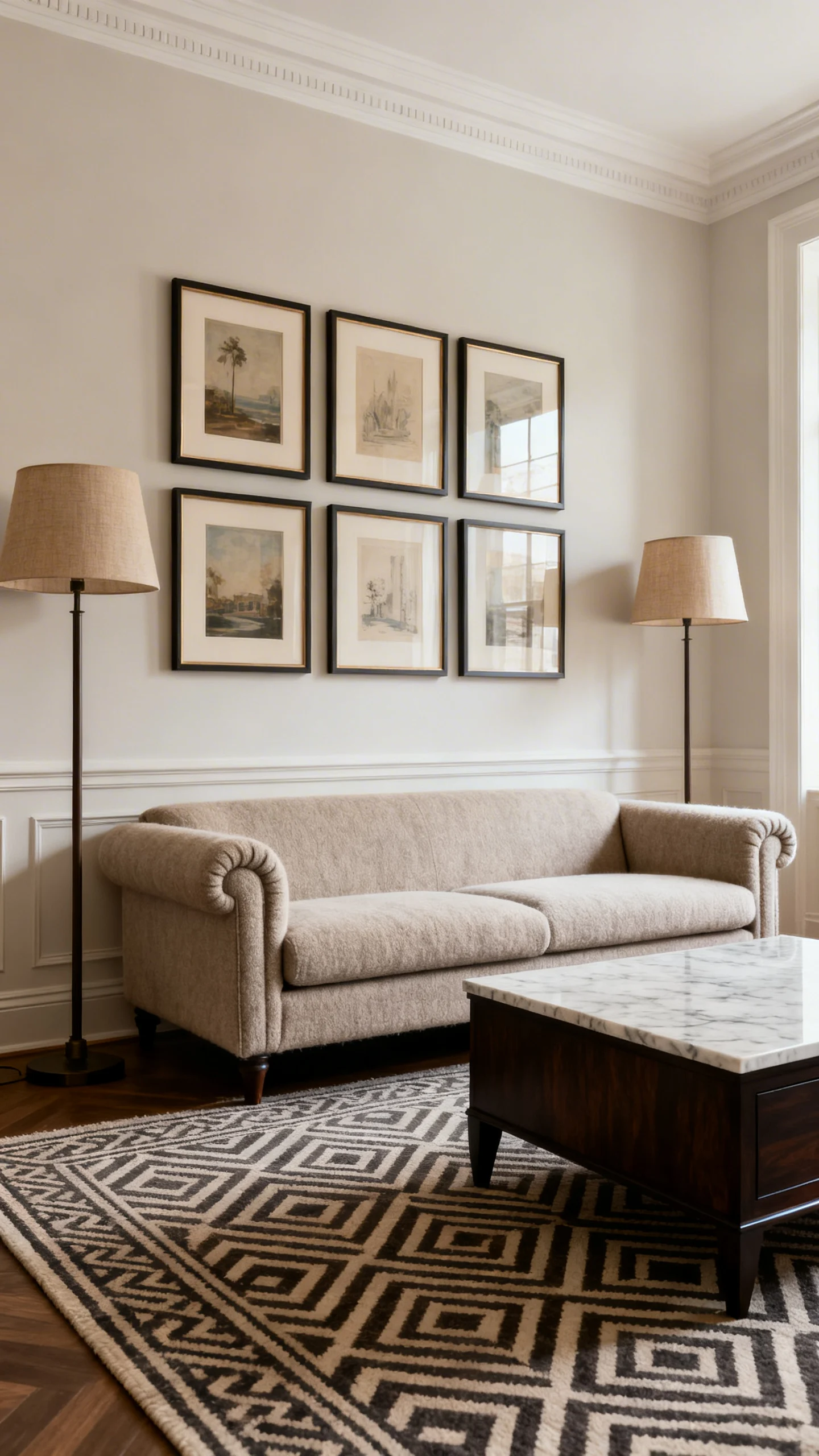
This look blends modern restraint with traditional architecture: clean wall moldings, a simplified mantel, and oversized windows that make the room feel current. The living room reads tailored and fresh—classic forms, edited for today.
The vibe is quietly luxe: a curved sofa paired with structured chairs, a large-scale rug with a subtle pattern, and a few high-impact materials like honed stone and warm oak. It’s timeless because it’s balanced—nothing too trendy, nothing too precious.
FAQ
What makes an architectural style “timeless” in a living room?
Timeless living rooms usually start with strong proportions and enduring materials—well-sized windows, thoughtful ceiling heights, and finishes like wood, plaster, brick, and stone. The style feels rooted in architecture, not just decor.
Can a living room mix two timeless residential styles without looking chaotic?
Yes—when the architecture leads and the furnishings support it. A contemporary sofa can sit beautifully in a Colonial Revival room if the palette is calm and the shapes echo the room’s symmetry and trim lines.
Which timeless styles feel brightest and most open in a living room?
Scandinavian, mid-century modern, and Mediterranean Revival-inspired rooms often emphasize light—through larger windows, simpler trim, and airy, pale finishes that reflect daylight.
Which timeless living room styles feel coziest for evening ambiance?
Craftsman and Tudor Revival-inspired living rooms tend to feel especially cozy thanks to richer wood tones, substantial fireplaces, and layered, moody textures that glow under warm lighting.
How do I keep a timeless style from feeling like a period set?
Choose a few signature architectural cues (like arched openings, built-ins, or classic paneling), then keep furnishings edited and comfortable. A restrained palette and modern, livable silhouettes help the space feel timeless rather than themed.