
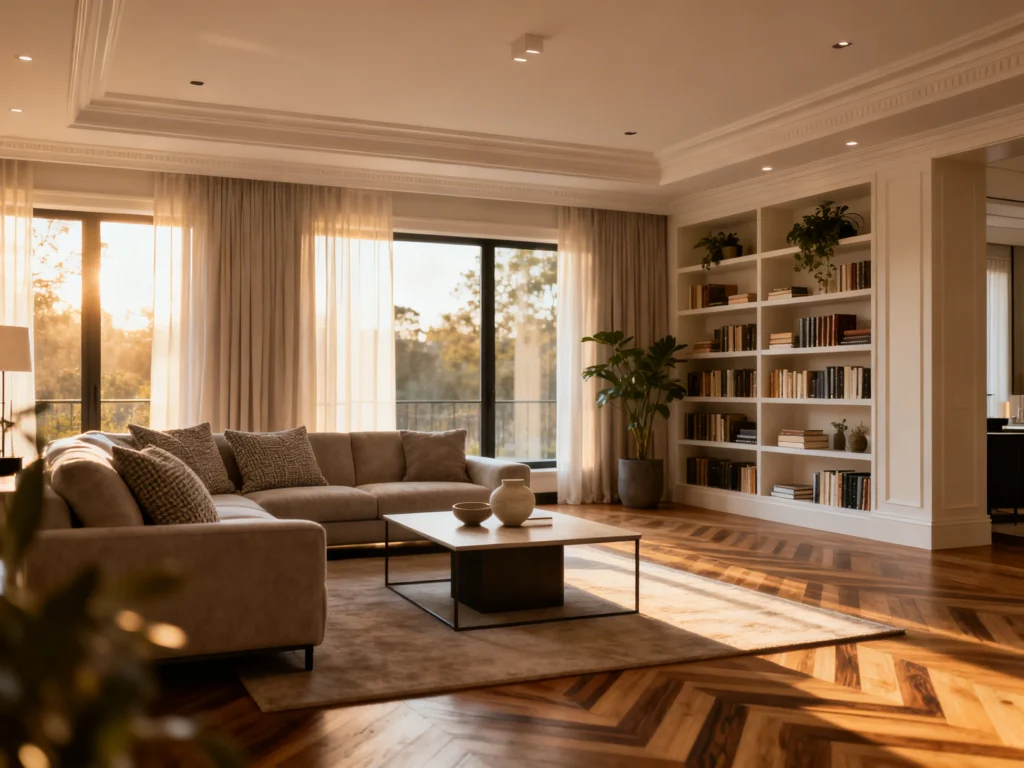
Residential Architecture Design Ideas for Functional Layouts
Great living rooms don’t just look beautiful—they flow. In residential architecture, a functional living room layout is the quiet foundation that makes everyday life feel effortless, whether you’re hosting, lounging, or moving through the space on a busy morning.
Below is a gallery of living-room-forward layout ideas—each with a distinct mood, silhouette, and architectural vibe. Think of them as pin-worthy blueprints for how furniture placement, circulation paths, and focal points can shape the way a room works.
Idea 1: The “Conversation Courtyard” Floating Layout
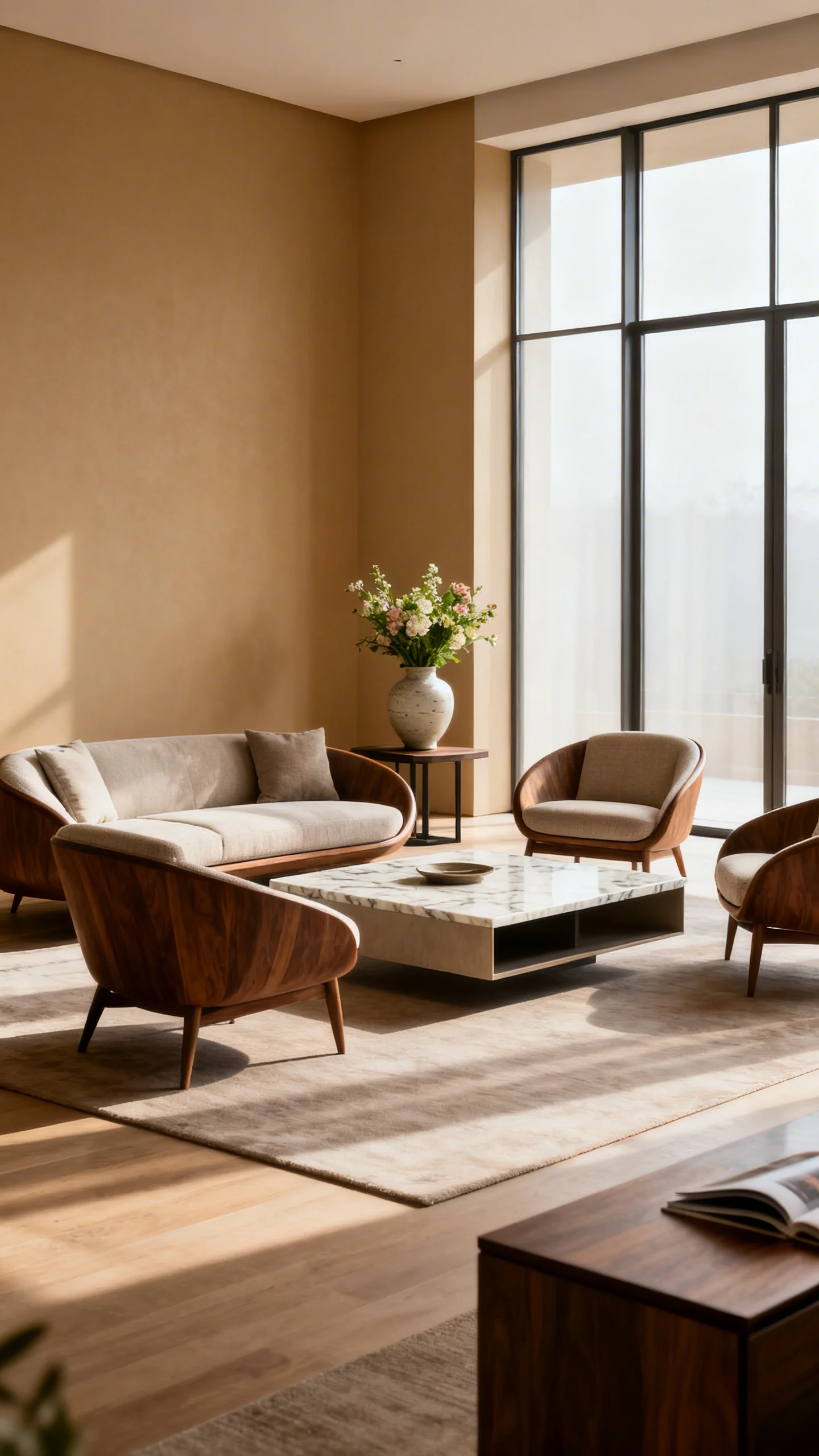
A living room where nothing hugs the walls: a sofa and two curved chairs float on a generous rug, forming a social circle that feels architectural and intentional. The center is a low, sculptural coffee table, while walkways glide smoothly around the perimeter—no awkward squeeze zones.
The vibe is gallery-clean yet warm: plaster walls, light oak floors, and a statement pendant centered above the seating “courtyard.” A slim console behind the sofa quietly adds drop-zone function without breaking the open feel.
Idea 2: The Fireplace Axis with Symmetry That Calms
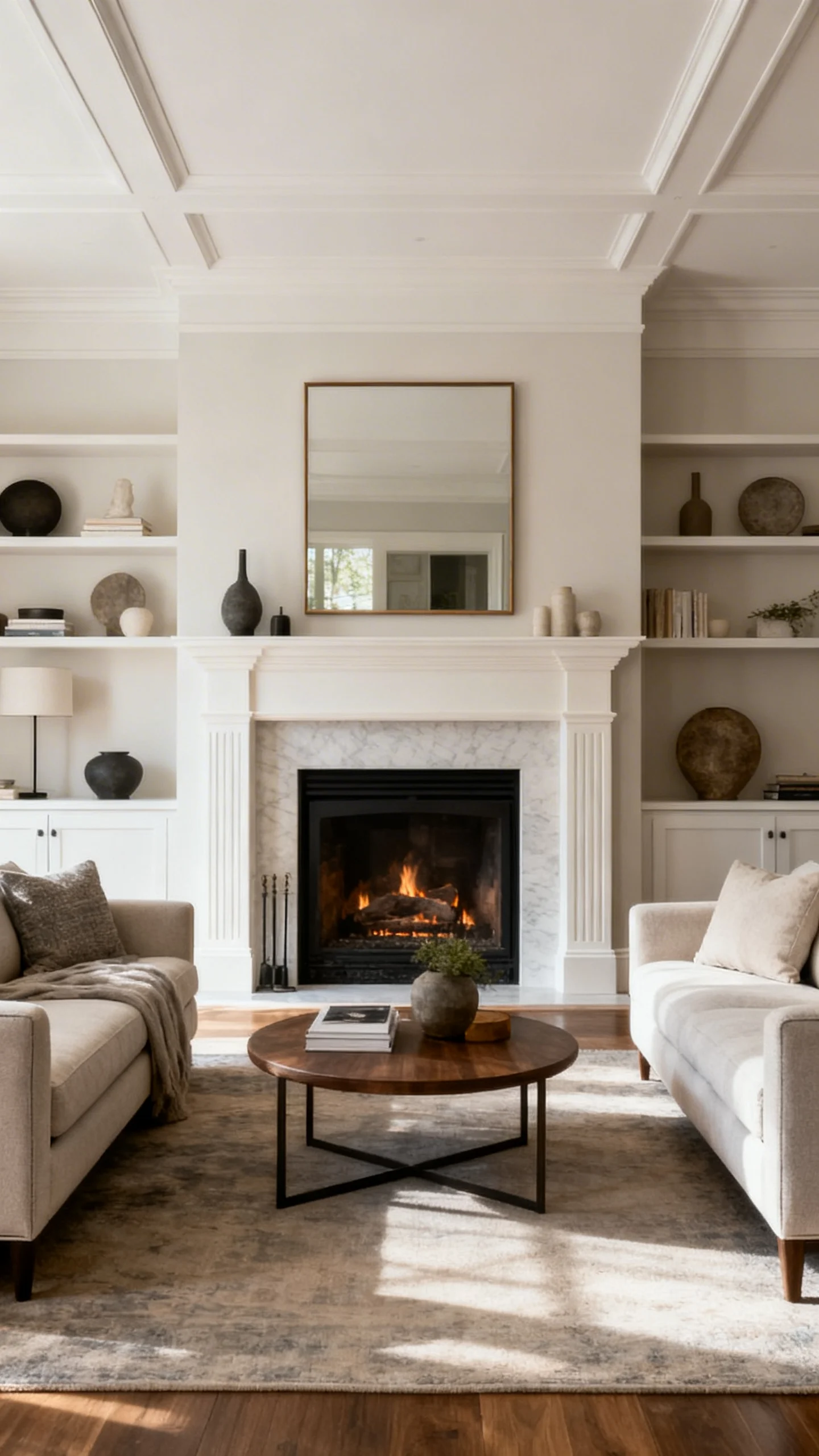
This layout leans into classic residential architecture: everything aligns to a central fireplace, creating a crisp axis that instantly reads as “finished.” Matching sofas (or a sofa + settee) face each other, with a straight path between seating and hearth.
Picture tailored comfort—linen upholstery, a stone surround, and built-ins that flank the fireplace like architecture, not furniture. The symmetry makes the room feel organized even when life is not, and the layout supports both quiet nights and easy entertaining.
Idea 3: The L-Shaped Sectional That Frames the Room
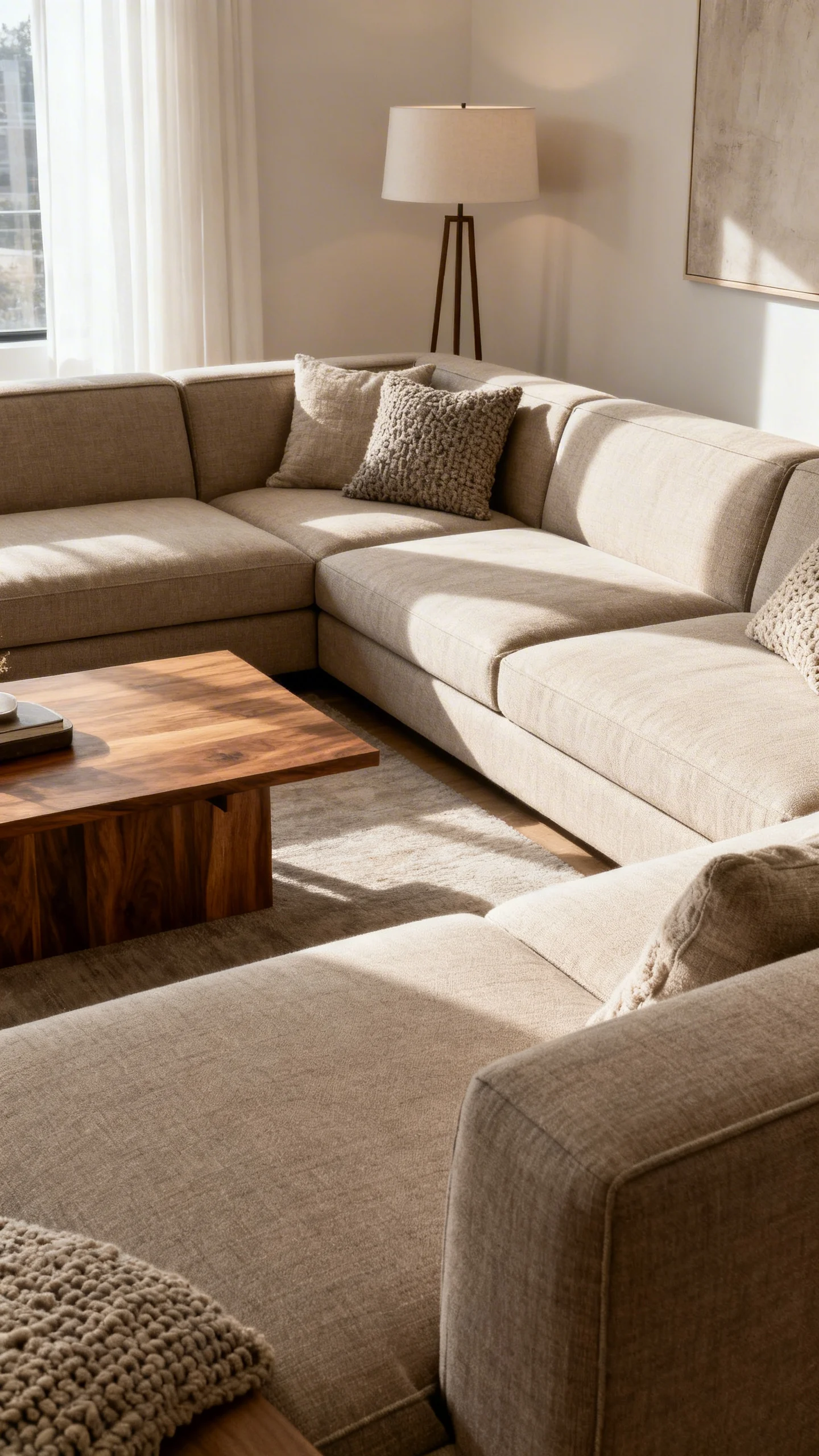
A modern family-friendly favorite: an L-shaped sectional forms a soft boundary that defines the living zone without adding walls. The long side anchors the room, while the return creates a natural “corner” for lounging and movie nights.
Visually, it’s cozy and grounded—think a chunky weave rug, a large round coffee table for smooth circulation, and a single oversized art piece that keeps the focal point calm. The layout feels efficient, like the room was designed around real life.
Idea 4: The Two-Zone Living Room (Lounge + Reading Nook)
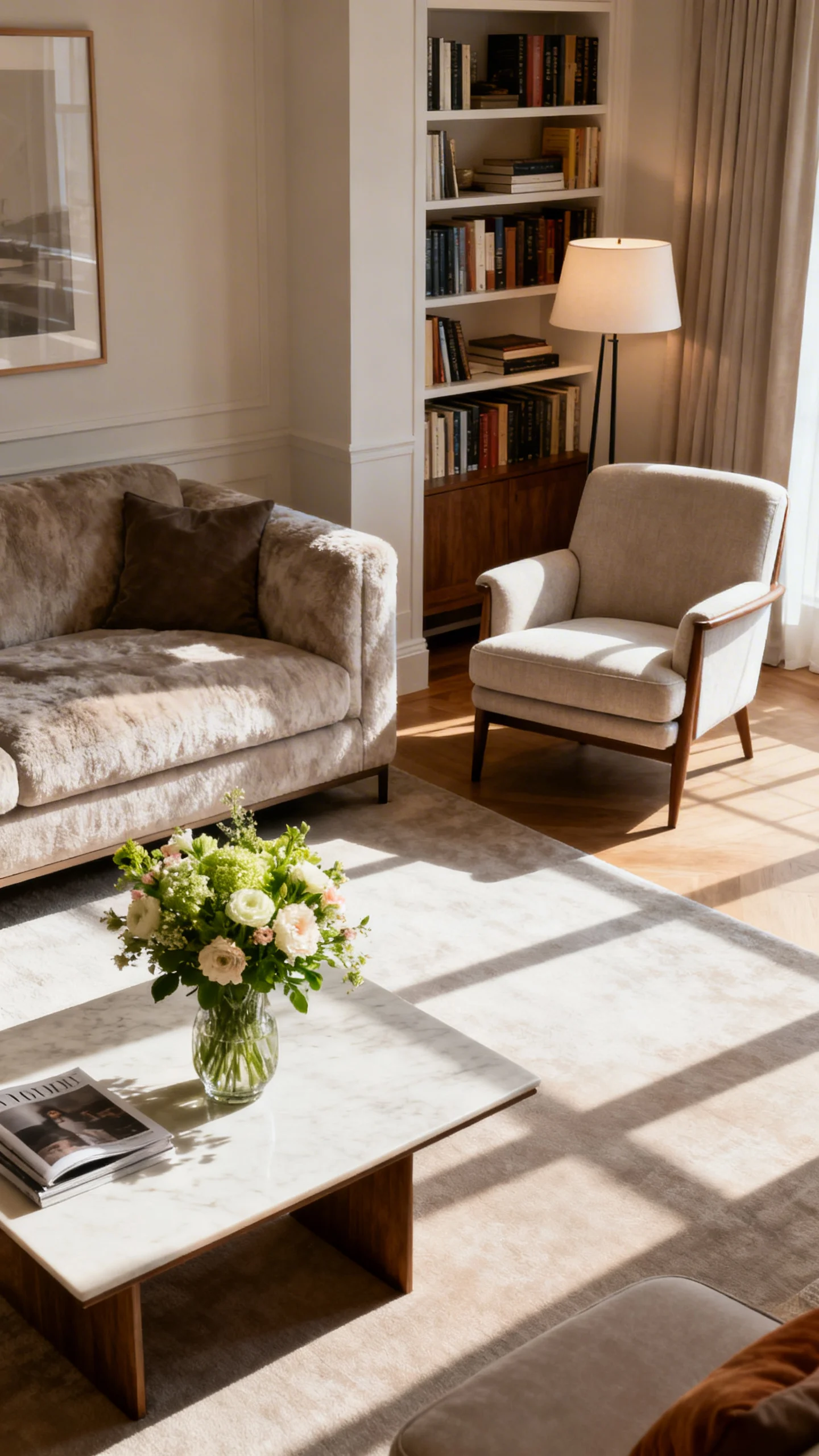
One living room, two distinct destinations: a main seating group for conversation, plus a separate reading nook that feels like its own tiny retreat. The zones are defined by rugs, lighting, and slight angle shifts—subtle architectural choreography.
Imagine a moody lounge area with a low sofa and layered textiles, while the nook features a sculptural lounge chair, petite side table, and an arc floor lamp. The layout reads elevated and functional, especially in larger footprints.
Idea 5: The Pass-Through Friendly Layout with a Clear “Runway”
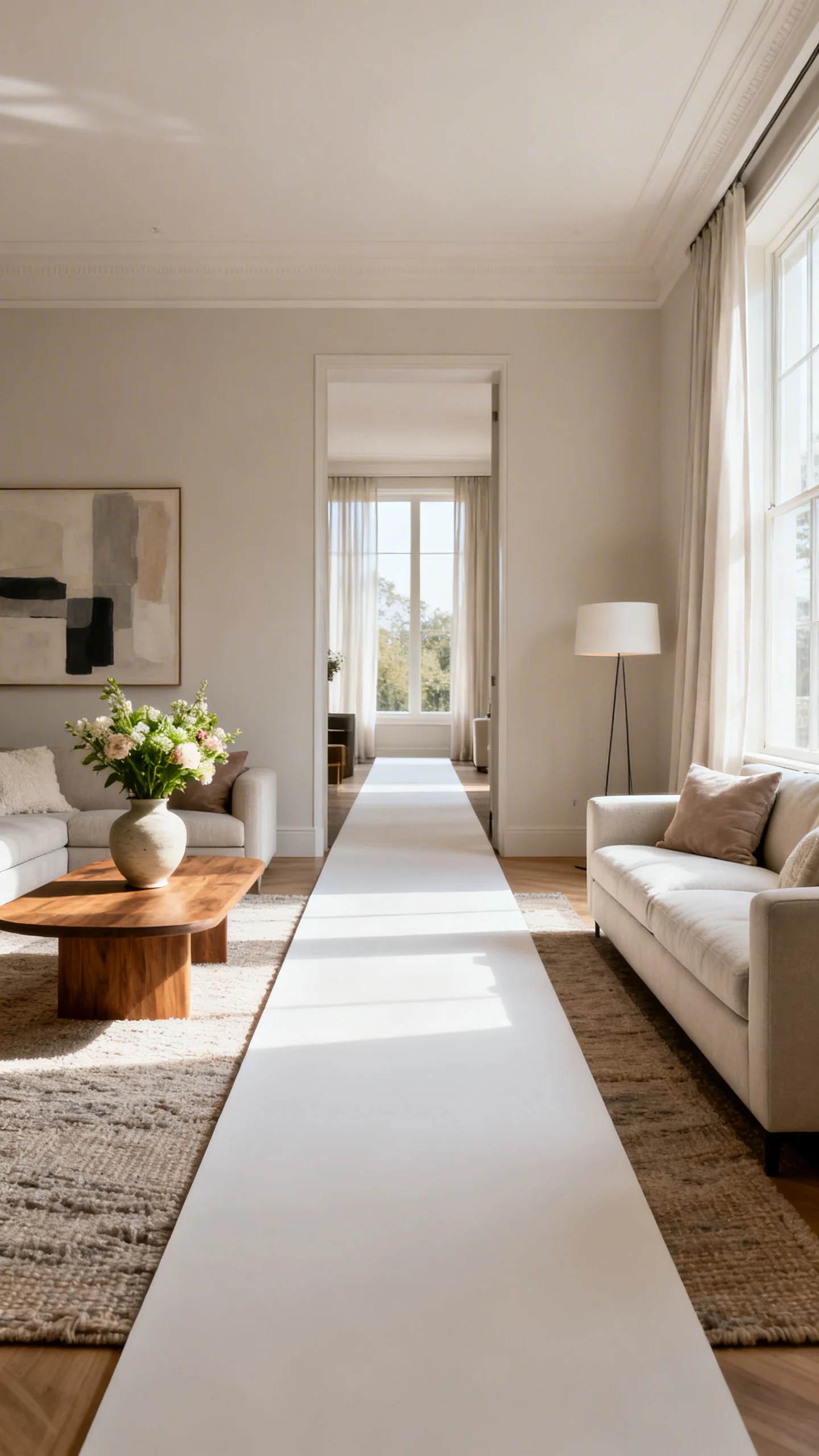
In homes where the living room sits on a main circulation path, the smartest layouts feel invisible: a clear “runway” for movement and a seating group that stays comfortably out of the way. A sofa faces a media wall or fireplace, while slim chairs tuck in neatly without blocking flow.
The aesthetic is streamlined—think thin-profile furniture, a narrow console, and wall-mounted lighting that keeps the floor open. It feels like residential architecture at its best: elegant movement, no obstacles, no apology.
Idea 6: The Window-Focused Layout with a View as the Star
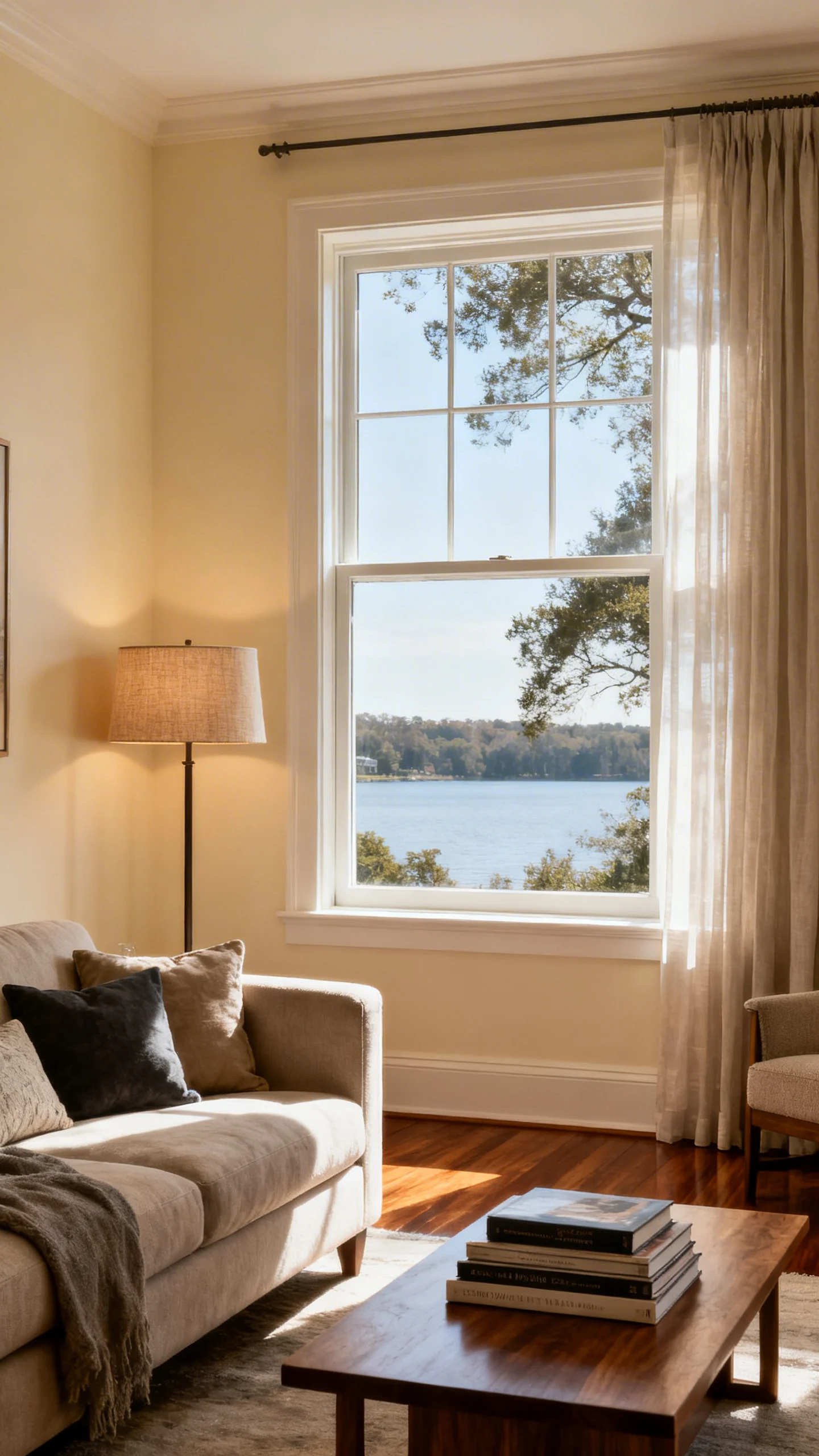
When a living room has a stunning view or dramatic glazing, the layout shifts: seating turns toward the windows, making nature (or skyline) the focal point. A pair of chairs sits closest to the glass, with a sofa slightly back to preserve an open, airy edge.
The mood is calm and bright—sheer drapery, light-toned upholstery, and a low media presence so the view stays uninterrupted. The space feels like a modern pavilion, designed around light and pause.
Idea 7: The Built-In Bench Perimeter That Saves Space
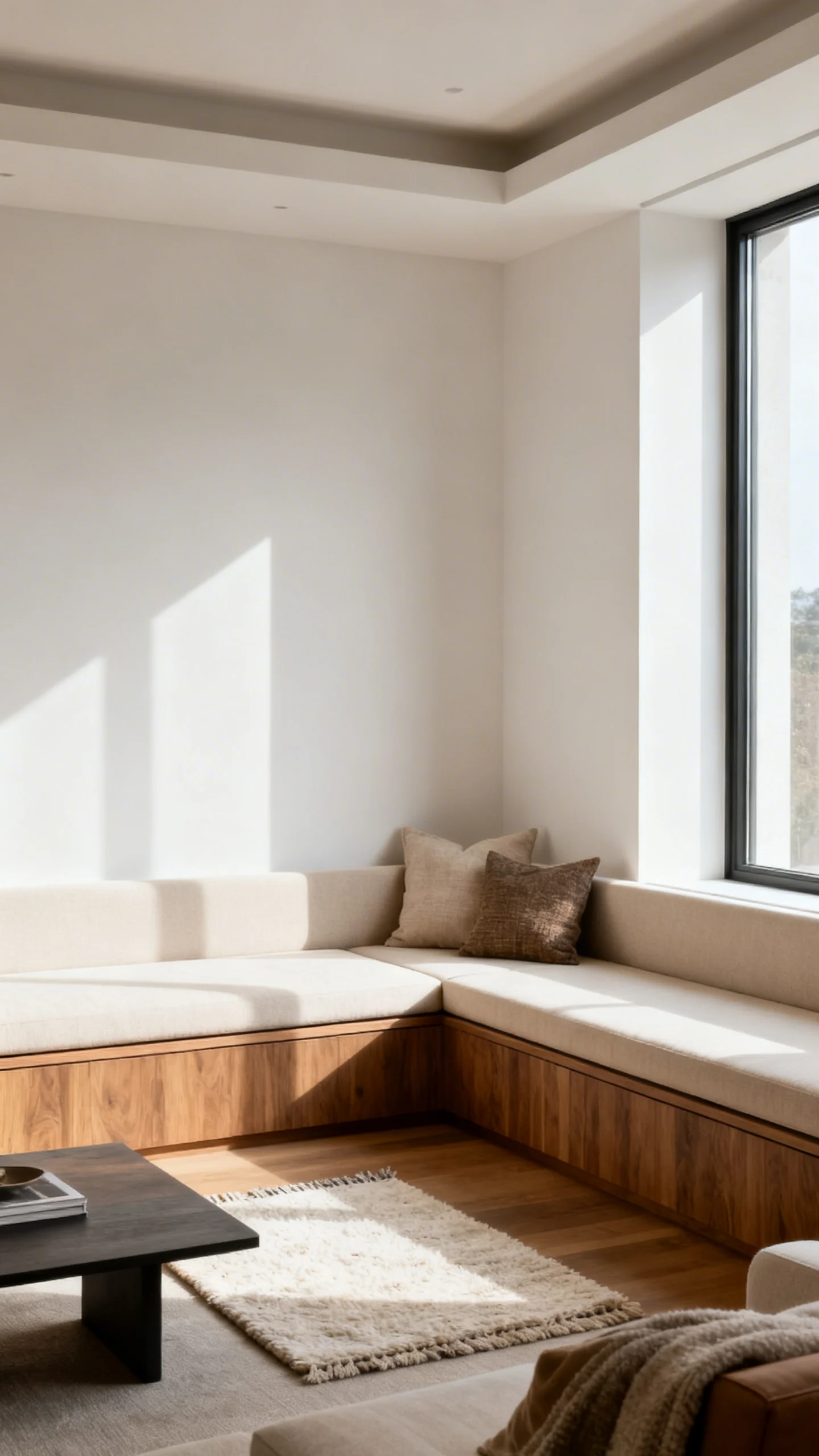
This idea feels custom and architectural: a built-in bench runs along one wall (or under windows), turning the perimeter into seating that doesn’t consume the floor. A compact sofa or loveseat pairs with it to form an efficient, friendly layout.
Visually, it’s charming and intentional—cushioned bench seating, warm wood trim, and integrated storage below for throws and games. The room reads bigger because the furniture feels “part of the house,” not piled into it.
Idea 8: The Angled Seating Layout for Architectural Interest
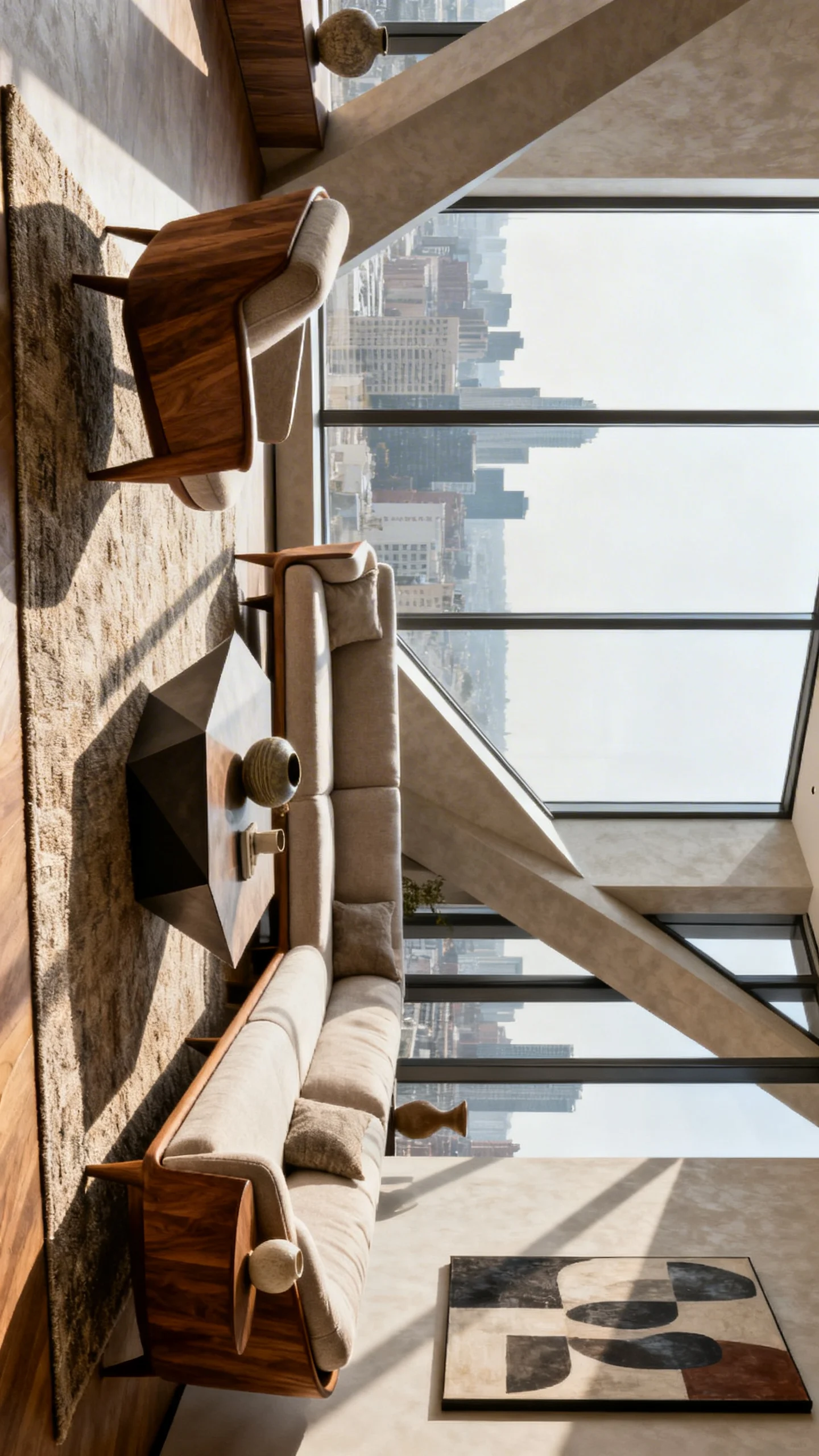
Instead of everything marching parallel, this living room layout uses angled chairs (or an angled sectional) to create motion. The focal point might be a corner fireplace, a dramatic art wall, or a sculptural media unit—something that invites a slight turn.
The vibe is dynamic and design-forward: a faceted coffee table, a bold rug pattern that reinforces the angle, and lighting placed like punctuation. The layout feels curated, like an editorial spread, but still comfortable to live in.
Idea 9: The Library-Living Room with Wraparound Shelving
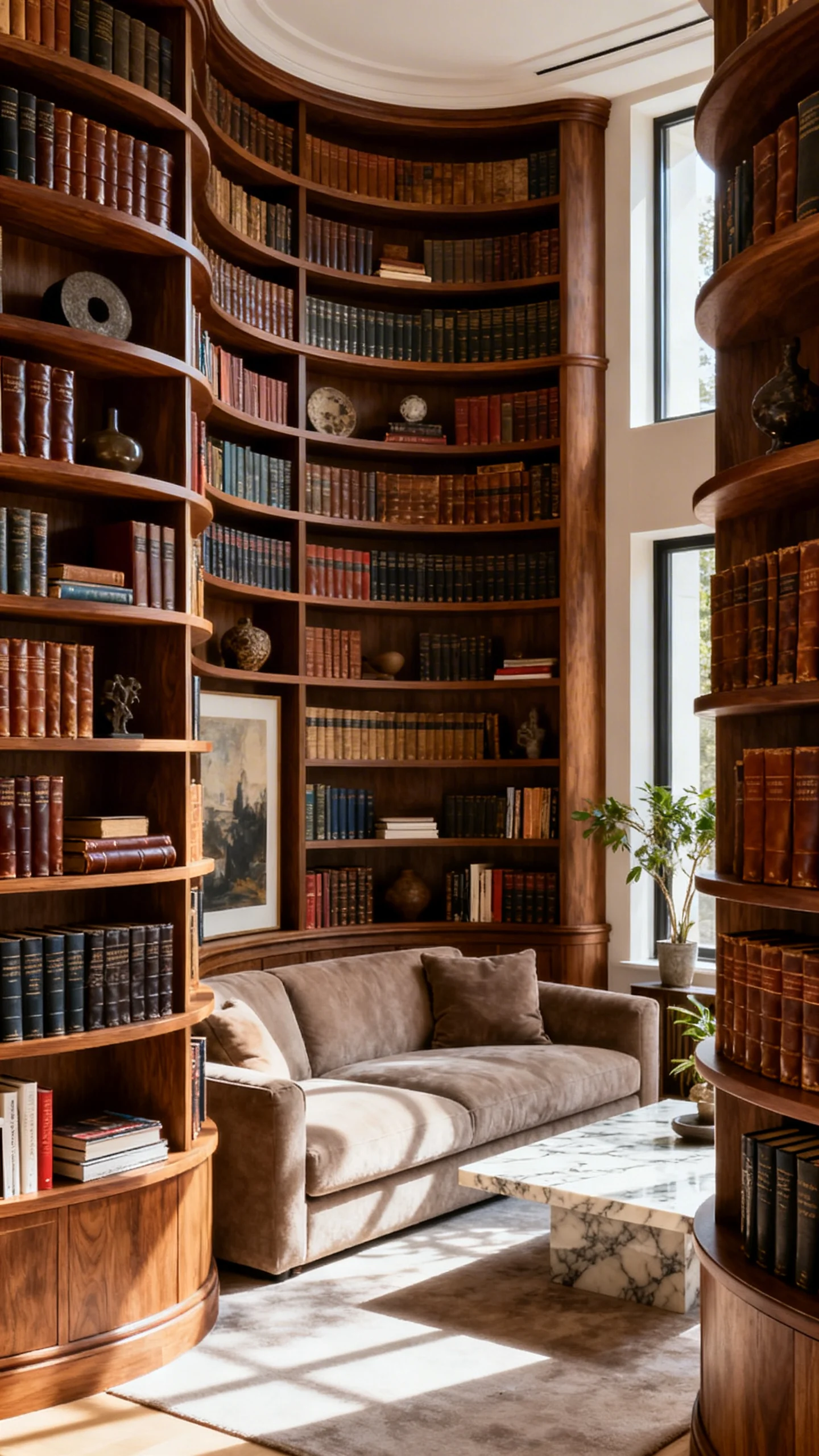
For a living room that feels immersive, wrap the architecture in books: built-in shelving spans one or more walls, and the seating sits centered like a “salon” inside a library. A sofa faces two chairs, creating a conversational rectangle that feels timeless.
Think deep, inviting colors—ink blue, warm walnut, creamy bouclé—and layered lighting that makes the shelves glow at night. The layout is functional because everything has a place, and the room becomes a destination, not just a pass-through.
Idea 10: The Minimal Media Wall Layout with Hidden Function
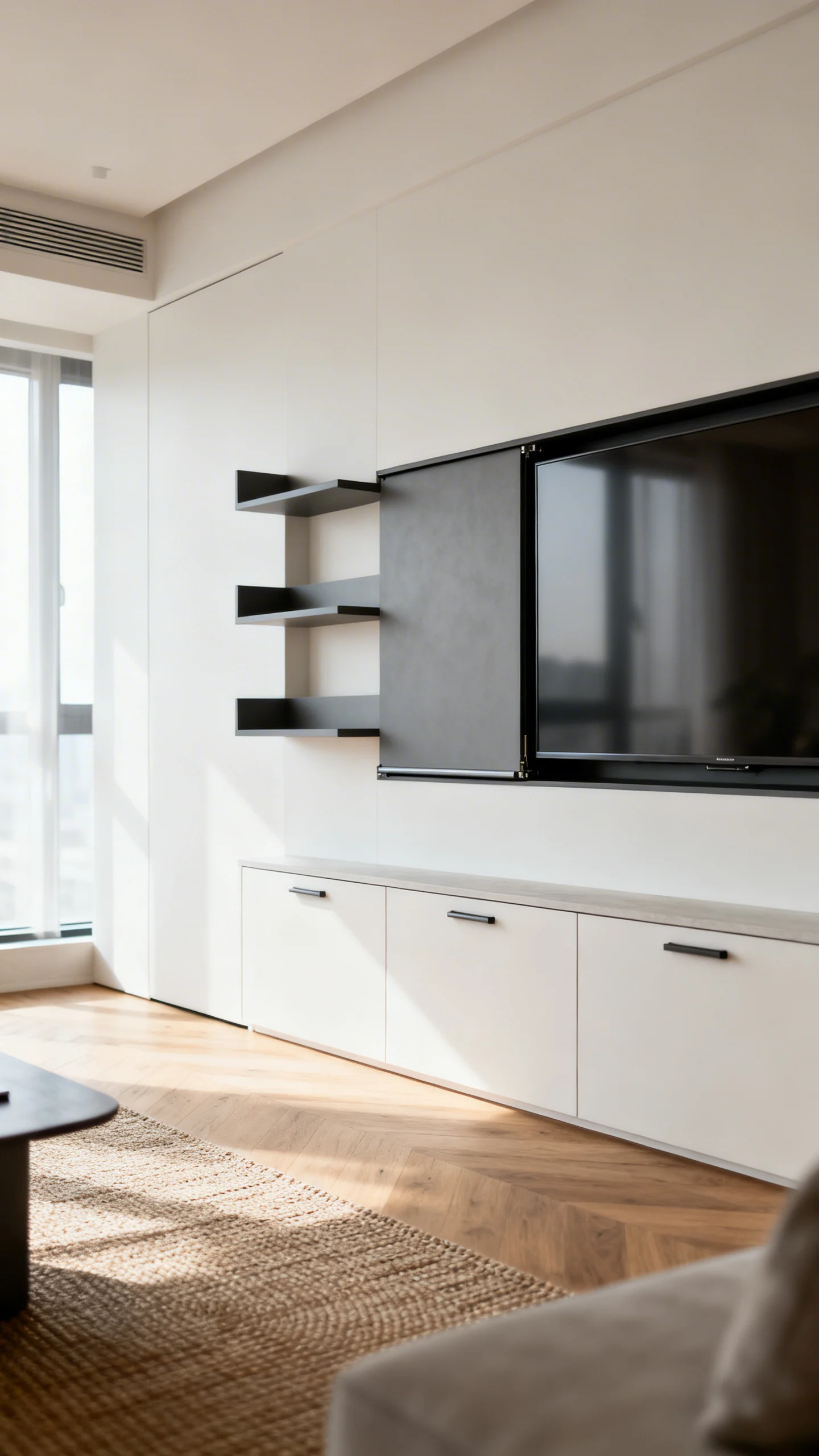
This is for lovers of clean lines: a low, minimal media wall anchors the room while storage disappears into flush cabinetry. Seating is kept simple—one long sofa, one statement chair, and negative space that makes the room breathe.
The mood is serene and modern—microcement or limewash walls, a large rug that defines the zone, and a single oversized plant for softness. The layout feels functional because clutter is visually erased, leaving an uncluttered, easy-to-use living room.
FAQ
What makes a living room layout “functional” in residential architecture?
A functional living room layout supports natural movement, creates a clear focal point, and groups seating so conversation and lounging feel effortless. The best ones feel intuitive—paths are open, and the room’s purpose is instantly legible.
How do you define zones in an open living room without adding walls?
Zones are often shaped by furniture placement and visual anchors like rugs, lighting, or built-ins. A floating sofa, a distinct rug, or a console can create a “room within a room” while keeping the architecture open.
What layout works best for a living room that people walk through often?
Look for a layout with a clear circulation lane along one side or behind the seating. A compact seating group that stays off the main pathway keeps the room comfortable and prevents the “furniture obstacle course” feeling.
How do you keep a living room layout feeling open but still cozy?
Use fewer, well-scaled pieces and anchor them with a generously sized rug to create cohesion. Cozy comes from a tight seating conversation distance, layered textures, and lighting that pools around the seating area—without crowding the floor plan.
Can a living room layout prioritize both TV viewing and conversation?
Yes—choose a focal wall that can host media discreetly and arrange seating to face slightly toward it while still forming a conversational shape. A sofa with swivel chairs or a balanced L-shape can make the room feel social and screen-friendly at once.