
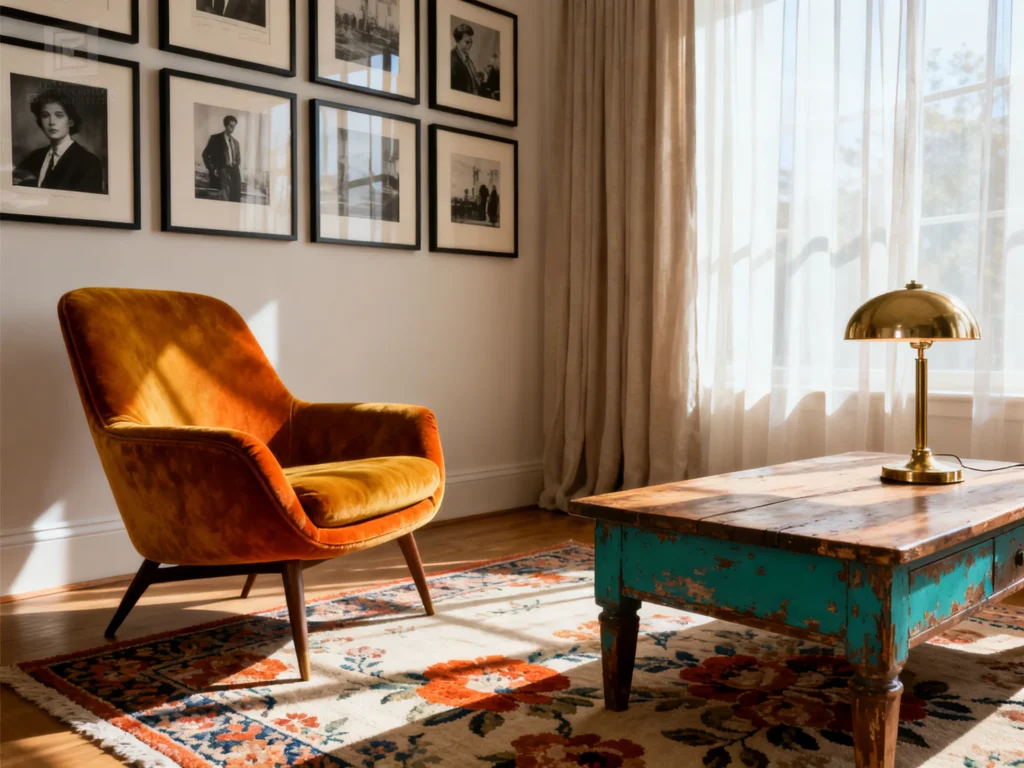
Vintage Interior Design Style Ideas That Don’t Feel Dated
Vintage style has a certain magic: the patina, the stories, the collected-with-care feeling that new pieces can’t fake. The trick to keeping it fresh is choosing vintage moments that feel intentional, edited, and light on their feet.
Below are ten distinctly different, Pinterest-ready vintage interior design ideas—each with a modern edge so the look feels curated, not stuck in time.
Idea 1: Parisian Apartment Neutrals with One Gilded Moment
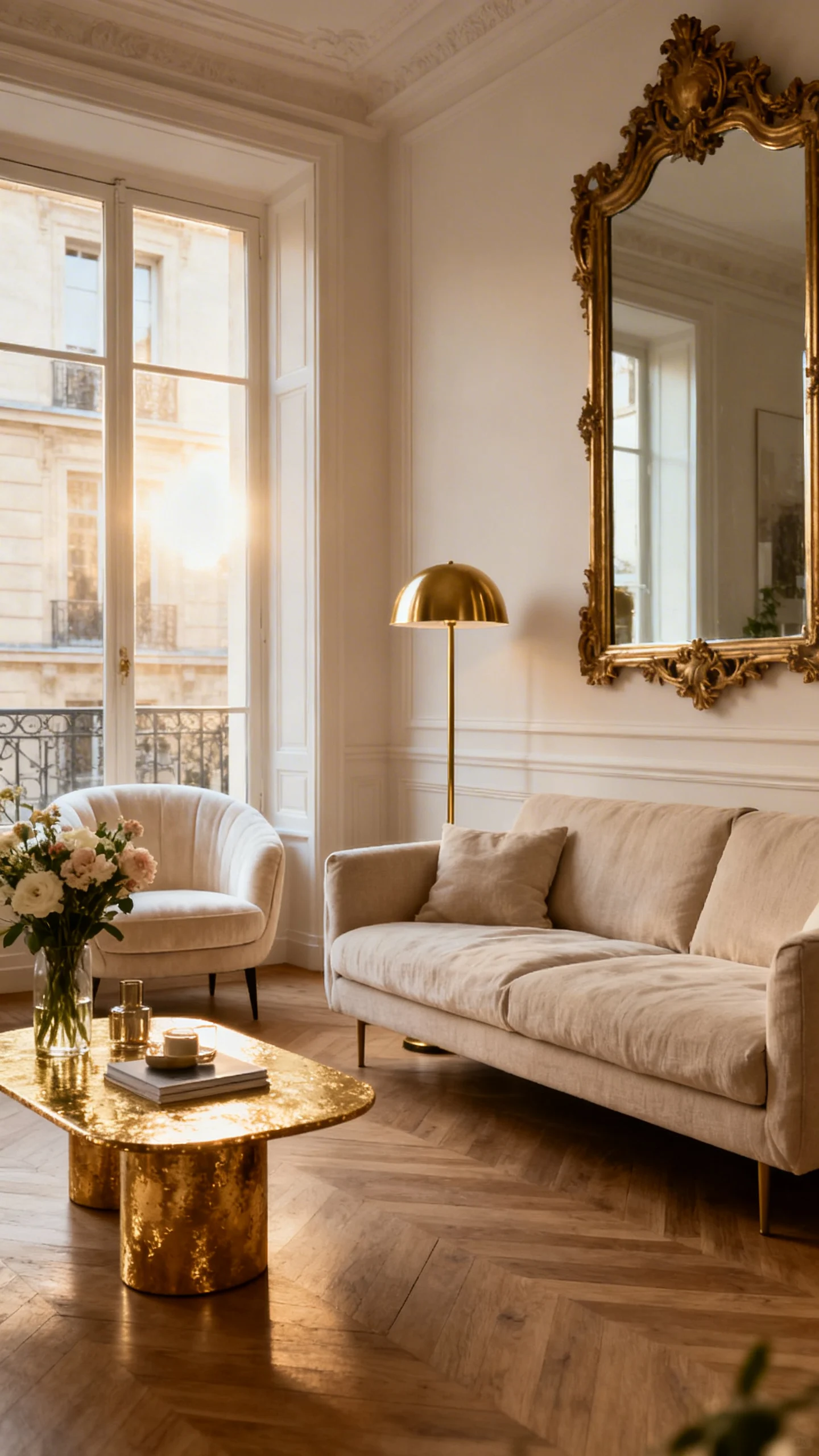
Picture creamy walls, pale oak floors, and tall, whispery linen curtains that glow in the afternoon sun. The vintage comes through in a single ornate gilt mirror or a small gold-framed oil painting—just enough to add that old-world sparkle without turning the room into a period set.
The vibe is quiet luxury: a slim modern sofa, a marble-topped bistro table, and a vintage brass picture light that feels like jewelry for the wall. It’s airy, elegant, and surprisingly current.
Idea 2: Mid-Century Lines Paired with Soft, Cloudy Textures
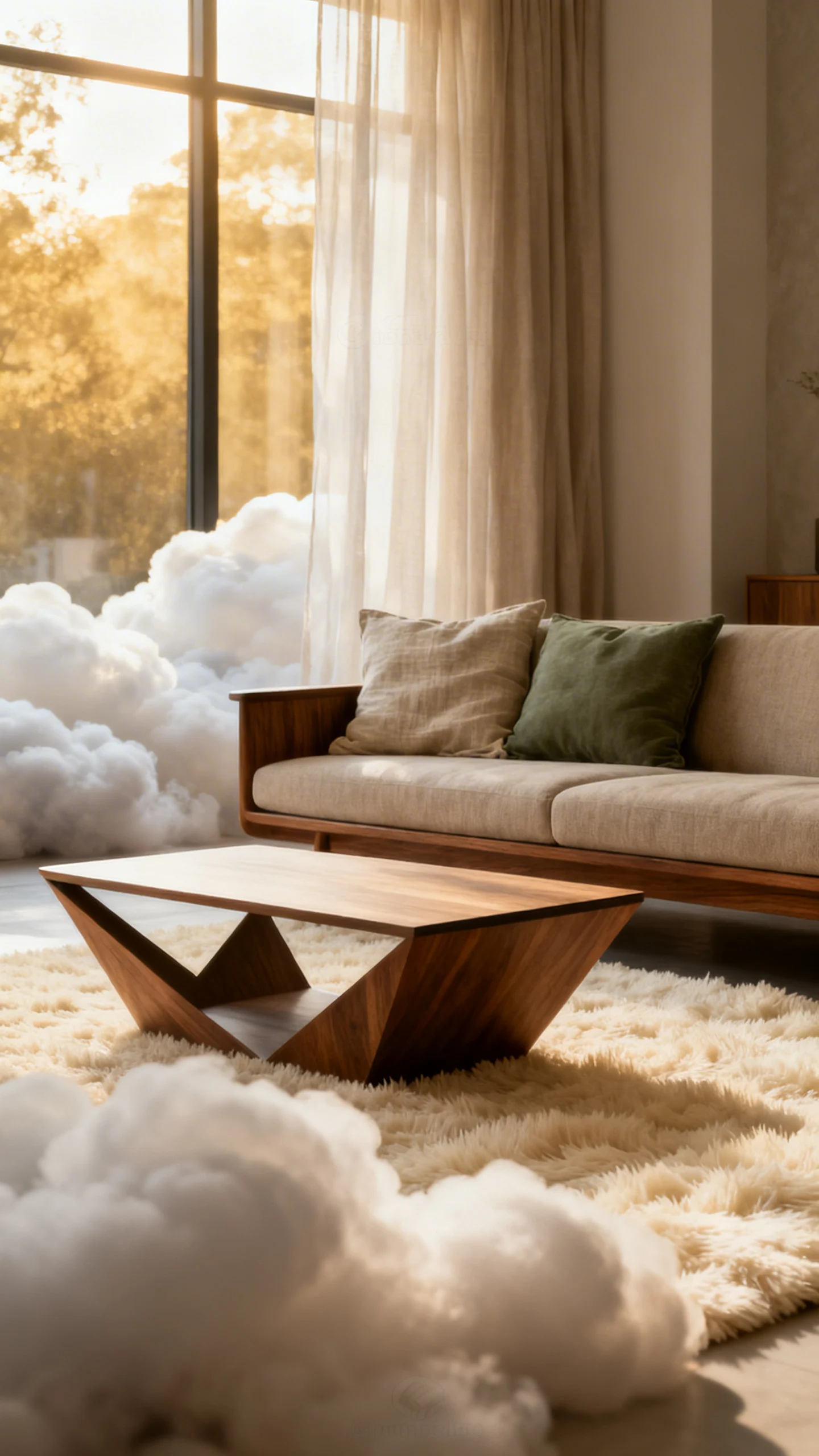
Instead of leaning hard into a “Mad Men” look, keep the silhouettes sleek—think a walnut credenza, a low-profile lounge chair, and a classic arc floor lamp—then soften everything with boucle, chunky wool, and a tonal rug that reads like a watercolor wash.
The contrast is the point: vintage geometry meets modern comfort. Add a ceramic table lamp in an offbeat shape and a few matte-black accents for a clean, updated finish.
Idea 3: Grandmillennial Florals, Edited and Elevated
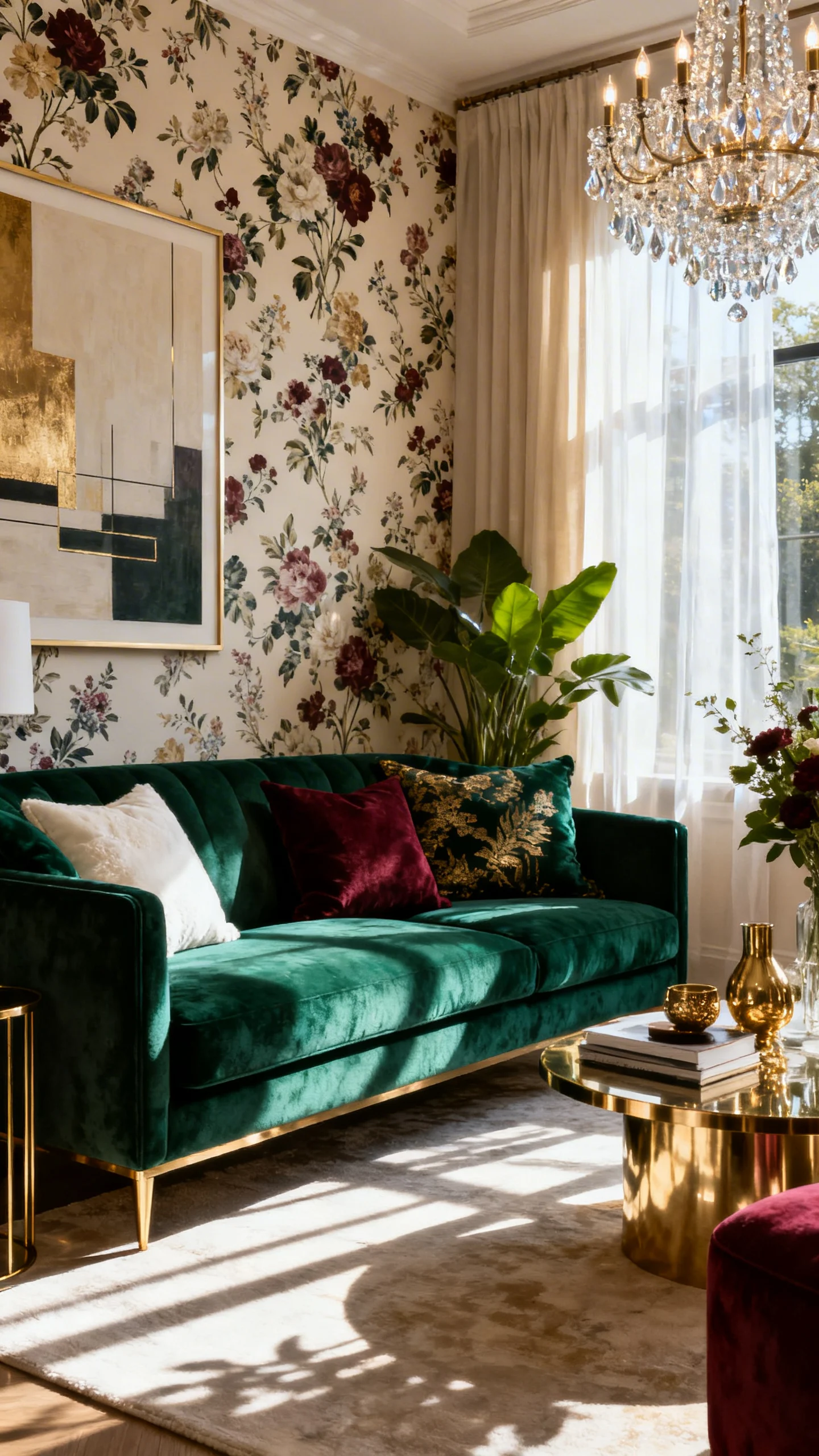
Floral can feel fresh when it’s treated like art. Imagine a tailored floral wallpaper in muted tones (dusty rose, sage, warm cream) paired with crisp white trim and streamlined furniture that keeps the room from feeling busy.
Finish the look with a vintage bamboo or rattan side table, a scalloped edge detail (lamp shade or mirror), and one modern, graphic piece—like a black-and-white photograph—to bring the whole story into the present.
Idea 4: Vintage Industrial, But Warm and Candlelit
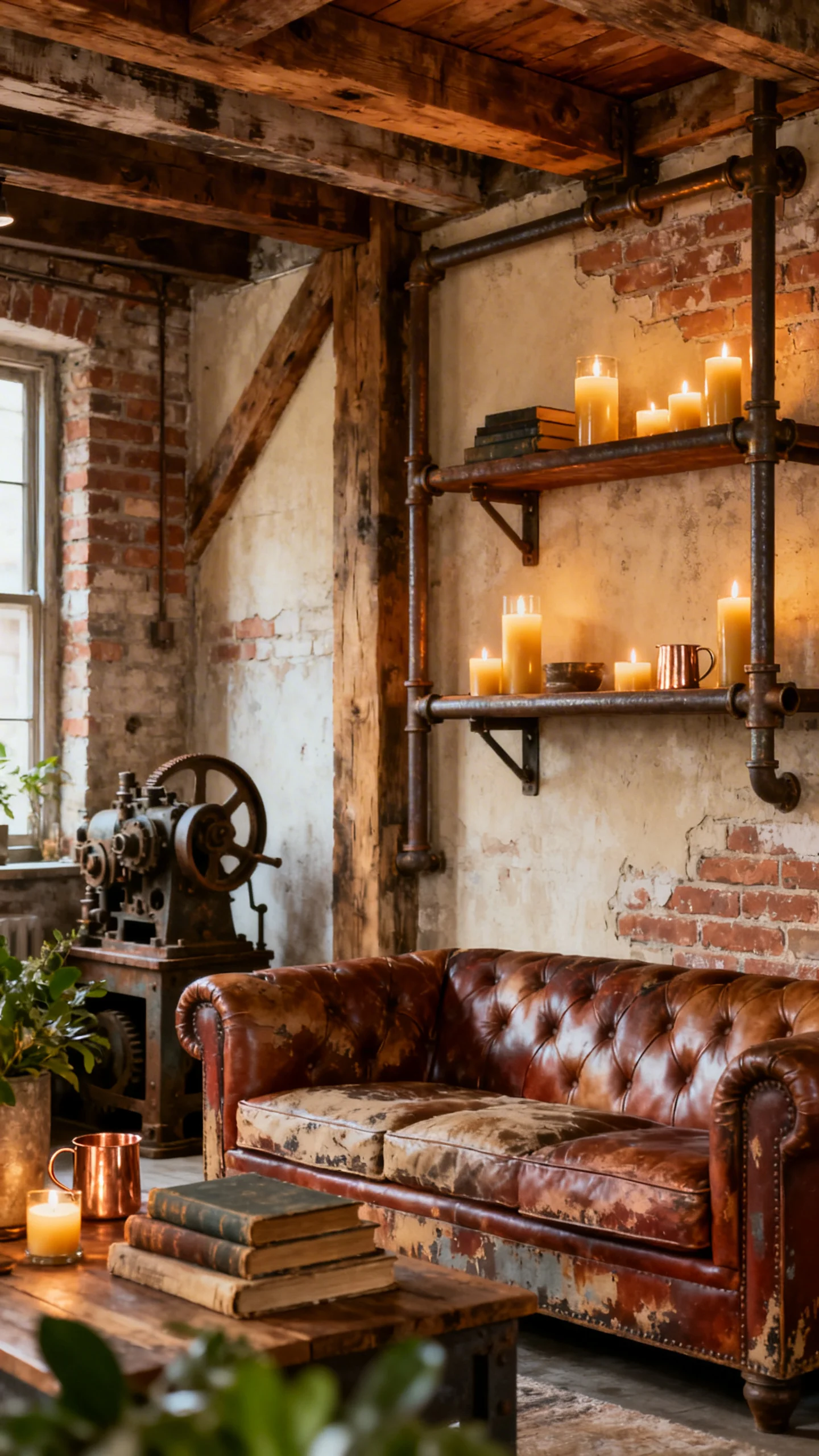
Think aged metal, worn leather, and a storied workbench-style console—but in a space that’s softly lit and intentionally cozy. A vintage factory pendant or enamel shade lamp feels iconic, especially against warm plaster walls or deep, inky paint.
Layer in moody warmth with amber glass, a vintage Turkish rug, and a stack of art books. The result is less “warehouse” and more “downtown loft with a soul.”
Idea 5: English Cottage Vintage with Crisp, Modern Contrast
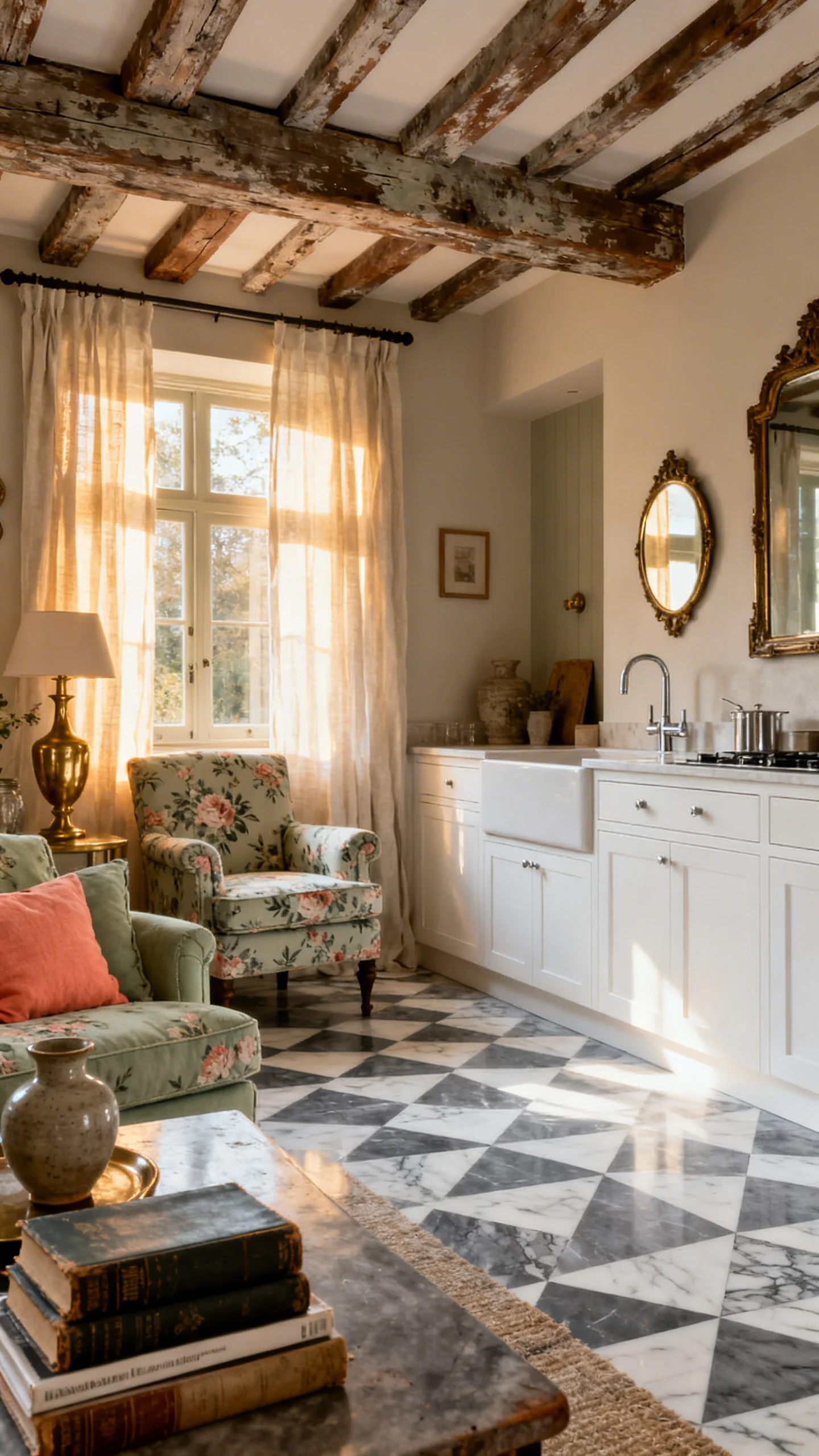
Bring on the charming details—an antique spindle chair, a petite sideboard, a gathered lampshade—but balance them with clean-lined upholstery and a restrained palette like cream, tobacco, and soft black.
The room feels like a weekend escape that still reads modern: fresh greenery in a stoneware pitcher, a simple striped textile, and one contemporary light fixture to keep the look from drifting too nostalgic.
Idea 6: Art Deco Glam in a Minimal, High-Impact Palette
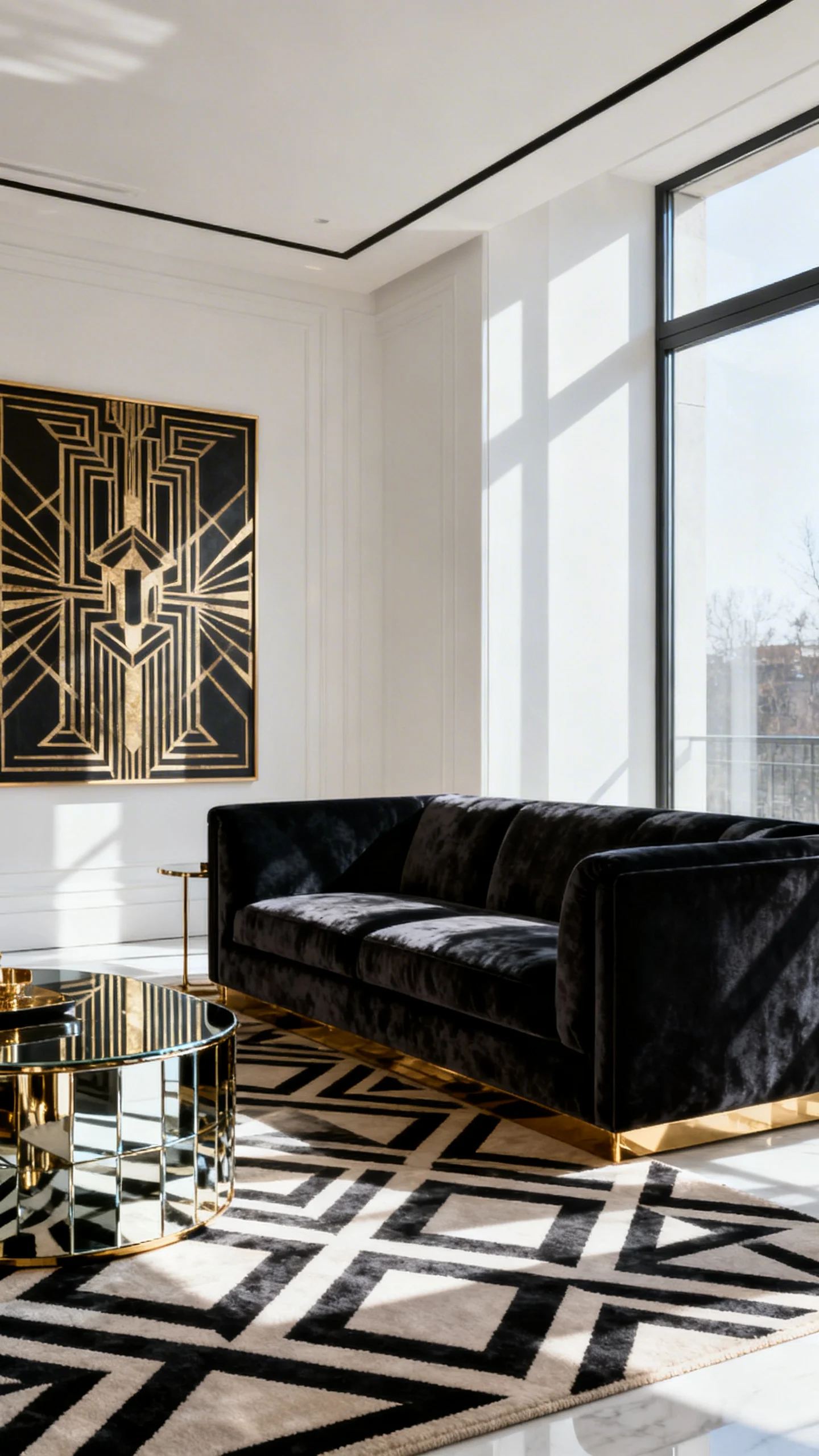
Art Deco doesn’t have to mean over-the-top sparkle. Picture a pared-down room in warm white and black with a single dramatic vintage note—like a scalloped mirror, a stepped side table, or a fan-shaped headboard that nods to the era.
Add glossy contrast through lacquer, smoked glass, or a polished stone surface. The vibe is sleek, cinematic, and very now—like a boutique hotel suite with a vintage wink.
Idea 7: Southwestern Vintage with Modern Calm
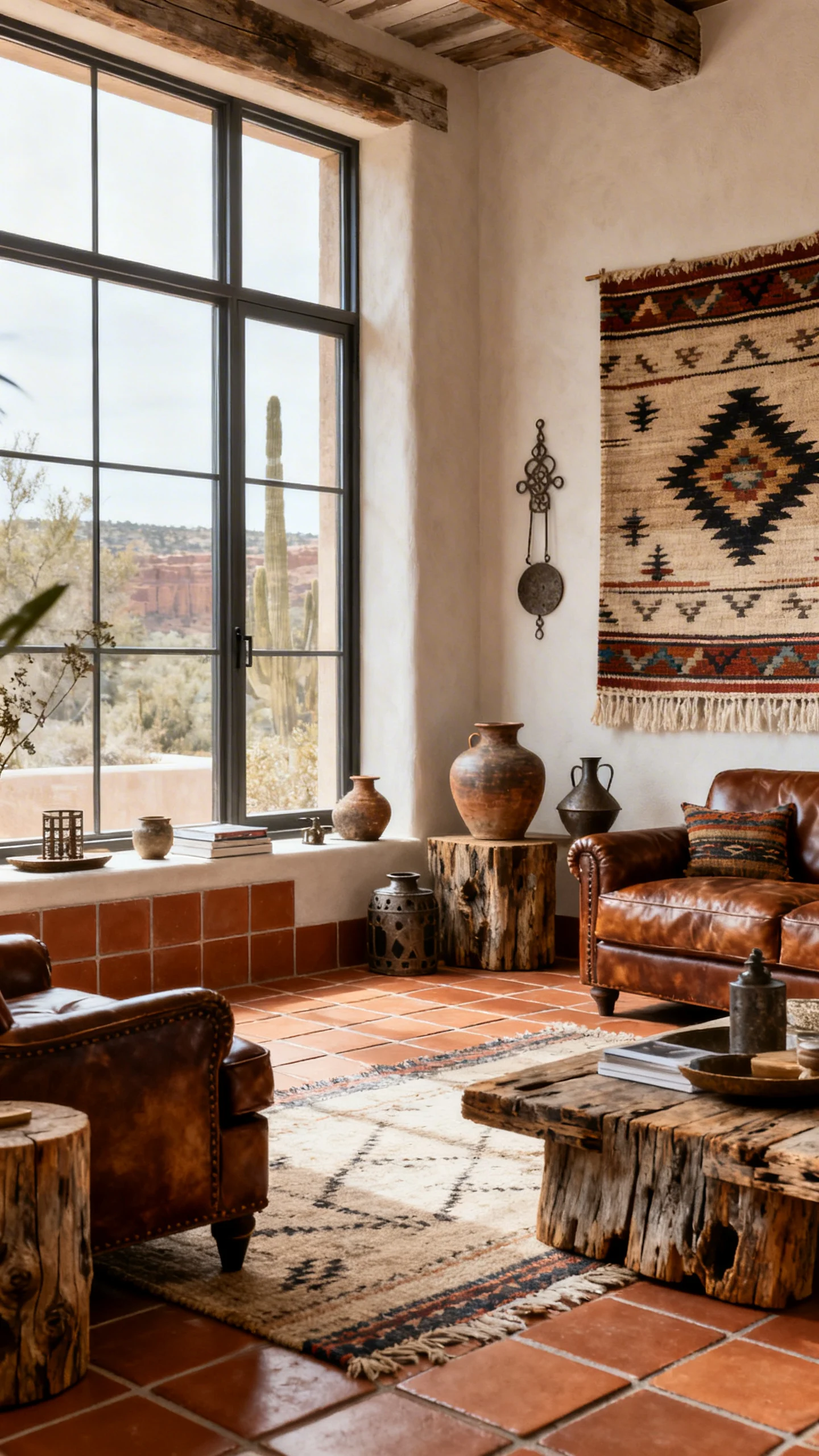
Instead of a themed desert look, go for a sunbaked, tonal approach: sand-colored walls, creamy upholstery, and a vintage kilim or Navajo-inspired textile used sparingly—perhaps as a single statement rug or framed as art.
Anchor it with rustic wood, hand-thrown pottery, and a sculptural vintage chair. The overall effect is grounded, earthy, and serene—more spa-like than souvenir-shop.
Idea 8: Italian 1970s Curves with Soft Neutrals
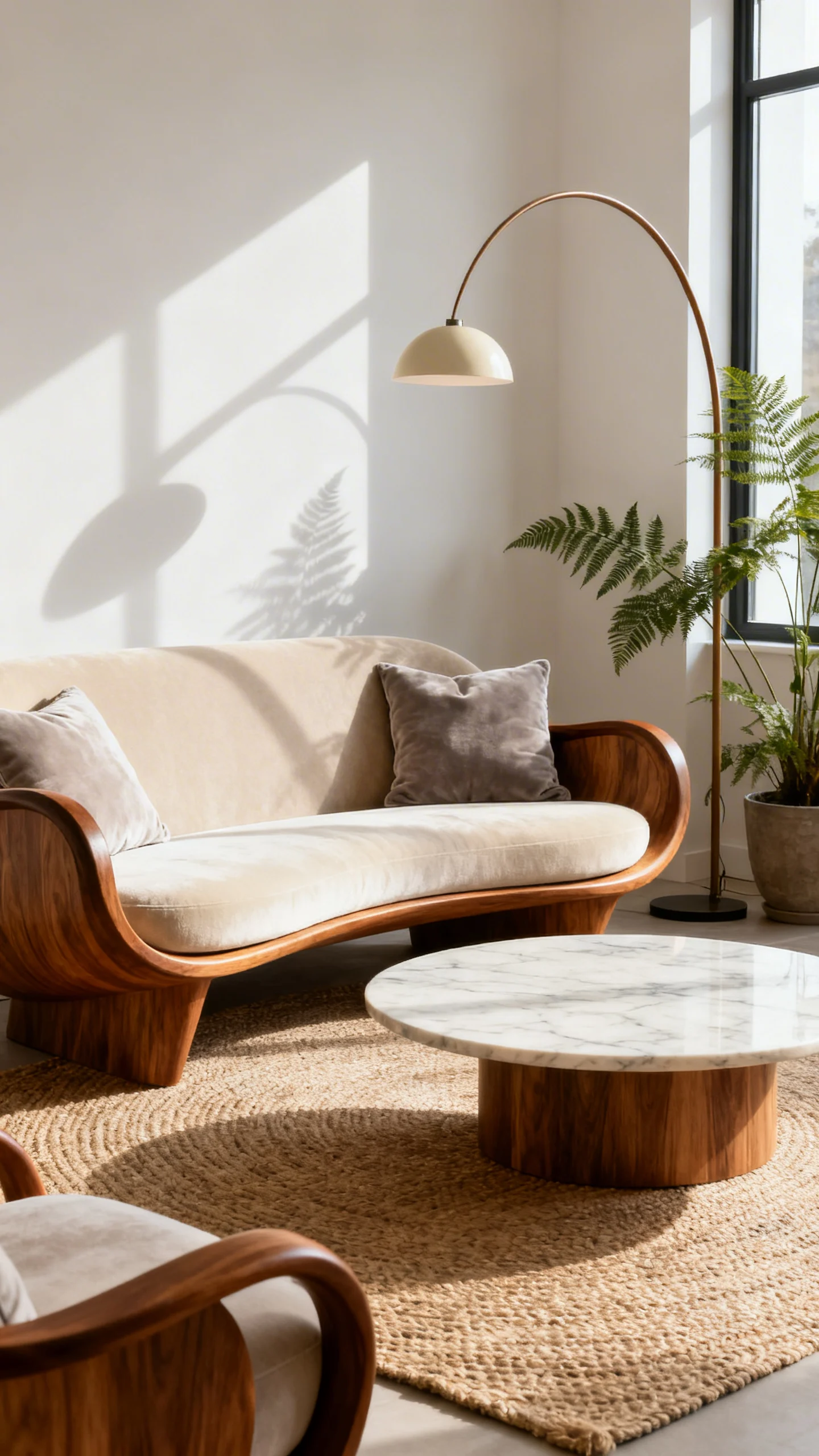
Channel the romance of 1970s Italian design—rounded sofas, curved chrome or lucite details, and chunky forms—but keep the palette light: oat, ivory, and warm taupe with subtle shine.
Finish with a vintage travertine coffee table, a playful mushroom lamp, and one large abstract artwork. It feels sculptural and fashion-forward, like a design gallery you can actually lounge in.
Idea 9: Antique Wood Meets Modern Stone and Clean Geometry
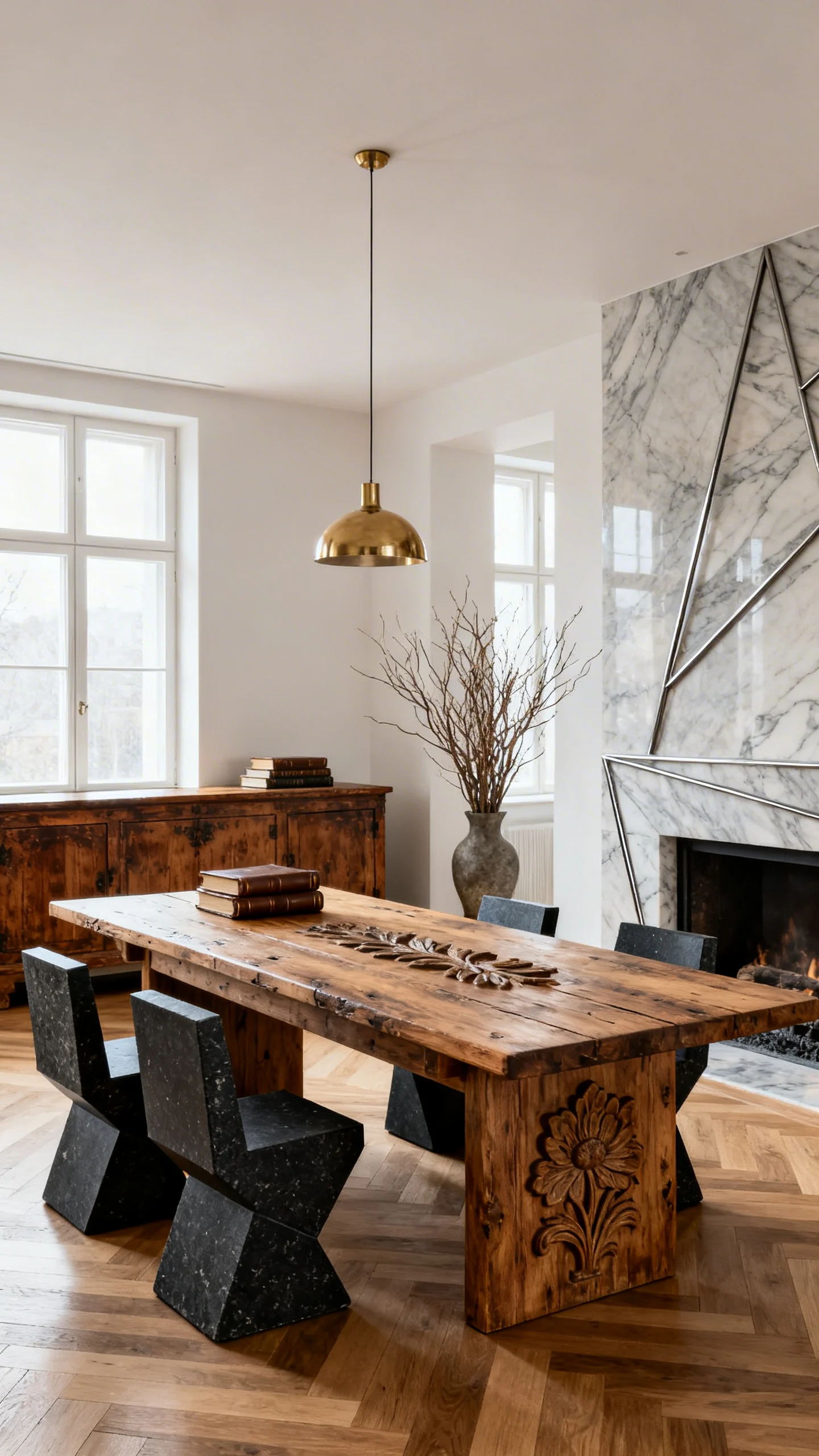
A vintage space can feel instantly updated when antique wood is paired with crisp, modern materials. Imagine an inherited oak dining table set against a clean-lined stone console or a minimalist pendant light overhead.
Keep the styling spare: a single oversized vase, a simple runner, and chairs that are modern in silhouette. The old and new play off each other, creating a look that’s timeless rather than trendy.
Idea 10: Vintage Gallery Wall with Contemporary Spacing
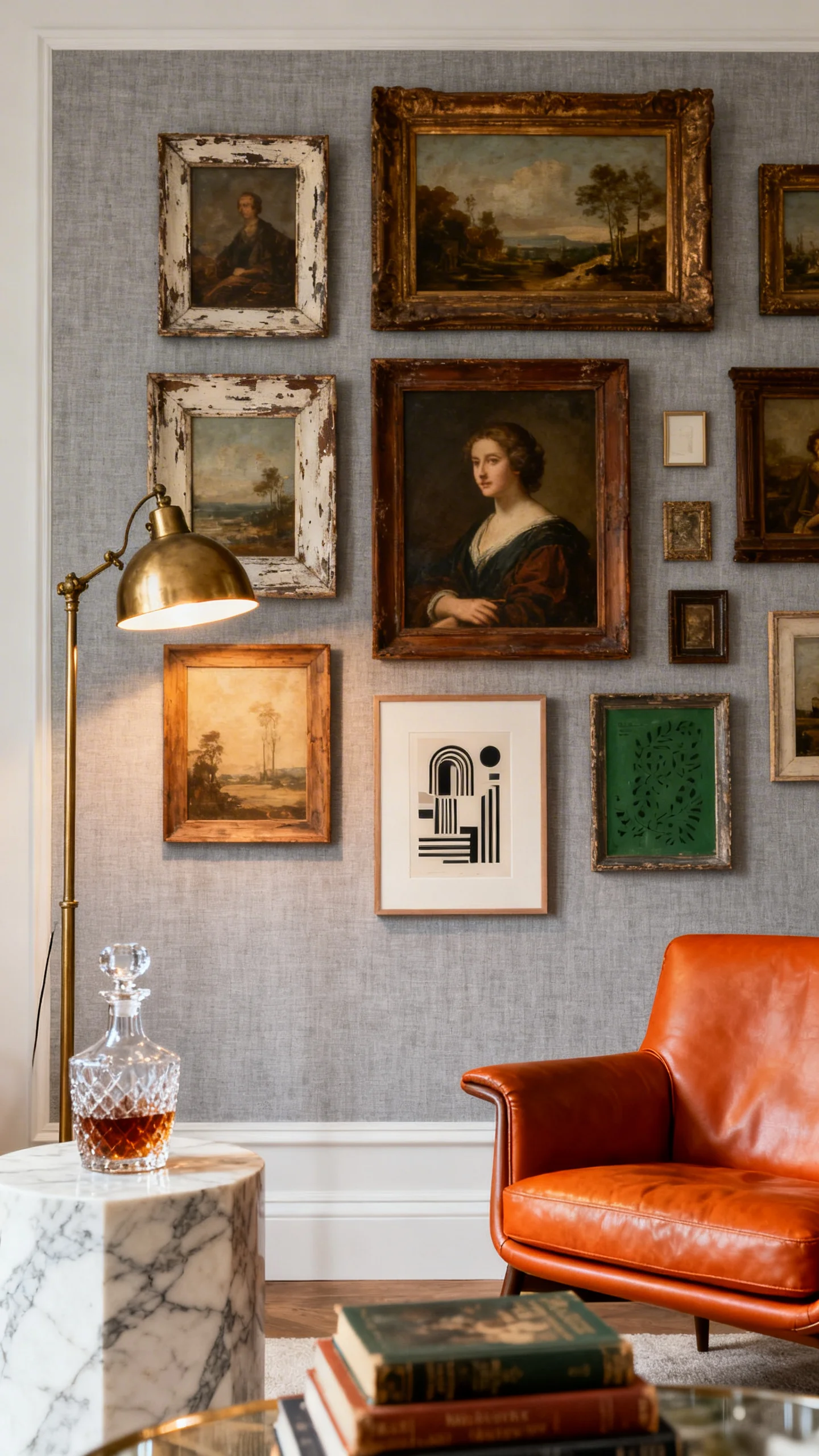
Vintage frames, old sketches, and flea-market prints feel fresh when the layout is intentional. Picture a gallery wall that mixes ornate gold frames with simple wood ones, all arranged with generous breathing room and consistent alignment.
The mood is curated and personal, not cluttered: a few black-and-white photos, one bold modern poster, and a vintage sconce or picture light to make it feel like a mini museum at home.
FAQ
How do you make vintage decor look modern instead of dated?
Keep the overall palette edited, then let one or two vintage pieces be the stars. Pair antique or retro items with clean-lined furniture, contemporary art, and simpler styling so the room feels intentional and current.
What colors make vintage interiors feel fresh?
Soft neutrals (cream, oatmeal, warm white) and muted shades (sage, dusty rose, tobacco, ink) tend to modernize vintage elements. High-contrast accents—black, brass, or deep espresso—add a crisp edge.
Can you mix multiple vintage eras in one room?
Yes, and it often looks more collected. The key is a unifying thread—like a consistent color palette, repeating materials (wood, brass, linen), or a similar level of visual weight across pieces.
What are the easiest vintage pieces to incorporate without overwhelming a space?
Mirrors, lamps, small side tables, and artwork are easy entry points. They add patina and character without changing the room’s layout, so the space stays light and flexible.
How do you keep a vintage room from feeling cluttered?
Think “curated surfaces”: fewer objects, larger-scale pieces, and negative space around special items. A little breathing room makes vintage details feel elevated—more gallery-like than crowded.