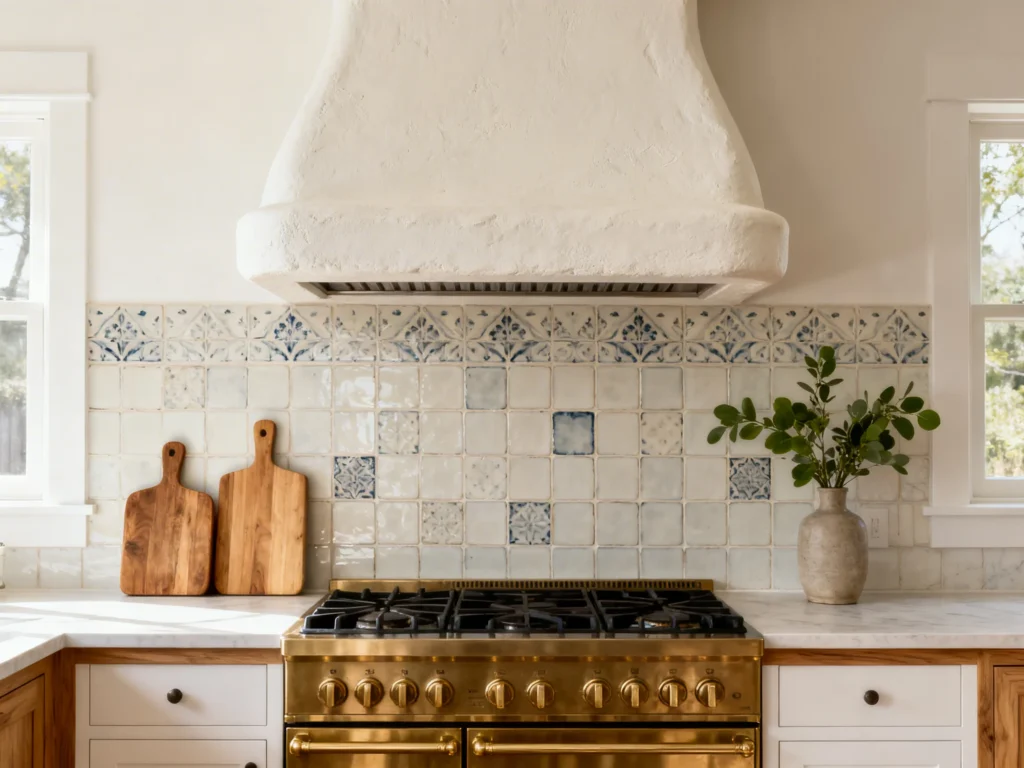
DIY Vent Hood Cover Ideas That Make Your Kitchen Look Custom-Built
A vent hood is one of those high-impact kitchen moments: it sits front and center, it anchors your range wall, and it can instantly tip your space from “builder-basic” to “custom-designed.” The best part? A DIY hood cover can be more about style than construction—think shape, finish, and how you dress the area around it.
Below are ten photo-ready DIY vent hood cover ideas that deliver that custom-built look, plus simple styling moves to make the whole kitchen feel intentional and elevated.
1) The Plaster-Look Hood: Soft, Seamless, and High-End
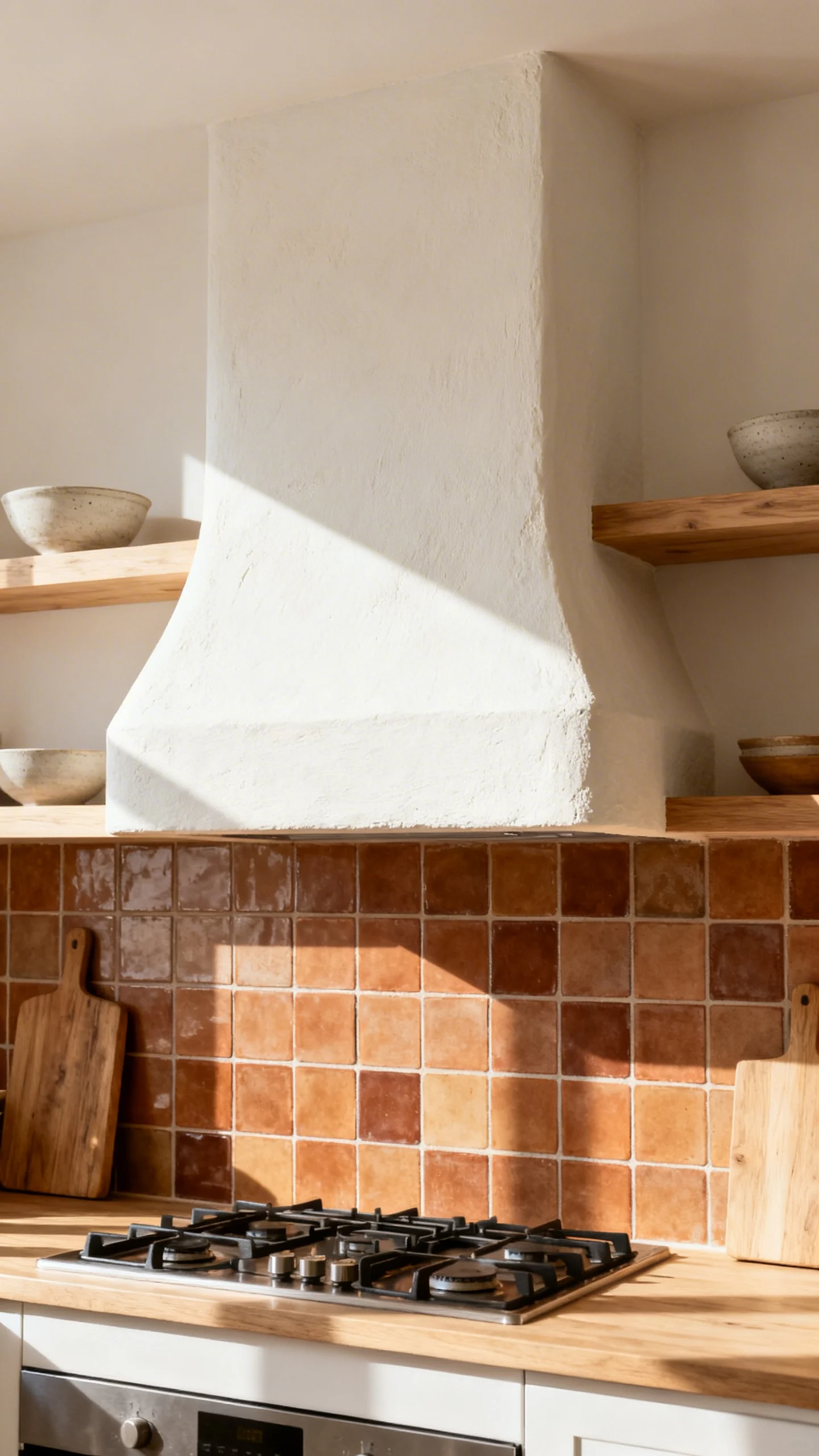
If you love calm, European-inspired kitchens, a plaster-look hood cover is your shortcut to “architect-designed.” Visually, it reads like a sculpted volume—matte, creamy, and monolithic—especially gorgeous against warm white walls or pale greige cabinets.
Try this: choose a chalky, low-sheen paint finish in a warm white (not stark), then style the range wall with a simple stone or zellige-look backsplash and a single oversized wood cutting board leaning casually for that editorial softness.
2) A Stained Wood Wrap for Instant Warmth (Modern or Rustic)
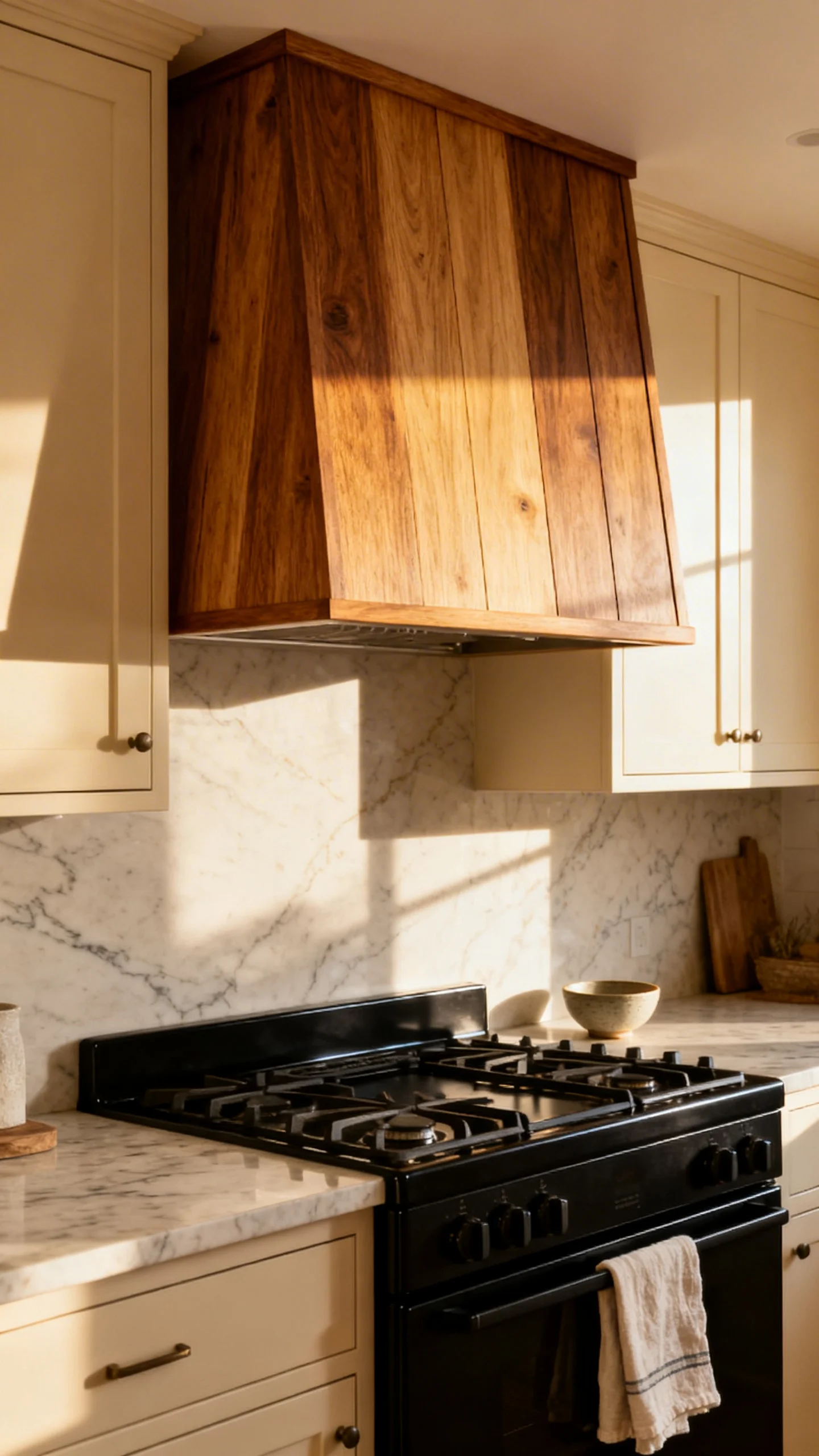
A wood-wrapped vent hood cover brings the “custom cabinet shop” vibe without needing a full kitchen renovation. The look is warm, dimensional, and natural—perfect for modern organic kitchens, modern farmhouse, or Scandinavian-inspired spaces.
Try this: match the stain tone to one other element in the kitchen (open shelving, island stools, or a cutting board collection). Then keep the styling simple: a linen tea towel on a hook nearby and a ceramic utensil crock in an earthy glaze so the wood stays the star.
3) The Shiplap or Vertical Plank Hood: Texture That Photographs Beautifully
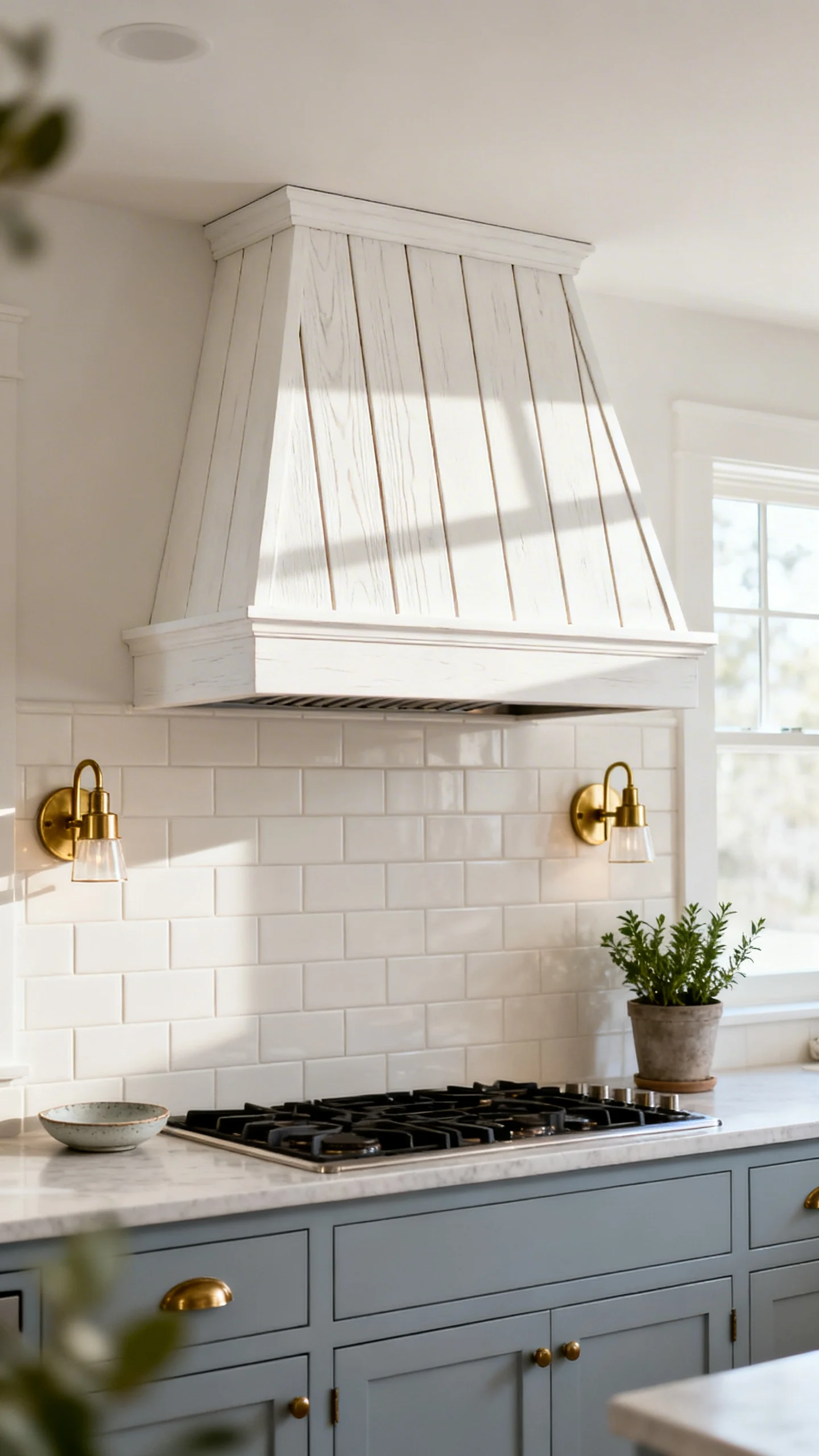
For a vent hood cover that feels cozy but still polished, add plank texture—horizontal shiplap for farmhouse charm or vertical planks for a taller, more modern look. Painted in the same color as your cabinets, it reads like a built-in architectural feature.
Try this: paint the hood cover and upper wall area the same shade for a seamless “wrapped” effect. Then add contrast with a darker backsplash (charcoal, inky green, or warm slate) so the plank lines pop in photos.
4) The Boxed-In Cabinet Extension: Clean Lines, Built-In Energy
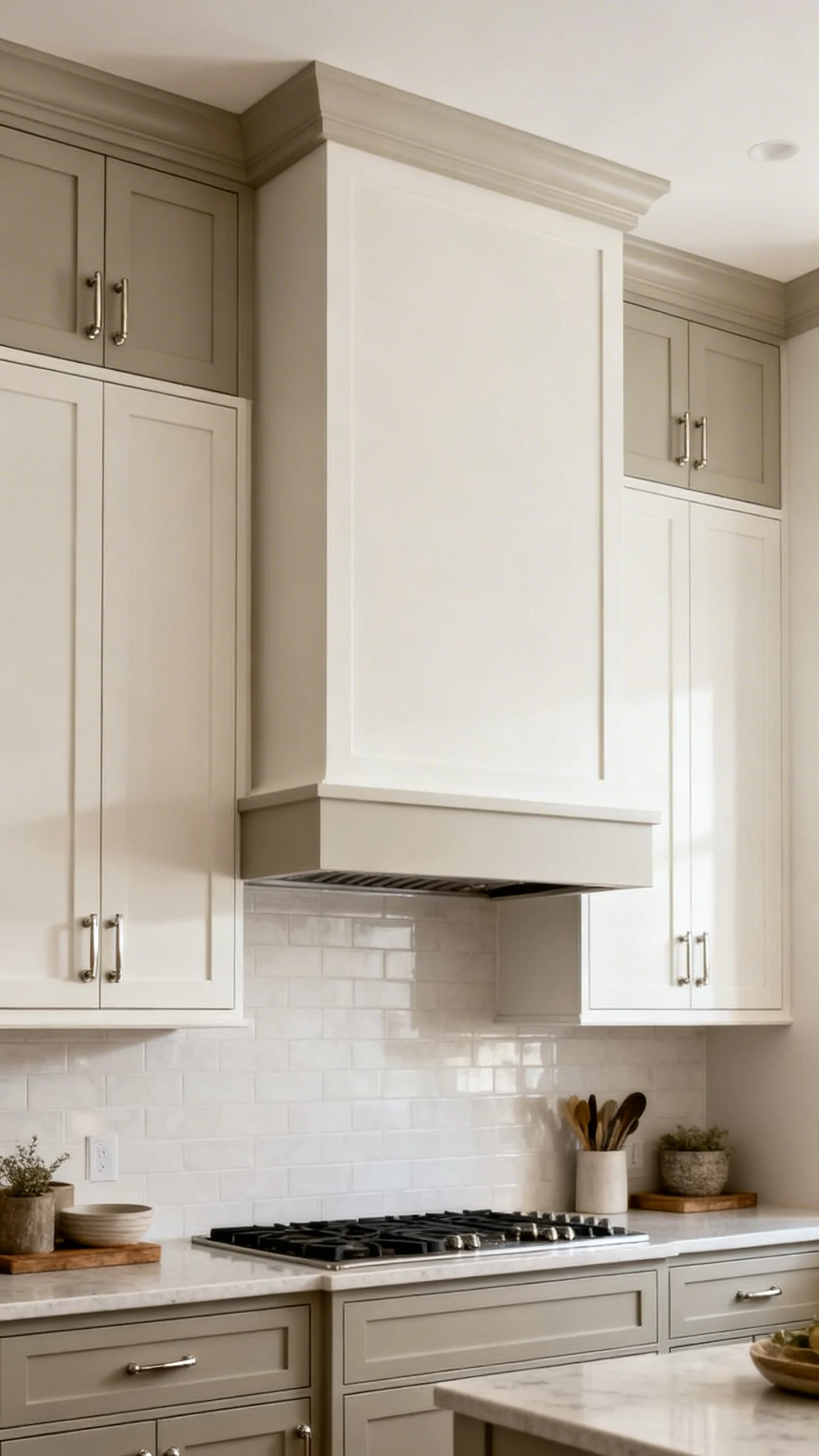
If your kitchen leans contemporary, a squared, boxy hood cover that looks like an extension of your cabinetry makes everything feel intentional and tailored. The finished look is crisp and symmetrical—like it came with the kitchen, not added later.
Try this: repeat your cabinet color on the hood cover for a unified wall. Then add a pair of matching objects on the counter (two olive oil bottles, two pepper mills, or two small framed prints) to reinforce that “designed” symmetry.
5) The Curved Arch Hood: A Statement Shape That Feels Designer
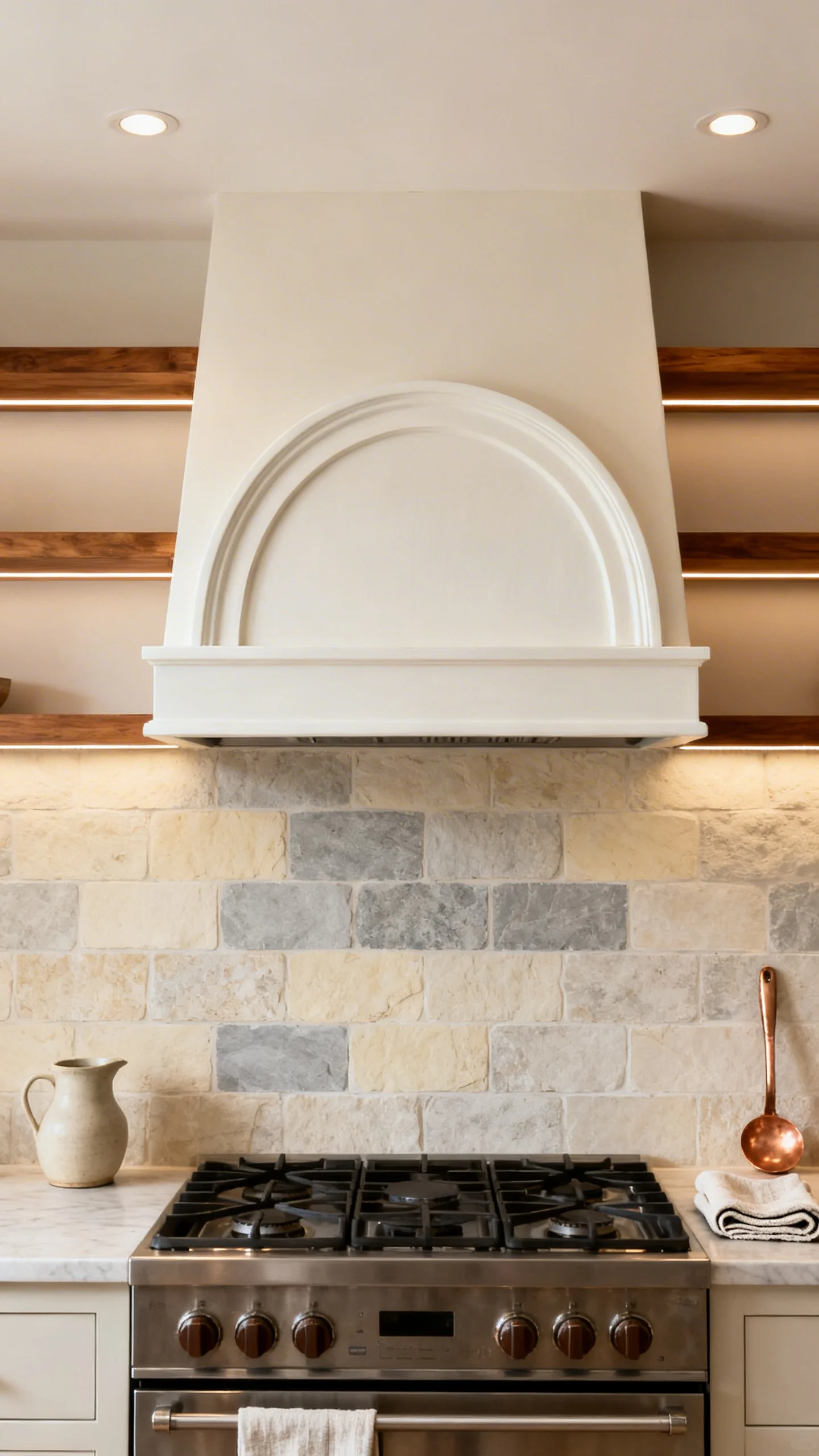
A softly arched vent hood cover gives instant old-world charm—think Spanish revival, Mediterranean, or French countryside—without needing a dramatic remodel. The curve adds romance and makes the range wall feel like an architectural focal point.
Try this: keep the hood finish quiet (warm white, creamy beige, or a pale putty) and let the shape do the talking. Style with a backsplash that has movement—handmade-look tile, subtle variation, or a gentle glossy sheen—to amplify that collected, custom mood.
6) The Two-Tone Hood: Contrast That Looks Curated
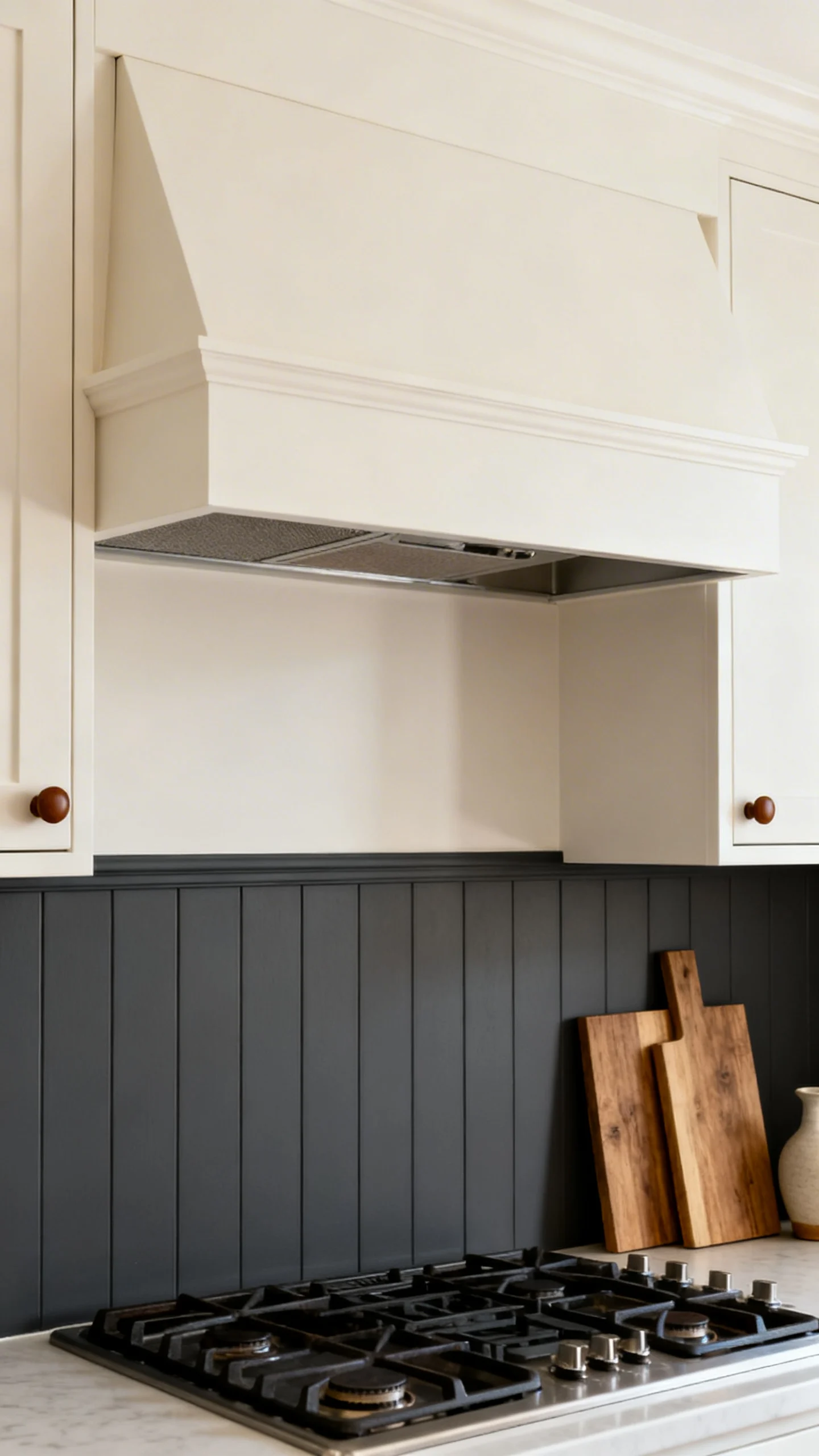
Two-tone vent hood covers look especially “custom-built” because they mimic designer cabinetry decisions. Picture a warm white hood with a wood band at the bottom, or a deep moody hood paired with light cabinets for a bold, editorial contrast.
Try this: pull the second tone from something already in the kitchen—your island color, shelving, or floors. Then echo that tone once more with a small styling piece (a bowl, a vase, or a tray) so the contrast feels planned, not random.
7) The Stone-Look Hood Surround: Quiet Luxury on a Budget
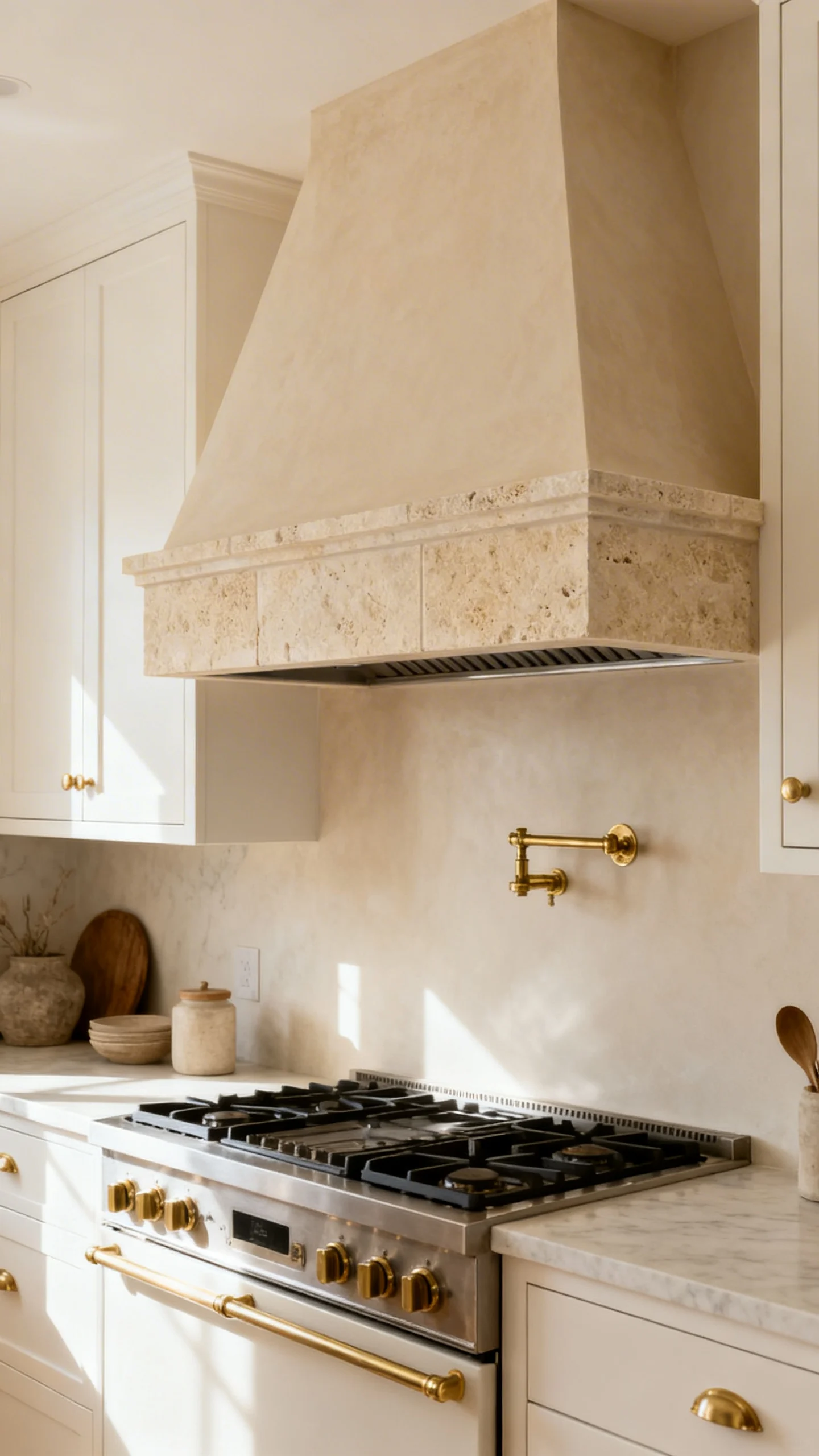
A stone-look hood cover (or stone-look surround) brings that “luxury kitchen showpiece” energy—especially when it feels continuous with the backsplash. Visually, it’s dramatic but calm: creamy veining, soft movement, and a smooth, upscale finish.
Try this: keep your countertop styling minimal—one beautiful marble board, a small crock of wooden spoons, and a neutral soapstone-toned tray. The less visual clutter, the more expensive the stone effect reads.
8) The Classic Corbel Detail: Vintage Character That Feels Custom
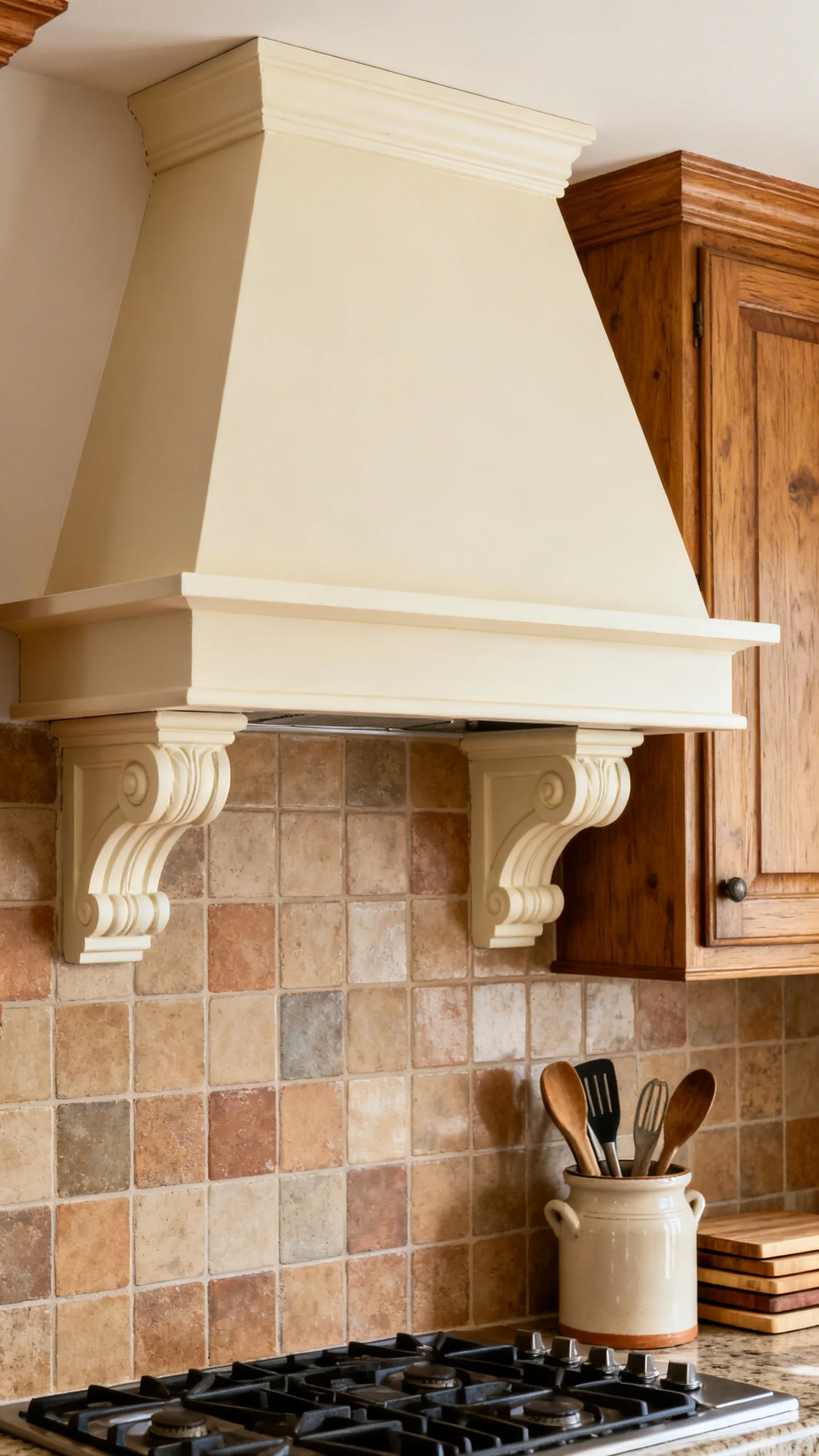
Corbels instantly signal craftsmanship. Adding corbel-style support details to a hood cover gives a traditional, furniture-like look—perfect for classic kitchens, cottage style, or transitional spaces that want warmth.
Try this: paint the hood and corbels the same shade as nearby cabinetry for an heirloom built-in effect. Then lean into the vintage mood with brass-toned styling (a warm metal trivet, a golden oil bottle, or a small antique-style frame) for a layered, collected feel.
9) The Fluted or Slatted Hood: On-Trend Texture, Elevated Finish
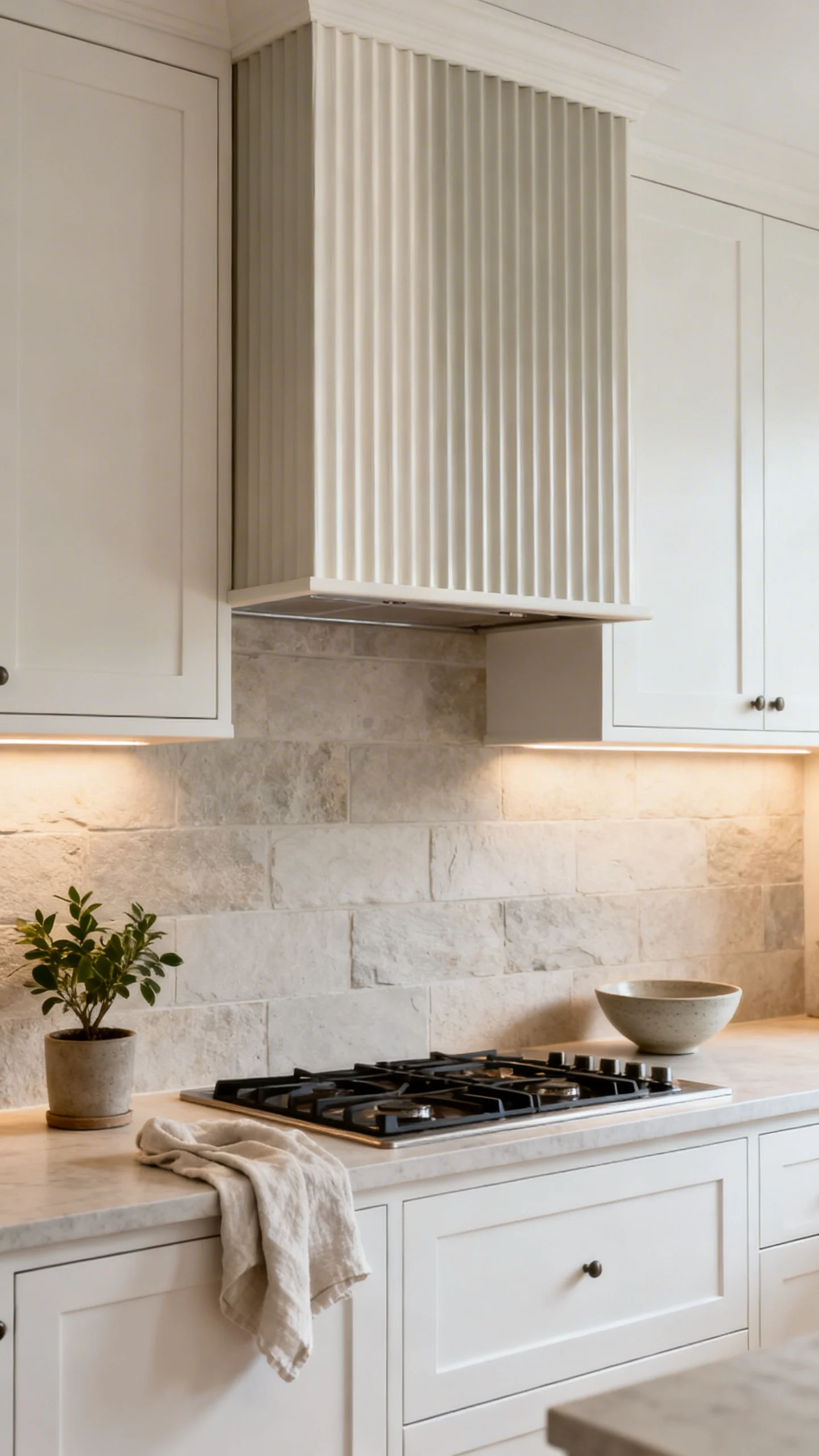
Fluted and slatted details are having a major design moment, and they translate beautifully to vent hood covers. The look is modern, textural, and boutique-hotel chic—especially in light oak, soft walnut, or painted tones with gentle shadow lines.
Try this: keep surrounding surfaces smooth (simple backsplash, minimal grout lines) to let the fluting stand out. Then add a single sculptural accessory—like a wavy ceramic bowl or a matte stone vase—so the whole wall feels curated and current.
10) The “Make It a Moment” Styling Trick: Frame the Hood Like Art
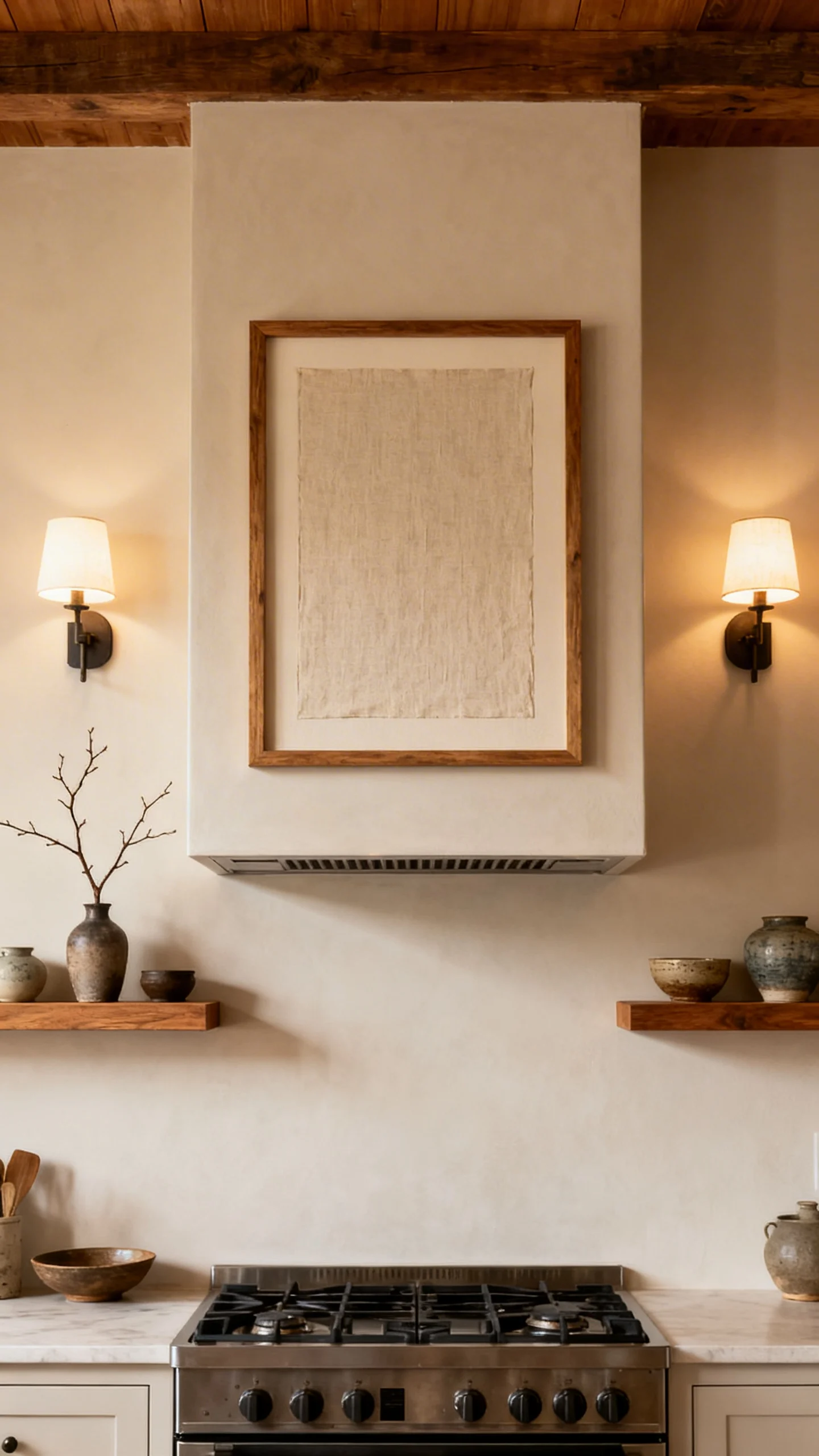
Even a simple DIY hood cover looks custom when you style the range wall like a designed vignette. The goal: make the hood feel like the centerpiece, with everything around it supporting the story—balanced, warm, and photo-ready.
Try this: add matching sconces on both sides of the hood (if you already have them, swap to warmer-toned shades) or visually mimic symmetry with two tall items like pepper mills or ceramic canisters. Finish with one “hero” texture: a linen runner on the counter, a vintage bread board, or a softly striped towel to bring in that styled-home warmth.
FAQ
What DIY vent hood cover style looks the most “custom-built” in photos?
Seamless finishes (like a plaster-look hood) and strong shapes (like an arch or a tall boxed profile) read the most custom in photos. They look architectural, not like an appliance accessory, especially when the hood finish matches the surrounding cabinetry or wall color.
Should my vent hood cover match my cabinets or my walls?
Both can look custom—matching cabinets gives a tailored, built-in feel, while matching the wall creates a soft, architectural moment. If your kitchen has a bold backsplash, matching the wall is often calmer; if your backsplash is simple, matching cabinets can feel extra polished.
How do I make a budget-friendly hood cover look expensive?
Focus on finish and restraint: choose a matte or eggshell paint, keep surrounding styling minimal, and repeat one material (wood tone, brass tone, or stone look) in at least two places so it reads intentional. Clean, edited countertops make the whole area feel higher-end.
What colors are trending for vent hood covers right now?
Warm whites, creamy beiges, soft greiges, deep olive greens, and inky charcoal tones are trending—along with natural wood (light oak to warm walnut). The most current looks pair one calm neutral with one warm, touchable texture like wood, fluting, or handmade-look tile.
How do I style the space around my hood so it feels designed?
Think “frame the focal point”: keep symmetry where you can, use a limited palette, and add one or two tactile accents (wood board, ceramic crock, linen towel). The most custom-looking kitchens avoid clutter and let the hood wall breathe visually.