
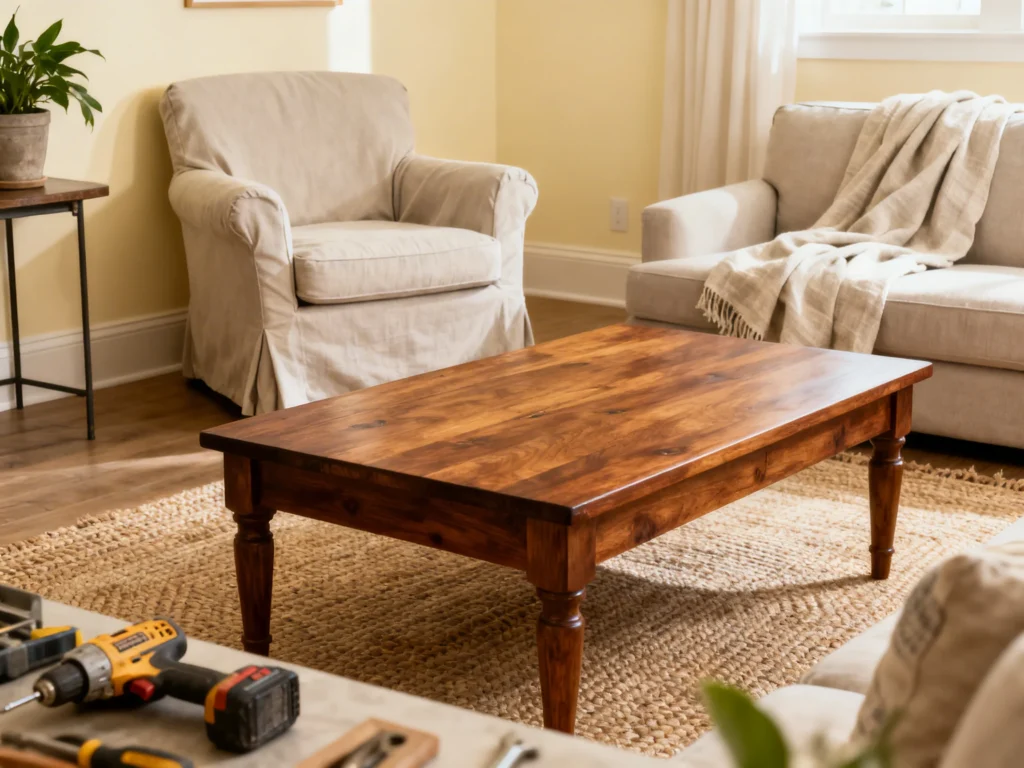
Furniture Remodeling on a Budget Using Simple Tools
That “almost cute” dresser, the dated coffee table, the too-orange nightstand—budget furniture can be frustrating until you realize it’s also a blank canvas. Furniture remodeling on a budget is less about fancy equipment and more about creating a high-end look with simple, doable updates that photograph beautifully.
Below are 10 save-worthy, style-forward approaches that rely on simple tools and big visual payoff—think fresh finishes, elevated textures, and “where did you buy that?” results using paint, paper, and smart styling.
1) Paint It One Color for a Boutique-Hotel Look
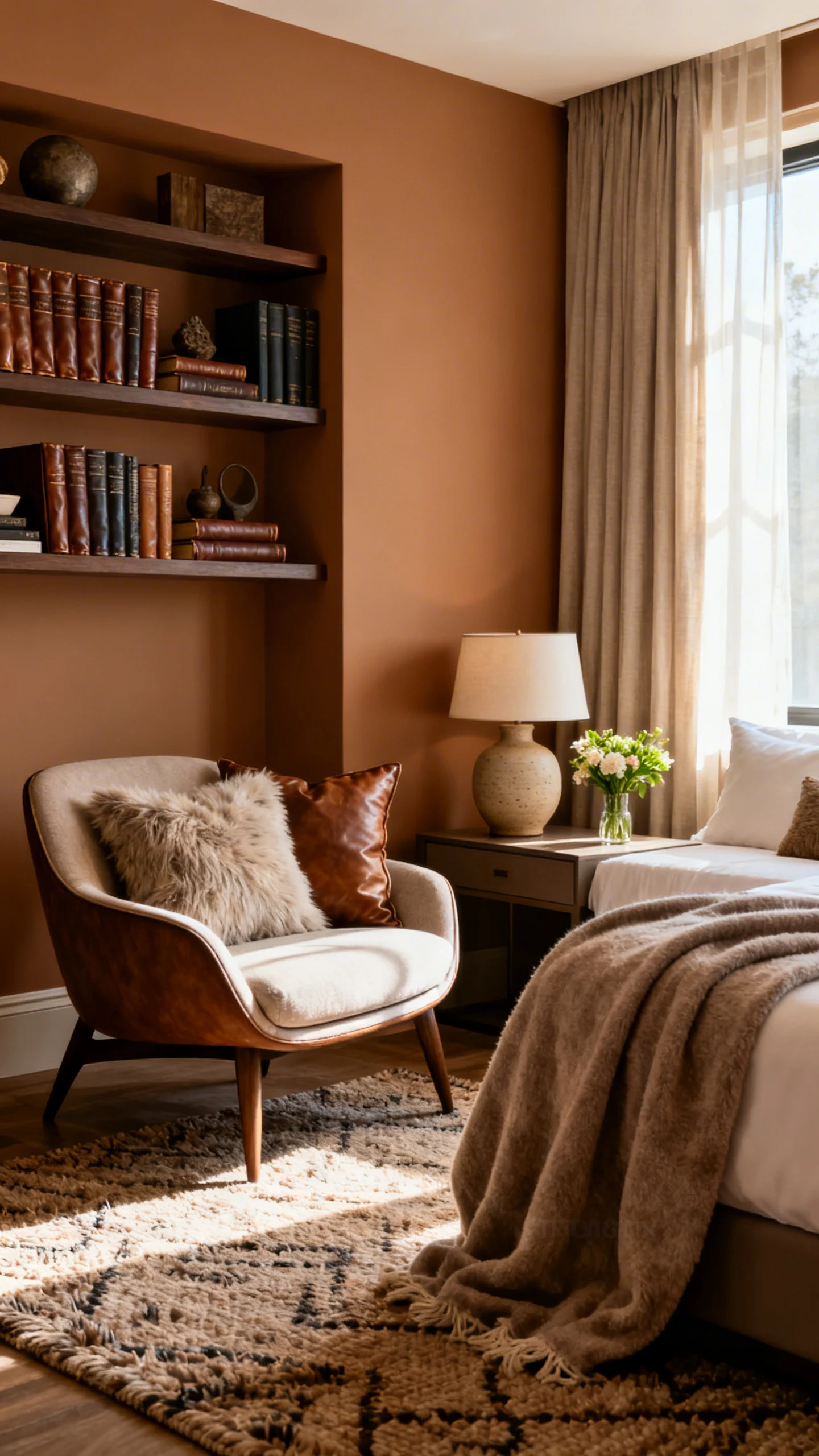
A single, saturated color instantly makes basic furniture feel intentional—like it belongs in a curated boutique hotel. Picture a thrifted dresser turned inky navy, a side table in creamy oat, or a console in soft black with a velvety finish.
Action: Choose one modern shade and commit to it head-to-toe (no contrast trim). Then style it like a magazine moment: a small stack of books, a ceramic vase, and one warm lamp to make the color glow.
2) Try a Soft “Limewash-Inspired” Dry Brush for Cozy Texture
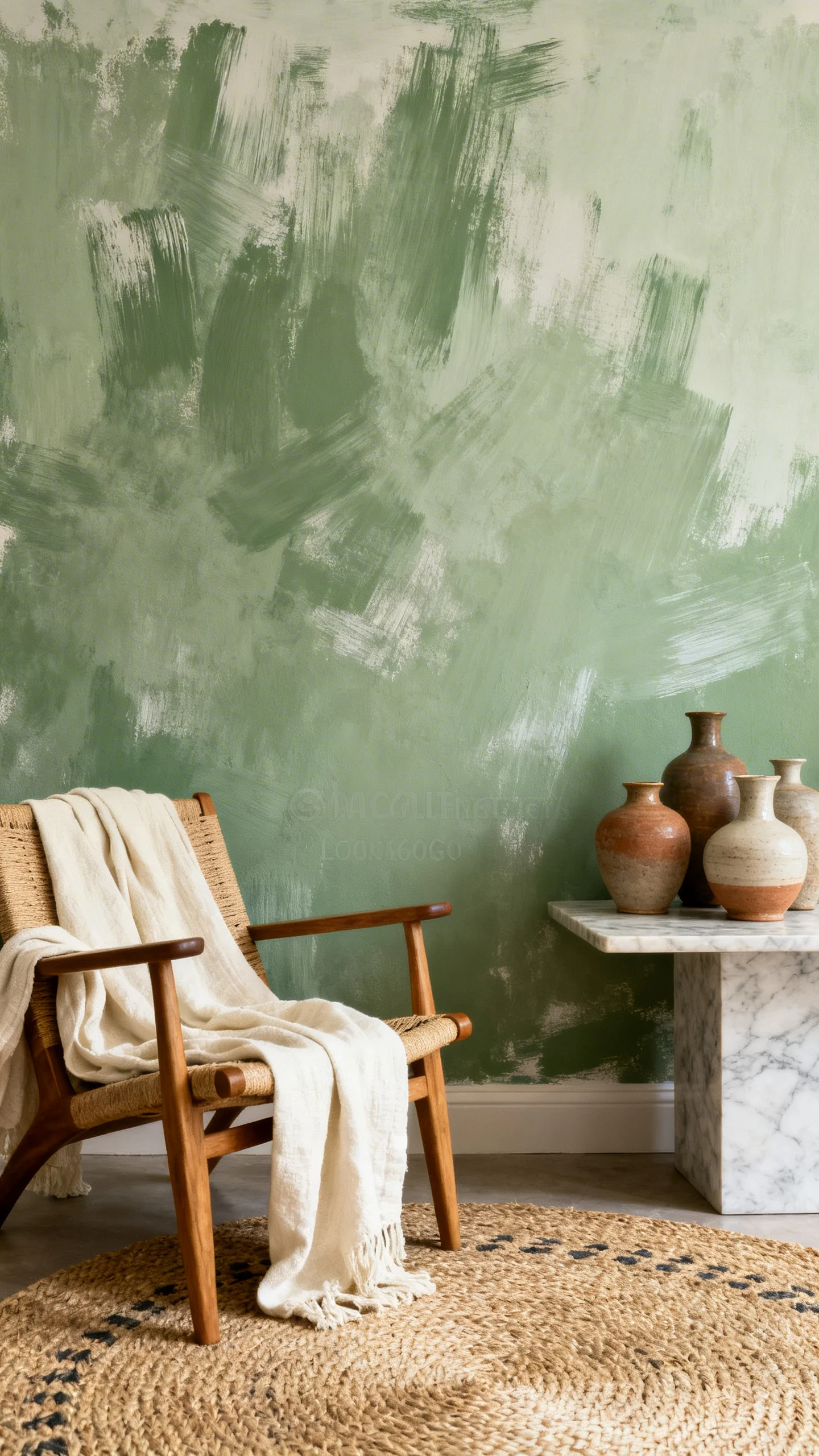
If you love that European, lived-in texture, a dry-brushed, cloudy finish gives your piece a soft-focus charm—perfect for cottage, coastal, and modern organic homes. Think warm white layered over beige, or greige kissed over mushroom brown.
Action: Use two close-in-tone colors for a dimensional, “old world” effect. Keep styling airy: a linen runner on top, a woven basket below, and a small plant for fresh contrast.
3) Add Peel-and-Stick Wallpaper to Drawer Fronts for Instant Pattern
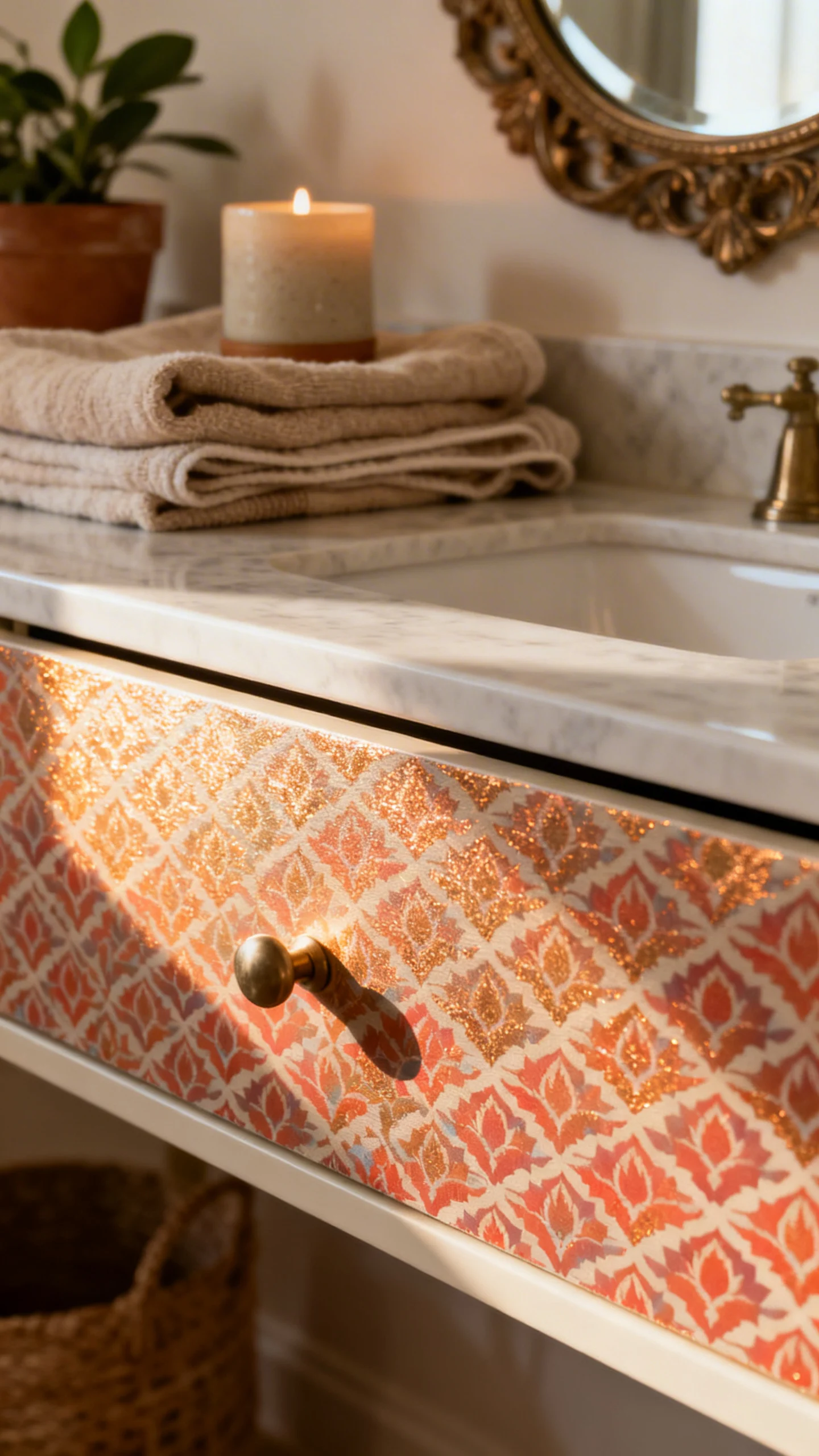
This is the budget remix that looks the most custom in photos. Patterned drawer fronts (or cabinet doors) feel like designer furniture—especially in gingham, soft florals, block print, or muted stripes.
Action: Apply peel-and-stick paper to the flat fronts only for a clean, framed look. Choose a palette that ties into your room (for example, sage + cream, dusty blue + tan), then repeat that color in a vase, book spine, or art print nearby.
4) Create a Two-Tone “Color-Dipped” Base That Feels Modern
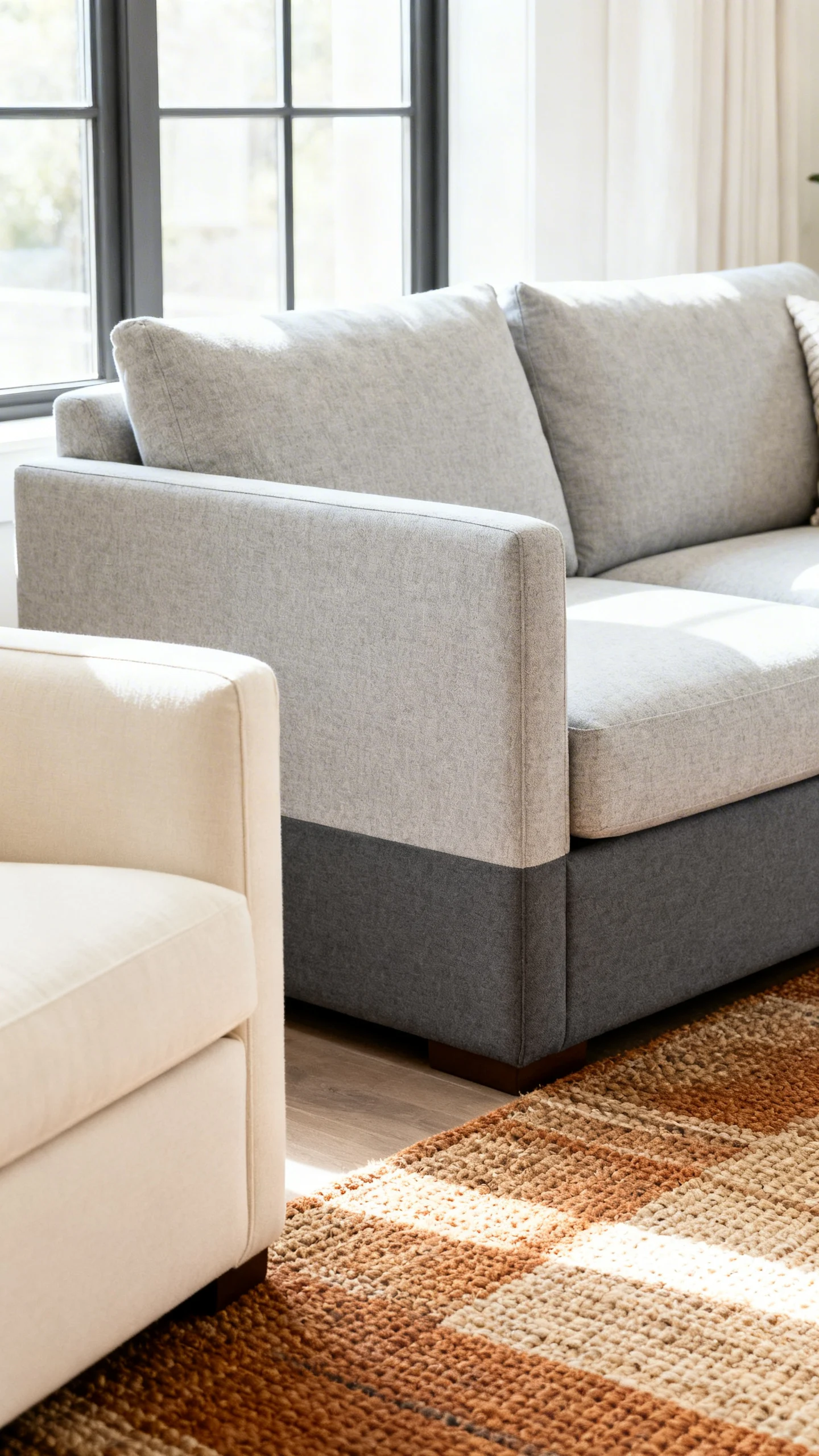
A color-dipped effect—where the lower portion is a deeper shade—adds graphic style while staying subtle and chic. It’s especially stunning on legs, lower drawers, or the bottom third of a cabinet. The result: playful, modern, and Pinterest-perfect.
Action: Pair a warm neutral upper (cream, sand, light greige) with a moody base (olive, charcoal, terracotta). Finish the look with a minimal vase and a single sculptural object to keep the lines feeling fresh.
5) Upgrade the Top Surface with a Faux Stone or Faux Wood Finish
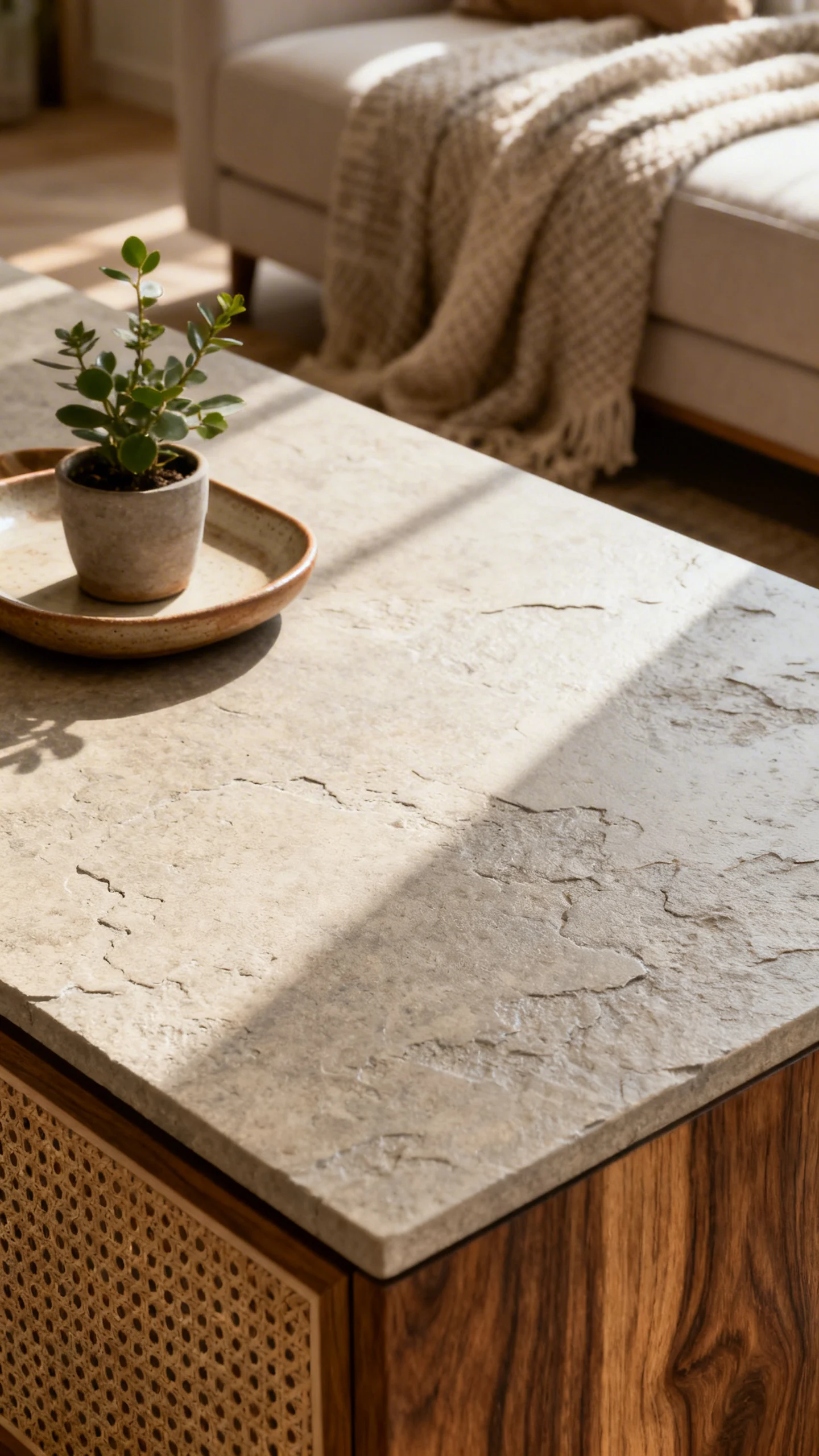
When the top is what makes a piece look dated, updating that surface can transform everything. Faux marble reads glam and bright; faux walnut reads warm and elevated; faux travertine reads modern organic.
Action: Use adhesive film or a simple painted faux finish to mimic your dream material. Style with texture: a ribbed glass candle, a stone tray, and something soft nearby (like a boucle stool or linen curtain) so it feels layered, not “matchy.”
6) Make It Look Built-In with Paint Matching and Intentional Styling
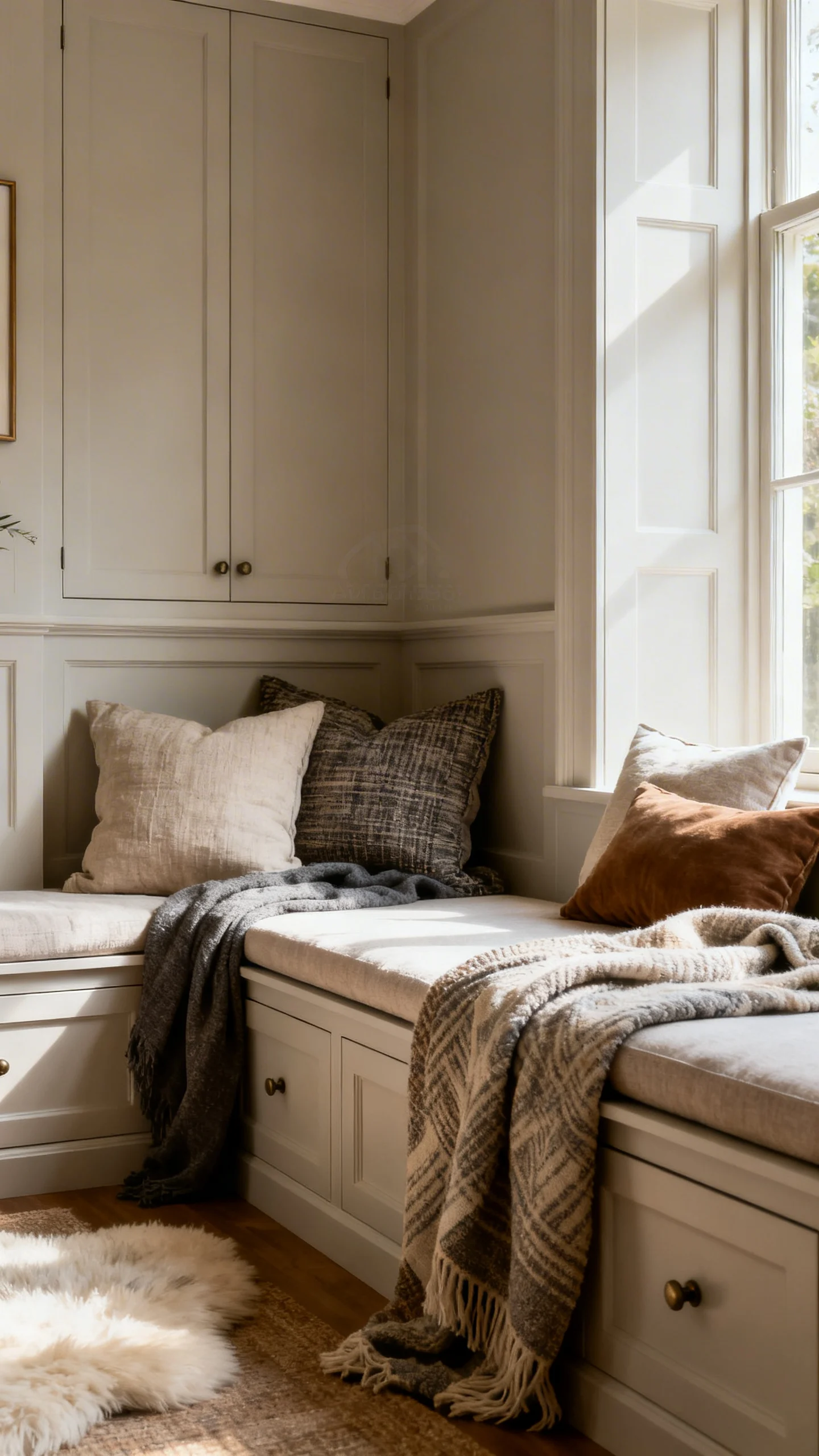
One of the most budget-friendly “remodeling” tricks is making a freestanding piece look like it belongs in the room architecture. When the furniture color echoes the wall color, it visually recedes and feels custom—like it was always meant to be there.
Action: Paint the piece a shade that’s close to your wall (not identical—just harmonizing). Then style it like a built-in: symmetrical baskets, matching frames, or a pair of matching lamps to create that polished, intentional look.
7) Use Stencil Details for a Handcrafted, Artisan Finish
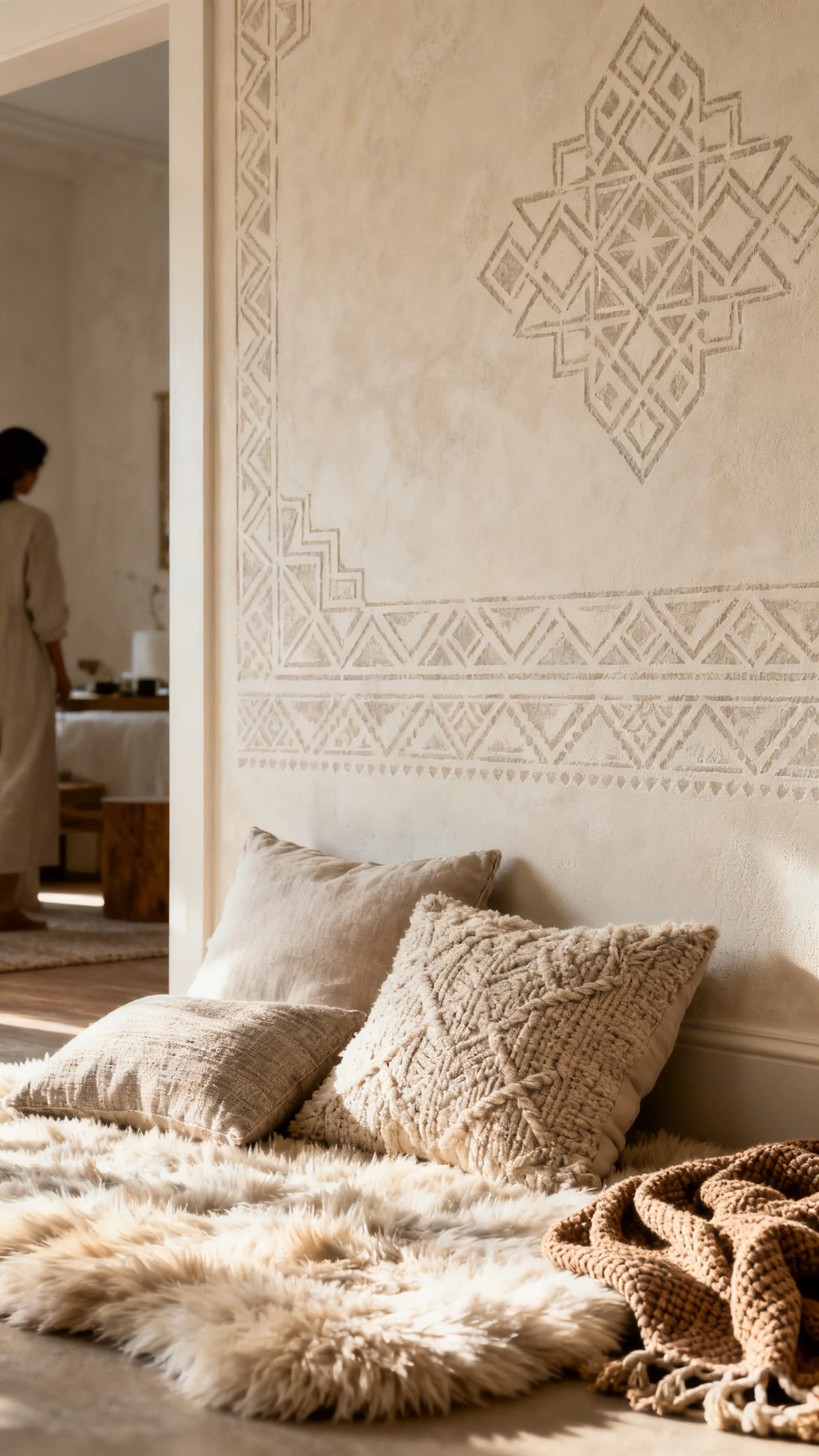
A stencil can give you that artisan, hand-blocked vibe without the boutique price tag. Think subtle tone-on-tone geometry on a cabinet door, a soft border on drawer fronts, or an all-over pattern on a tabletop.
Action: Keep the pattern low-contrast for a sophisticated finish (cream-on-cream, sand-on-beige, charcoal-on-black). Pair it with natural textures—rattan, linen, raw wood decor—so it feels elevated, not busy.
8) Turn a Basic Piece Into a “Statement Moment” with Matte Black + Warm Woods
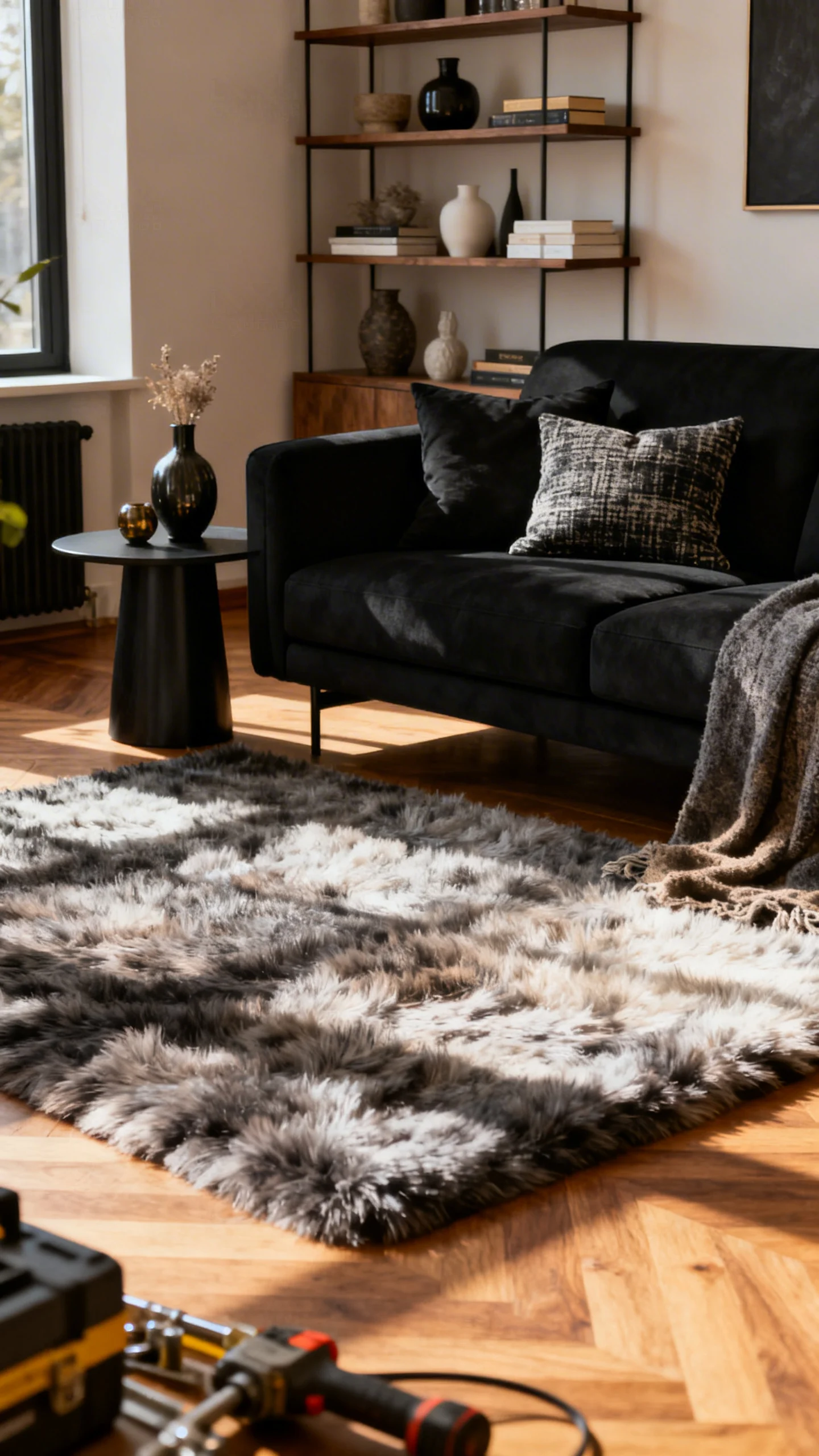
Matte black is a budget remodeling hero: it hides imperfections, looks modern, and instantly upgrades thrift-store shapes. The best part? It plays beautifully with warm woods, brass tones, and creamy textiles for that high-end contrast.
Action: Paint the piece matte black, then bring in warmth through styling: a wood lamp base, a woven tray, or tan leather accents. Keep the scene softly lit so the black feels rich—not harsh.
9) Refresh With New Fabric: Padded Tops, Seat Covers, and Slip-On Charm
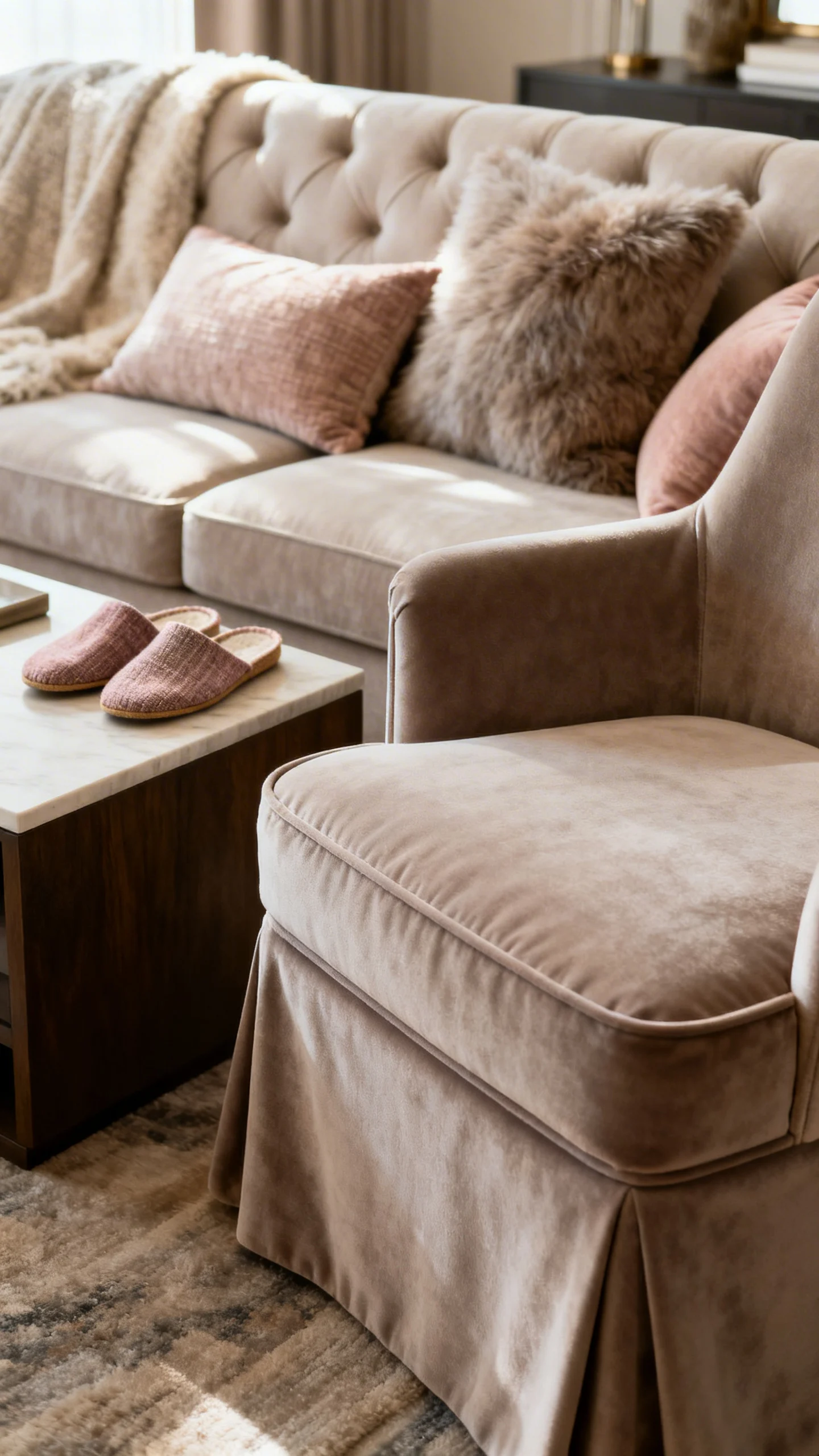
If your piece is structurally fine but visually tired, fabric is the quickest “remodel.” A new padded bench top in oatmeal linen, a dining chair in a classic stripe, or a footstool in boucle can make the whole room feel updated.
Action: Choose one fabric that looks expensive in photos (linen-look, canvas, boucle, small-scale stripes). Then echo it in the room with a matching pillow or throw—just one—so it feels cohesive and styled.
10) Finish with “Styled Like New” Details: Trays, Books, and Soft Lighting
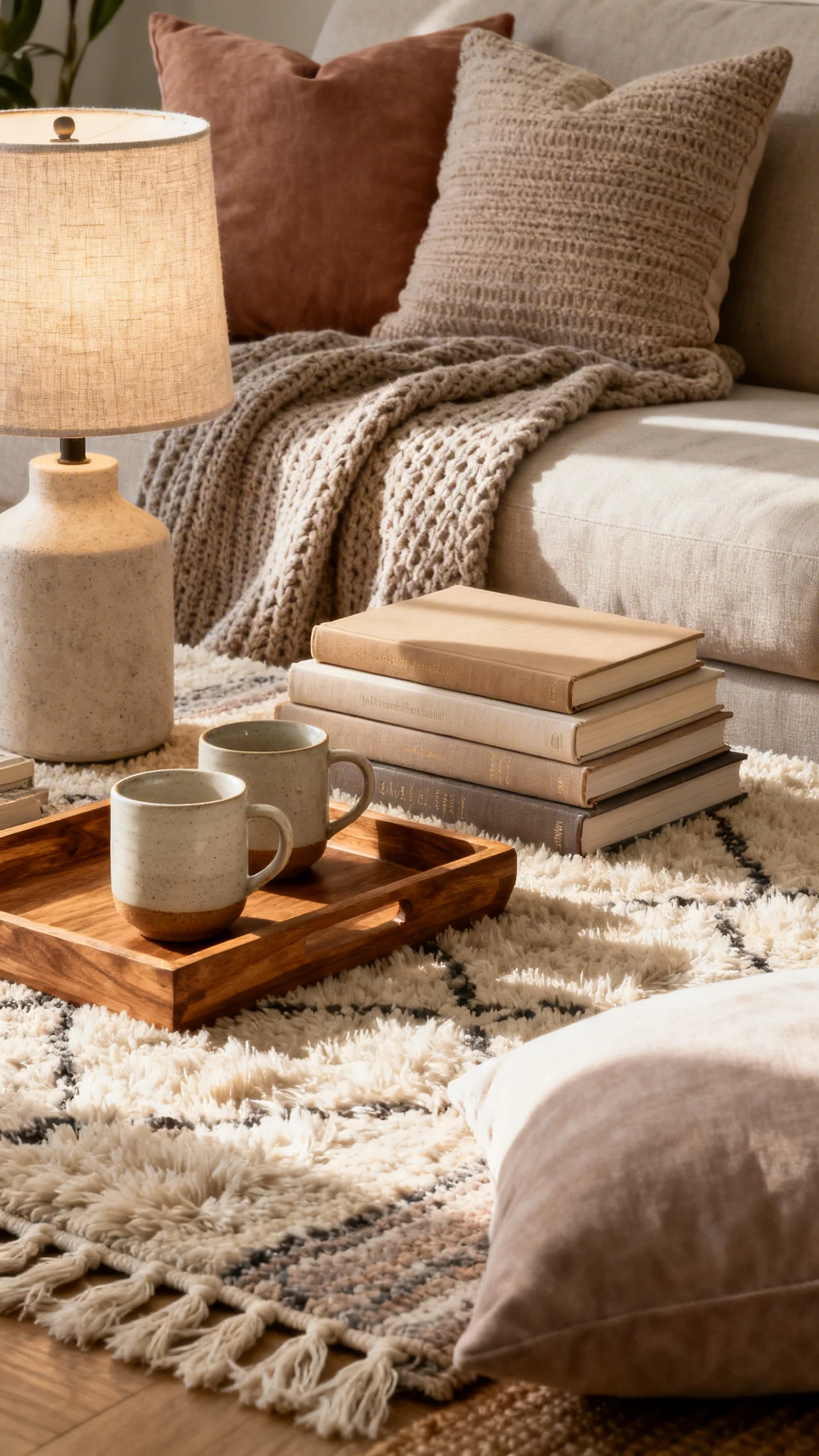
The secret to furniture remodeling on a budget is making the after-photo look complete. A refreshed piece becomes instantly more convincing when it’s styled with intention: layered heights, a grounded color palette, and warm lighting.
Action: Create a simple styling formula: one tray (to corral), one stack of books (for height), and one organic element (greenery or branches). Add a warm bulb in a nearby lamp and keep the palette tight—two neutrals plus one accent color—for a clean, editorial finish.
FAQ
What’s the easiest furniture remodeling project for a beginner on a budget?
A single-color paint refresh is usually the simplest with the biggest visual payoff. Choose a modern shade (soft black, warm white, sage, or dusty blue) and keep the styling minimal so the new finish looks intentional and high-end.
How do I make cheap or thrifted furniture look expensive?
Go for “quiet” finishes and cohesive styling: matte or satin paint, subtle tone-on-tone details, and a limited palette. Then style it like a magazine shot—one tray, a small stack of books, and a sculptural vase—so it reads curated, not cluttered.
Is peel-and-stick wallpaper durable on furniture?
It can be, especially on low-wear areas like drawer fronts or cabinet door panels. For the most polished look, choose a thicker paper with a linen-like texture or a high-quality print, and keep patterns small-to-medium scale for a designer feel.
What colors photograph best for Pinterest-style furniture makeovers?
Warm whites, creamy beiges, soft greiges, muted sages, dusty blues, and moody charcoal/black tend to photograph beautifully. They also mix well with natural textures like woven baskets, linen, and light wood for that save-worthy, airy look.
How can I remodel furniture if I don’t want to fully repaint it?
Try a smaller “surface swap” instead: update only the top with faux stone/wood, add peel-and-stick to drawer fronts, or use a stencil detail. You’ll get a refreshed, custom look while keeping the project quick and budget-friendly.