
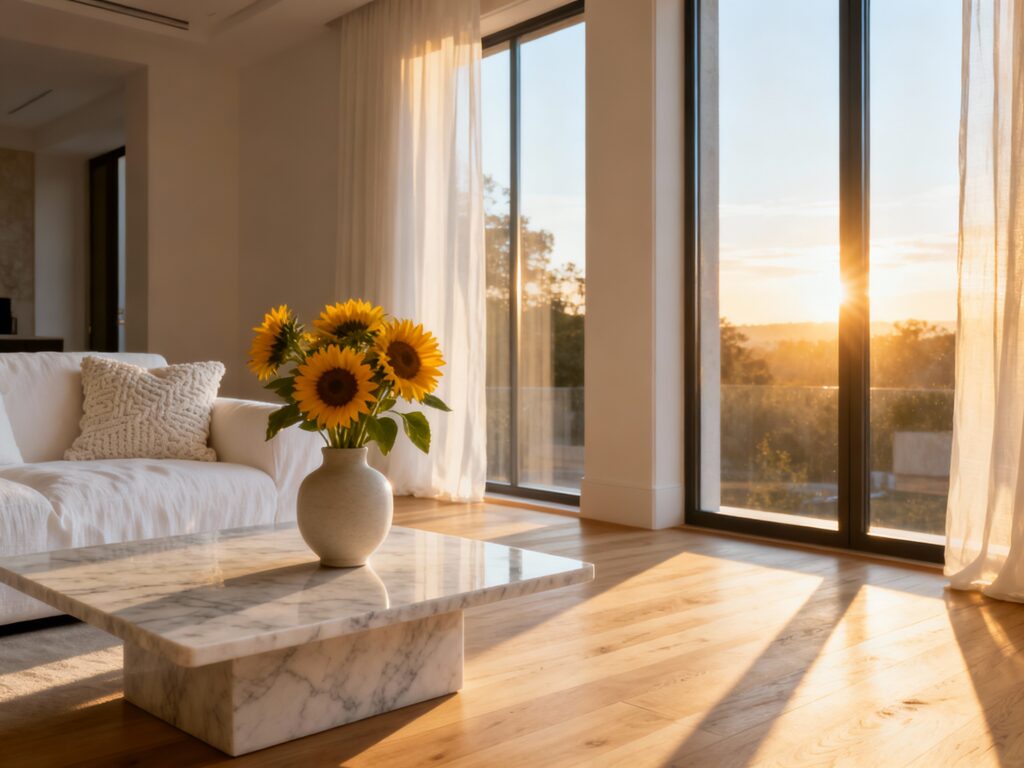
A “Sunrise Home” is less about a specific color palette and more about a feeling: bright, optimistic, and gently energizing—like morning light moving across a room. It’s the kind of space that looks fresh in photos but feels even better in real life.
Below are architecture-forward details and decor choices that amplify natural light, soften shadows, and create that warm, daybreak glow from room to room.
1) Start with window-first architecture (or a window “upgrade” illusion)
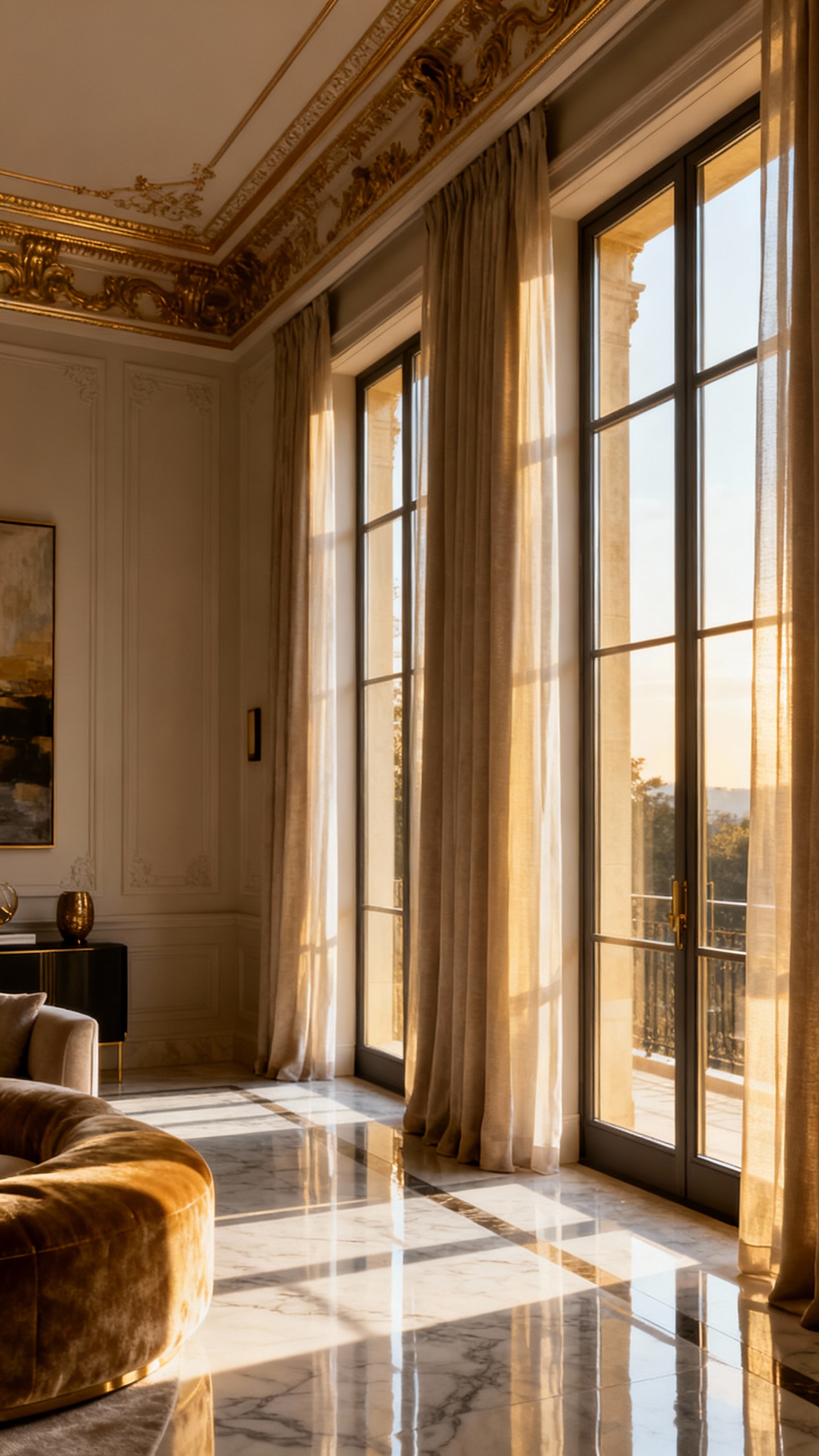
If you can, prioritize larger panes, minimal grilles, and higher-mounted curtain rods to visually stretch your windows upward. If you can’t remodel, mimic the effect: hang drapery close to the ceiling and extend the rod 8–12 inches beyond the frame so glass stays uncovered. The goal is simple—more visible window, more perceived light.
2) Choose wall paint that reflects light without looking icy
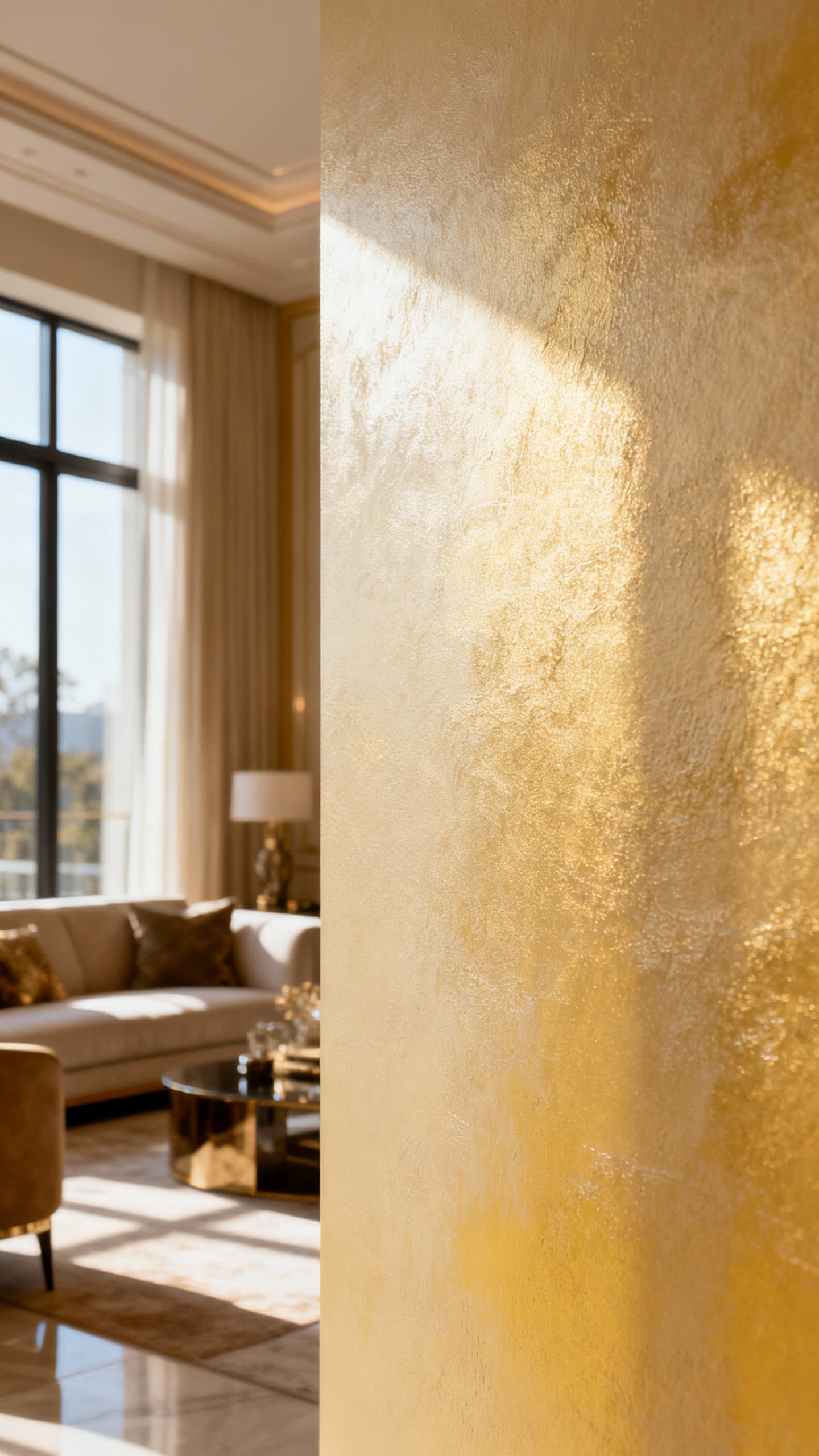
A Sunrise Home thrives on warm-leaning, light-reflective neutrals: creamy off-whites, pale sand, and soft peach-beige rather than stark, blue-white tones. Look for finishes that bounce light softly—eggshell is often a sweet spot for living areas and bedrooms. Test swatches in the morning and late afternoon to make sure the color keeps its glow.
3) Add “morning movement” with sheer layers and relaxed drapery
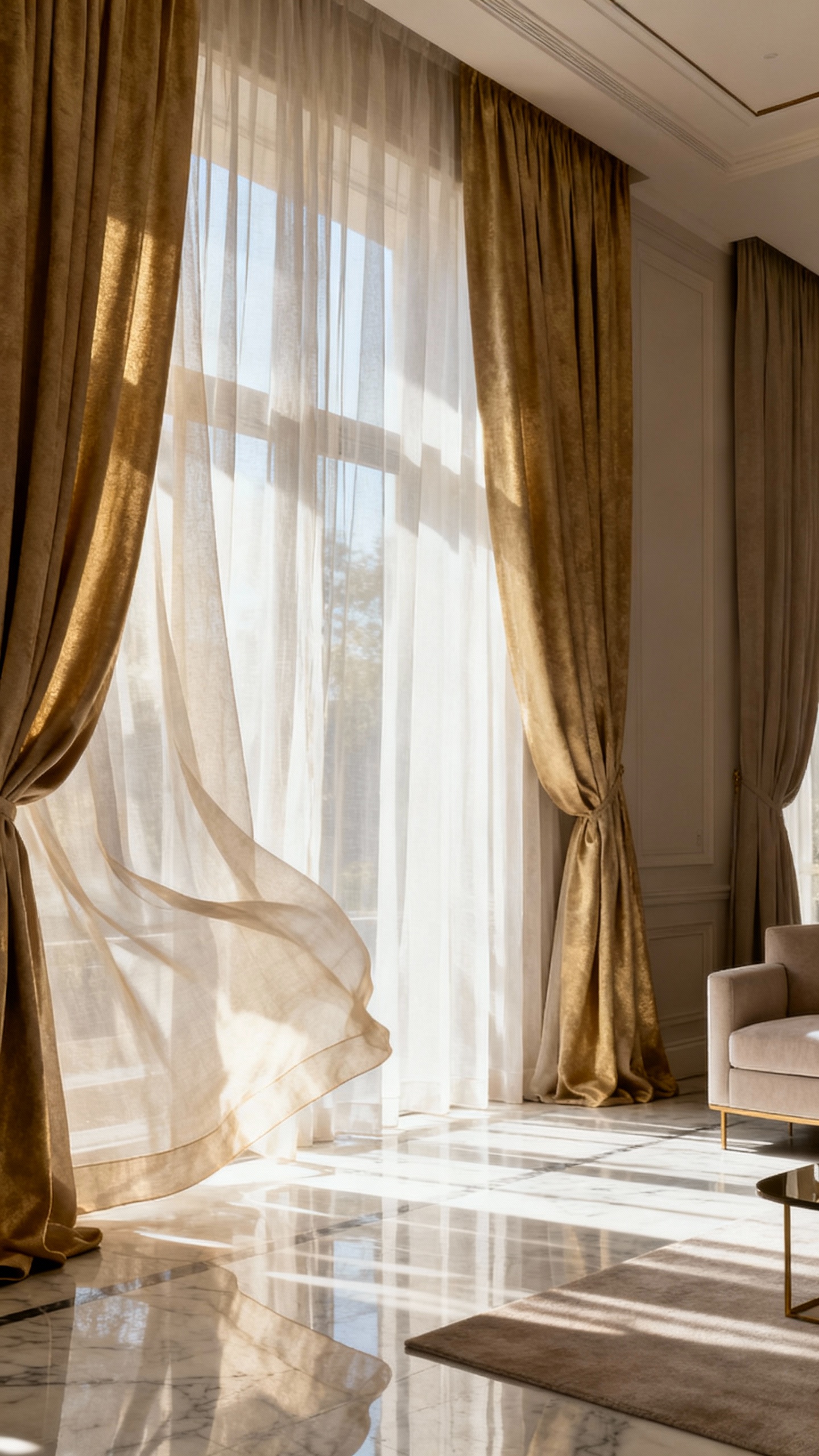
Sheer curtains diffuse harsh light into a flattering wash—exactly the sunrise effect you’re after. Pair a white or ivory sheer with a second layer (linen blend or light-filtering roller shade) for privacy without heaviness. Keep hems just grazing the floor for a tailored look that still feels airy.
4) Use pale wood tones and warm whites to mimic sunlit materials
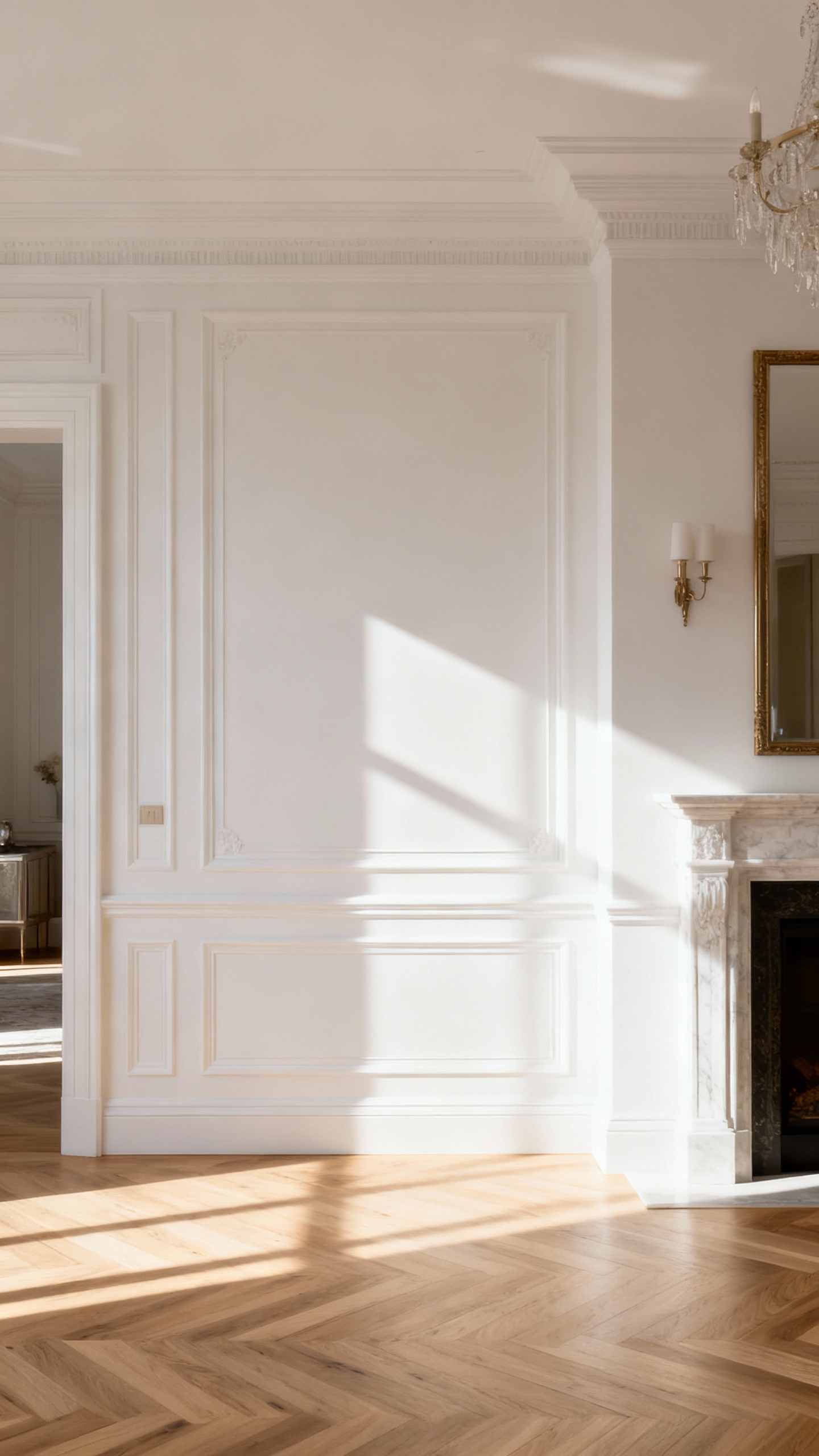
Light oak, whitewashed finishes, cane, and warm white upholstery read like “sun on natural materials.” In a Sunrise Home, these tones create brightness even when the sun isn’t cooperating. If you have darker floors or casegoods you can’t change, add a large light-toned rug and a few pale wood accents to lift the overall mood.
5) Layer mirrors like architecture: across from windows and in shadow zones
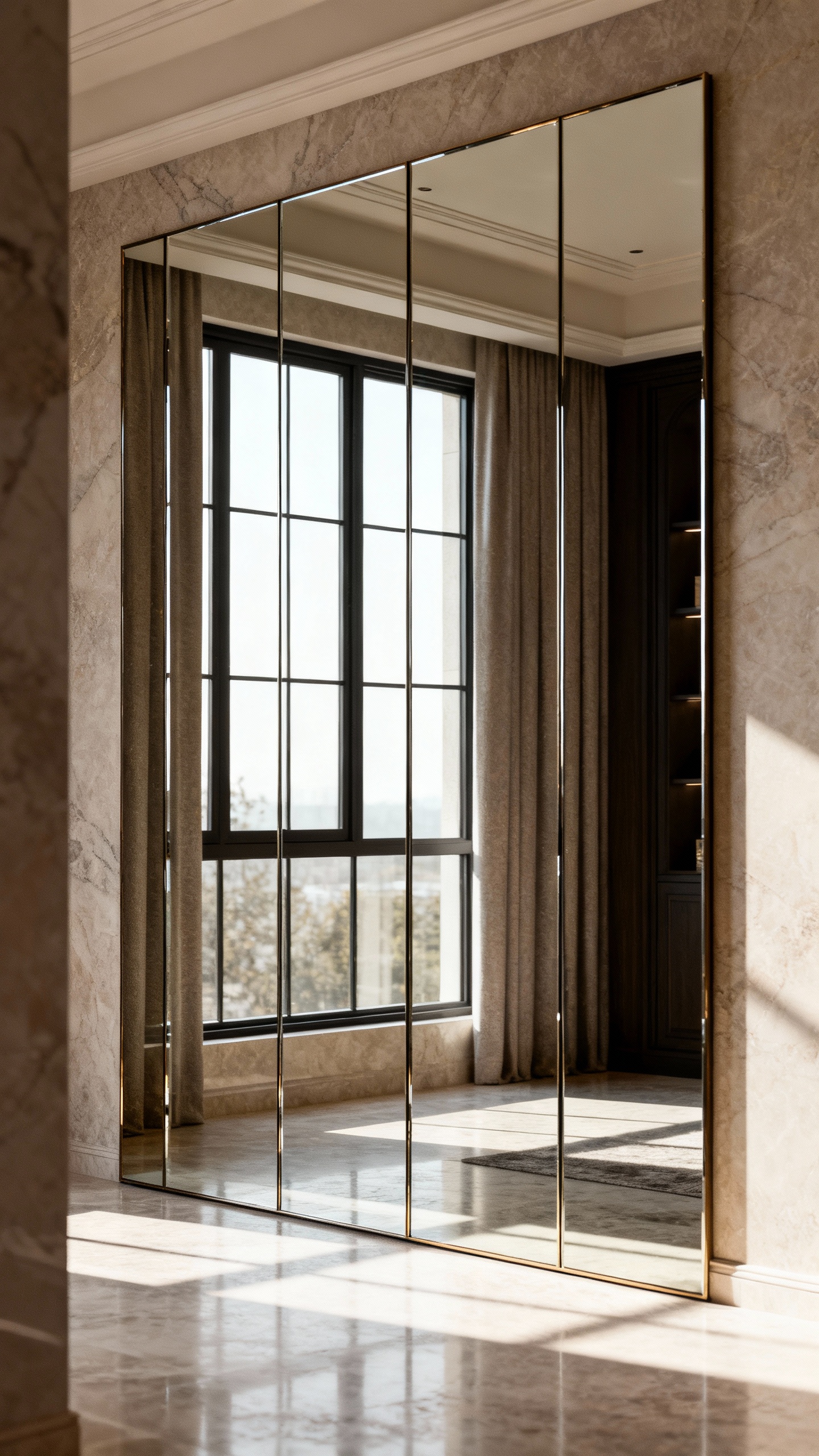
Mirrors are your best “architectural detail” when you want brightness fast. Place a large mirror opposite (or adjacent to) a window to bounce daylight deeper into the space, then add a second smaller mirror or reflective art in any dim corner. Choose frames in brass, champagne, or light wood to keep the reflection warm, not stark.
6) Swap heavy overheads for a sunrise-style lighting plan (2700K–3000K)
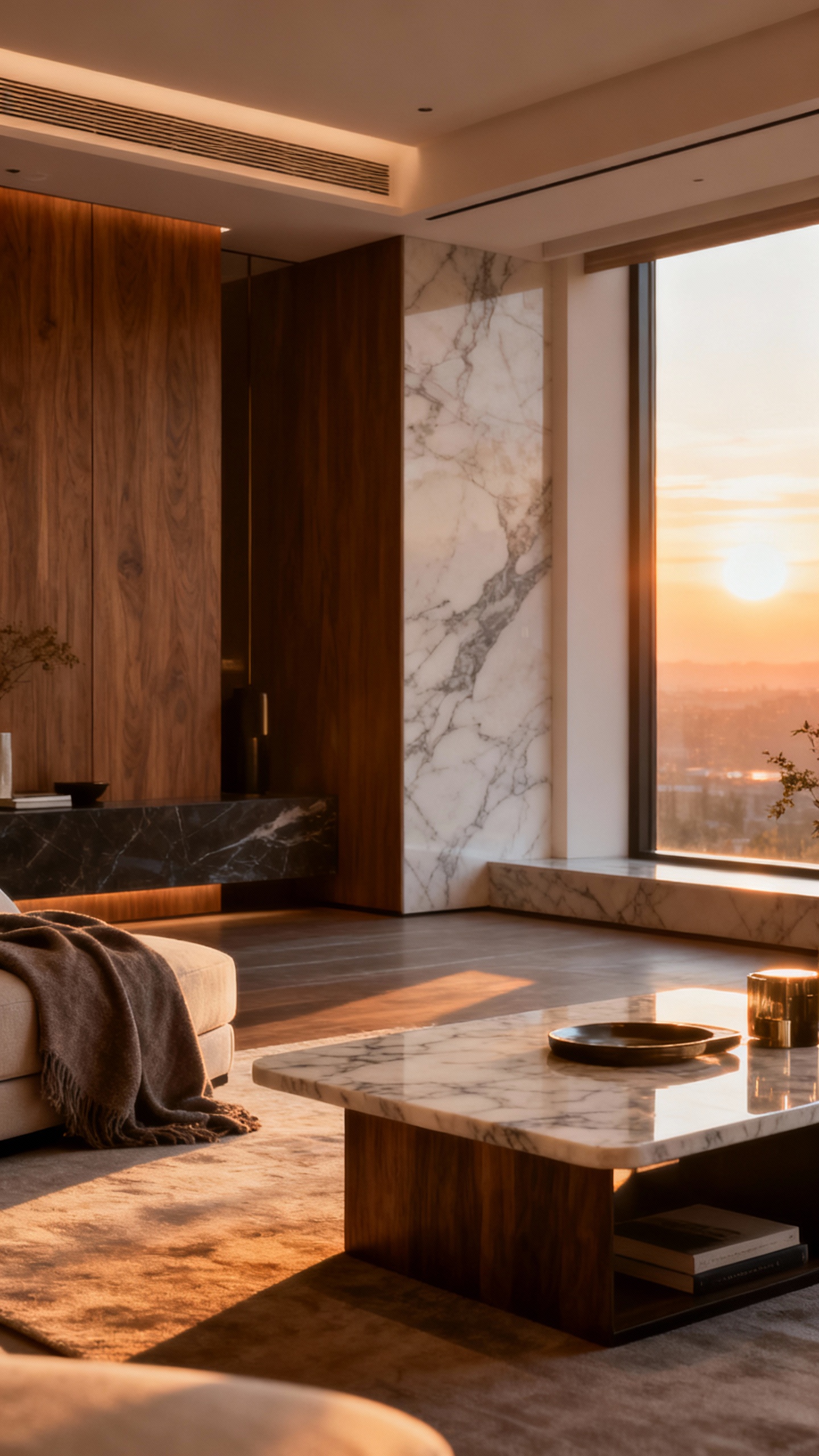
Overhead lighting alone can flatten a room; a Sunrise Home needs layered light at multiple heights. Aim for warm white bulbs (2700K for cozy, 3000K for crisp-but-warm) and combine ceiling fixtures with floor lamps and table lamps. A dimmer on the main light lets you create “first light” in the early morning and “golden hour” at night.
7) Bring in gentle “sunrise colors” in small, high-impact doses
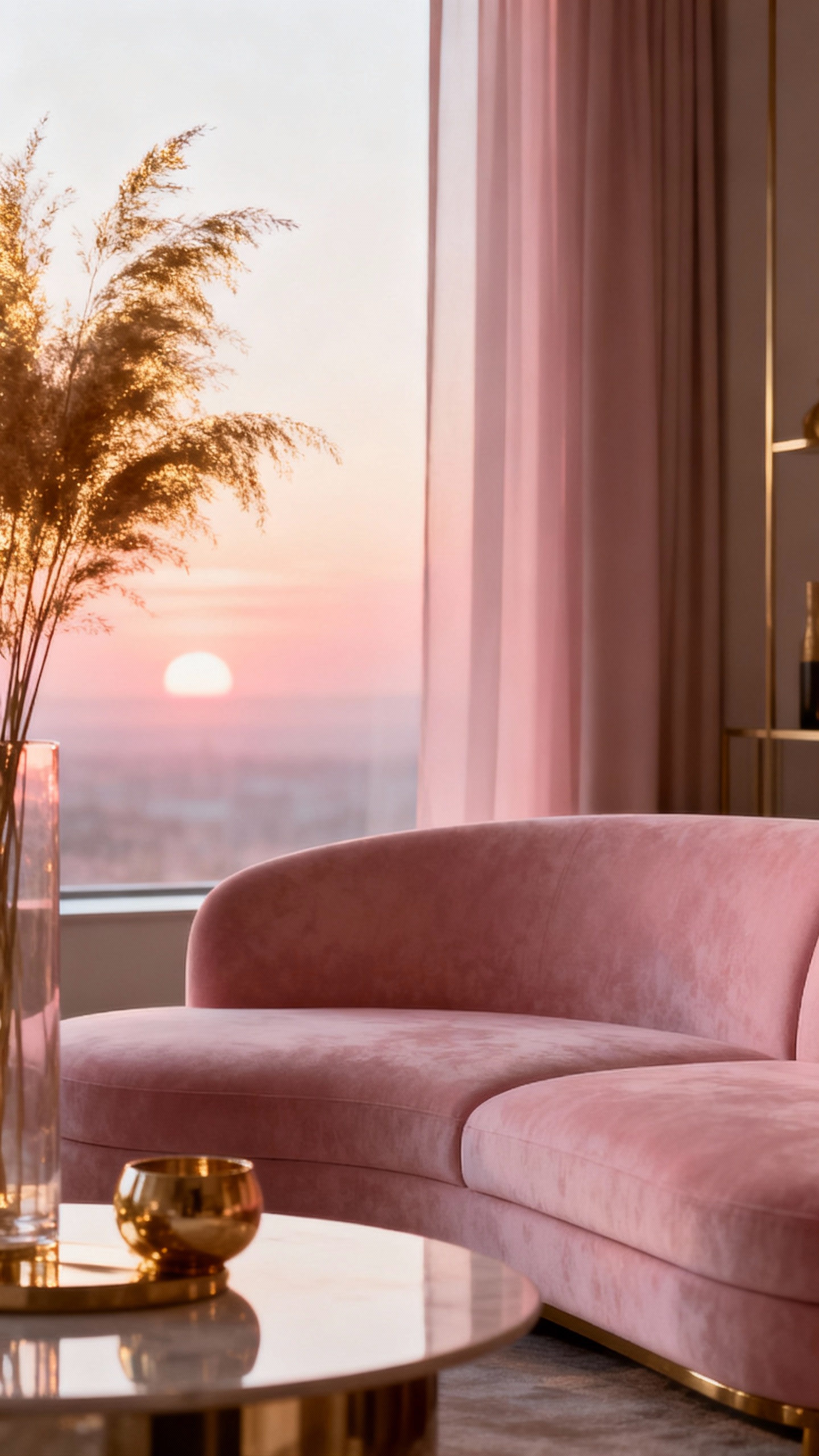
Think blush, apricot, soft terracotta, buttercream, and muted coral—colors that feel like a sky warming up. Use them as accents on pillows, a throw, artwork, or a single statement chair, balanced with plenty of warm whites and light woods. Keeping the saturation soft is what makes it feel bright and high-end rather than loud.
8) Create an airy layout: float furniture and protect light pathways
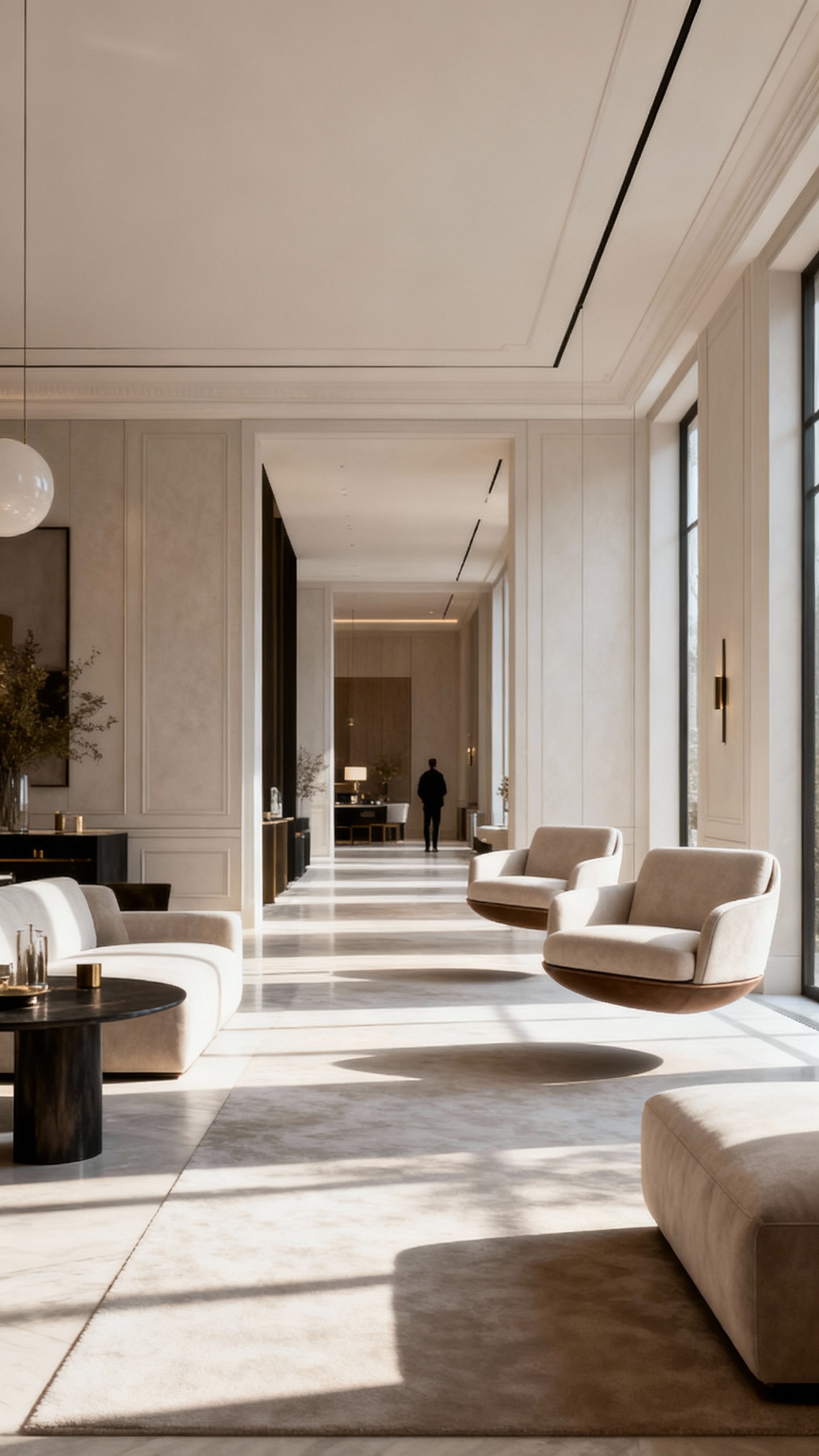
Sunrise style is as much about negative space as it is about decor. Pull bulky pieces away from windows, keep tall storage out of direct light paths, and float seating slightly to allow light to travel. Even small changes—like replacing a chunky coffee table with a lighter profile—can make the whole room feel sunnier.
9) Add architectural texture: limewash, slatted wood, and subtle plaster vibes
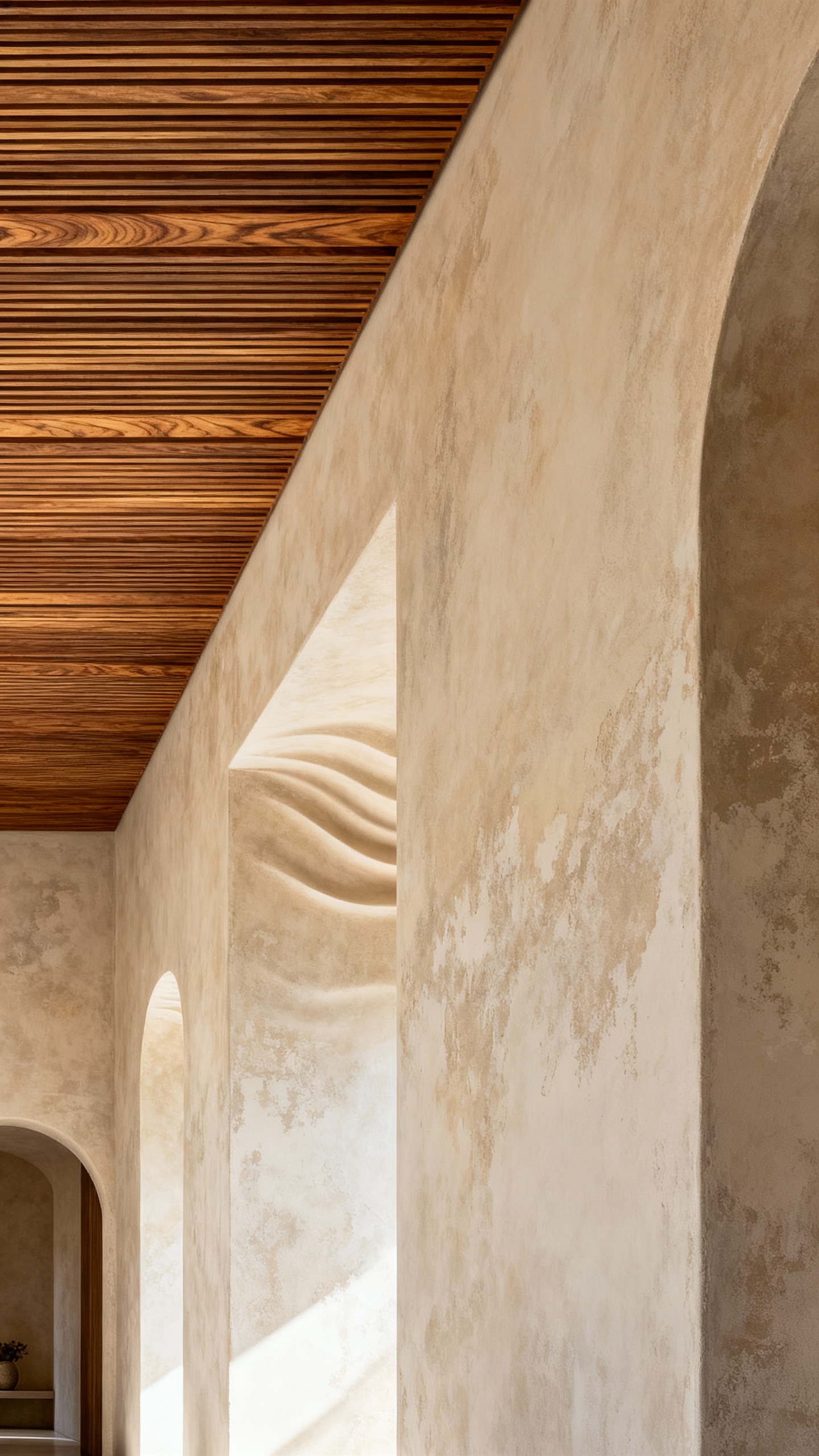
Bright doesn’t have to mean flat. Softly textured finishes—limewash-style paint, thin slatted wood panels, or a plaster-look accent wall—catch light in a way that feels like early sun across a surface. Keep the color tonal (one shade family) so the texture reads elevated and calm, not busy.
10) Style with “morning freshness”: glass, ceramics, and edited surfaces
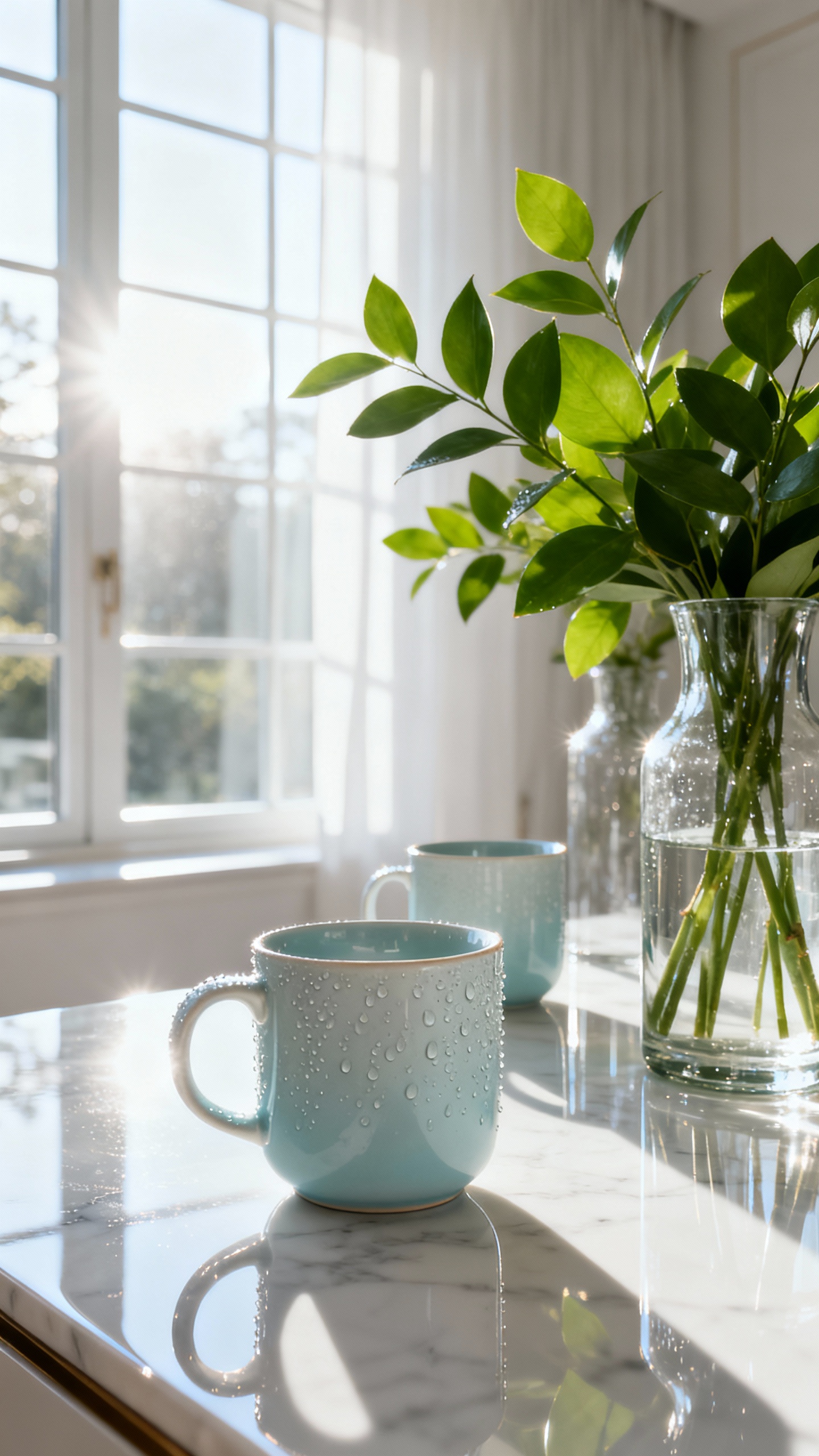
Choose decor that reflects or diffuses light: clear glass vases, glossy ceramic bowls, and travertine or light stone accessories. Keep surfaces intentionally edited—fewer, better pieces—so the home feels crisp and breathable. A small ritual detail, like a beautiful tray for coffee or a pale floral arrangement, reinforces that sunrise-at-home mood.
FAQ
What exactly makes a home feel like a “Sunrise Home”?
It’s a combination of warm, bright light; reflective and light-toned finishes; and an airy layout that lets daylight travel. The palette stays soft and warm, and textures add glow instead of visual heaviness.
Can I create this look in a home with small windows?
Yes—focus on window illusions (high curtain placement), strategic mirrors, and a layered lighting plan with warm bulbs. Light rugs, warm whites on walls, and reduced visual clutter can make a smaller-window space feel dramatically brighter.
What color temperature bulbs work best for a sunrise feel?
Stick to 2700K for a cozy, golden glow or 3000K for a slightly cleaner warm light. Avoid very cool bulbs (4000K+) if you want that soft morning warmth rather than a bluish, office-like tone.
Do I have to paint everything white to make it bright?
No—warm off-whites and gentle neutrals often look brighter than stark white because they reflect light in a more flattering way. Add depth with pale wood, soft texture, and a few sunrise-tone accents to keep it interesting.
What are the fastest, renter-friendly upgrades to get this vibe?
Swap in sheer curtains, add a large mirror near a window, update bulbs to 2700K–3000K, and introduce a light rug plus warm, pale accessories. These changes are high-impact, photo-friendly, and easy to reverse.