
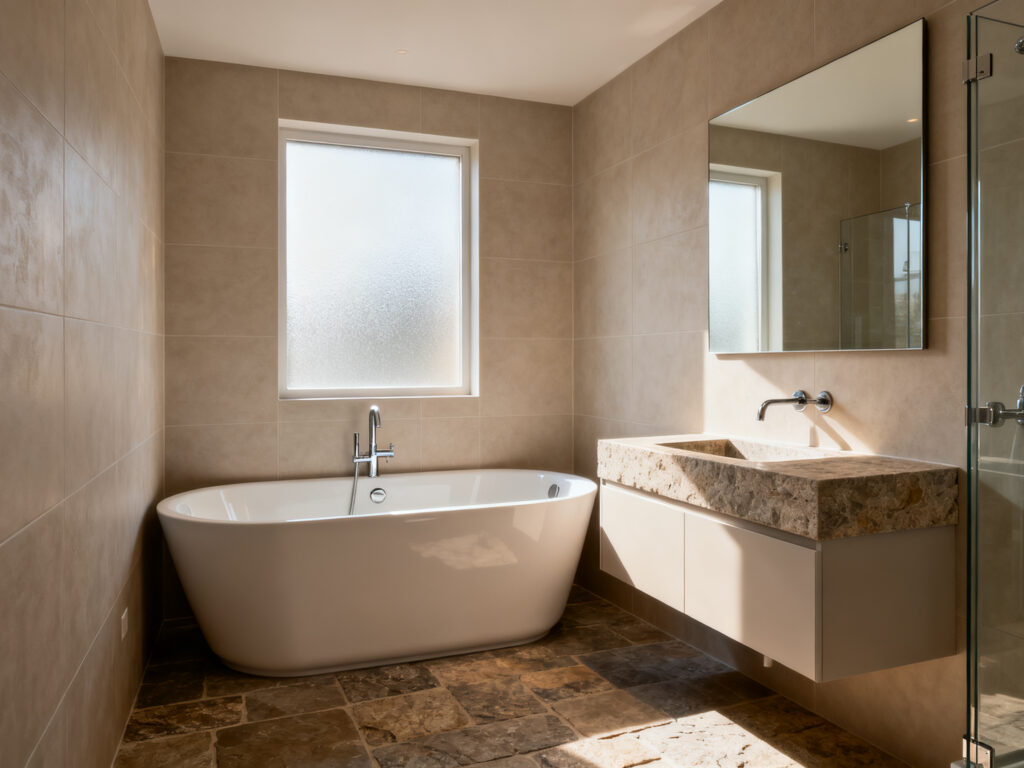
In-Home Jacuzzi Design Ideas for Small Bathrooms
Adding a jacuzzi tub to a small bathroom is absolutely doable—it just requires smarter placement, tighter clearances, and a plan for moisture, access, and service needs. The goal is to make the tub feel intentional, not crammed, while keeping everyday bathroom function intact.
Below are 10 practical, layout-first design ideas that help a jacuzzi tub fit comfortably in a compact bathroom, plus the key ventilation, plumbing, and electrical considerations that keep it quiet, safe, and easy to maintain.
1) Swap the standard alcove tub for a compact jacuzzi tub-in-alcove
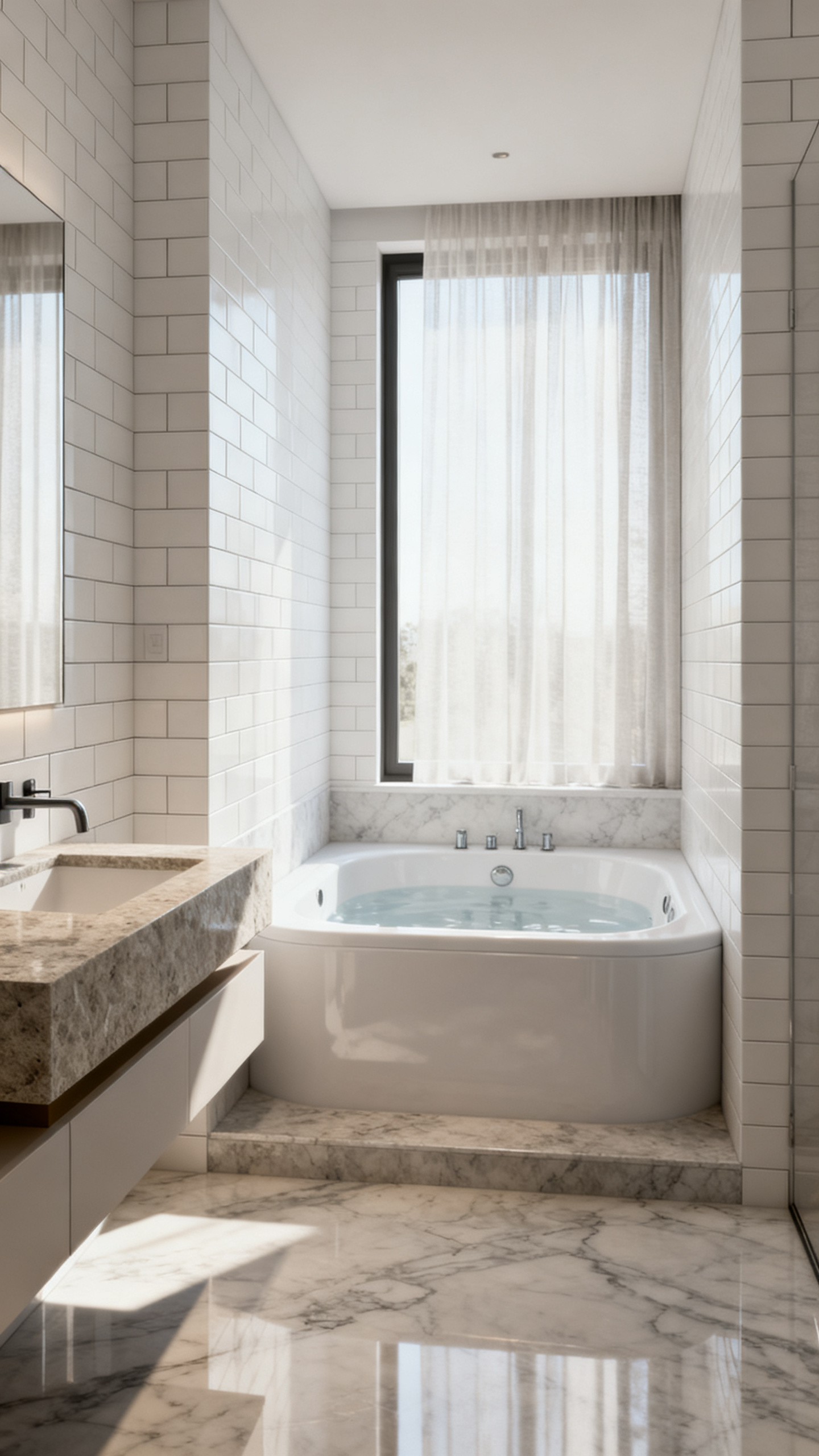
If your small bathroom already has a tub/shower alcove (three walls), this is often the cleanest way to add jets without reworking the whole footprint. Look for shorter or narrower jacuzzi tub models designed for tight spaces, and confirm the motor/pump access panel can be reached from the apron or an adjacent closet. Keep the front clearance comfortable—aim for about 21–30 inches in front of the tub for stepping in and out.
2) Tuck a corner jacuzzi tub to free the main walkway
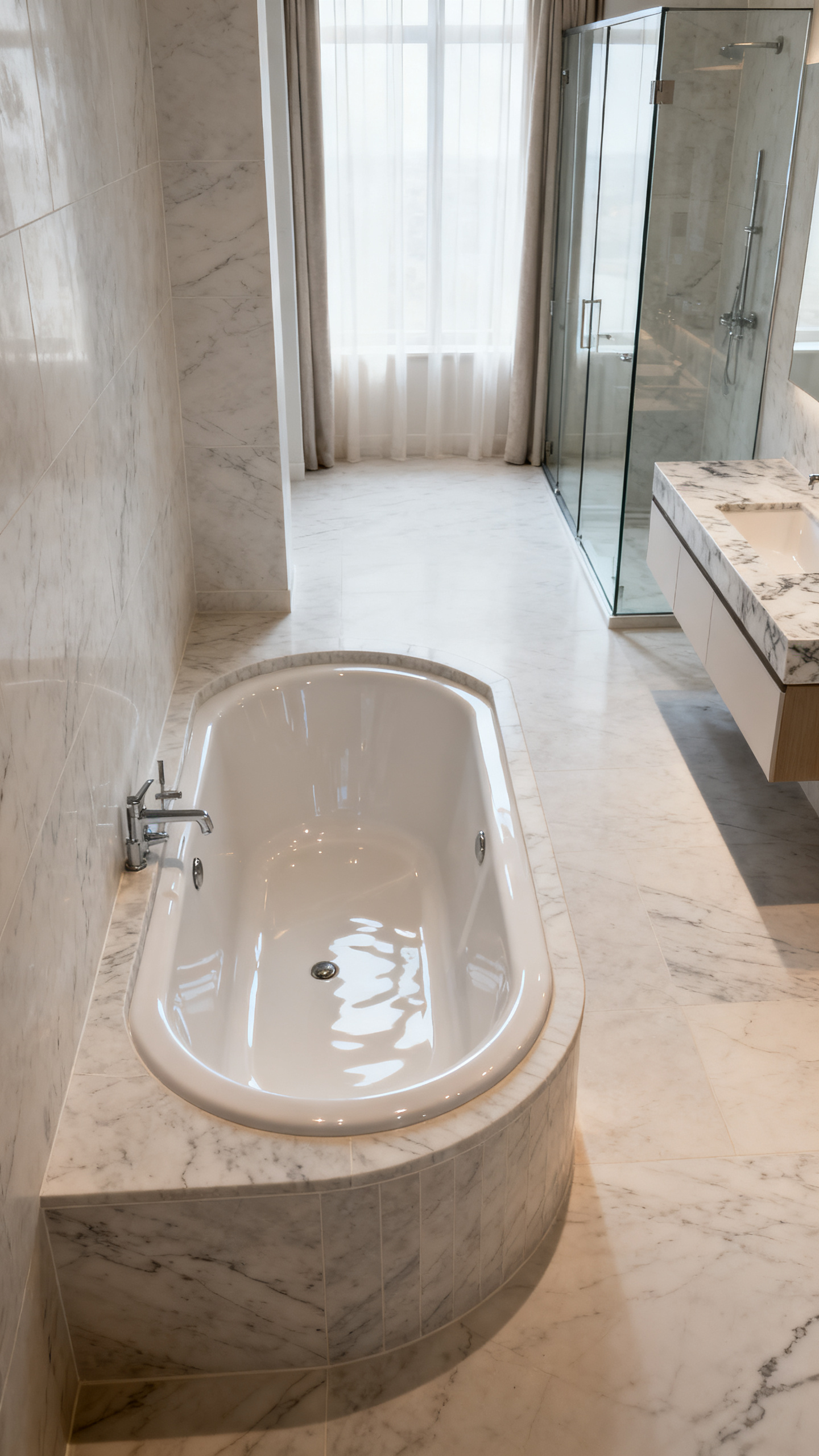
A corner layout can open up the center of a small bathroom, especially when the door swing and vanity compete for space. Choose a true corner jacuzzi tub (not oversized) and plan a small ledge or deck area only where it helps—extra width everywhere can crowd the toilet zone. Make sure you still have a clear, dry landing zone outside the tub so you’re not stepping into a traffic path.
3) Use an end-wall “feature tub” placement with a narrow vanity opposite
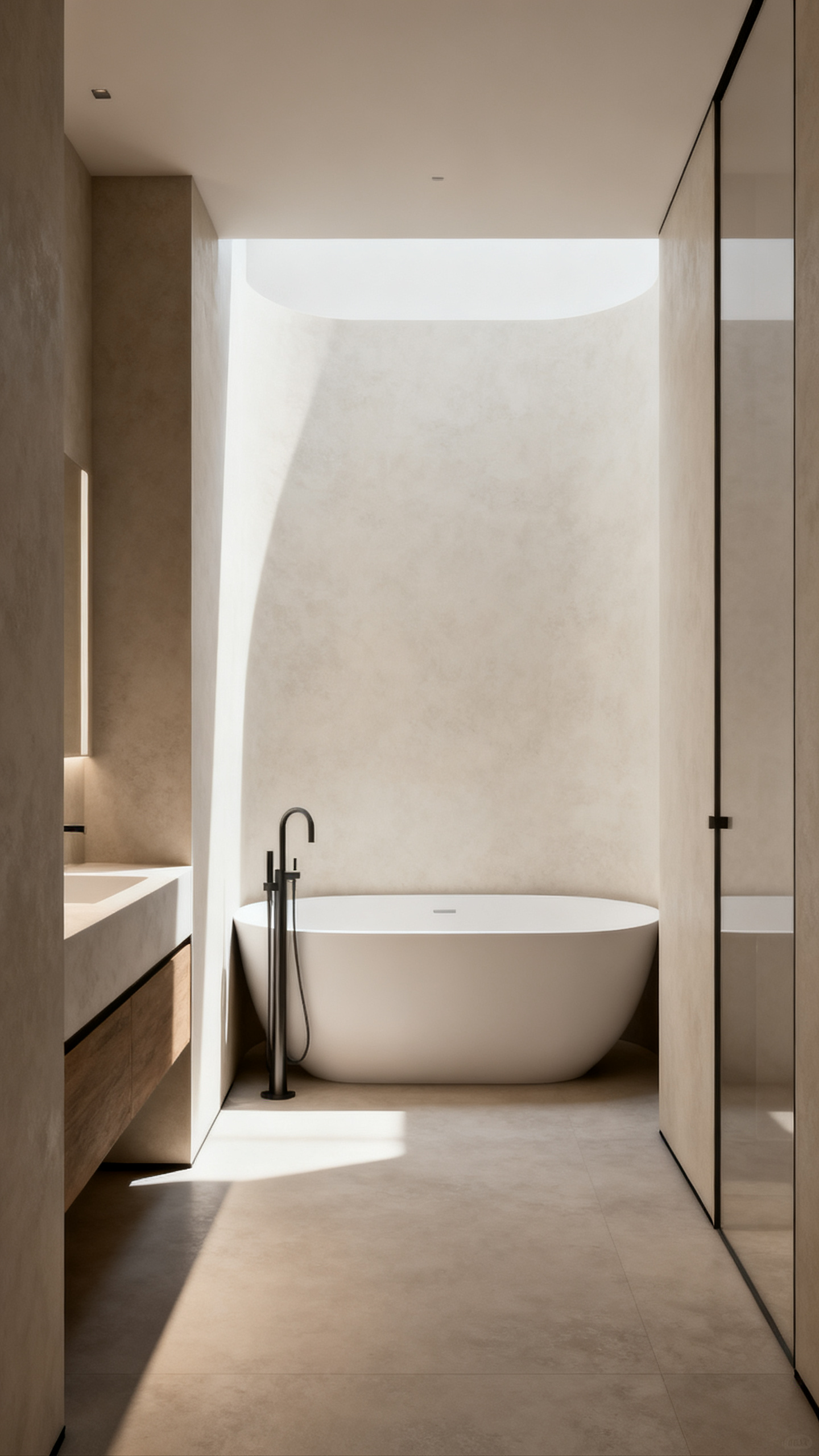
In a long, narrow bathroom, placing the jacuzzi tub on the back (short) wall can create a spa focal point without widening the room. Balance it with a slim-depth vanity (often 18–20 inches deep) on the opposite side to maintain a workable aisle. Keep the tub controls and faucet reachable from the entry side so you can turn water on without leaning over a wet surface.
4) Choose a drop-in jacuzzi with a slim deck—only where you need it
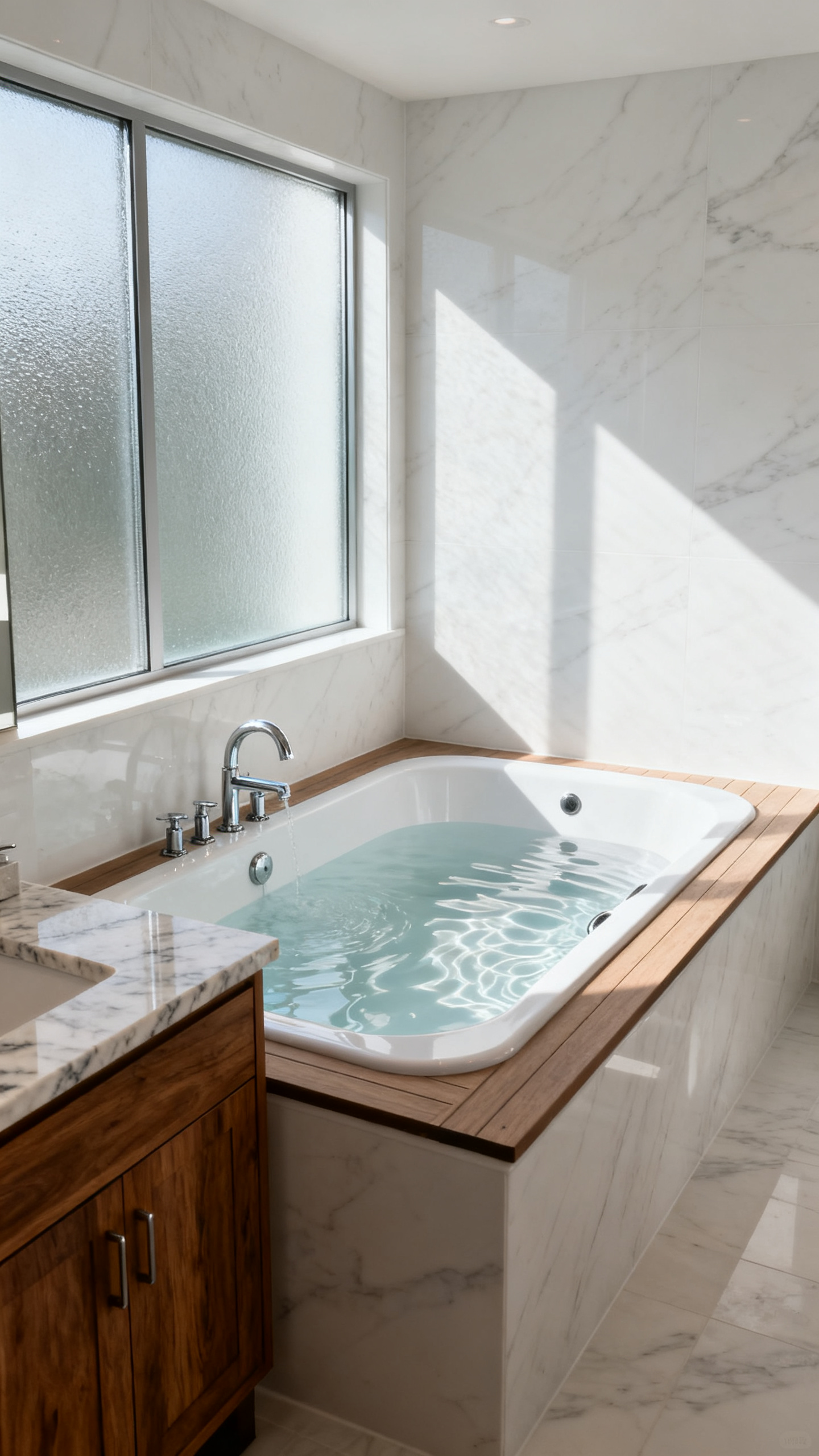
Drop-in tubs can look custom, but in a small bathroom the deck must be carefully controlled so you don’t “lose” floor area. Design a minimal deck that’s just wide enough for a faucet, a small shelf, and a comfortable edge—then keep the other sides tight to walls where possible. Confirm you have an access panel sized for servicing the pump and connections (many manufacturers specify minimum access dimensions).
5) Prioritize service access: hide an access panel in plain sight
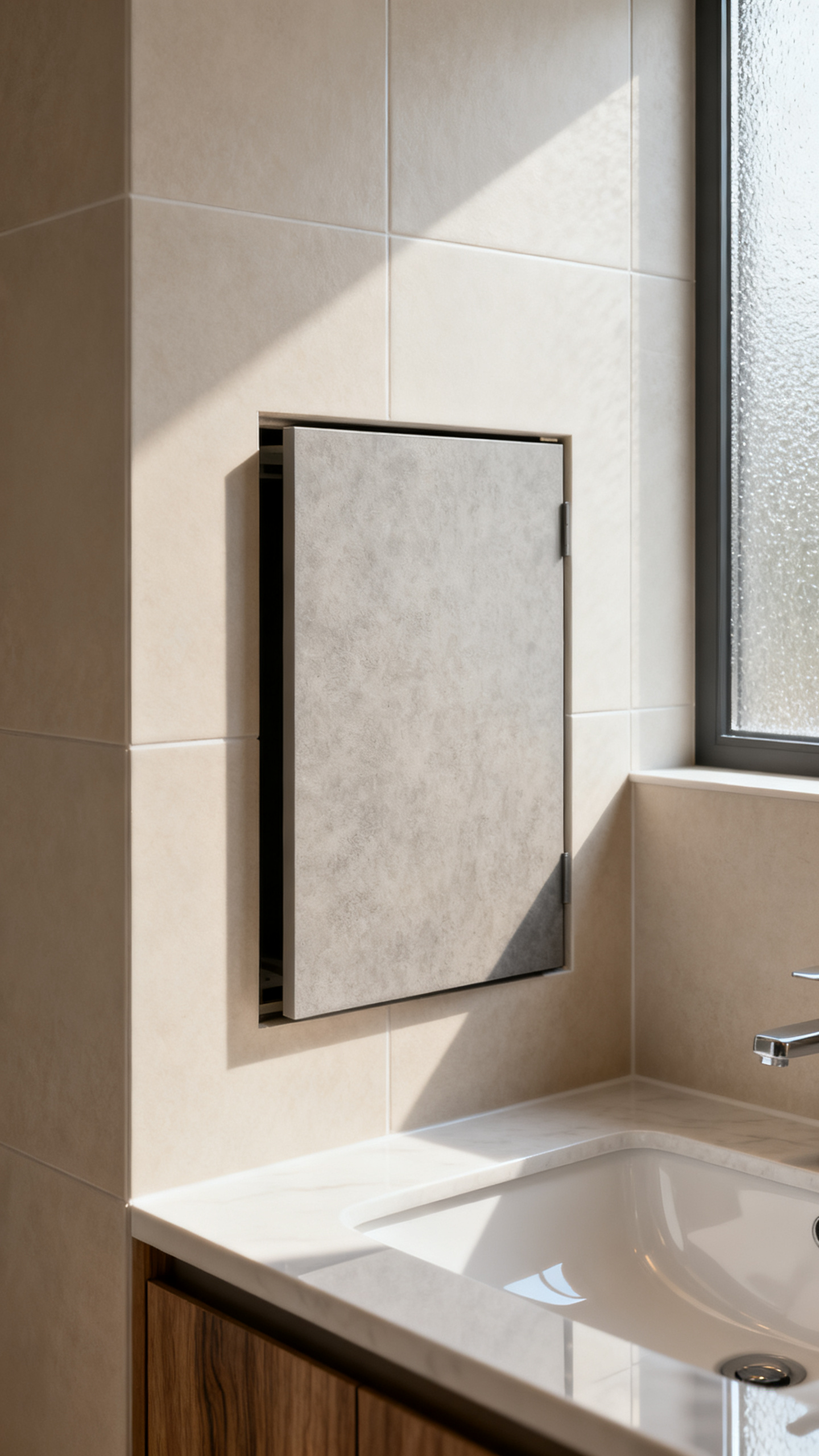
Jacuzzi tubs need a reachable access point for the pump/motor, and small bathrooms can’t afford awkward, oversized panels in the middle of a walkway. Place the access on the tub apron facing an open area, or on the backside of a shared wall (for example, into a hall linen closet) to keep the bathroom looking clean. If the access panel must be in the bathroom, align it with tile grout lines or a removable magnetic panel so it feels intentional.
6) Plan the electrical layout early (GFCI, dedicated circuit, and control placement)
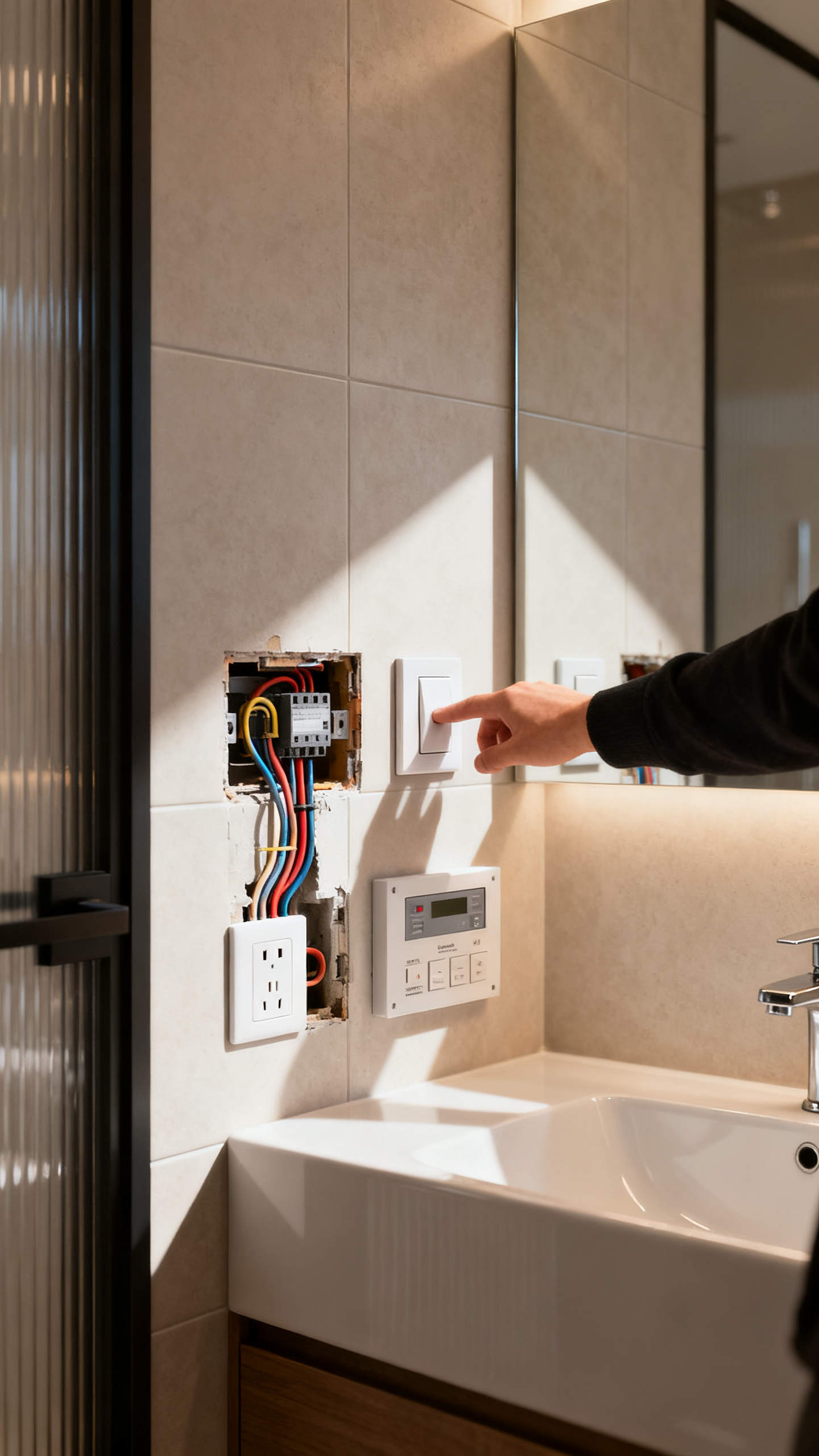
Most jacuzzi tubs require a dedicated electrical circuit and GFCI protection; this is not the place for last-minute planning in a small bathroom. Decide where the disconnect, junction access, and controls will live so they’re code-compliant and still reachable without opening walls later. Keep controls away from splash zones, and consider a model with low-profile controls so the tub edge stays comfortable in tight quarters.
7) Build a ventilation strategy that matches “jacuzzi-level” moisture
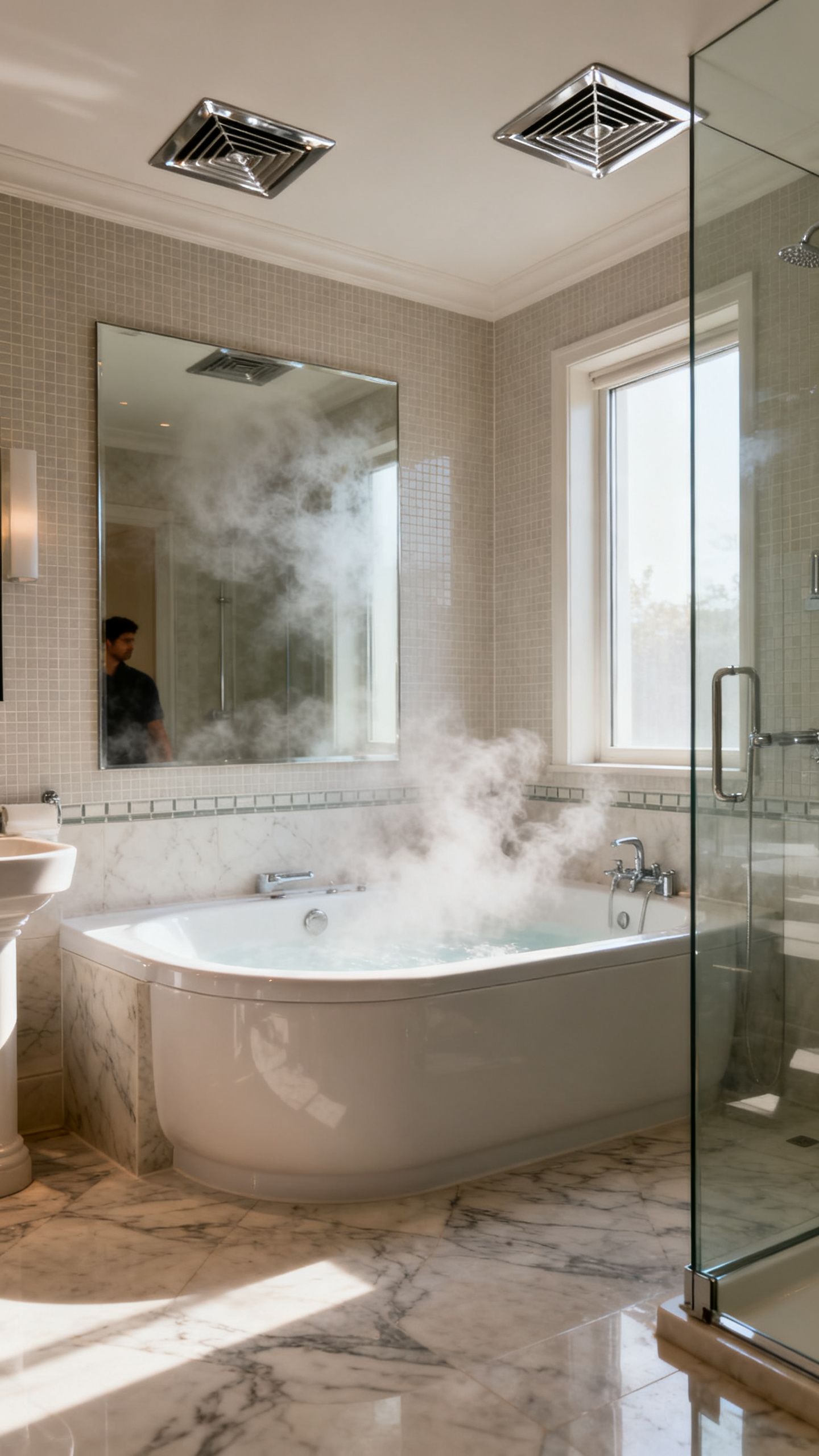
A jacuzzi tub increases humidity fast, and small bathrooms show it on mirrors, paint, and grout. Upgrade to a properly sized, quiet exhaust fan and run it longer (a timer switch makes this effortless), and vent it to the exterior—not into an attic. If you’re tight on ceiling space, a slim-profile fan can still deliver strong airflow and help prevent peeling paint and lingering dampness around the tub deck.
8) Reduce noise and vibration with smart framing and isolation
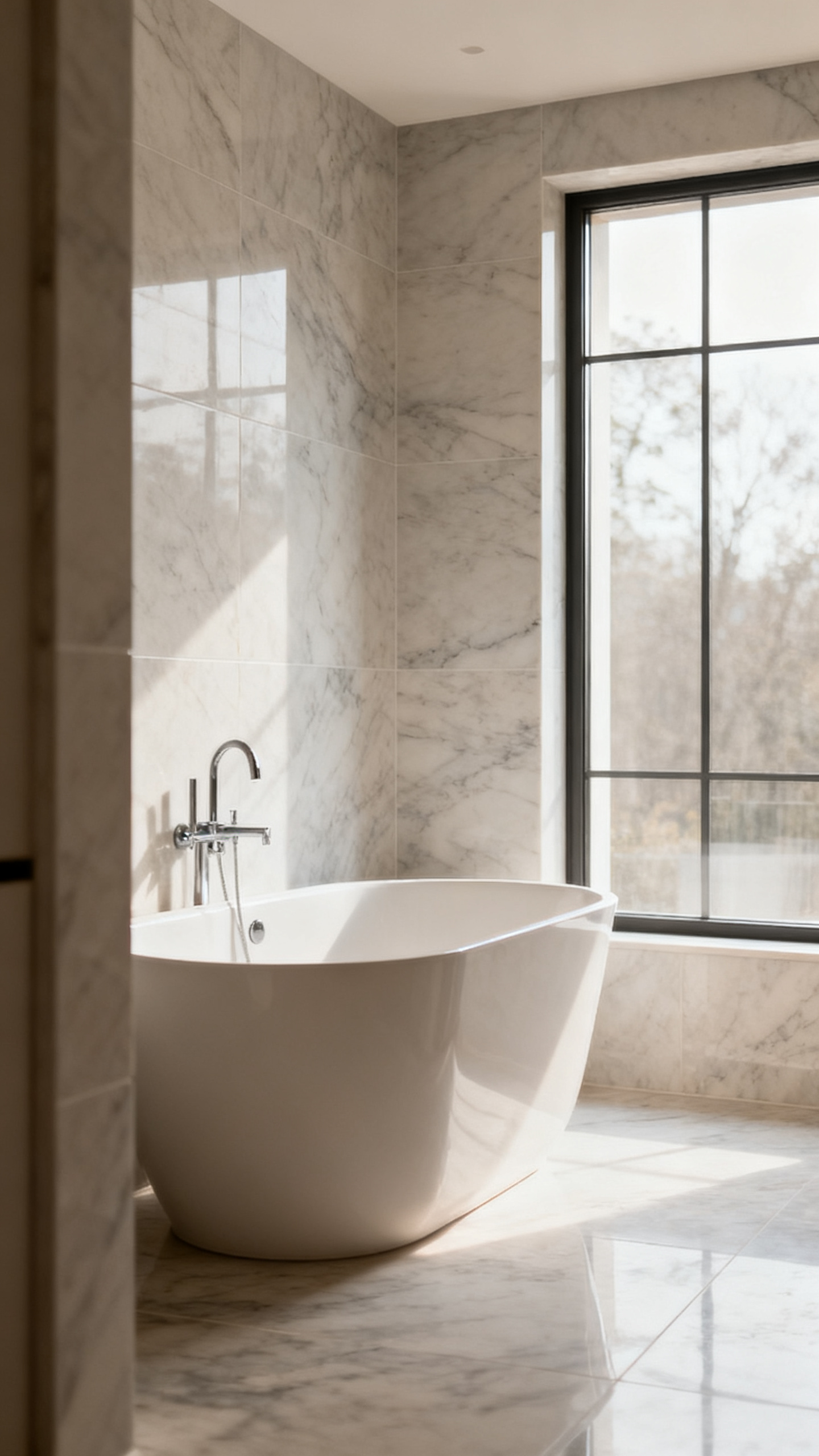
In a compact bathroom, you’ll notice every rattle—so treat noise control like part of the design. Set the tub per manufacturer instructions (often with a mortar bed or support base when required) and add vibration-isolating pads where appropriate to keep the pump from transmitting sound through framing. If the tub shares a wall with a bedroom, consider adding insulation in the wall cavity and choosing a quieter pump rating if available.
9) Get clear on plumbing realities: drain location, water heater capacity, and shutoffs
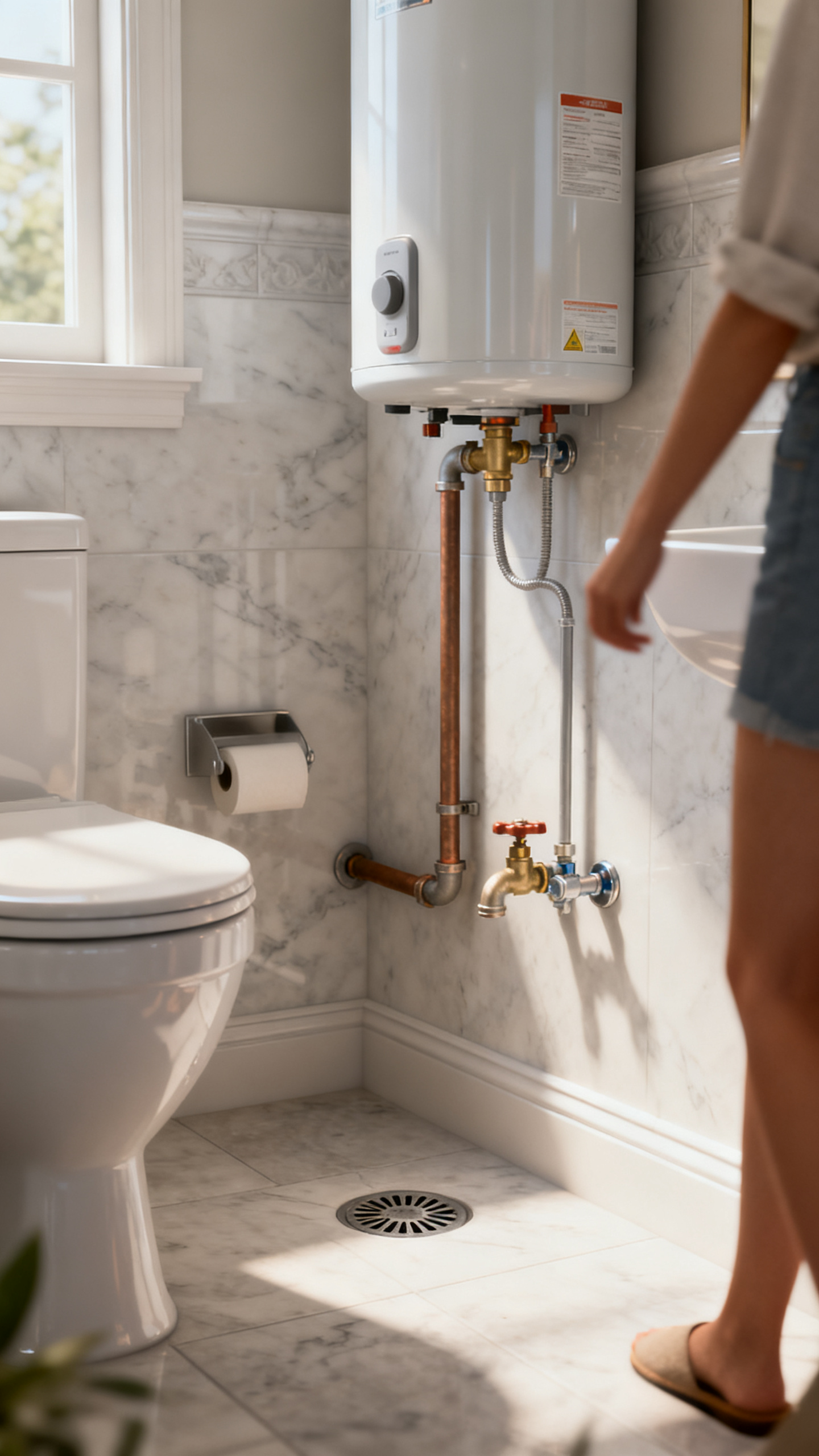
Before you fall in love with a tub shape, confirm your drain can align (or be reasonably relocated) without major structural changes—this is a big deal in small bathrooms where every inch matters. Jacuzzi tubs often hold more water than a standard tub, so verify your water heater can keep up, and consider a mixing valve/anti-scald protection for safety. Add accessible shutoff valves and a clean-out strategy so future maintenance doesn’t require removing tile or decking.
10) Add privacy and splash control with a glass screen or compact enclosure
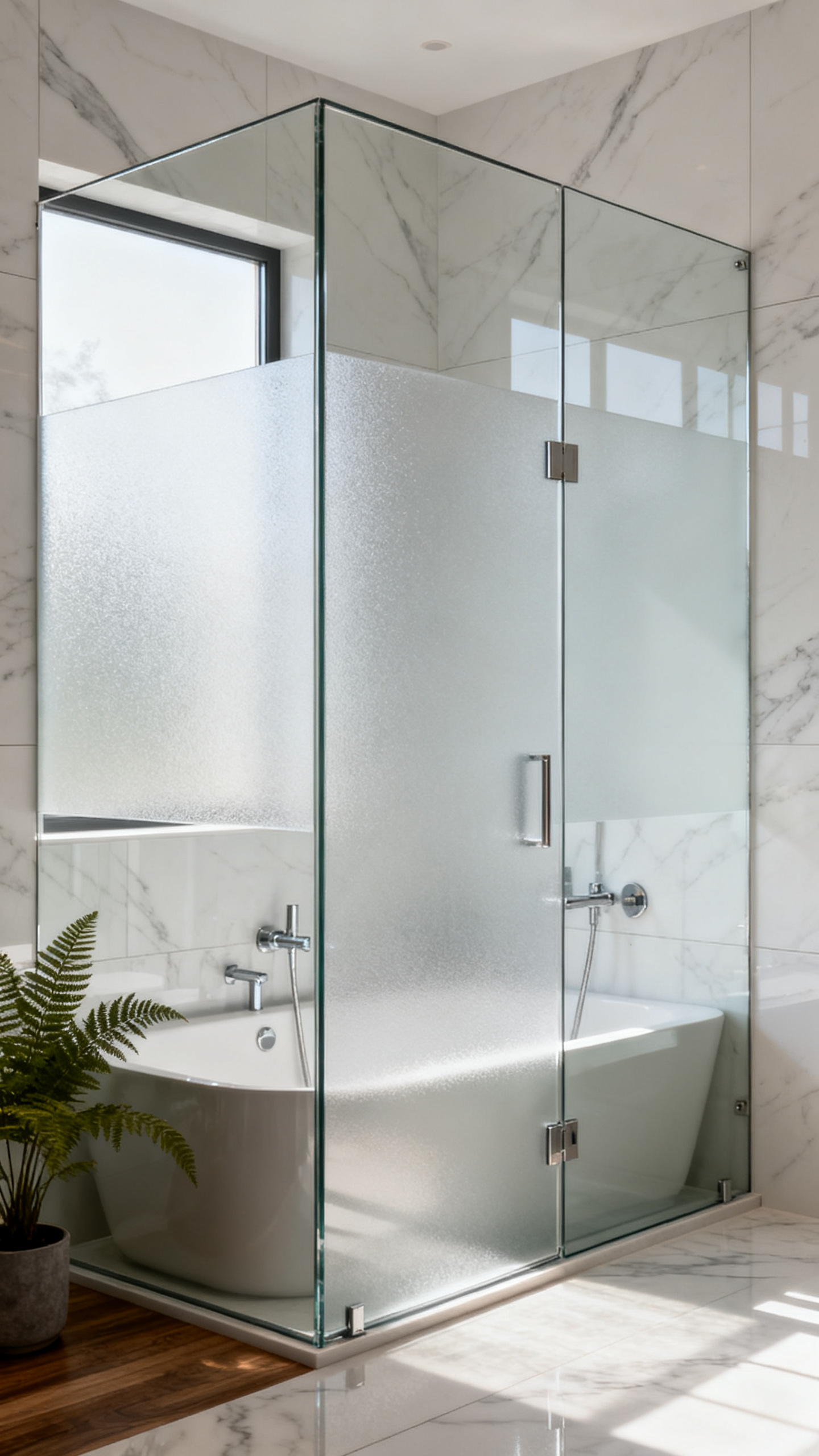
If the jacuzzi tub doubles as a shower (common in small bathrooms), control spray and sightlines to keep the room functional. A fixed glass panel or compact sliding screen can prevent water from soaking the floor without the bulk of a full swinging door, which often fights with tight clearances. For privacy, consider textured glass or a partial-height wall paired with glass—so the tub still feels open while the toilet and entry view are softened.
FAQ
How much space do you need around a jacuzzi tub in a small bathroom?
Aim for a comfortable clear floor area in front of the tub—often around 21–30 inches is workable in compact bathrooms, with more being better for safety. Also plan for a reachable service access panel for the pump/motor (manufacturer-specified size and location), which is just as important as standing room.
Can a jacuzzi tub also be the main shower in a small bathroom?
Yes, but it needs splash control and safe entry. Use a secure, water-tight glass screen or slider, place grab-friendly edges where you step in, and choose slip-resistant flooring so the room stays practical for daily use.
Do jacuzzi tubs require special electrical work?
Typically yes: many models need a dedicated circuit and GFCI protection, plus an accessible connection/disconnect method per local code. Plan electrical locations early so controls and access points don’t end up in awkward or unsafe splash zones.
What ventilation is best for a small bathroom with a jacuzzi tub?
Use a quiet, properly sized exhaust fan vented to the exterior, ideally on a timer so it runs long enough to clear humidity. This helps protect paint, drywall, and grout from chronic moisture issues that a jacuzzi can intensify.
What’s the biggest “small bathroom mistake” when installing a jacuzzi tub?
Ignoring access and maintenance. A beautiful tub can become a headache if the pump can’t be serviced without removing tile or cabinetry, so design an access panel location from day one—even if you hide it in a nearby closet wall.