
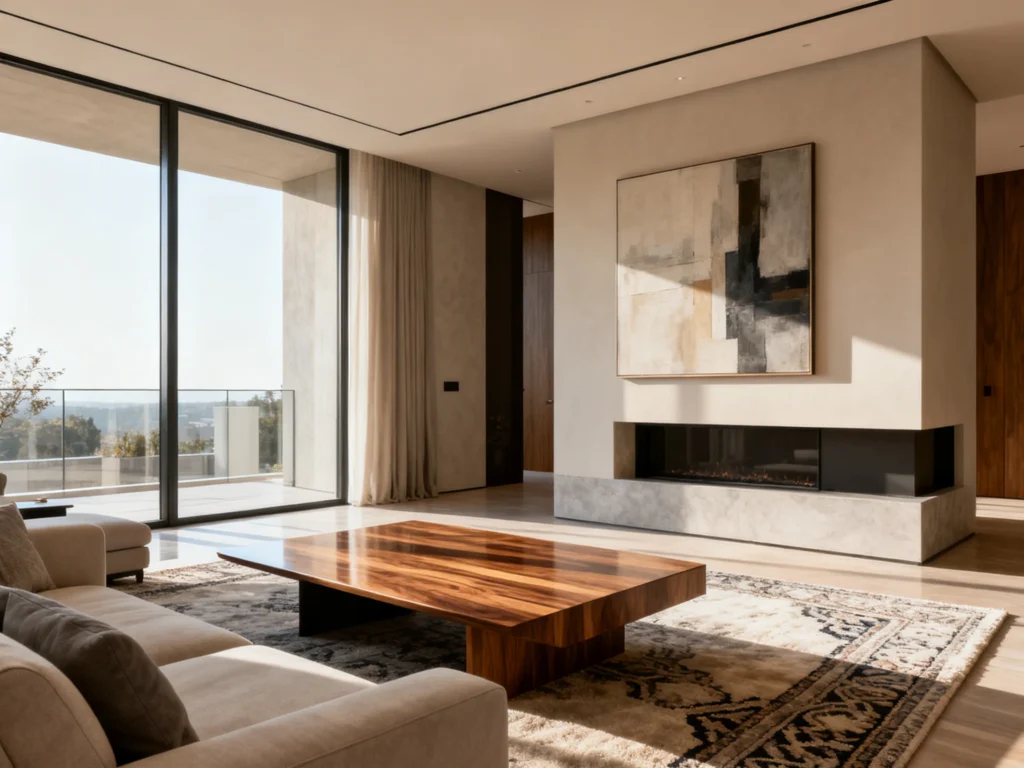
Residential Architecture Design Features That Increase Value
The living room is where architecture shows off. It’s the first space that makes a home feel “designed,” and the right structural features can read as instant value—light, volume, craftsmanship, and a layout that feels effortless.
Below is a Pinterest-style gallery of residential architecture moments that make living rooms feel elevated, memorable, and market-friendly—each one a distinct look with real visual impact.
Idea 1: Double-Height Volume with a Statement Light
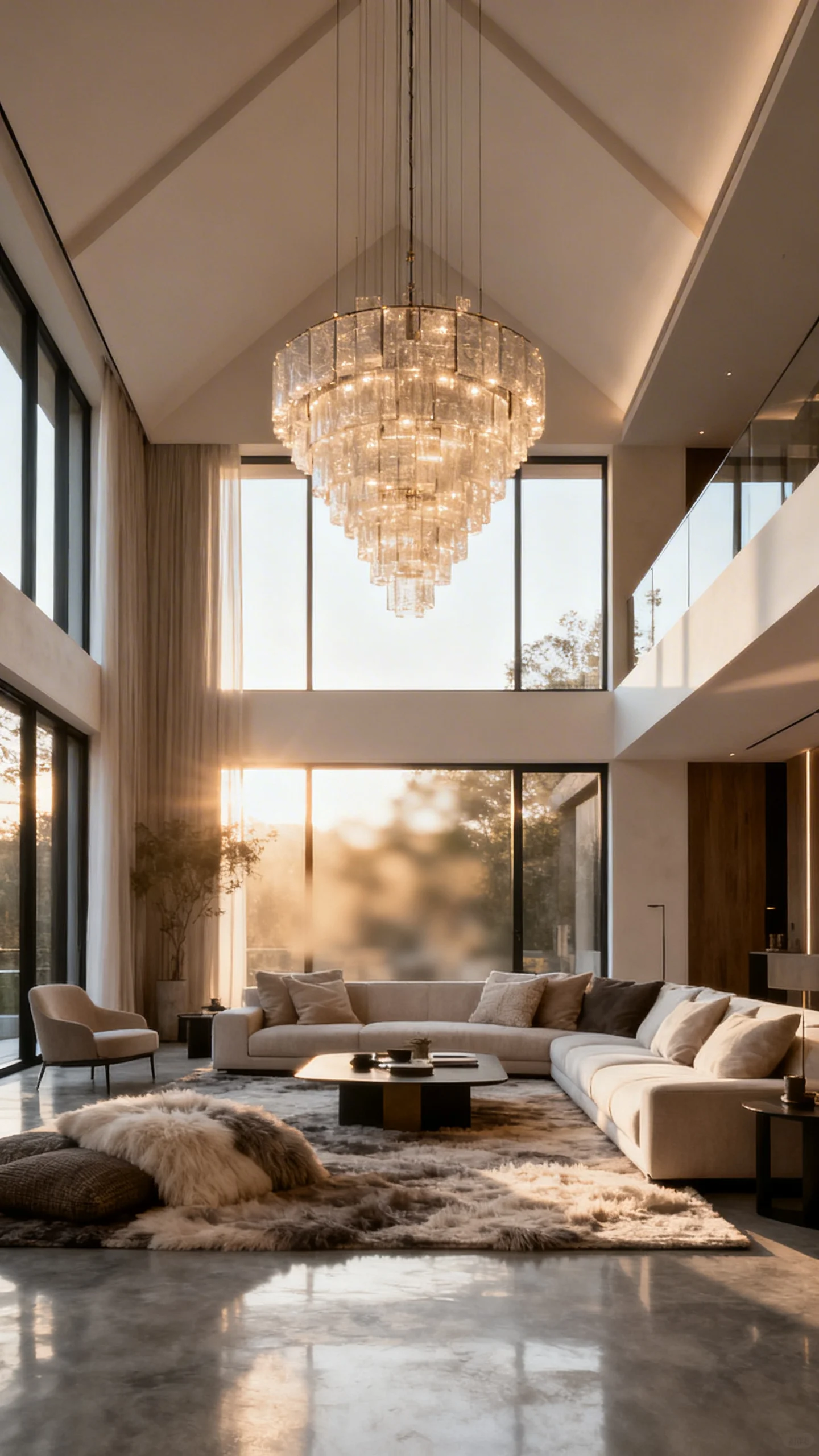
A soaring, double-height living room turns everyday lounging into a gallery-like experience. Picture tall walls washed in soft light, a dramatic chandelier or oversized pendant centered above a sculptural coffee table, and furniture scaled to match the vertical drama.
The vibe is “custom home” at first glance—architectural presence that feels rare, especially when paired with clean lines, floor-to-ceiling drapery, and a calm, tonal palette.
Idea 2: A Wall of Glass That Frames the View
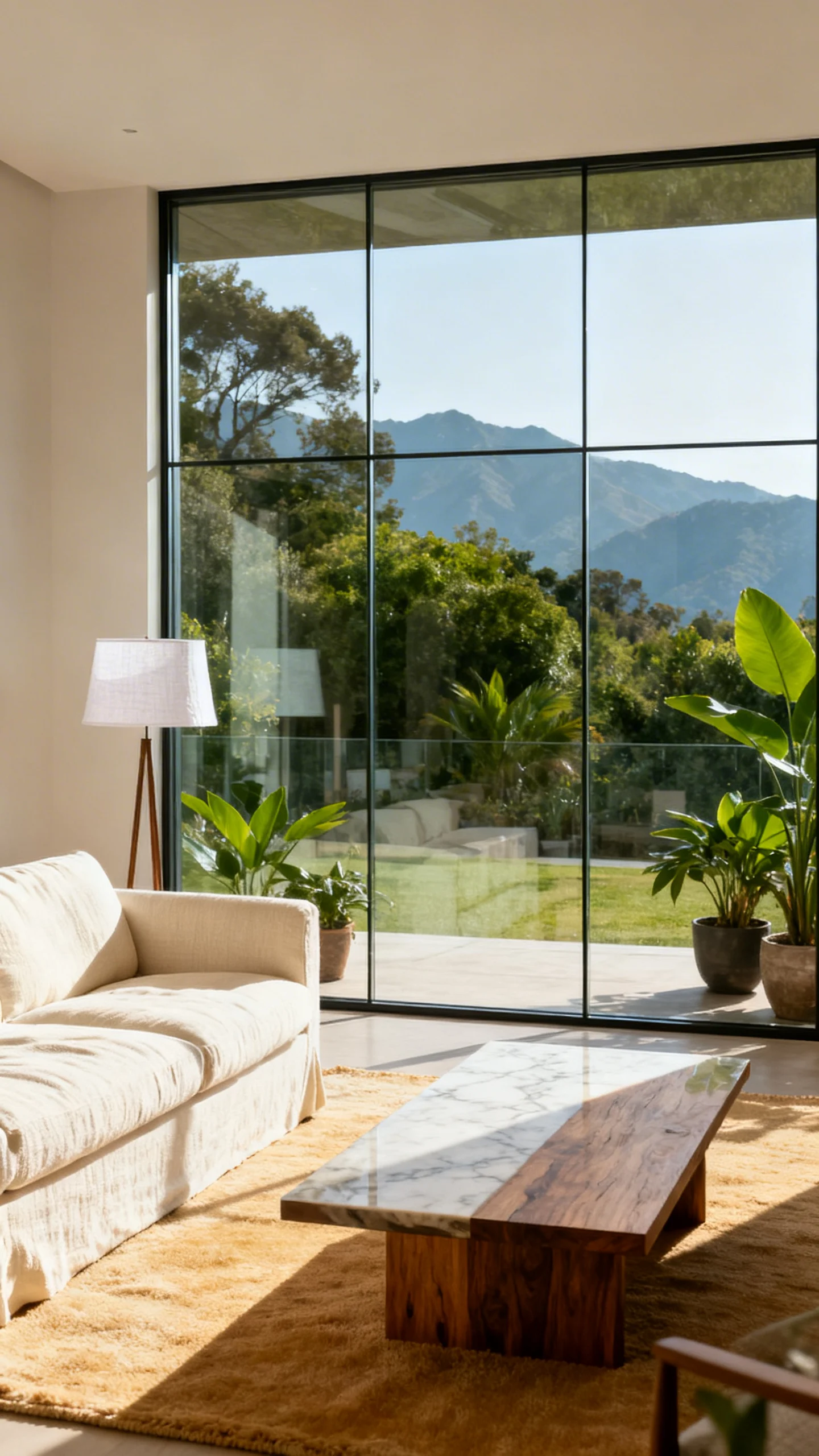
Think slim black or bronze window frames spanning nearly the entire living room wall, turning the outdoors into living artwork. Even without a dramatic view, the effect is cinematic: sky, trees, and daylight become the décor.
Style it with low-profile seating, airy textiles, and a simple rug so the architecture stays the hero—this kind of glazing reads as premium, modern, and timeless all at once.
Idea 3: Built-In Millwork That Looks Like Furniture
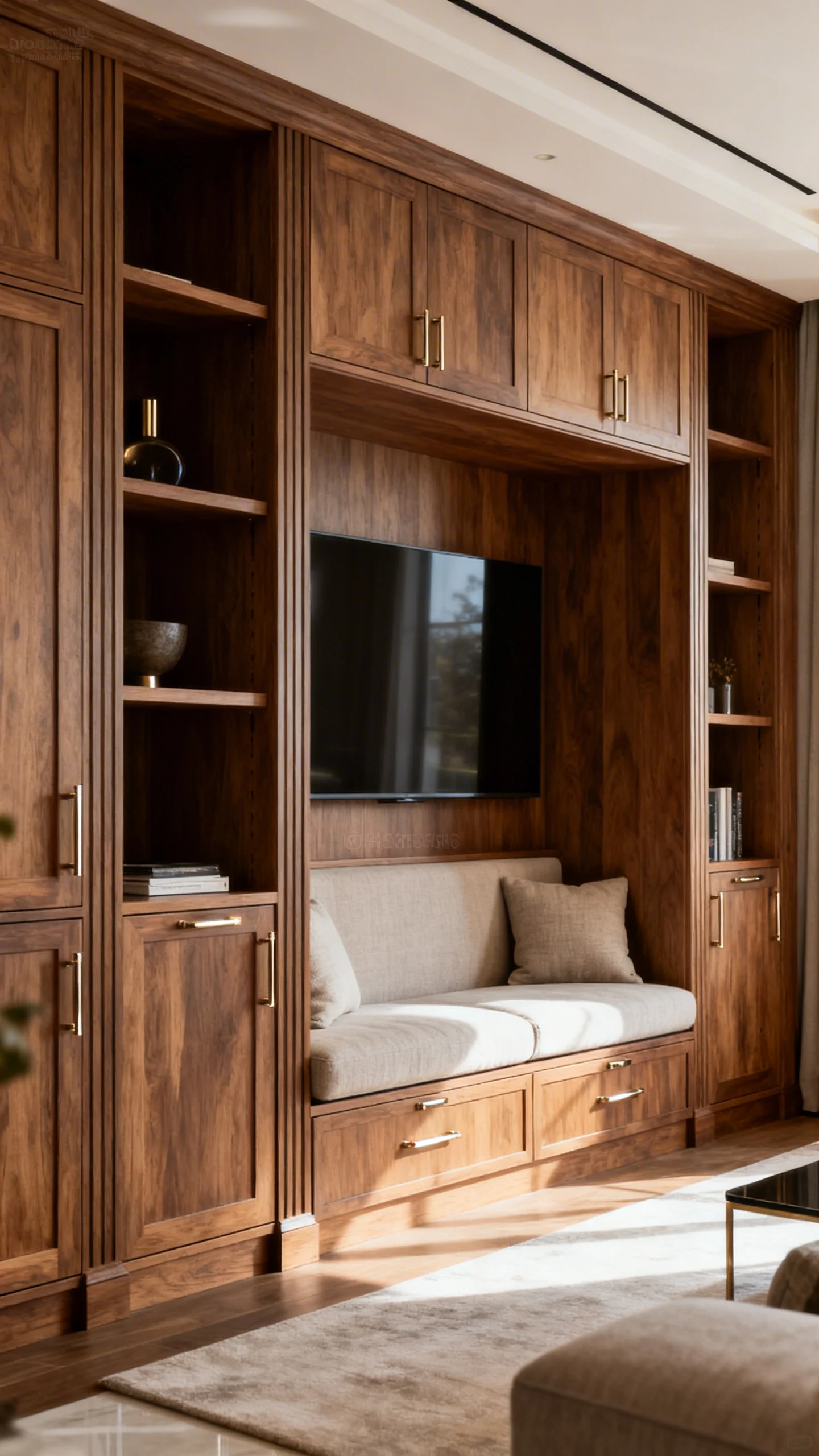
Custom built-ins instantly signal intention: a seamless wall of cabinetry with open shelves, concealed storage, and a niche for art or a TV that feels integrated—not tacked on. Imagine oak or walnut tones, warm lighting tucked into shelves, and trim details that match the home’s architecture.
The mood is polished and calm. The space feels larger because clutter disappears, and the living room photographs like a magazine spread—always a value-forward look.
Idea 4: Architectural Fireplace Wall in Natural Stone
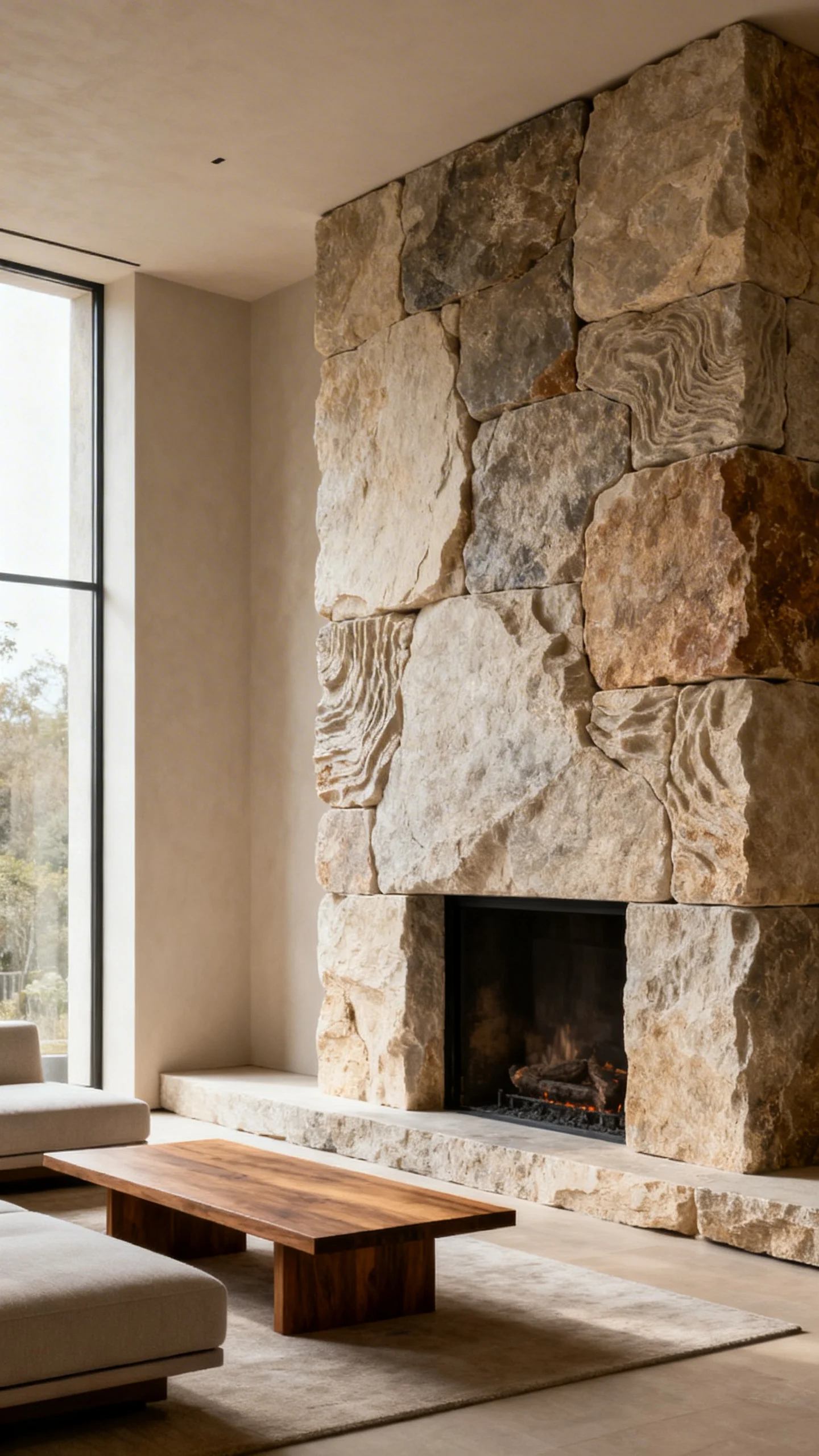
A living room anchored by a floor-to-ceiling stone fireplace has an instant “forever home” quality. Picture honed limestone for quiet luxury, or veined marble for a bold, high-design moment—paired with a simple mantel or a clean, mantel-free slab look.
It creates a focal point that feels structural and enduring. Add layered seating and textured neutrals, and the room lands as warm, substantial, and unmistakably elevated.
Idea 5: Coffered or Beamed Ceilings for Classic Depth
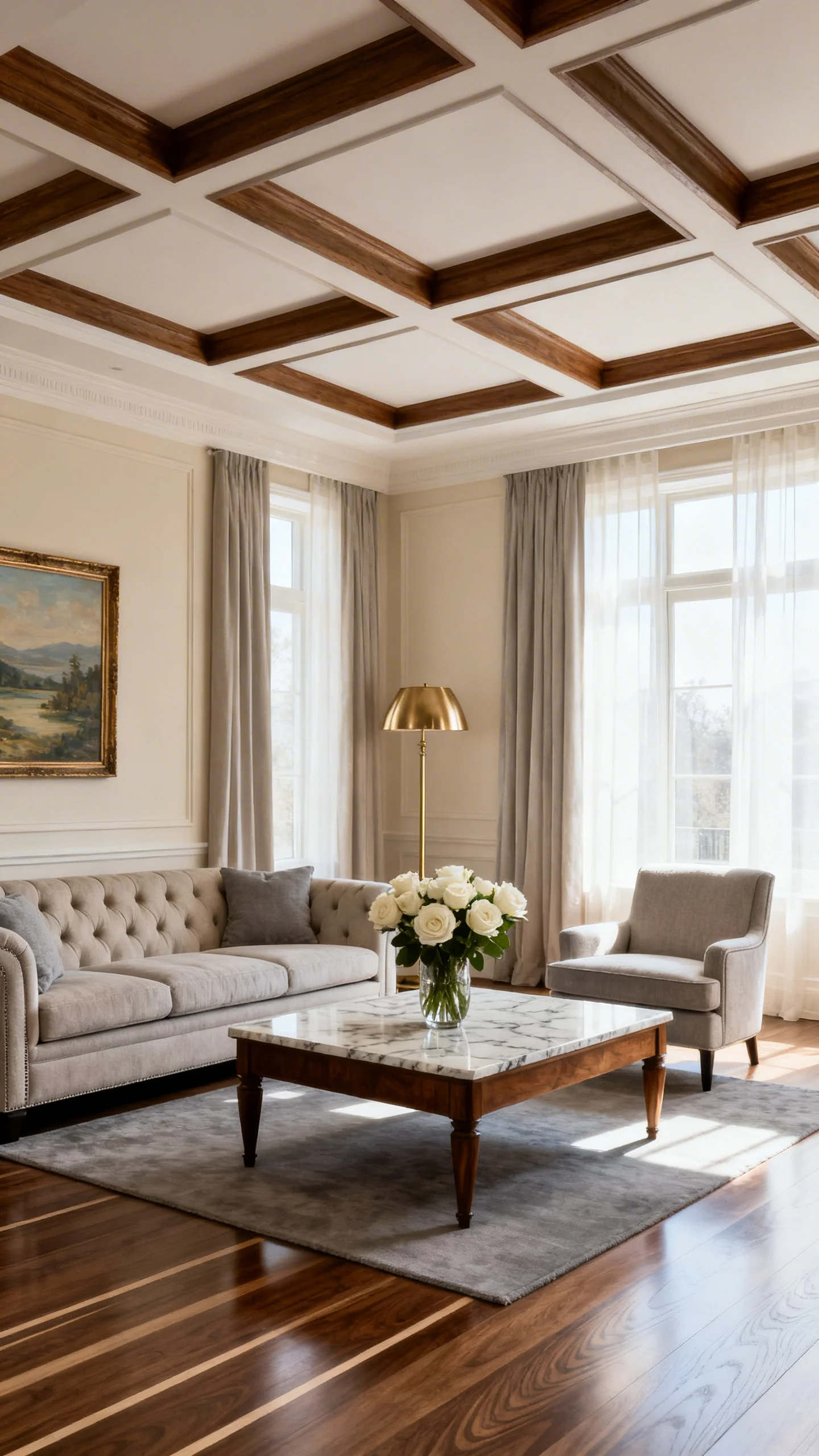
A ceiling with beams or coffers changes the entire living room in one glance—suddenly the space has rhythm and dimension. Visualize painted coffers in a creamy white for a tailored look, or natural wood beams for a modern rustic feel.
The vibe is “architect-designed,” especially when the beam layout aligns with the furniture plan and the lighting is thoughtfully placed to highlight the ceiling’s geometry.
Idea 6: Arched Openings That Create a Soft, Upscale Flow
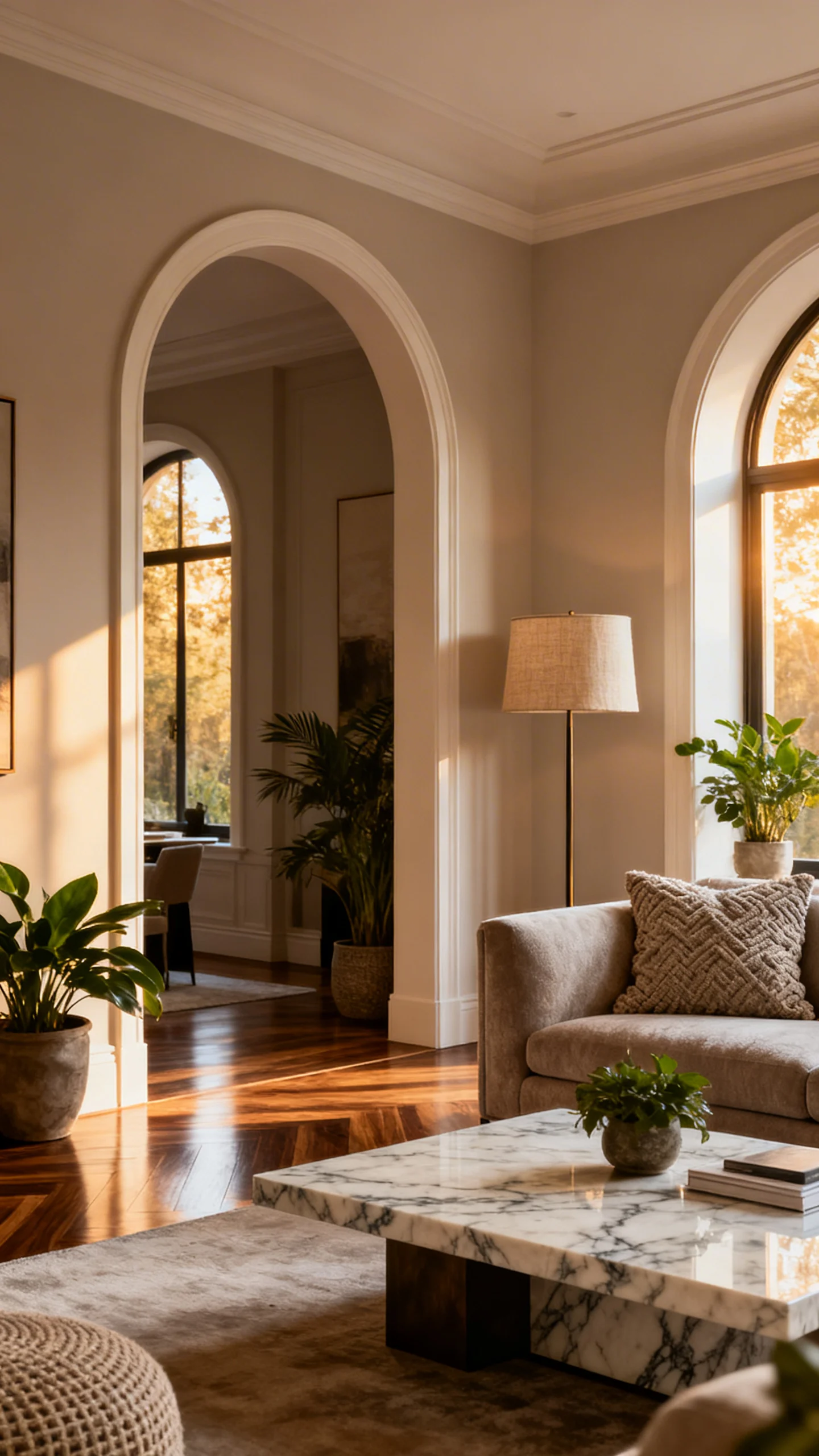
Arches bring instant character, even in newer builds. Imagine a living room with a graceful arched opening that frames a seating area like a portrait—plaster-smooth edges, subtle shadow lines, and a sense of gentle movement through the space.
Pair with curved furniture, a rounded coffee table, and warm neutrals for a Mediterranean-modern mood that feels romantic but still current—an architectural detail buyers remember.
Idea 7: Layered Lighting Architecture (Coves, Recessed, and Glow)
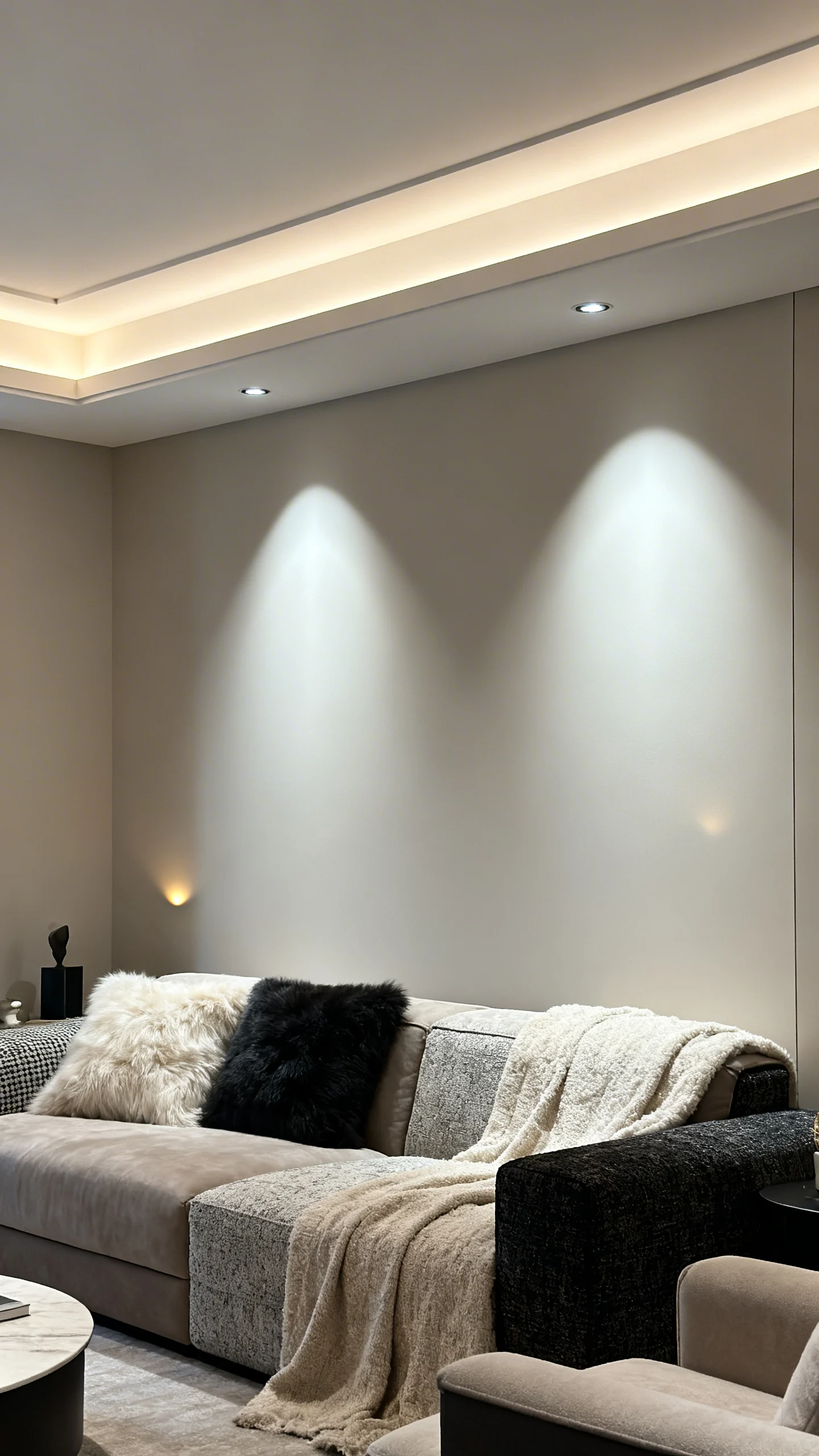
When the living room lighting is built into the architecture, the entire home feels more expensive. Picture a soft cove glow around the ceiling perimeter, minimal recessed downlights for function, and one sculptural fixture as the centerpiece.
The result is flattering, hotel-level ambiance that makes finishes look richer at night. It’s the kind of “invisible luxury” people feel immediately, even if they can’t name it.
Idea 8: Indoor-Outdoor Living Room Connection with Wide Openings
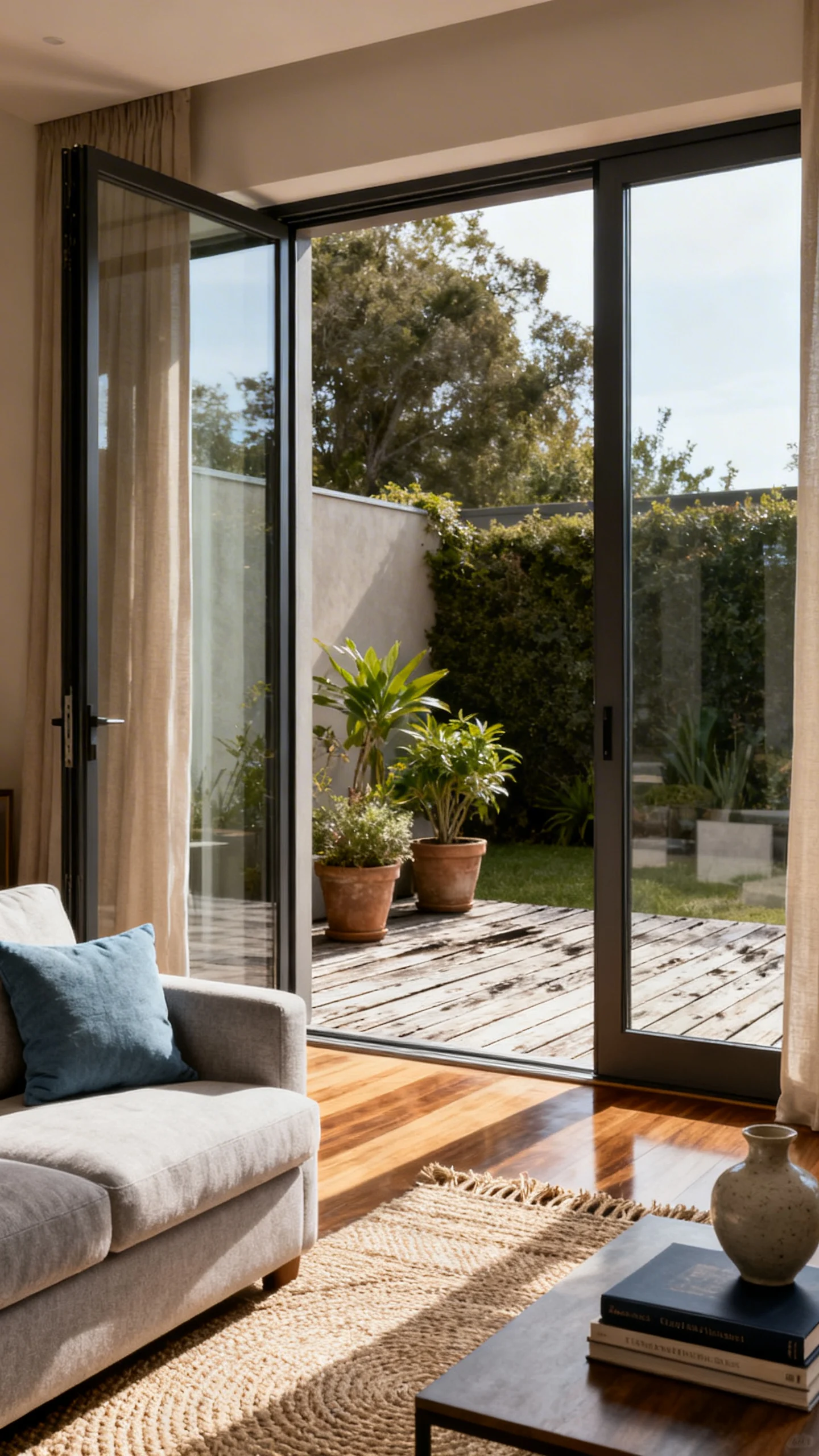
A living room that opens wide—through large sliders or folding glass—feels expansive and lifestyle-forward. The architecture creates a seamless edge where the living room reads as bigger, brighter, and made for gathering.
Style the interior with relaxed, durable textures: linen-like upholstery, natural fiber rugs, and light wood tones. The overall mood is airy and high-value, like a modern resort at home.
Idea 9: A Conversation-First Layout with Symmetry and Sightlines
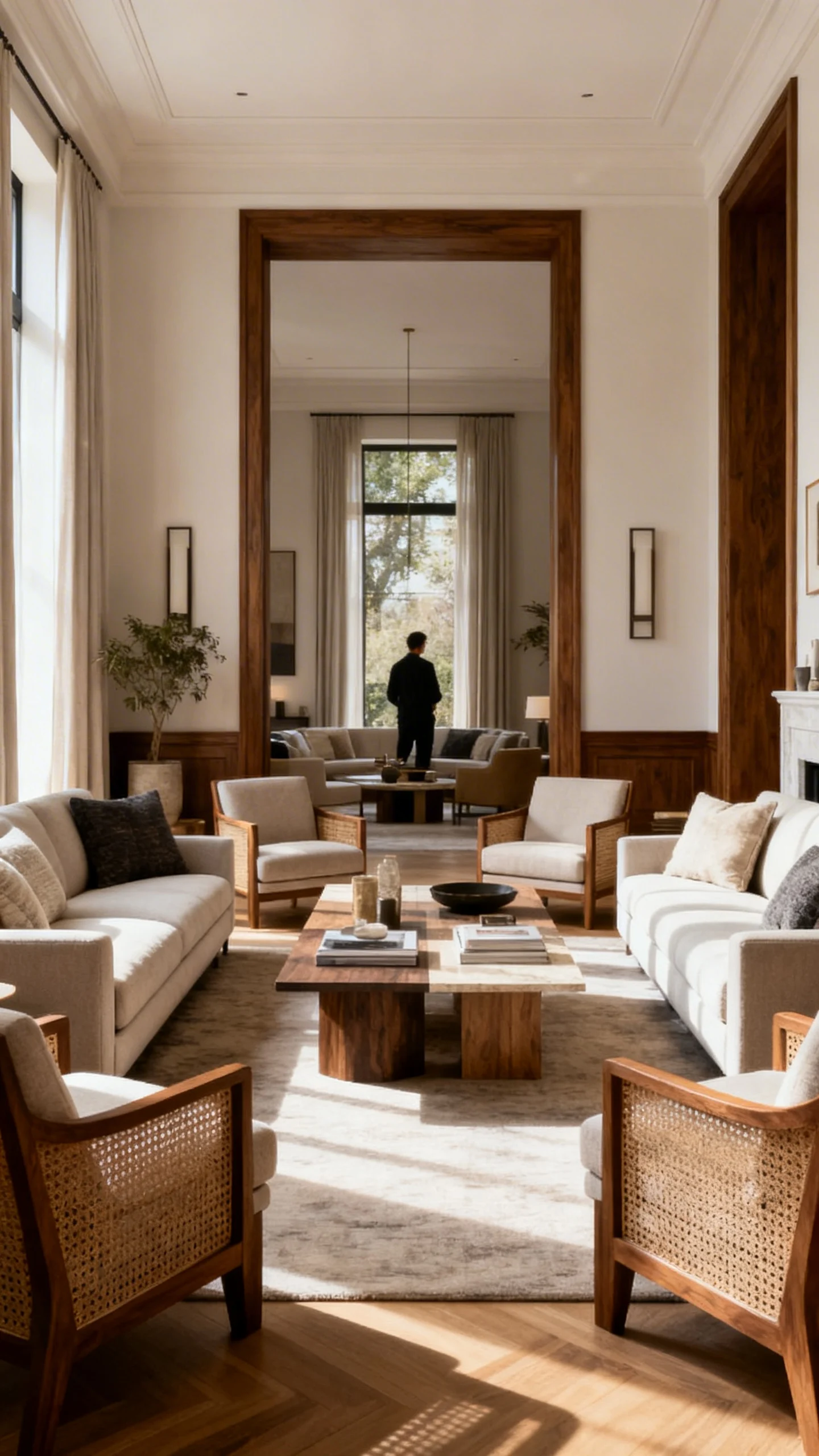
Some living rooms feel expensive because they feel easy. Imagine a symmetrical furniture arrangement that aligns with architectural focal points—fireplace, windows, or built-ins—creating clear sightlines and a natural center.
The vibe is balanced and intentional: matching lounge chairs, a generous rug that “grounds” the seating, and negative space that lets the architecture breathe. It photographs beautifully and feels instantly livable.
Idea 10: Material Contrast Done Like a Designer (Plaster, Wood, Metal)
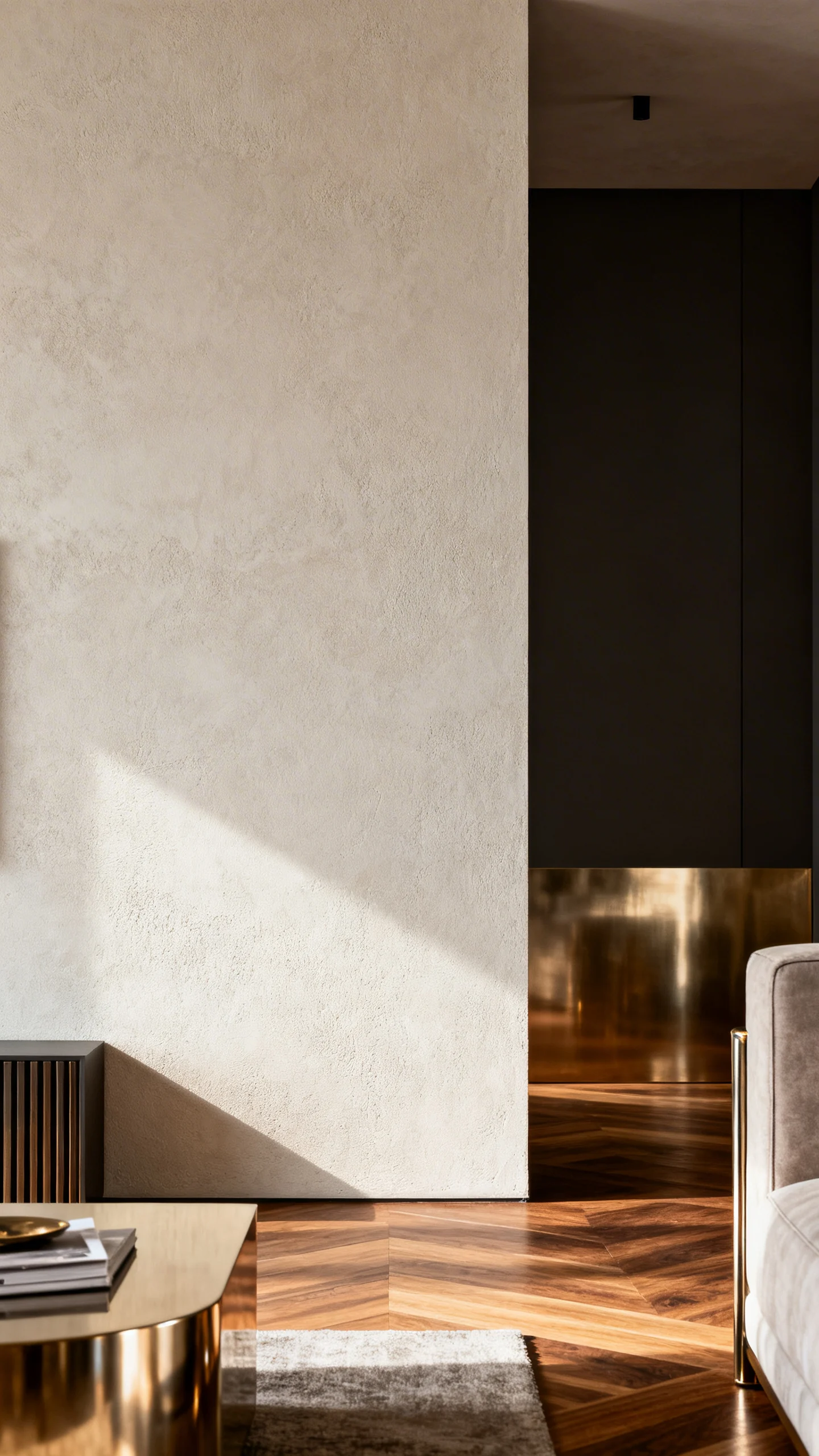
Value often shows up in materials you can see and feel. Picture a living room with a soft plaster accent wall, warm wood detailing, and a restrained touch of metal—like bronze shelving supports or a blackened steel fireplace surround.
The mood is modern, tactile, and curated. With a neutral palette and a few standout pieces—large-scale art, a sculptural sofa, a stone coffee table—the architecture reads layered and custom.
FAQ
Which living room architecture feature feels most “high value” at first glance?
Big volume and big light tend to read instantly: double-height ceilings, oversized windows, and a strong focal wall (like a fireplace or built-ins) create that immediate high-end impression.
Do built-ins increase perceived value even in a smaller living room?
Yes—when they look intentional and furniture-like. A well-designed built-in wall can make a smaller living room feel larger by adding storage, reducing visual clutter, and creating a clean focal point.
Is a fireplace still considered a value-adding feature in living rooms?
In many markets, a fireplace remains a strong selling feature because it creates a natural gathering point. The most value-forward versions feel architectural—stone, plaster, or a refined surround that matches the home’s style.
What architectural details make a modern living room feel warmer and more timeless?
Natural materials and depth do the heavy lifting: wood beams, textured plaster, layered lighting, and warm-toned metals. These elements soften minimal spaces without making them feel busy.
How can you make a living room feel more premium without changing the whole layout?
Focus on architectural moments that read as custom: a built-in feature wall, upgraded lighting layers, refined trim or ceiling detail, and material contrast (stone/wood/metal) that feels cohesive and intentional.