
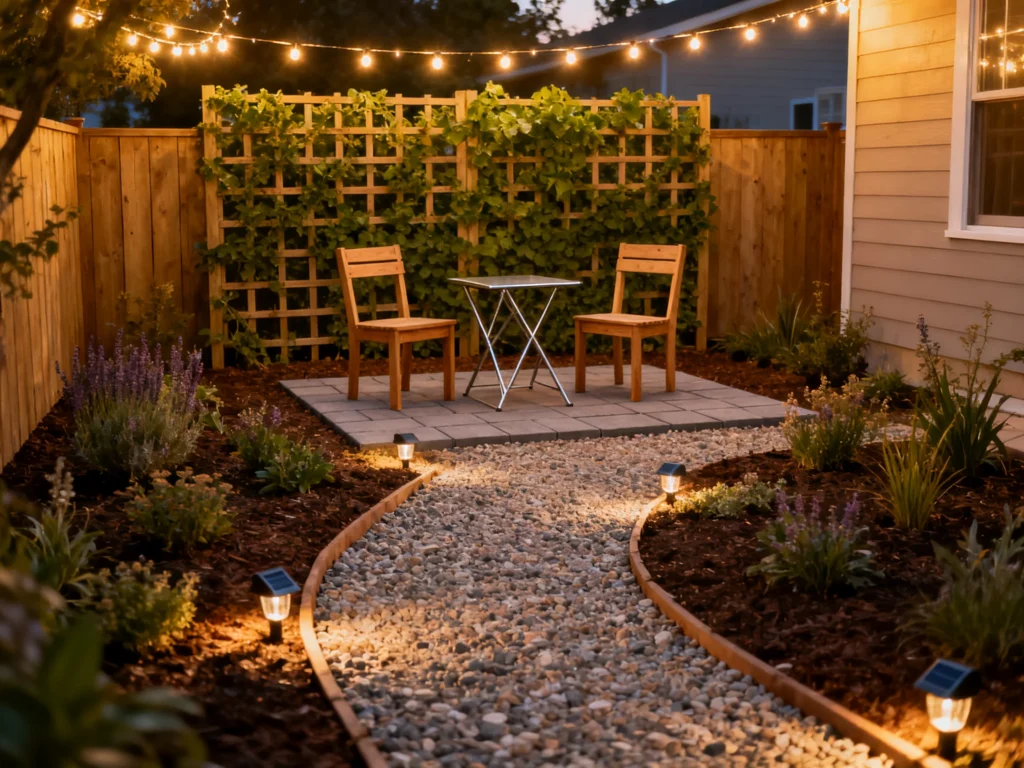
Budget Backyard Landscaping Ideas for Cozy Outdoor Spaces
A cozy backyard doesn’t require a full renovation—just a few smart landscaping moves that make the space feel intentional, comfortable, and easy to use. The secret is focusing on zones, surfaces, and plants that look lush without demanding a big budget.
These budget-friendly backyard landscaping ideas are designed for real life: simple materials, beginner-friendly projects, and cozy results you can enjoy all season.
1) Define a “Cozy Zone” With Simple Edging
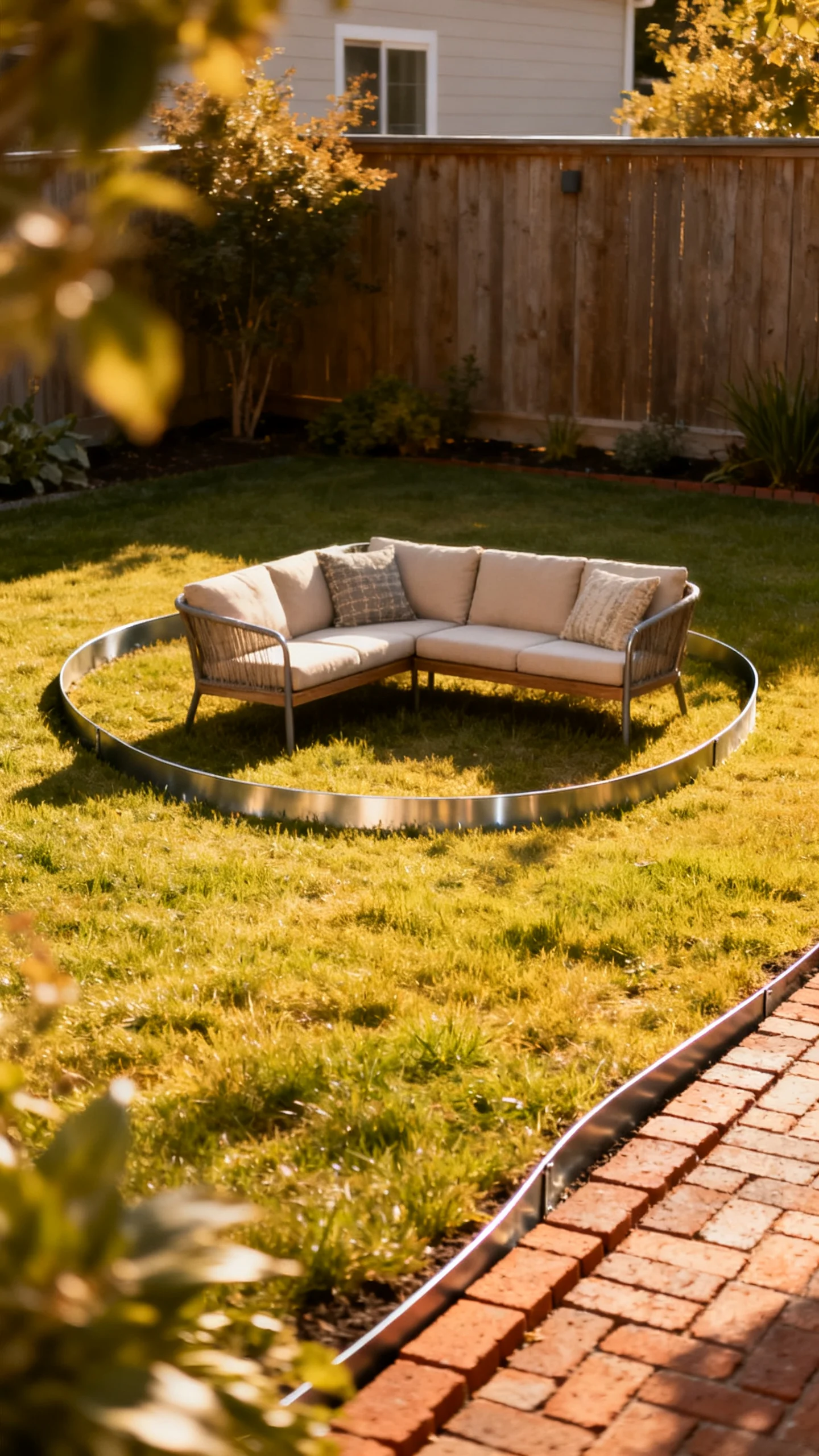
Start by outlining one small area you’ll actually use—think a 8′ x 10′ nook for two chairs, or a 10′ x 12′ space for a compact seating set. Use budget edging to make it feel like a destination: steel landscape edging, brick on edge, or even pressure-treated 2x4s staked in place. Keep curves gentle (harder curves cost more time and cuts). A defined border also helps mulch, gravel, or groundcover stay put—less mess, more polish.
2) Refresh the Ground Plane With Mulch or Gravel
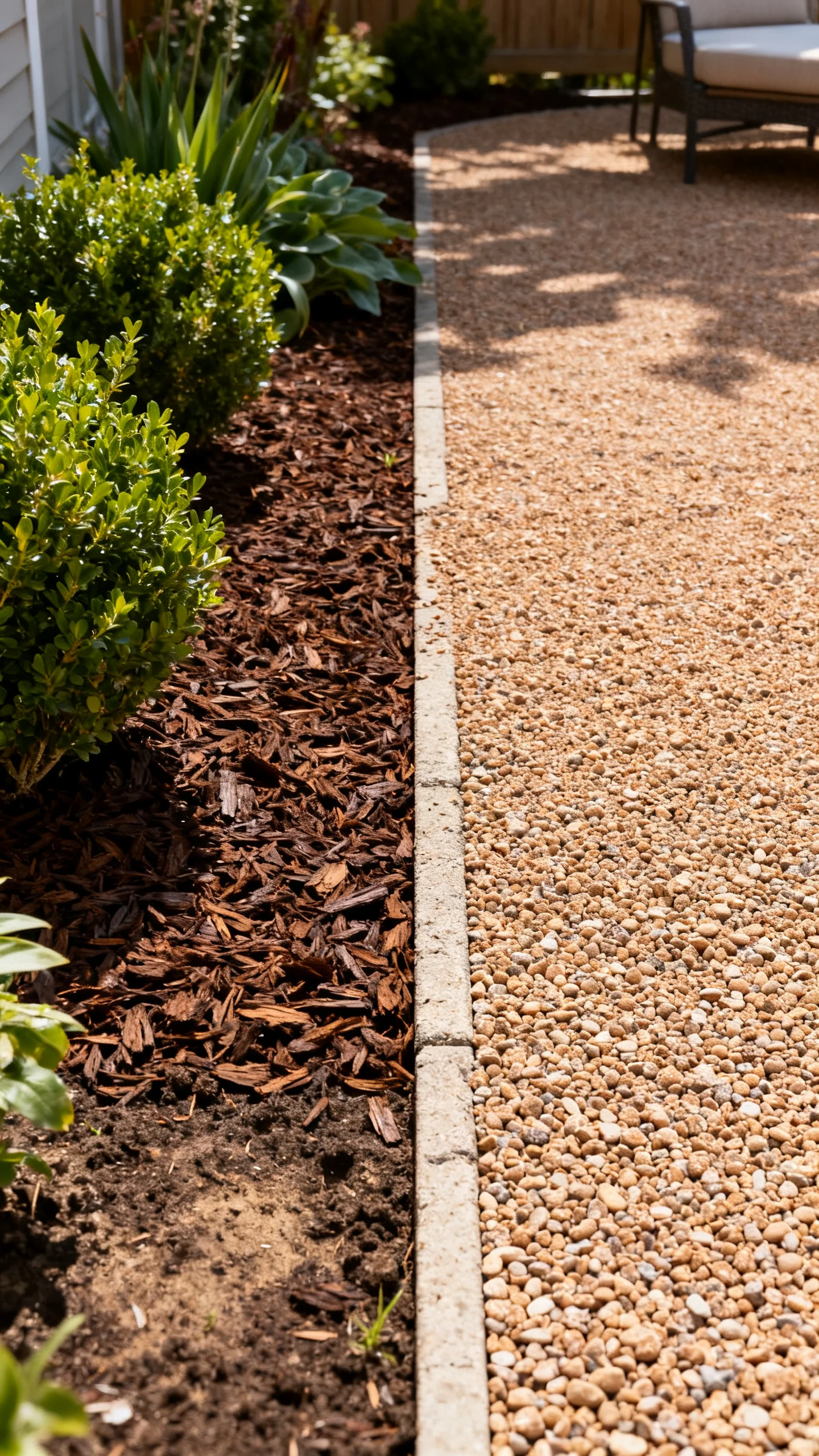
Cozy outdoor spaces need a clean, comfortable base. For planting beds, add 2–3 inches of mulch; it instantly looks finished, holds moisture, and suppresses weeds. For lounge zones or side yards, pea gravel or decomposed granite can be a budget patio alternative. Plan on 2–3 inches deep over landscape fabric, and include a solid edging so gravel doesn’t migrate. Gravel drains well, but it can shift under lightweight furniture—choose wider-leg chairs or add pavers under legs.
3) Create an Easy Path With Stepping Stones
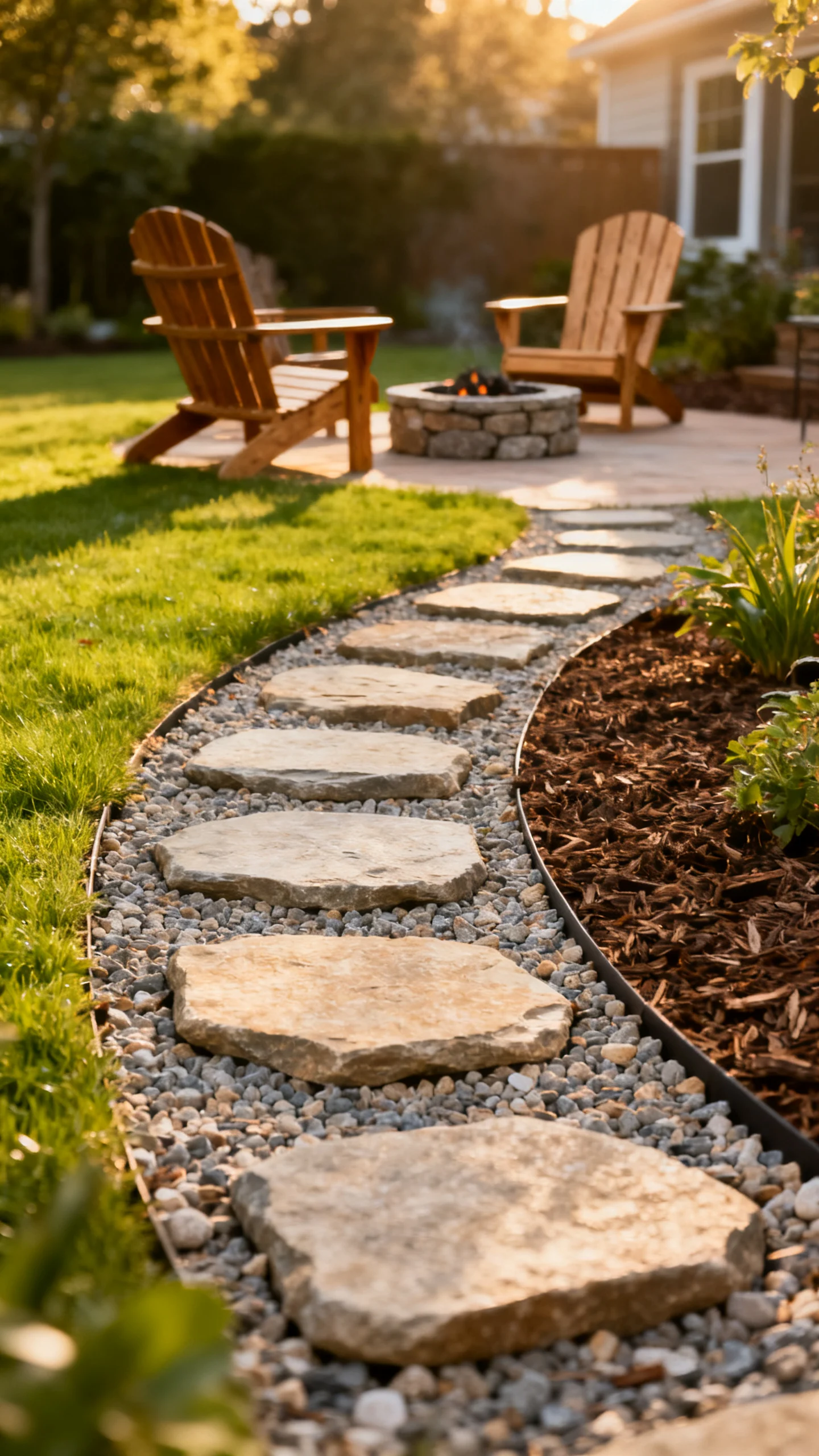
A simple stepping-stone path makes a backyard feel designed—and keeps feet out of muddy grass. For comfortable walking, place stones about 18–24 inches apart, center to center (adjust to your natural stride). Use inexpensive concrete pavers, cut stone offcuts, or large flat stones set into compacted sand. For extra charm, fill gaps with mulch or creeping groundcover like thyme (sun) or sweet woodruff (shade), depending on your climate.
4) Build a Small Patio Pad With Concrete Pavers
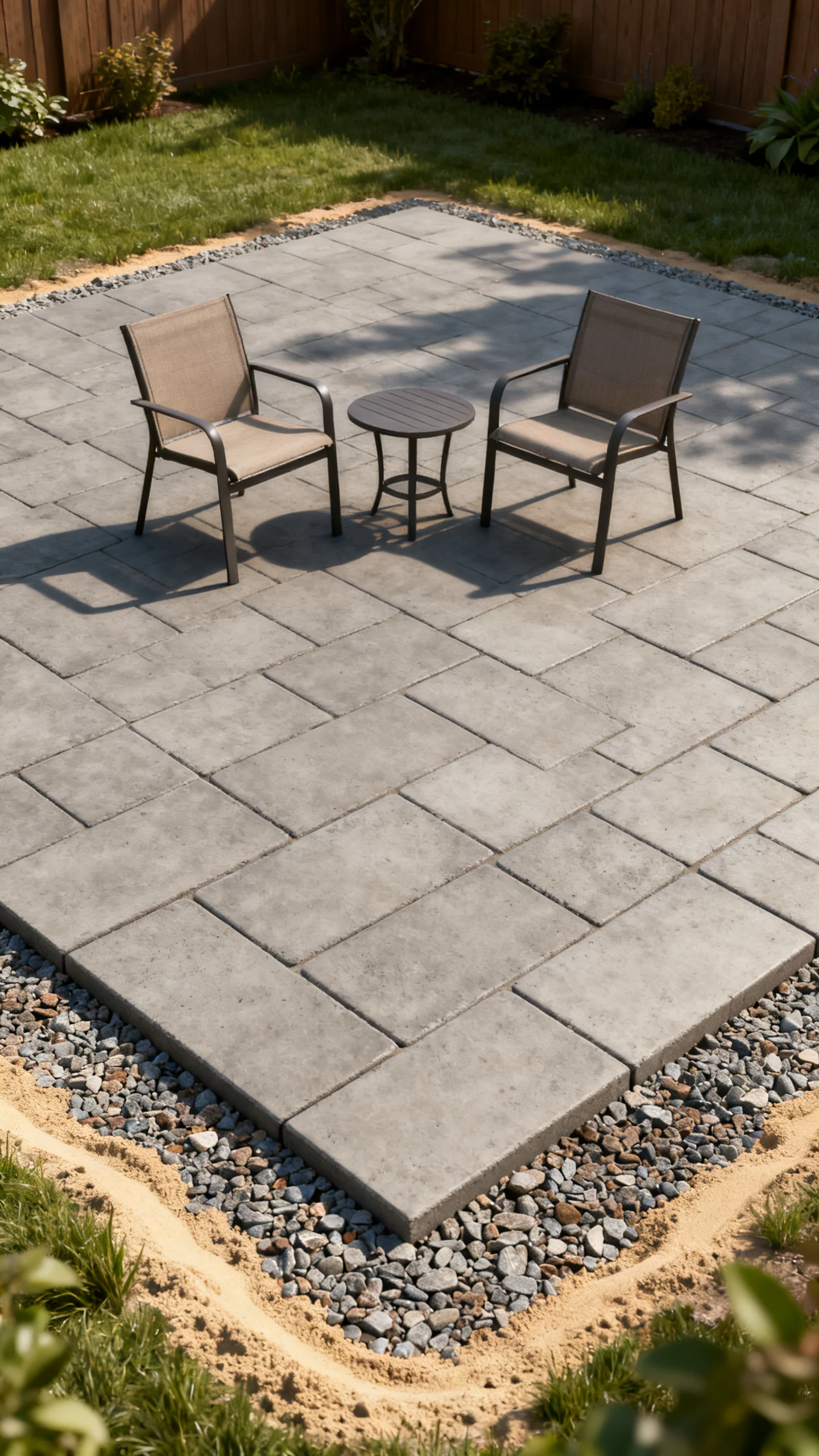
If you want instant coziness, add a tiny “patio pad” instead of a full patio. A 7′ x 7′ or 8′ x 10′ paver area is enough for two chairs and a small table. Budget-friendly method: excavate 4–6 inches, add 3–4 inches of compacted gravel, then 1 inch of leveling sand before placing pavers. Leave a 36-inch clearance path to move around comfortably. Pavers are DIY-friendly and repairable—if one sinks, you can re-level just that section.
5) Use Raised Beds or Simple Planters for Lushness on a Budget
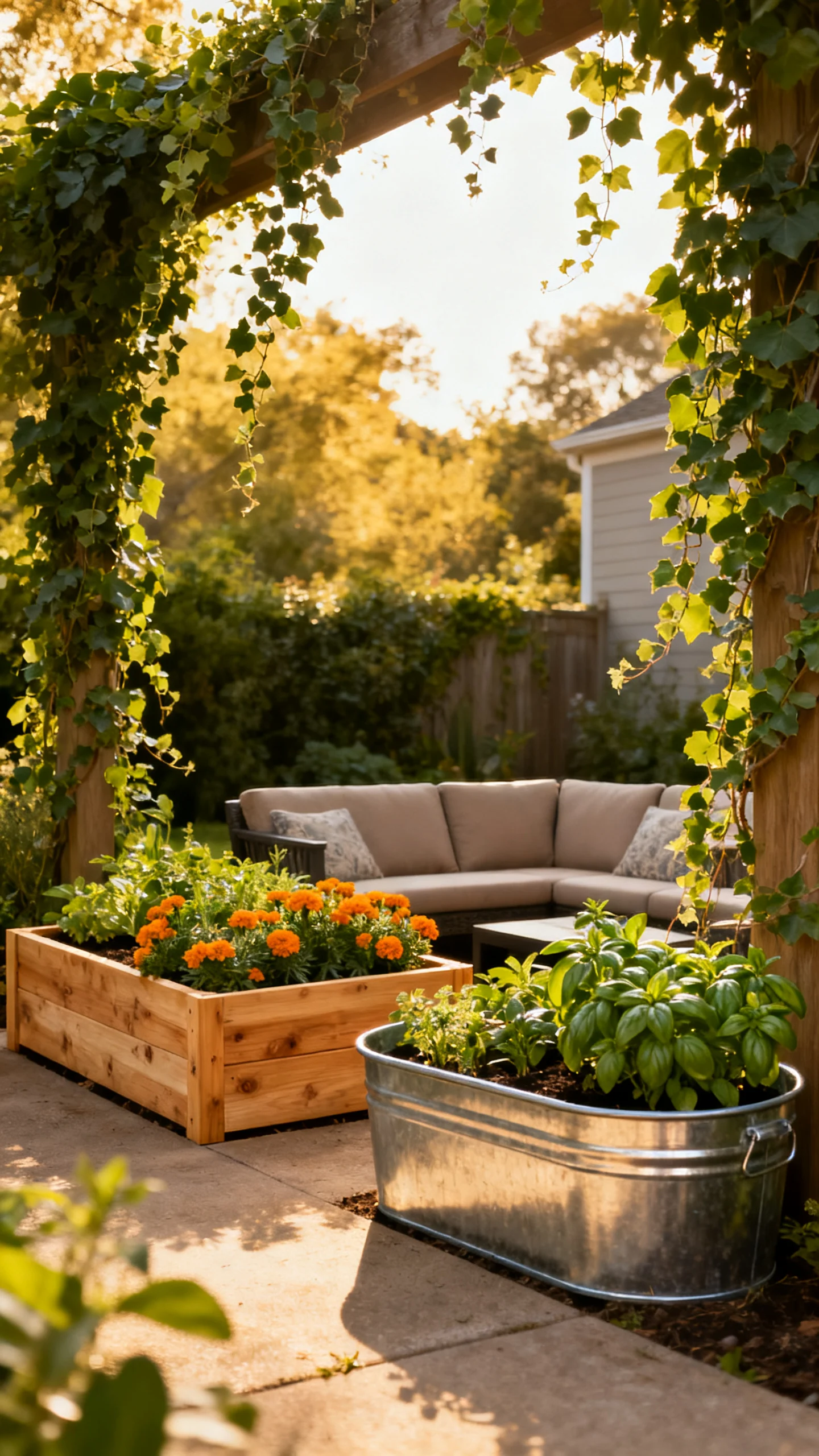
Raised beds and large planters make a backyard feel abundant, fast. Keep it simple with 2′ x 4′ or 4′ x 4′ beds made from affordable lumber or stock tank planters (often available secondhand). For seating areas, place planters at the perimeter to create a soft “room” edge. Pro tip: bigger containers stay evenly moist longer than tiny pots, which helps plants look fuller with less effort. Aim for a mix: one tall element (ornamental grass or small shrub), one spiller (trailing petunias or creeping Jenny), and one filler (coleus or salvia).
6) Layer Lighting Along Paths and Gathering Spots
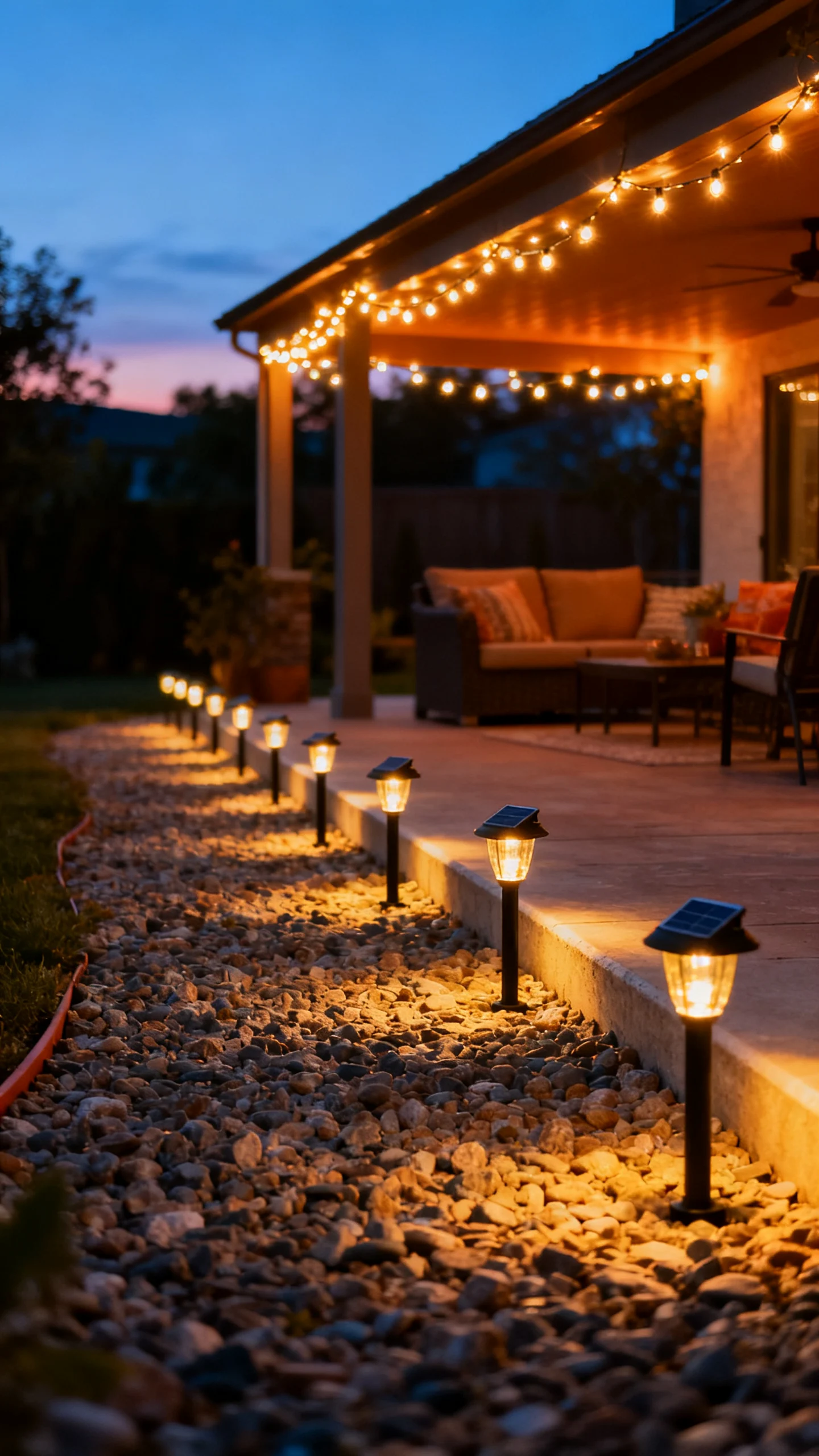
Lighting is landscaping’s best cozy trick—especially on a budget. Use solar path lights to outline edges and steps, spacing them 4–6 feet apart for a gentle rhythm. Add warm string lights over the seating zone (look for outdoor-rated and use a guide wire if you’re spanning distance). If you’re using stakes or poles, set them firmly and keep lines high enough for head clearance—at least 7 feet over walking areas. Warm white bulbs read more inviting than bright cool tones.
7) Add Privacy With Fast, Affordable Green Screens
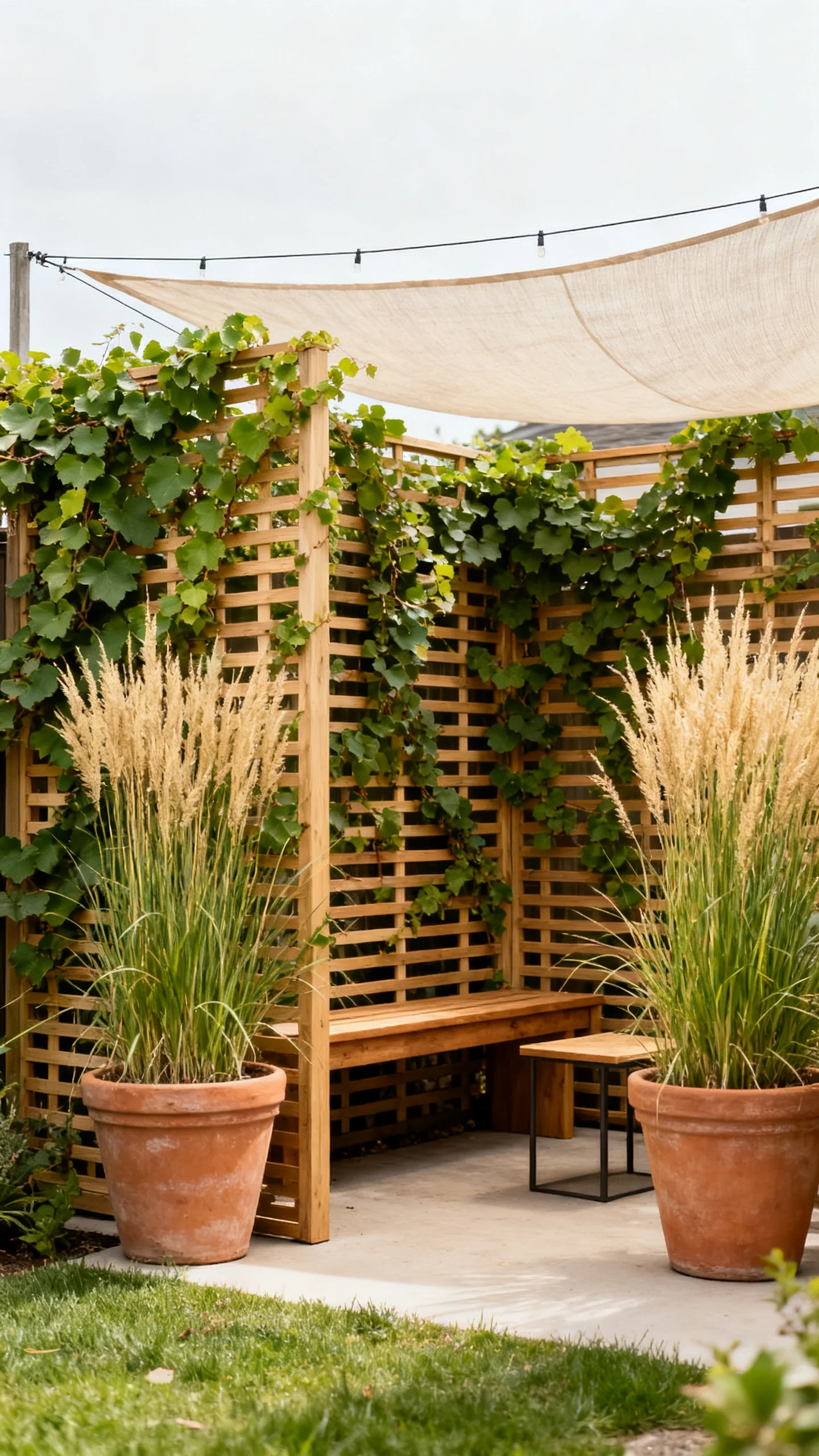
Cozy often means sheltered. Create privacy without fencing the whole yard by screening just the seating area. Budget options include trellis panels with climbing vines, tall grasses in large pots, or a simple line of shrubs. For vines, choose varieties suited to your region and support them from day one—flimsy lattice can fail once growth gets heavy. Place screens where you need them most: behind chairs or along the sightline to neighbors, keeping at least 24–36 inches between plantings and fences for airflow and maintenance access.
8) Repurpose Materials for Borders, Retainers, and Charm
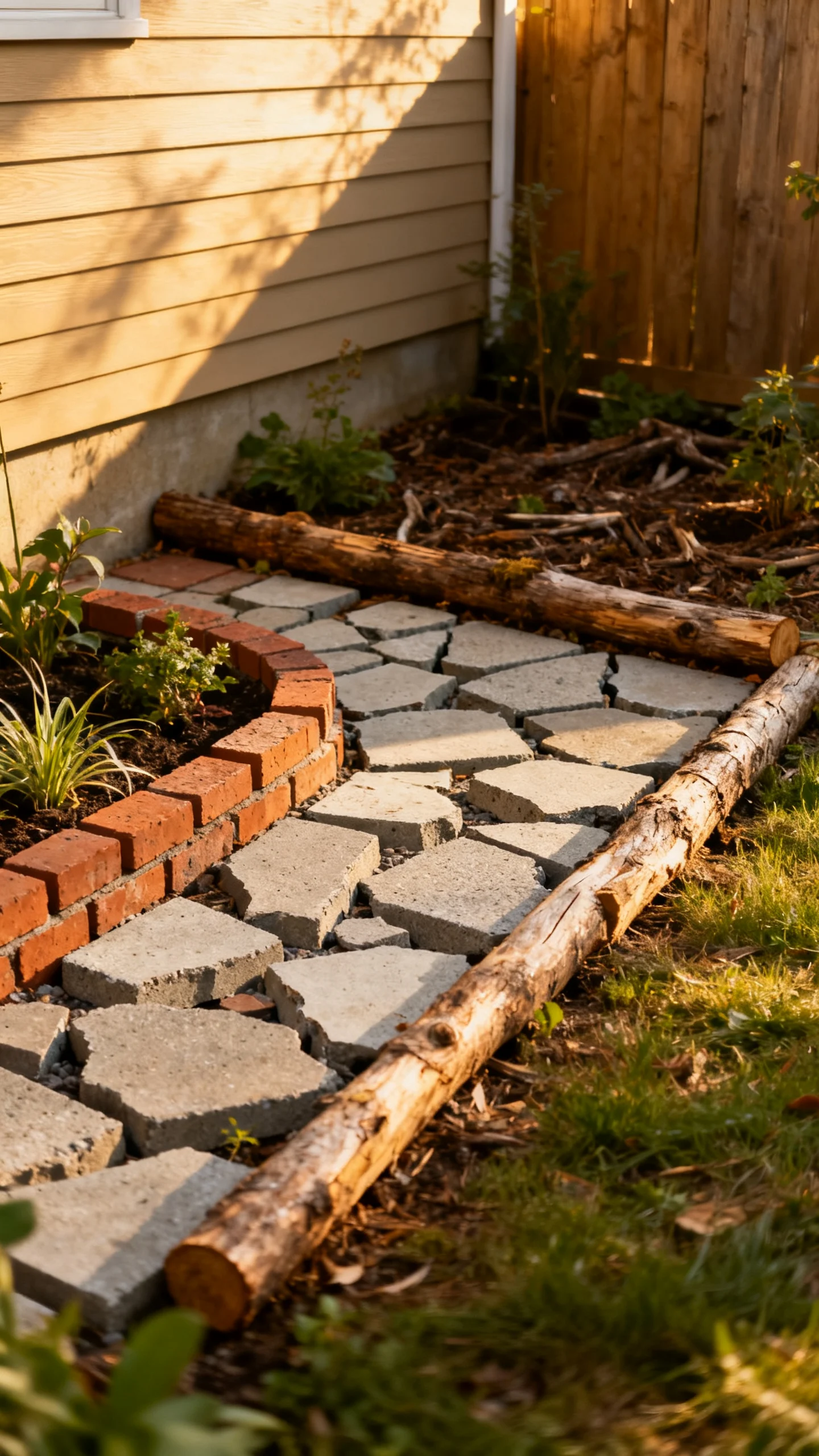
Salvaged materials can add character while saving money. Leftover bricks become edging; broken concrete (“urbanite”) becomes a rustic path or mini patio; untreated logs can edge a woodland bed (shorter lifespan, but very budget-friendly). When repurposing, keep safety in mind: avoid sharp edges in walking areas, and make sure stepping surfaces are stable and level. A consistent layout—same spacing, same direction—makes even mismatched materials look intentional.
9) Plant in Drifts for a Fuller Look With Fewer Varieties
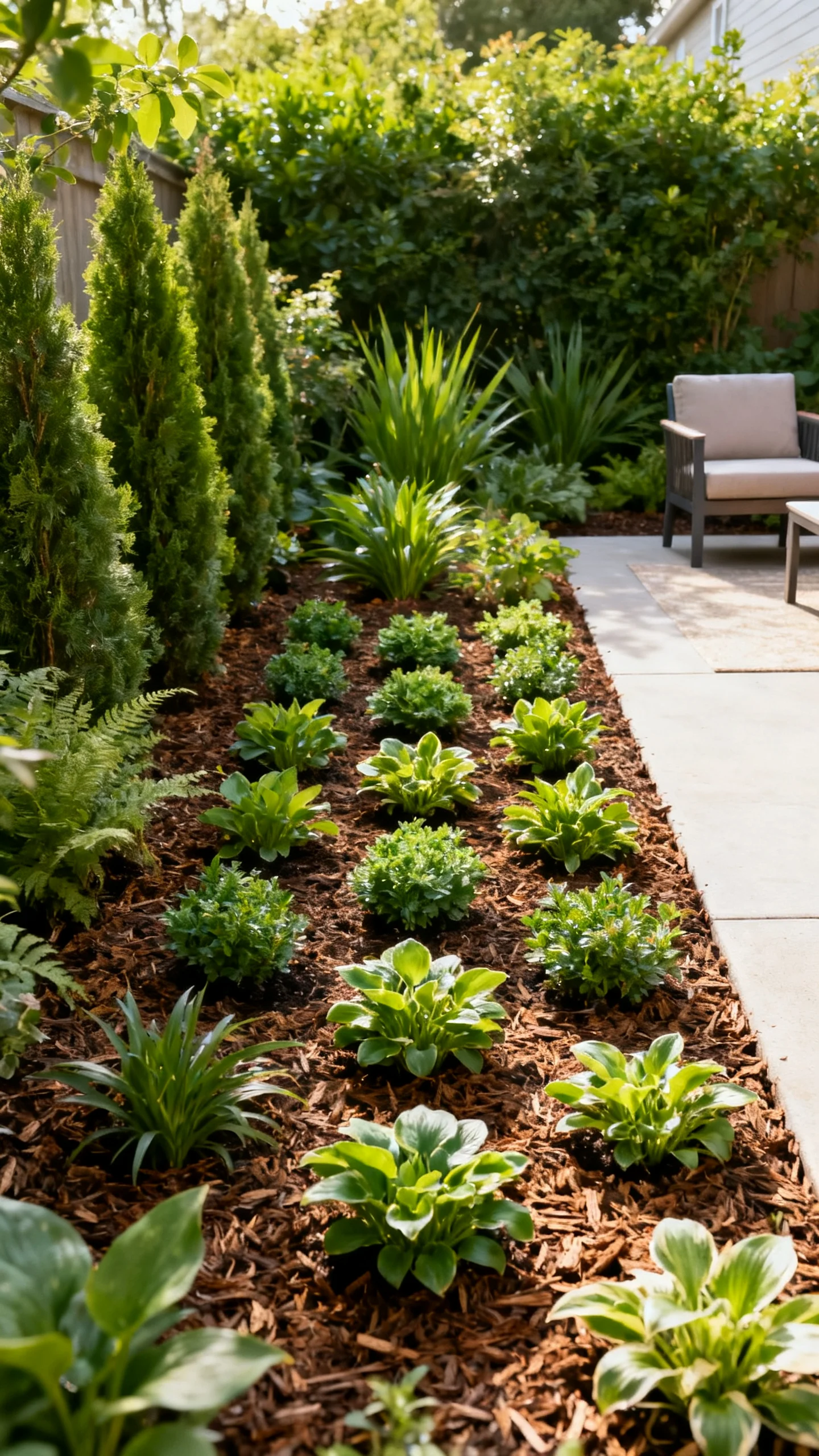
Instead of buying lots of different plants, repeat a few reliable performers in groups of 3, 5, or 7 for a designer look. This “drift” planting reads lush and cohesive, even on a budget. Place taller plants at the back (or center in island beds), medium in the middle, and low growers at the edge. Check mature widths so you’re not forced to overbuy: if a shrub matures at 3 feet wide, spacing them 30–36 inches apart will fill in nicely without crowding.
10) Keep It Cozy With Low-Maintenance Finishing Touches
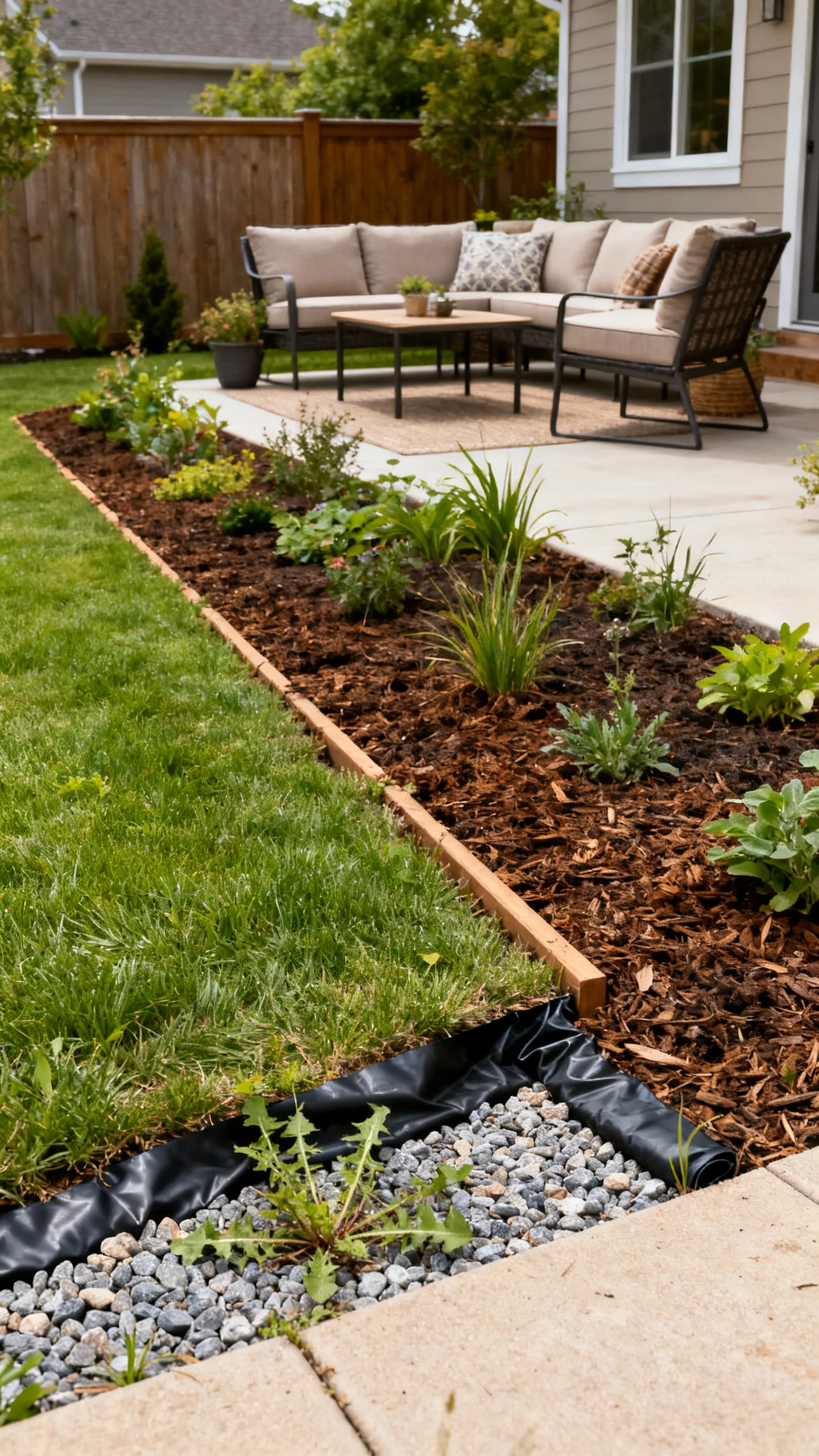
Landscaping feels cozy when it stays tidy. Install a simple weed barrier where appropriate (under gravel, not necessarily under mulch in planting beds), and add a narrow maintenance strip—like a 12–18 inch mulch edge—between lawn and beds to reduce trimming time. For comfort, leave practical clearances: 36 inches for main walkways, and at least 24 inches behind chairs so people can pass. A clean border, a soft ground cover, and a well-placed sitting spot are often all it takes.
FAQ
What’s the cheapest way to make a backyard feel cozy fast?
Define one small seating zone and refresh the ground around it with mulch or gravel. Add warm string lights or solar lights to make it feel inviting at night—lighting delivers a big “cozy” return for a relatively small spend.
Is mulch or gravel better for budget backyard landscaping?
Mulch is great for planting beds because it improves moisture retention and gives an instant finished look. Gravel works well for paths and small patio-style areas because it drains and stays put (with edging). Many cozy backyards use both: mulch for softness around plants, gravel for clean walking and seating surfaces.
How deep should mulch or gravel be?
For mulch, aim for about 2–3 inches (too thick can smother plants). For gravel surfaces, 2–3 inches is typical over a stable base, with edging to prevent spread. High-traffic areas benefit from a compacted base layer beneath.
What’s a good beginner plant strategy that still looks designed?
Pick a small palette of hardy plants suited to your sun/shade and repeat them in groups (drifts). Repetition looks intentional, fills space visually, and keeps costs down because you’re not experimenting with dozens of varieties.
How do I add privacy cheaply without building a full fence?
Screen only the area you use—usually behind the seating zone. Trellis panels with vines, tall grasses in big pots, or a short run of shrubs can block sightlines effectively for less money than fencing the entire perimeter.