
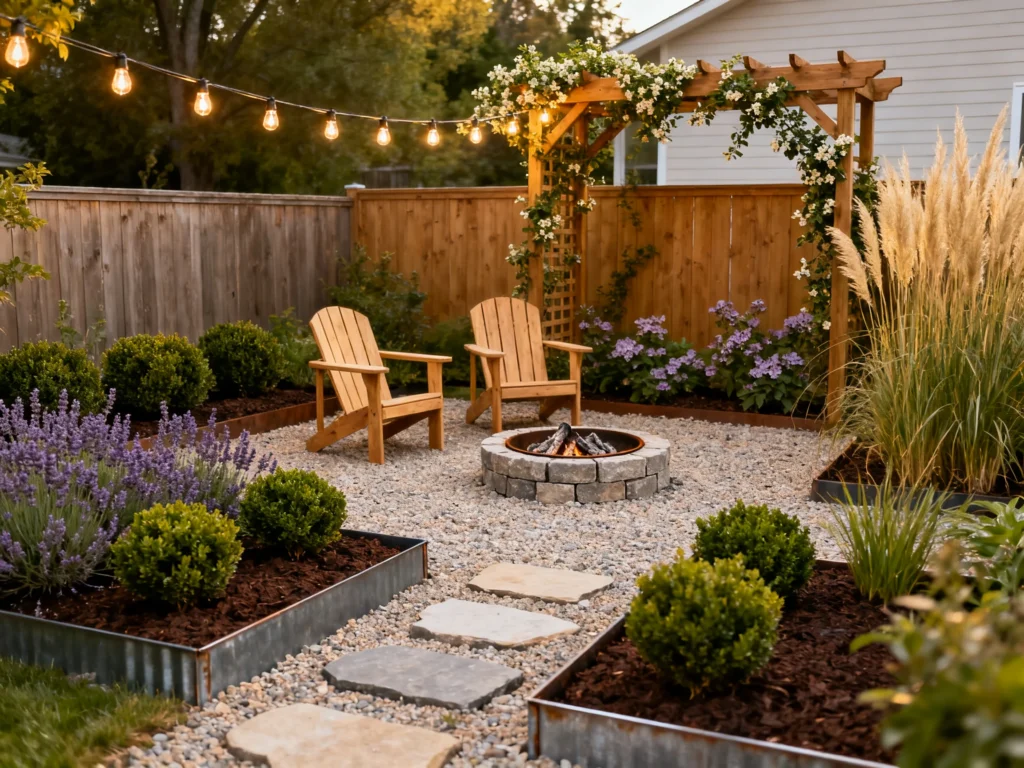
Backyard Landscaping on a Budget Using Simple Design Tricks
A beautiful backyard doesn’t require a massive budget—it requires a smart plan. With a few simple design tricks, you can make even a small, basic outdoor space feel intentional, polished, and inviting.
Below are ten practical, budget-friendly approaches that help you get the most visual impact for the least money, using easy layout moves, affordable materials, and a little DIY strategy.
1) Start With a Simple Scale Plan (So You Don’t Waste Money)
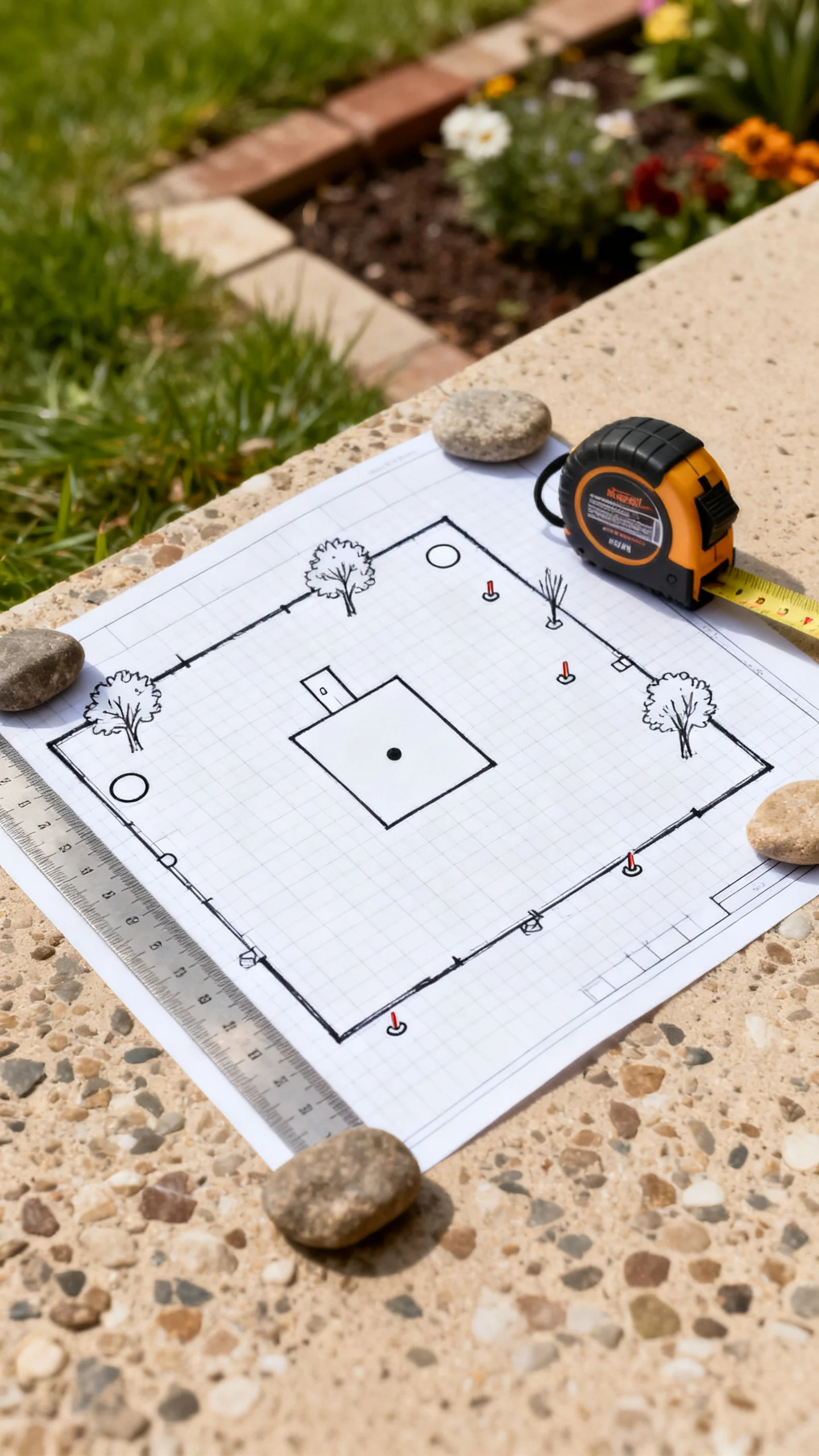
Before you buy anything, measure your yard and sketch a quick plan. Mark property lines, patios, doors, utilities, and existing trees. Use basic clearances to avoid mistakes: keep main walking paths 36–48 inches wide, allow 24–30 inches behind chairs for push-back space, and plan garden bed access paths at least 24 inches wide. Mapping first prevents common budget drains like buying too much paver, crowding plants, or placing features where they don’t function.
2) Define “Outdoor Rooms” Using Edging Instead of Expensive Hardscape
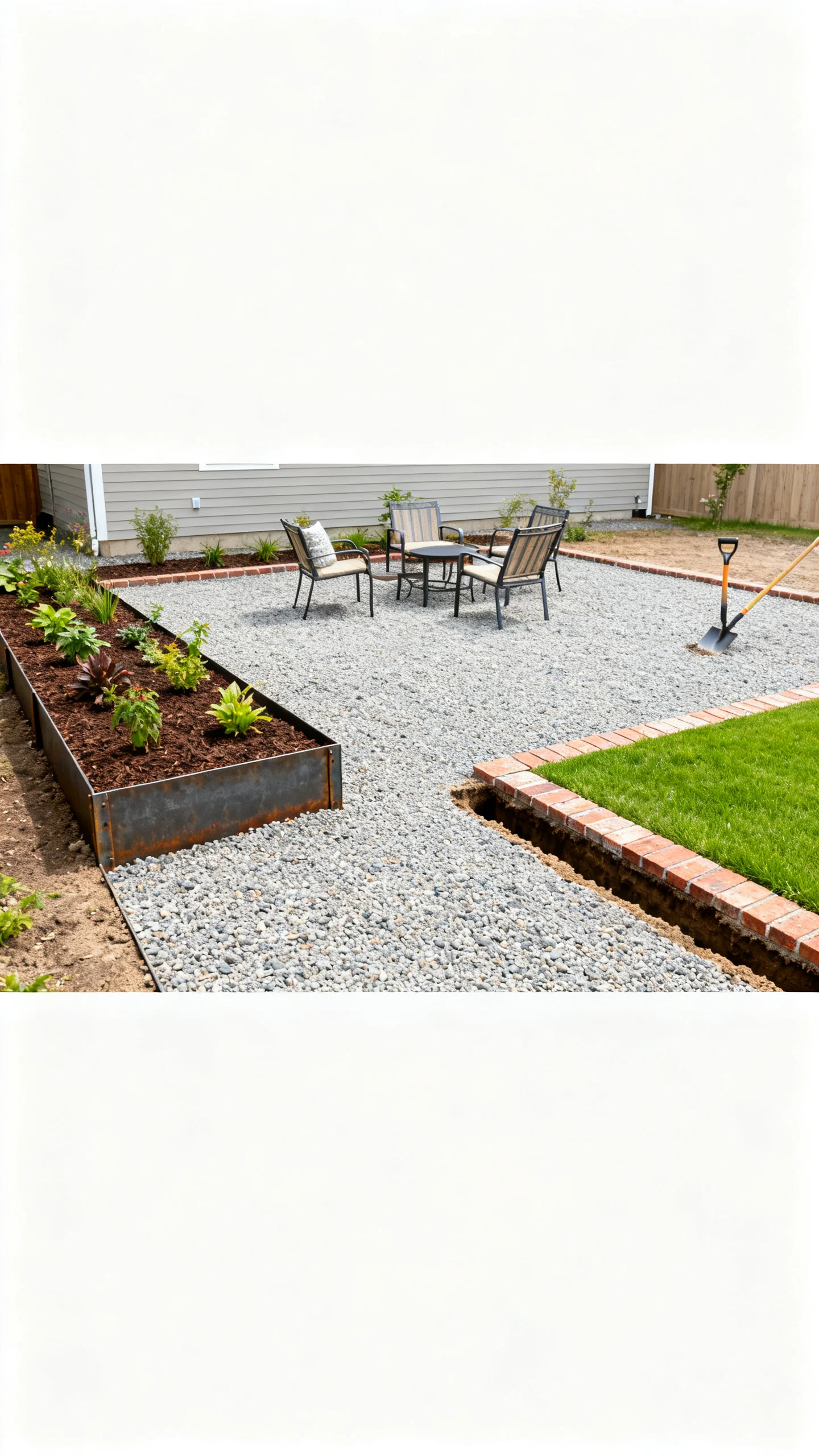
One of the cheapest ways to make a backyard look designed is to define zones: a seating area, a dining corner, a play patch, a garden strip. Use affordable edging (steel, composite, brick-on-edge, or even a shallow spade-cut edge) to outline beds and lawn shapes. A crisp border instantly reads “professional,” and it helps mulch and gravel stay put. If you’re choosing materials: steel edging is clean and modern (great for curves), brick is charming but labor-heavy, and spade edges are the lowest cost but need periodic re-cutting.
3) Use Gravel “Patios” With Stepping Stones for High Style, Low Cost
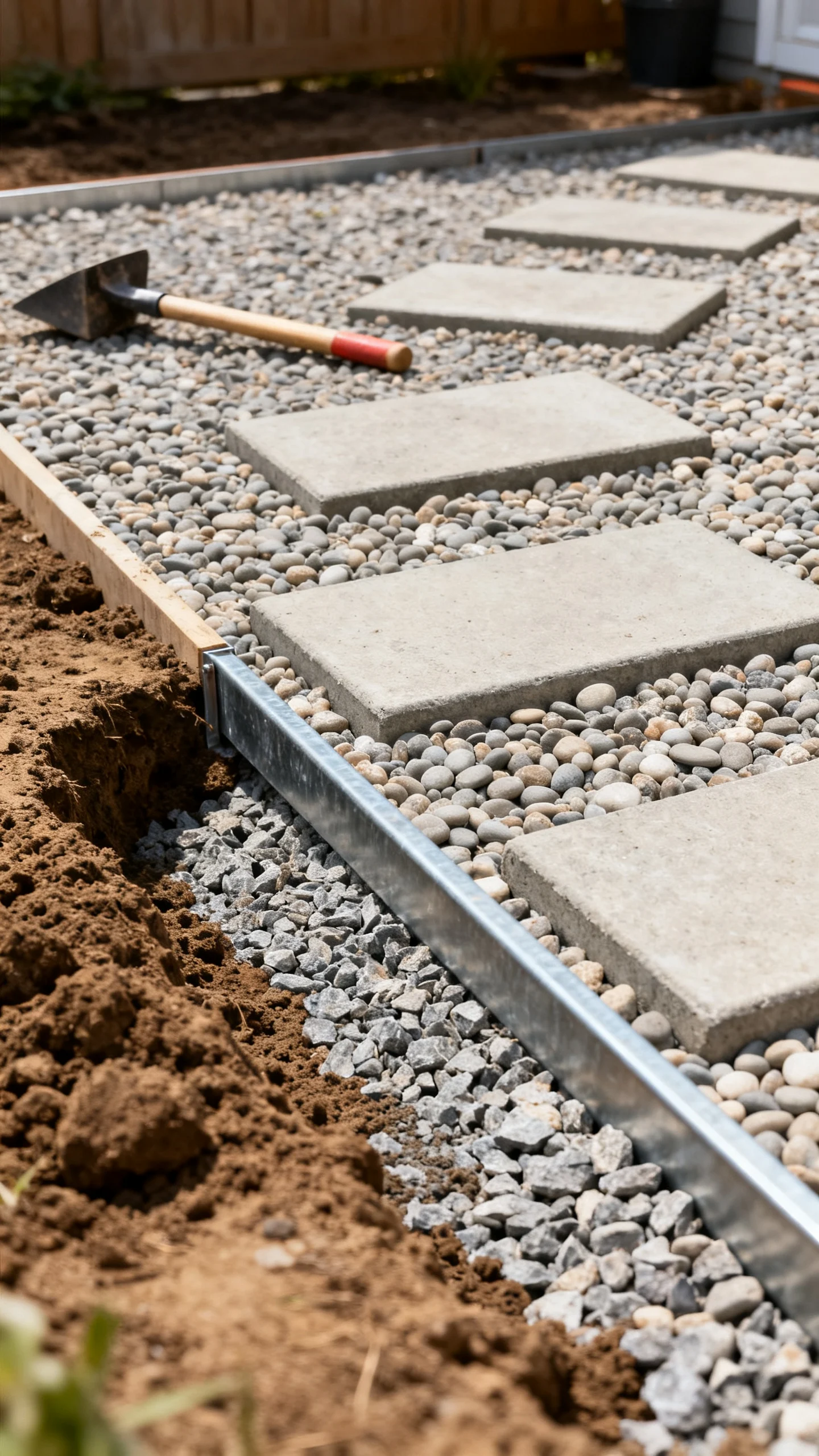
Instead of pouring concrete or installing full pavers, create a compact gravel patio. Excavate 3–5 inches, lay landscape fabric (optional but helpful for weeds), add 2–3 inches of compacted crushed stone base, then 1–2 inches of decomposed granite or pea gravel on top. Set large stepping stones or concrete squares as a stable walking surface. Keep gravel contained with edging. This trick gives you a defined outdoor living area at a fraction of the price, and it’s easy to expand later.
4) Repeat One Material in Multiple Places to Look “Custom”
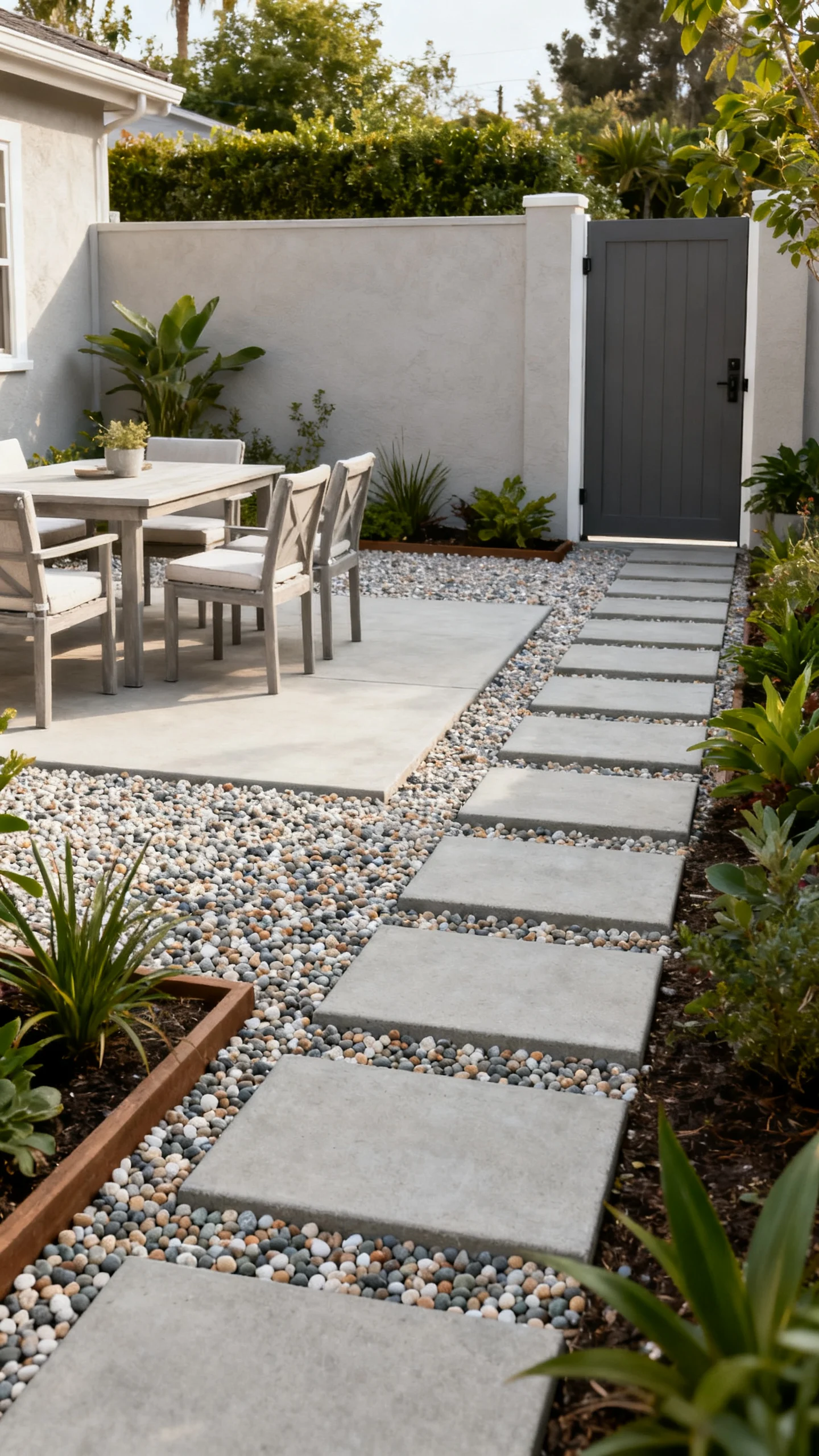
Repetition is a designer’s secret—and it’s budget-friendly. Pick one affordable material (pea gravel, crushed stone, simple concrete pavers, or the same mulch) and use it in at least two locations: a path plus a seating pad, or a planting bed plus a utility side yard. Visually, your backyard feels cohesive and intentional, even if each area is small. For a modern look, limit yourself to 2–3 finishes total (for example: gravel + mulch + one hard surface).
5) Build Curved Bed Lines to Make Small Yards Feel Larger
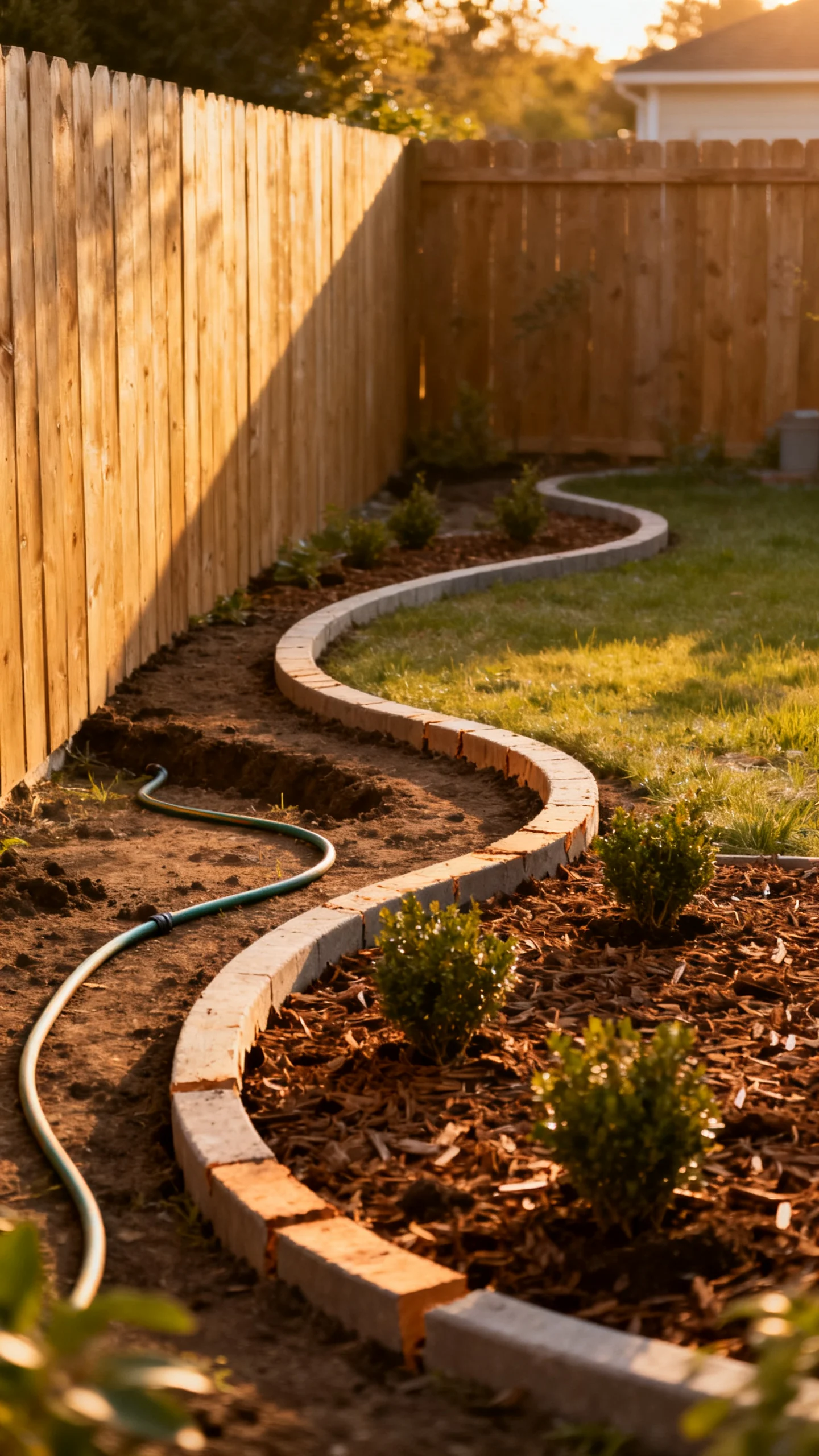
Straight lines are easy, but gentle curves can make a budget yard feel more expansive. A curved bed line draws the eye through the space and softens fence-heavy lots. Use a garden hose to “sketch” your curve, adjust until it looks natural, then cut the edge. Keep curves broad (avoid tight wiggles) so it reads calm and planned. If you’re mulching, aim for at least a 3-foot-deep bed where possible—skinny beds look accidental and are harder to maintain.
6) Choose “Mass Planting” Over Many Singles for Instant Impact
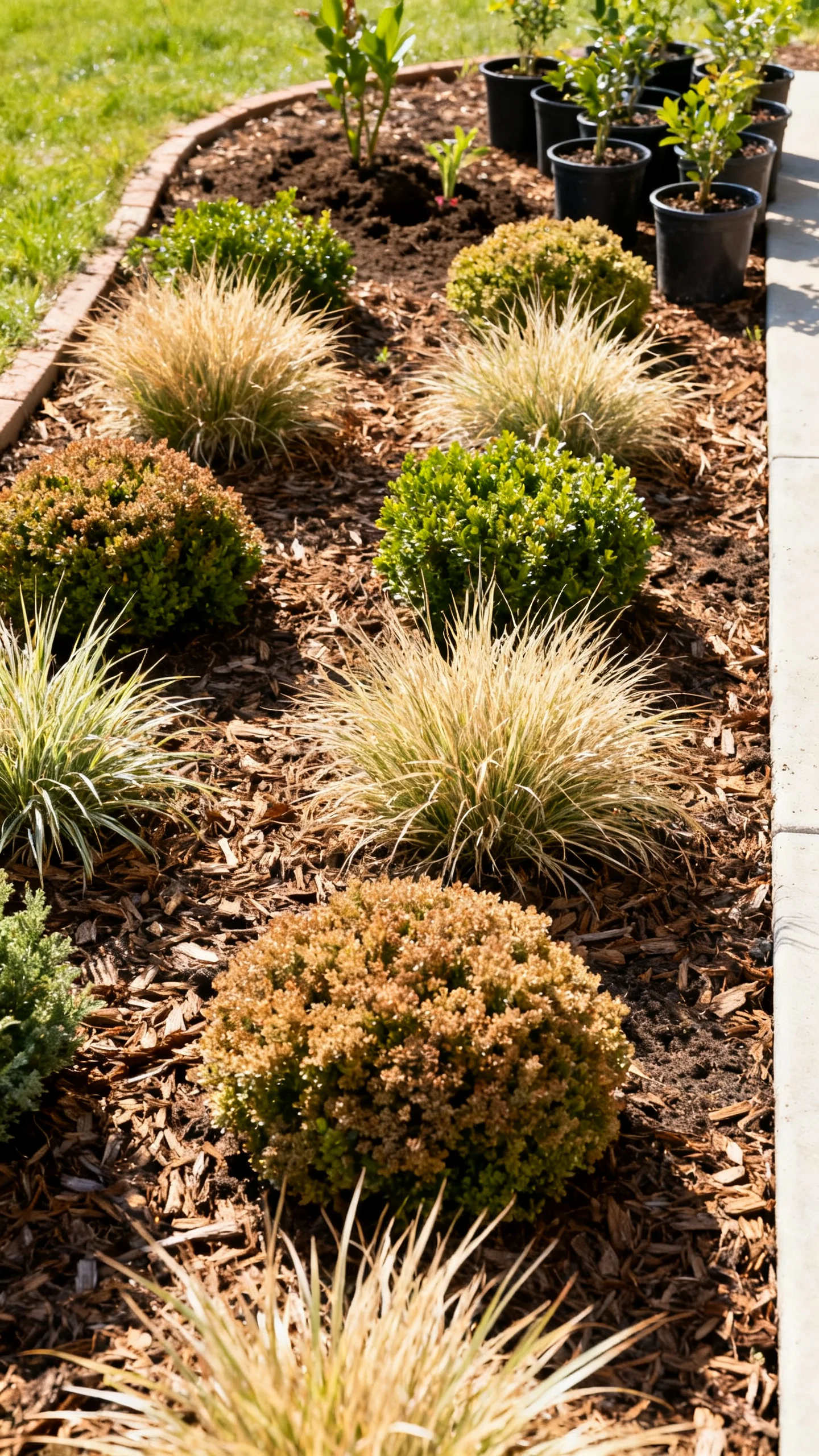
Instead of buying one of everything, buy multiples of fewer plants. Mass planting looks lush and expensive because it creates blocks of texture and color. A good rule: group in odd numbers (3, 5, 7) and repeat the same group in another spot to unify the yard. For spacing, check mature width on the plant tag and plant accordingly—crowding might look full today but costs more later in replacements and pruning. If your budget is tight, start with smaller sizes (4-inch pots) and give them good soil and mulch; they’ll catch up.
7) Refresh Soil and Mulch Strategically (Not Everywhere)
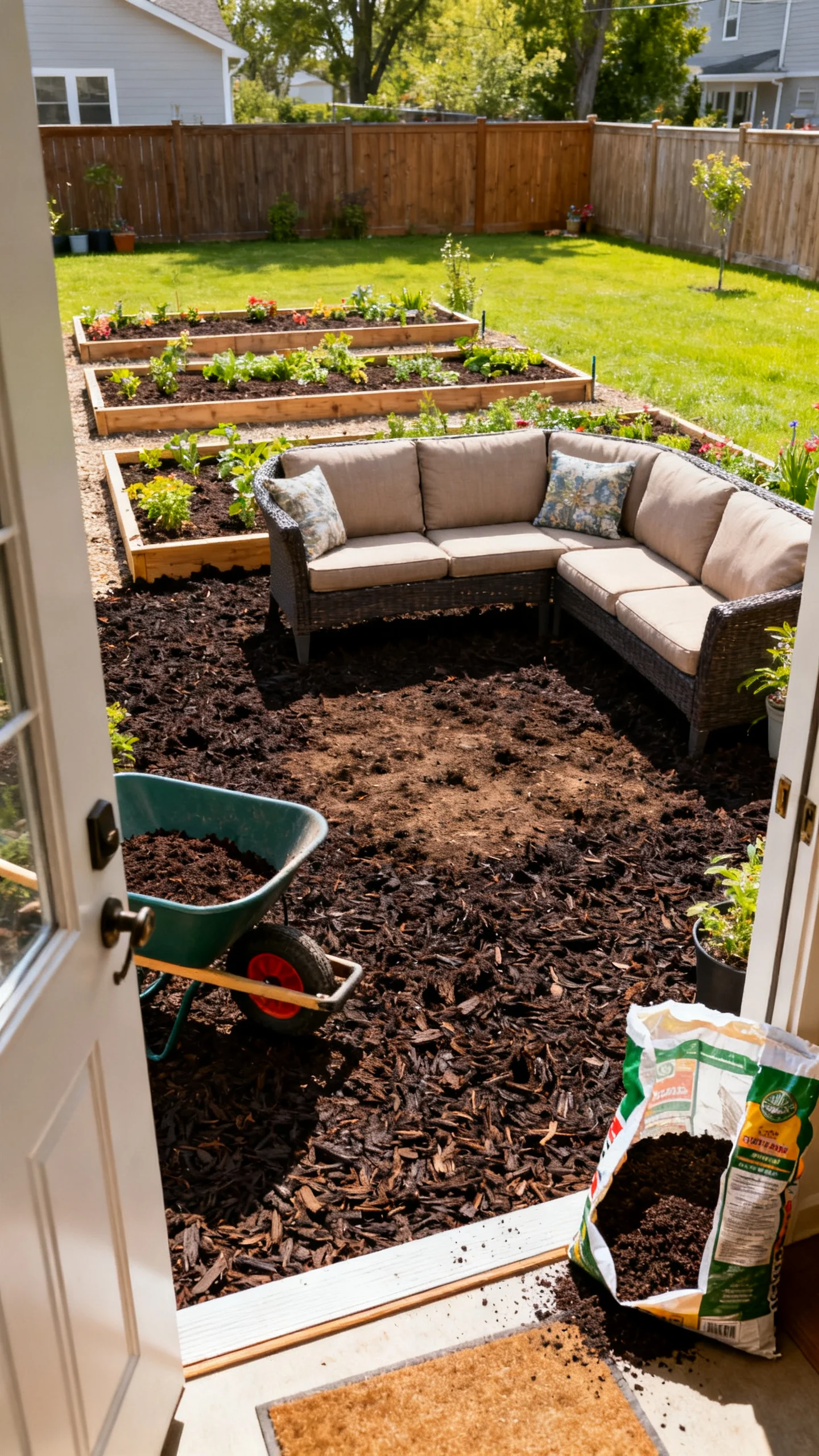
Mulch is one of the fastest visual upgrades, but you don’t need to blanket the entire yard. Focus on high-visibility zones: along the patio, around the main seating area, and the first 10–15 feet you see from the back door. Add compost or soil amendment only where you’re planting—targeted improvement is cheaper than redoing everything. For mulch depth, aim for 2–3 inches; more can smother plants and invite rot near stems. Hardwood mulch is often the best value, while cedar costs more but can last longer.
8) Add Vertical Interest With Trellises, Posts, or Tall Planters
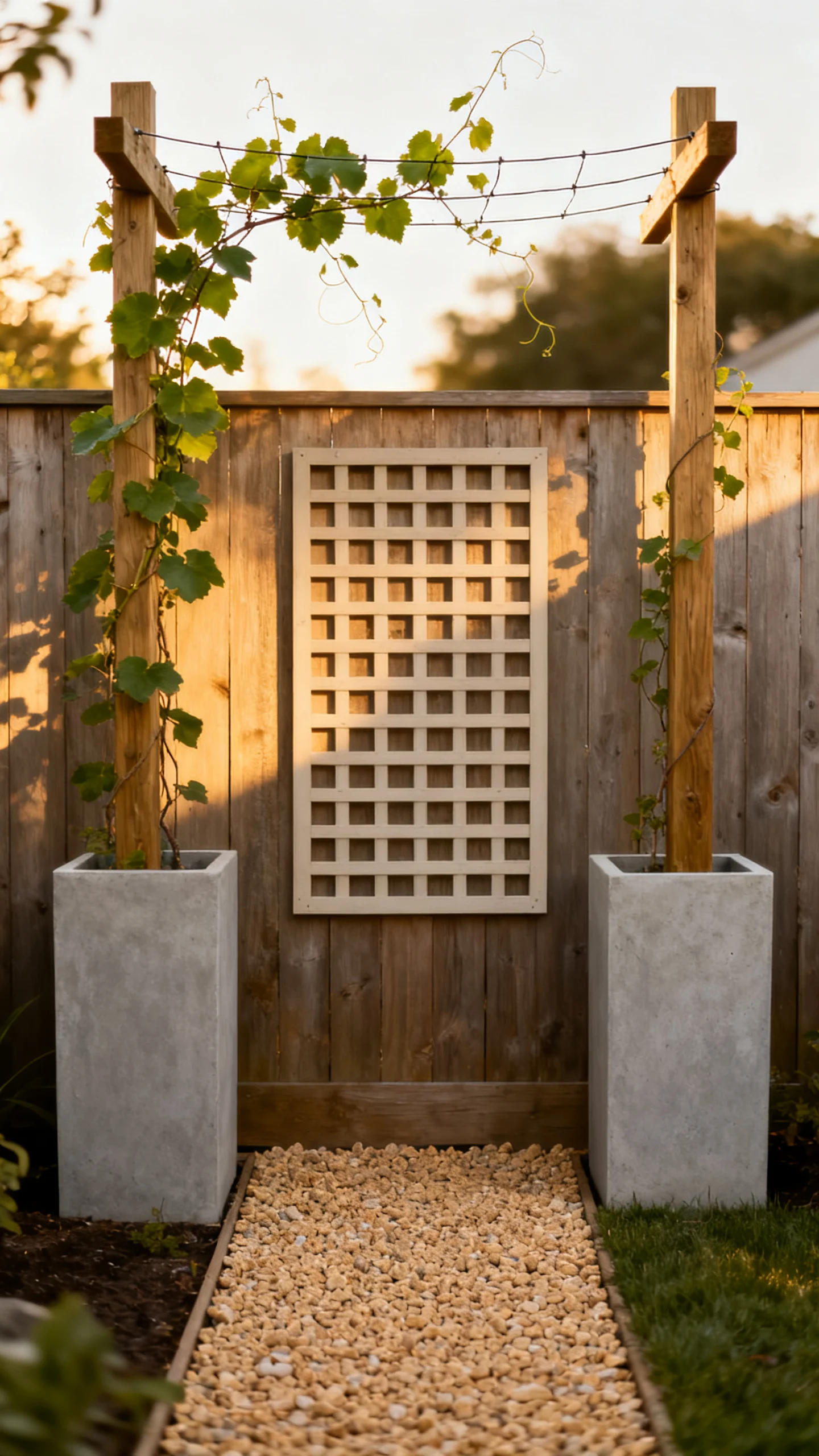
Vertical elements make a backyard feel designed without major construction. Use a simple trellis panel, a pair of posts with wire, or tall planters to create height and a “destination” moment. Place vertical features at the end of a view (like the far corner) to visually pull the yard outward. For stability, anchor posts properly (check local frost depth if setting in concrete), and keep climbable plants 12–18 inches away from fences for airflow and maintenance access.
9) Use Lighting as a Budget “Finishing Layer”
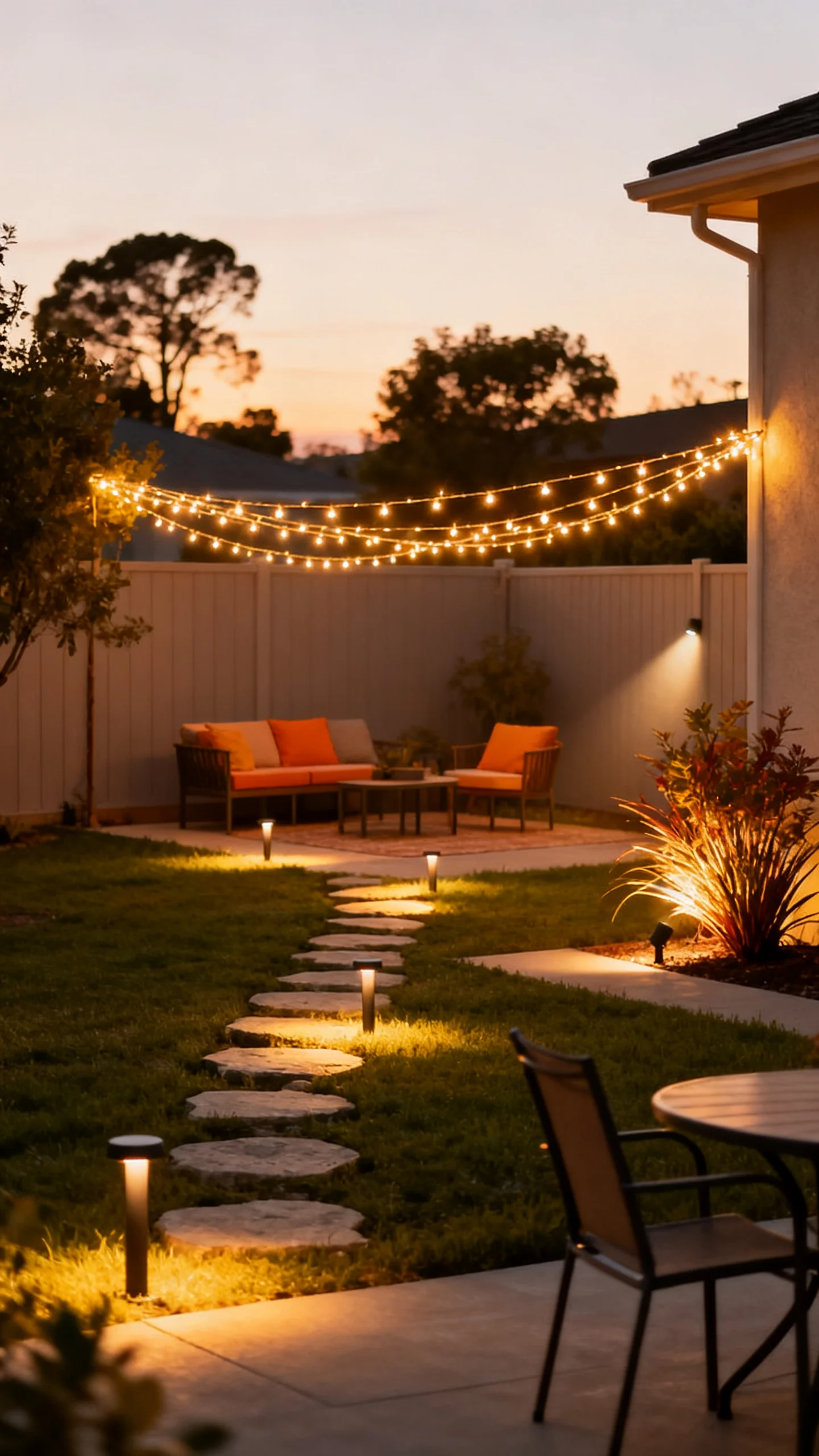
Inexpensive outdoor lighting can transform a basic backyard into an evening retreat. Focus on three lighting zones: step/path safety (low lights along edges), ambiance (string lights over seating), and highlights (a solar spotlight on one tree or focal plant). Keep paths evenly lit without glare, and avoid placing lights where you’ll hit them with a mower. Solar is easiest and cheapest, but wired low-voltage is more reliable long-term—consider wiring only the main path and using solar elsewhere to balance budget and performance.
10) Create One Focal Point (So the Whole Yard Feels Upgraded)
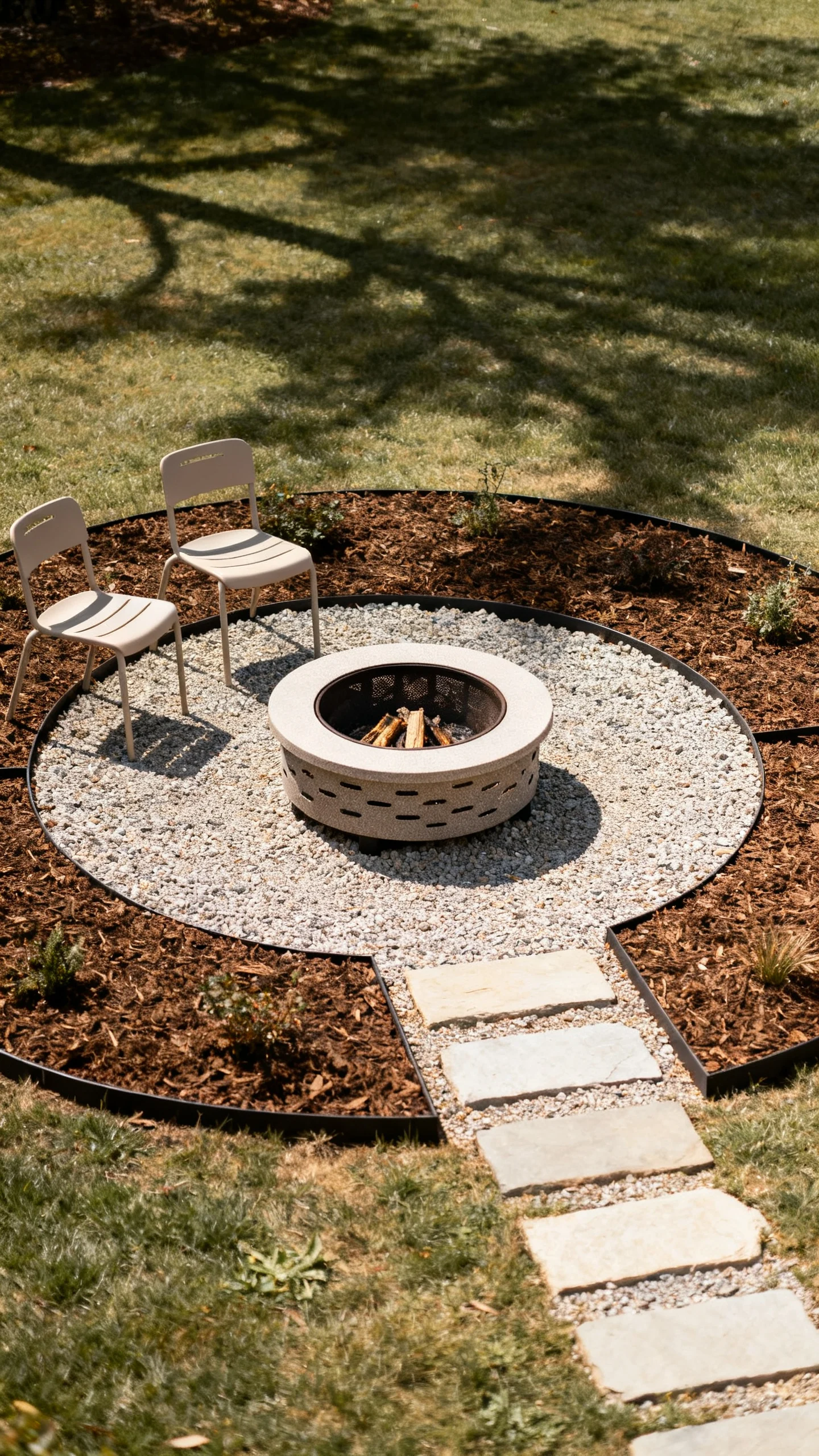
If you do only one “statement” move, make it a focal point that anchors your layout: a simple fire pit ring with gravel, a painted fence panel with planters, a small water bowl feature, or a compact pergola-style frame. The trick is scale—keep it proportional to your yard and seating distance. For example, position a fire pit at least 6–8 feet from structures and allow 24–30 inches of clearance around seating. When the eye lands on one strong feature, the rest of the yard feels curated—even if it’s intentionally simple.
FAQ
What’s the cheapest way to make a backyard look landscaped fast?
Define bed edges, add 2–3 inches of fresh mulch in the most visible areas, and create one clear zone (like a small gravel seating pad). Clean lines plus one purposeful “destination” read as a finished landscape.
Is gravel or pavers cheaper for a patio area?
Gravel is typically cheaper because the material cost is lower and installation is simpler. Pavers cost more but feel more solid underfoot and require less ongoing raking. A hybrid—gravel with large stepping stones—often gives the best budget-to-style ratio.
How wide should a backyard path be?
For a comfortable main path, plan 36–48 inches wide. Secondary garden access paths can be 24–30 inches. If two people will regularly walk side-by-side, aim closer to 48 inches.
How do I landscape on a budget without constant maintenance?
Use fewer plant varieties in repeated groups, choose plants sized to your climate and sun exposure, and reduce fiddly edges by installing clean, continuous borders. Mulch at the correct depth (2–3 inches) and keep beds wide enough to avoid constant trimming.
What should I do first if my backyard is just patchy grass?
Start by defining your zones and deciding what stays lawn versus bed or gravel. Fix drainage or low spots next, then tackle one high-impact area (near the back door) with edging, mulch, and a small seating pad. This sequence prevents spending money on surfaces you’ll later rip out.