
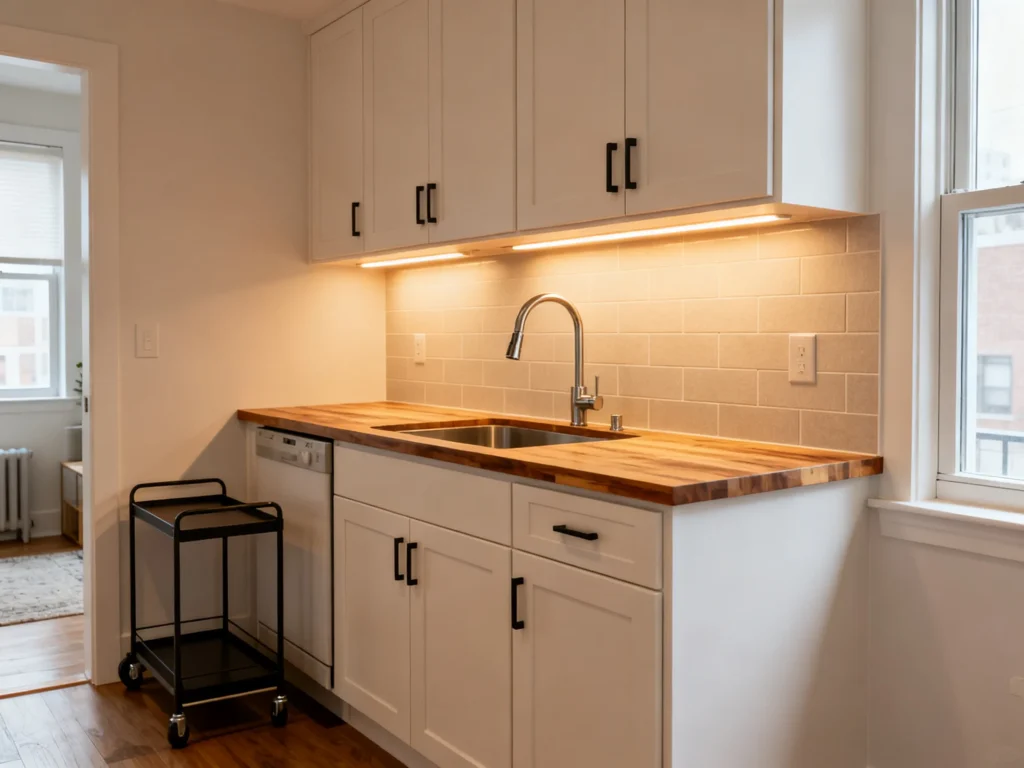
Small Kitchen Remodeling Ideas for Apartments on a Budget
Remodeling a tiny apartment kitchen doesn’t have to mean a full demolition—or a full paycheck. With a few smart, renter-aware upgrades and a focus on function, you can make a small kitchen feel brighter, work better, and look intentionally designed.
Below are 10 budget-friendly remodeling approaches that prioritize layout, storage, surfaces, and lighting—the things that change how your kitchen actually performs day to day.
1) Start With a Mini “Layout Audit” to Fix the Biggest Bottlenecks
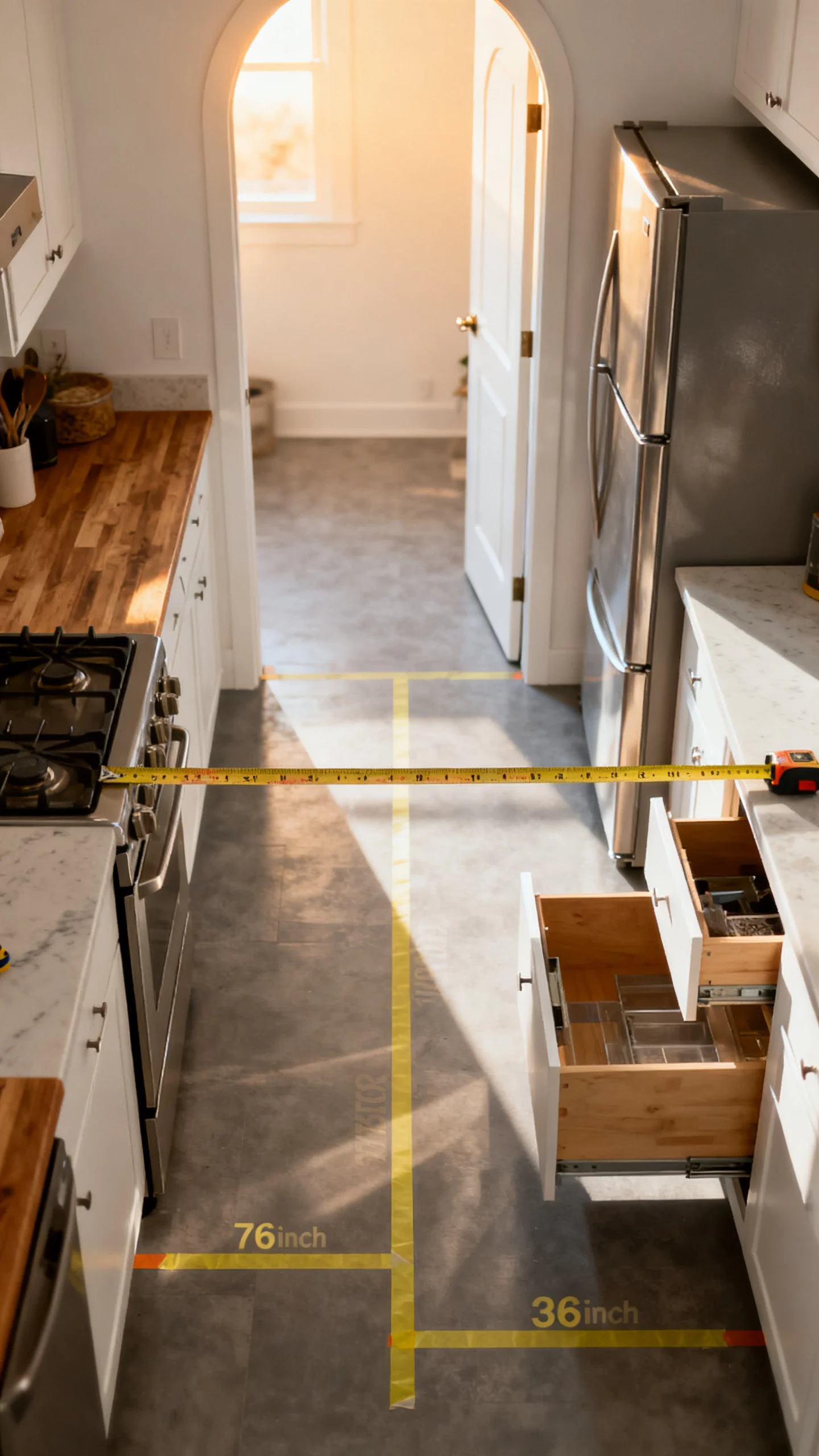
Before buying anything, measure what you have so you don’t waste money on pieces that block doors, drawers, or the fridge. In a small apartment kitchen, aim for 36 inches of walkway clearance where possible (a tight but workable range is 30–36 inches). Check that appliance doors can open fully without hitting an island cart or trash pullout.
Make a quick list of your top three pain points (no counter space, awkward trash spot, cramped prep zone) and solve those first. Even small swaps—like relocating the microwave off the counter—can “remodel” the kitchen’s usability without touching plumbing or walls.
2) Reface Cabinets: Paint + New Hardware for the Biggest Visual Impact
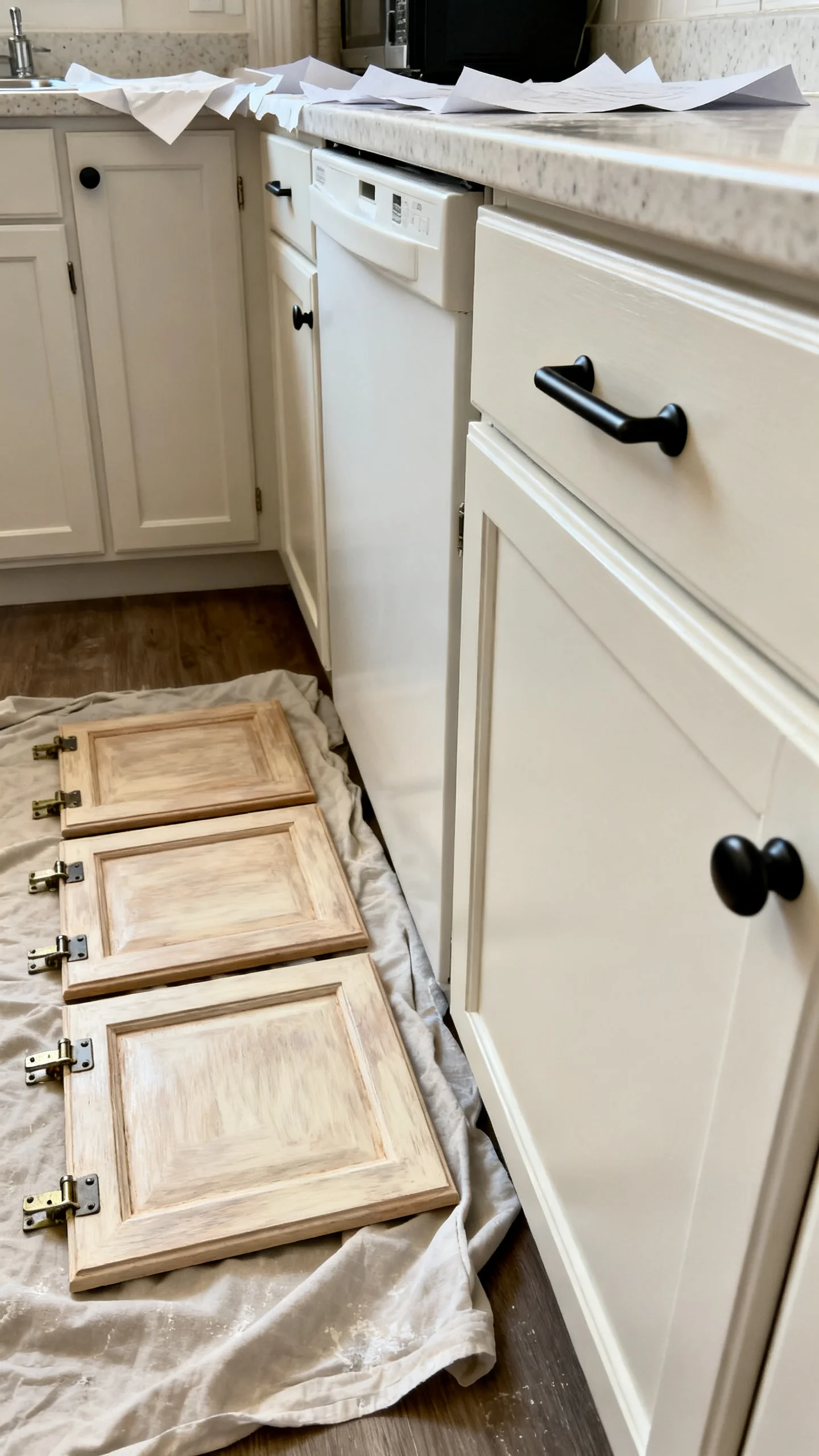
If your cabinet boxes are solid, refacing is often the best budget remodel. Clean thoroughly (degreaser matters in kitchens), sand lightly, then use a bonding primer and a durable cabinet paint. A satin or semi-gloss finish wipes down more easily than flat paint—especially around the stove.
Hardware is the high-return detail: choose pulls that fit existing holes to avoid patching. If you can’t, use a hardware template so every knob and pull aligns. For tiny kitchens, consider longer pulls (5–8 inches) on drawers for a more modern look and easier grab when your hands are full.
3) Upgrade Countertops With Budget-Friendly Overlays or Butcher Block
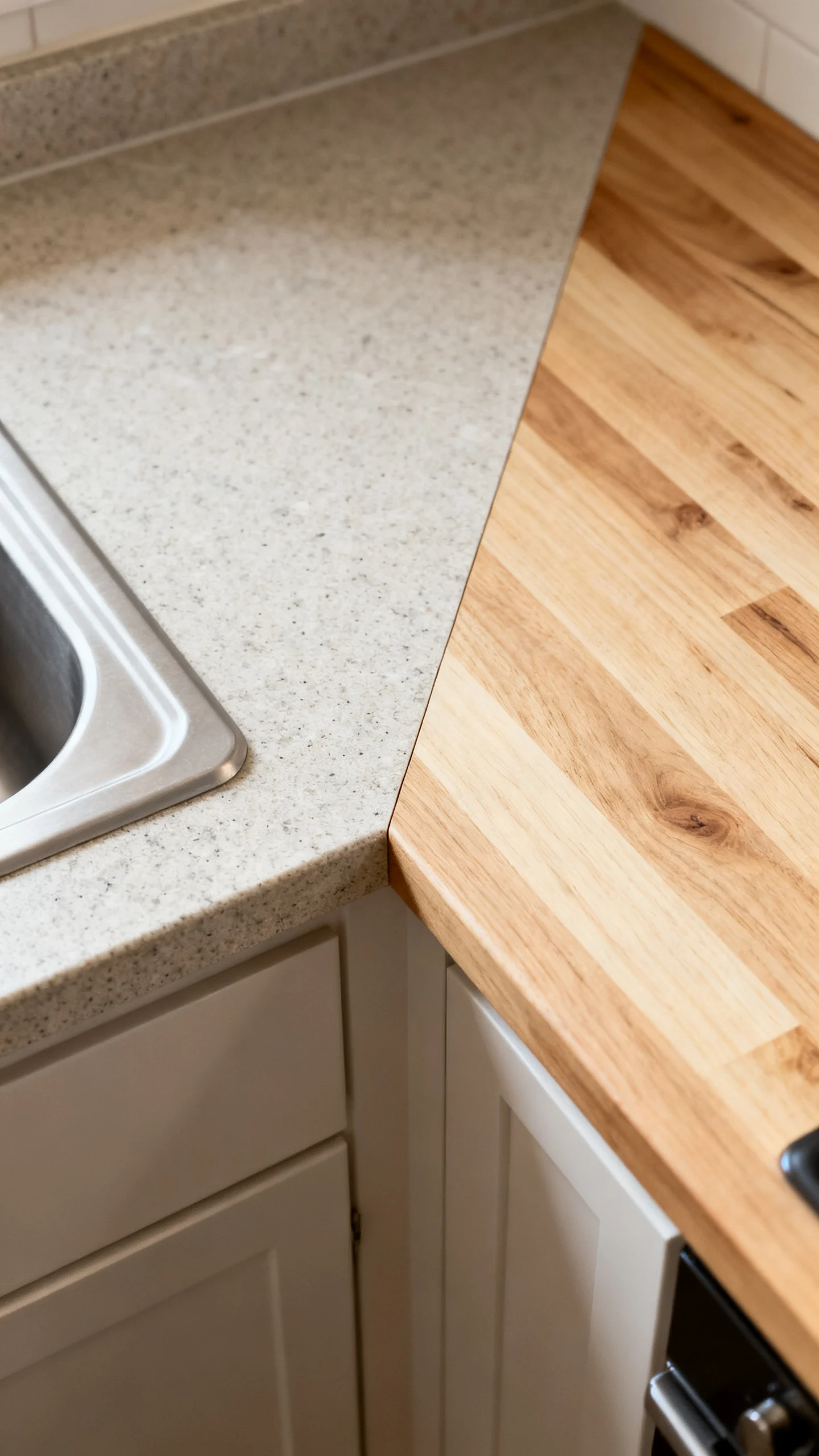
Countertops change the kitchen instantly, but stone can be pricey. Two budget-forward options:
Butcher block: Warm, apartment-friendly, and often less expensive. It needs sealing (water is the enemy), but it’s easy to sand and refresh. If you cook a lot, choose a harder wood and maintain it regularly.
Countertop overlay or refinishing kits: These can look surprisingly polished for the cost, especially for small square footage. Prep is everything—degrease, scuff, and follow cure times so the surface holds up around the sink and cooktop.
If you’re replacing counters, confirm cabinet depth and overhang so drawers still clear. A typical overhang is around 1 inch on the front edge.
4) Use Peel-and-Stick (or Thin-Set) Backsplash to Add a “Finished” Look
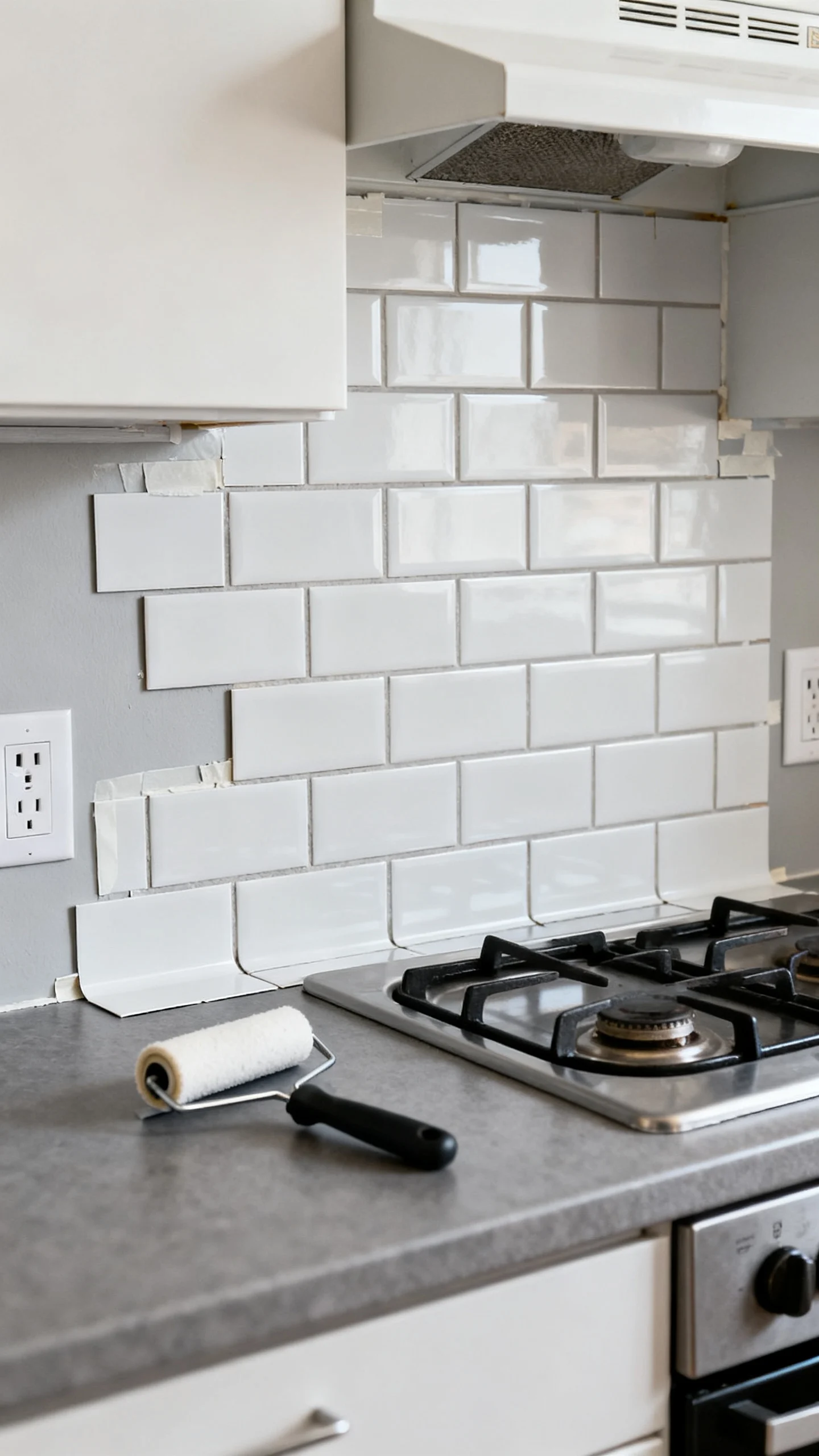
A backsplash is a remodel move that protects walls and makes the kitchen feel intentional. For apartments, peel-and-stick tile can be a fast, budget-friendly solution—look for versions rated for kitchens and heat resistance near the stove. Install on a clean, smooth surface; textured walls can cause lifting.
If your lease allows, a simple ceramic tile backsplash with thin-set and grout is more durable and heat-proof. Keep it classic (subway tile, stacked rectangles, small squares) to avoid date-stamping a tiny kitchen. Plan your tile layout so cut edges land in corners or behind appliances.
5) Replace the Faucet (and Consider a New Sink If Allowed)
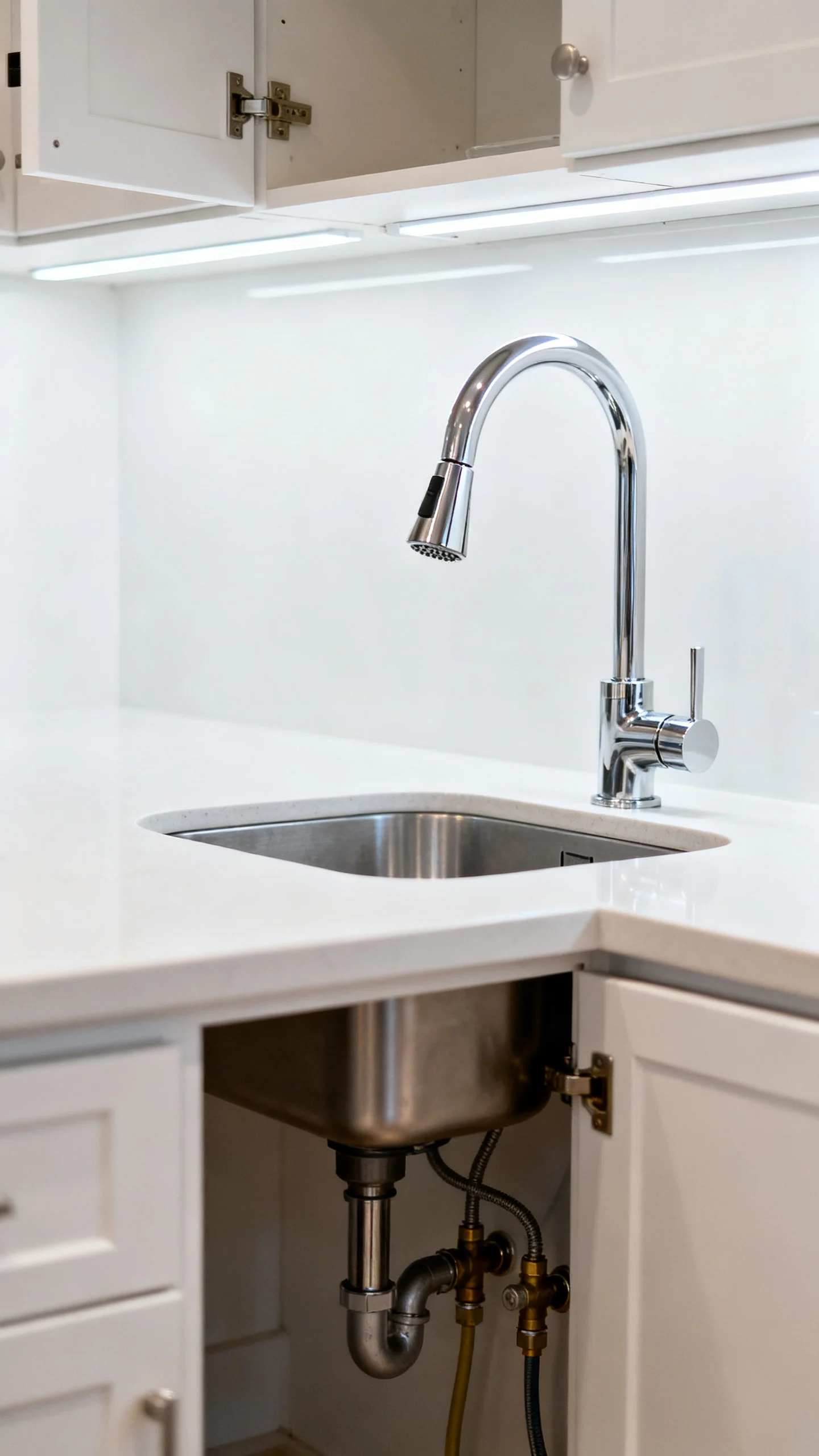
Swapping a faucet is one of the most functional “mini remodels” you can do. A pull-down sprayer makes small sinks more workable, and a taller arc can help with pot filling—just confirm you have enough clearance to open any window behind the sink.
Before you buy, check how many holes your sink or counter has (one-hole vs. three-hole). If the sink is dated and your building allows changes, a basic stainless steel drop-in sink can be affordable. Stainless is forgiving, widely available, and easier to keep looking clean in high-use apartment kitchens.
6) Add Under-Cabinet Lighting to Make a Small Kitchen Feel Bigger
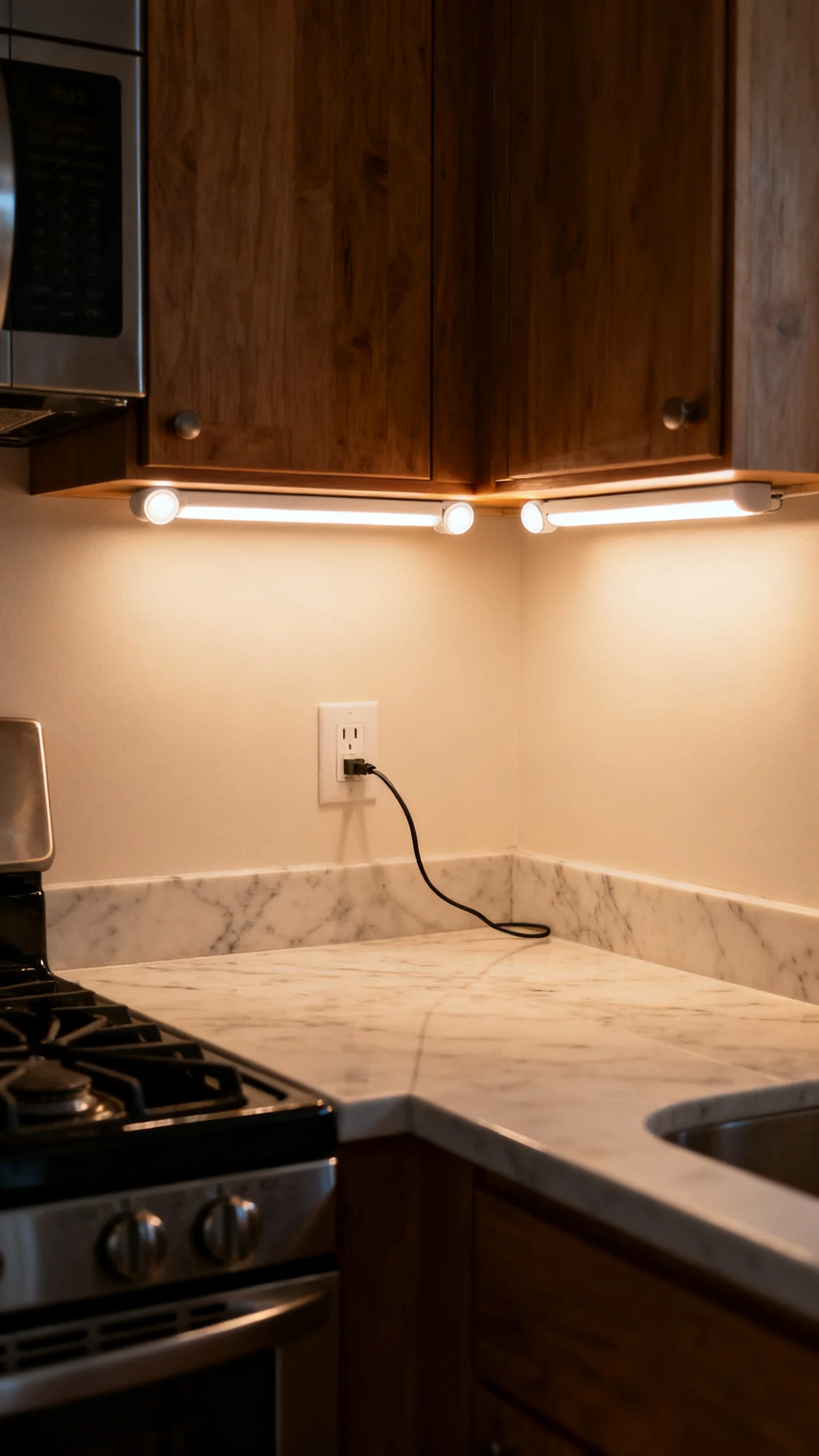
Small kitchens often feel cramped because shadows collect on the counters. Under-cabinet lighting is a budget upgrade that improves both mood and task visibility. Plug-in LED light bars or adhesive puck lights are renter-friendly and usually simple to install.
Choose a warm-neutral color temperature (around 3000K) for a cozy-but-clean look. If you do a deeper remodel, consider hardwired options with a wall switch. Place lights toward the front of the cabinet underside—not the back—so your body doesn’t cast a shadow while you prep.
7) Build More Counter Space With a Slim Rolling Cart (Sized to Your Clearances)
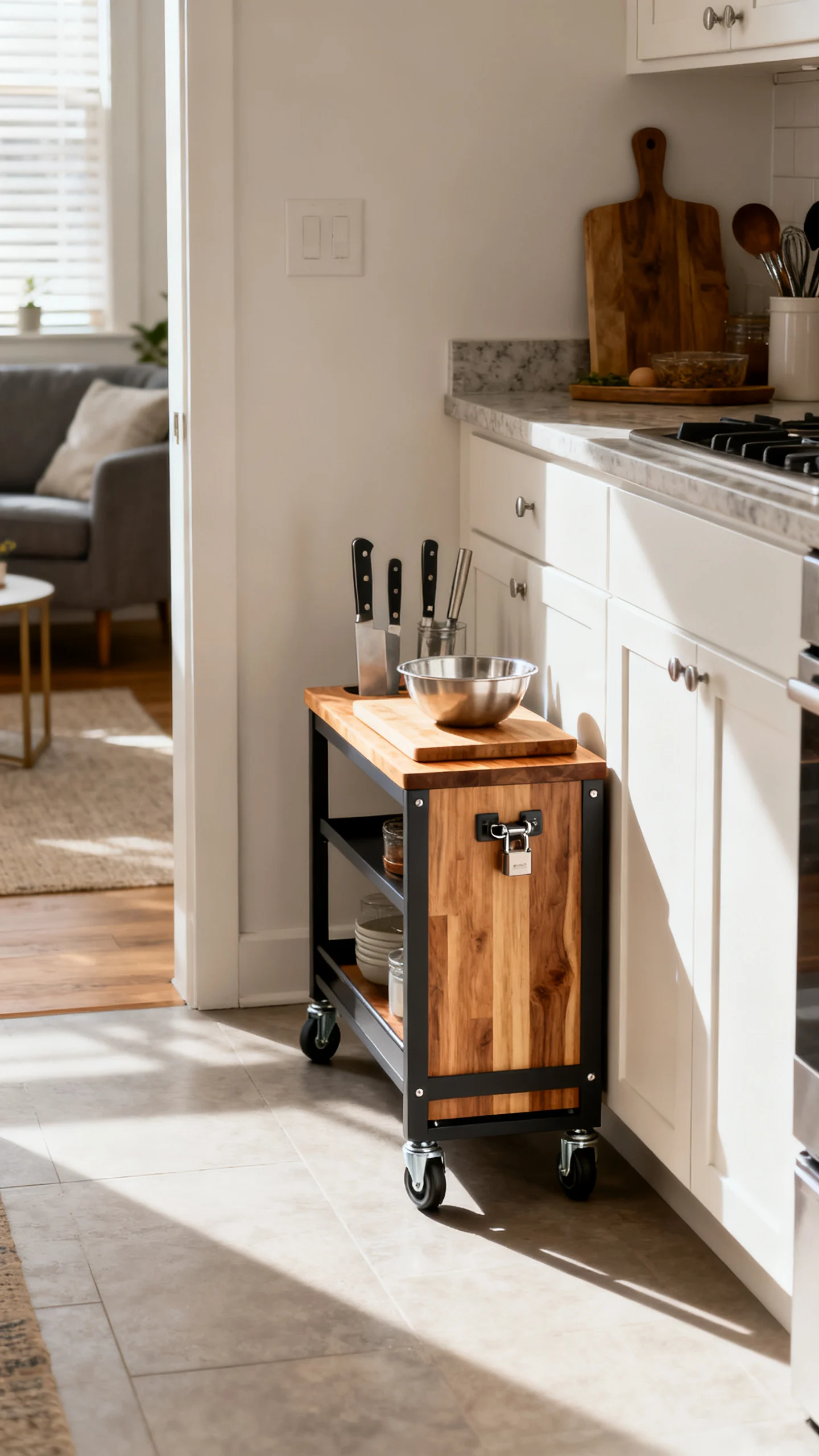
If your apartment kitchen lacks prep space, a rolling cart can function like a micro-island—without a permanent footprint. The key is sizing it correctly: in narrow kitchens, look for carts around 14–18 inches deep so you maintain a workable walkway. Locking casters help it stay put while chopping.
Choose a cart with drawers or a lower shelf so it adds storage too. If you can, match the countertop material look (wood top with wood counters, light solid surface look with white counters) so it feels like part of the remodel, not an afterthought.
8) Rework Storage With Pull-Outs, Vertical Dividers, and a Real Pantry Zone
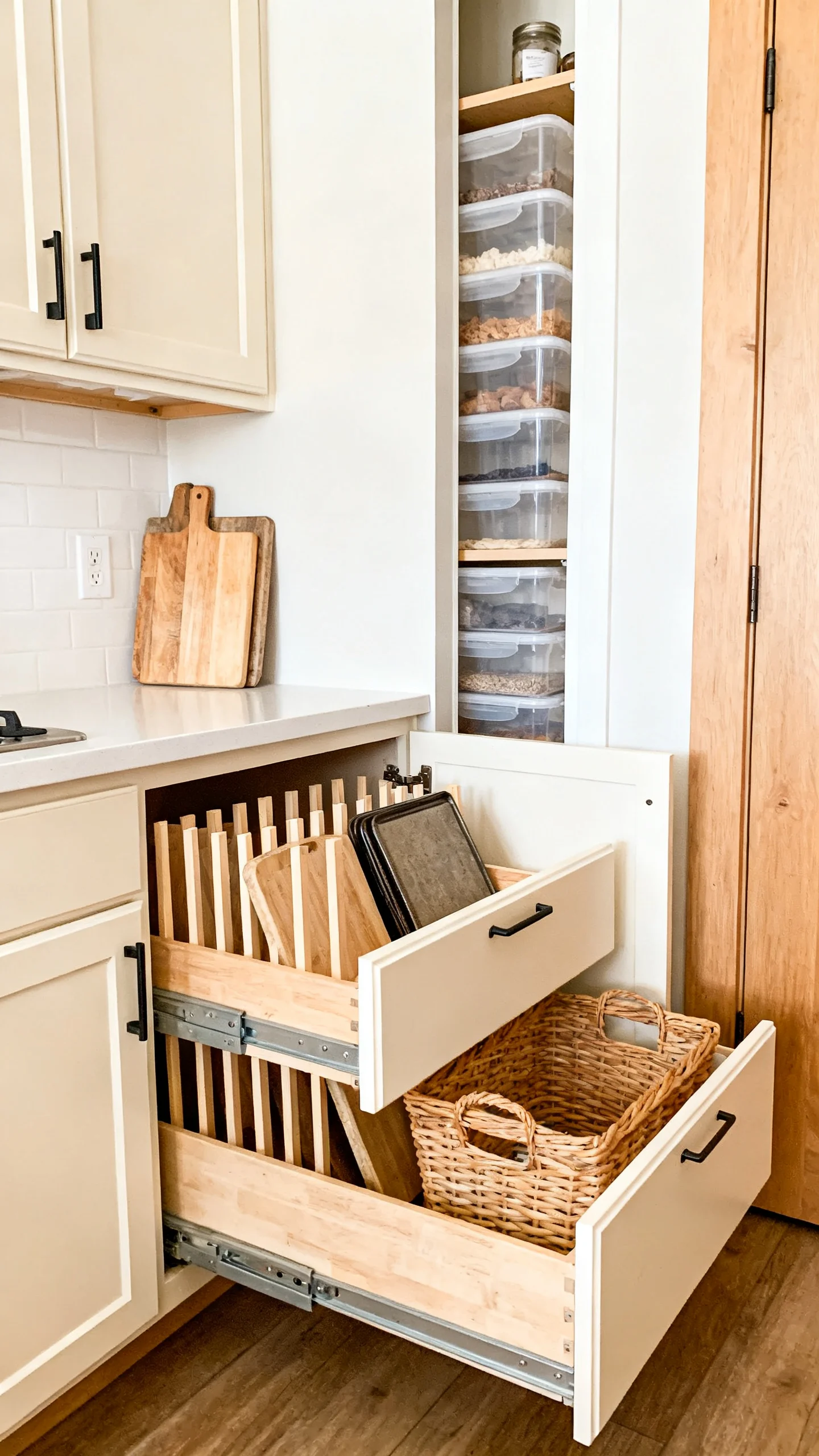
Remodeling a small kitchen is often a storage project. Instead of adding more cabinets, make the ones you have work harder:
Pull-out shelves: Great for deep base cabinets so nothing disappears in the back.
Vertical dividers: Store baking sheets and cutting boards upright to free a whole shelf.
Door-mounted organizers: Use for wraps, spices, or cleaning items (avoid heavy loads that strain hinges).
If you don’t have a pantry, create a “pantry zone” with a tall, narrow shelving unit or over-fridge cabinet organization. Grouping pantry items in one place reduces visual clutter on counters—one of the biggest wins in a small apartment kitchen.
9) Update Appliances Strategically: Go Compact, Go Efficient, Buy Used Smart
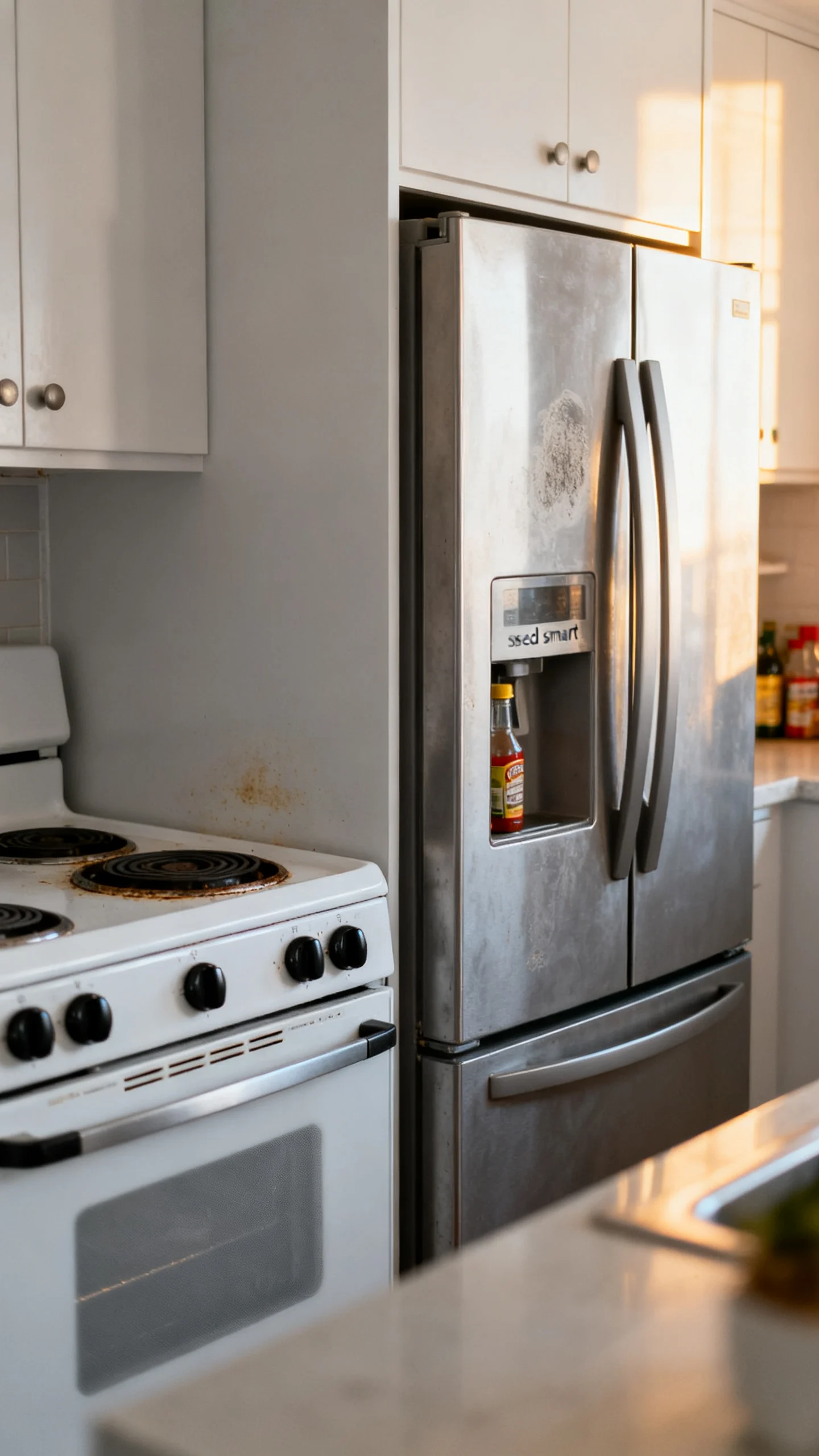
In apartments, you may not be able to swap major appliances—but if you can, prioritize pieces that give you space back. Look for counter-depth or apartment-size options where appropriate. Even a slightly slimmer fridge can improve walkway flow in a narrow galley.
On a budget, consider reputable secondhand sources and focus on essentials. Check door swing direction, exact width, and depth (including handles). For dishwashers, verify that the cabinet opening matches common sizes and that plumbing access is feasible. Energy-efficient models can also reduce monthly costs, which matters in small homes with frequent use.
10) Refresh the Floors With Durable, Apartment-Friendly Options
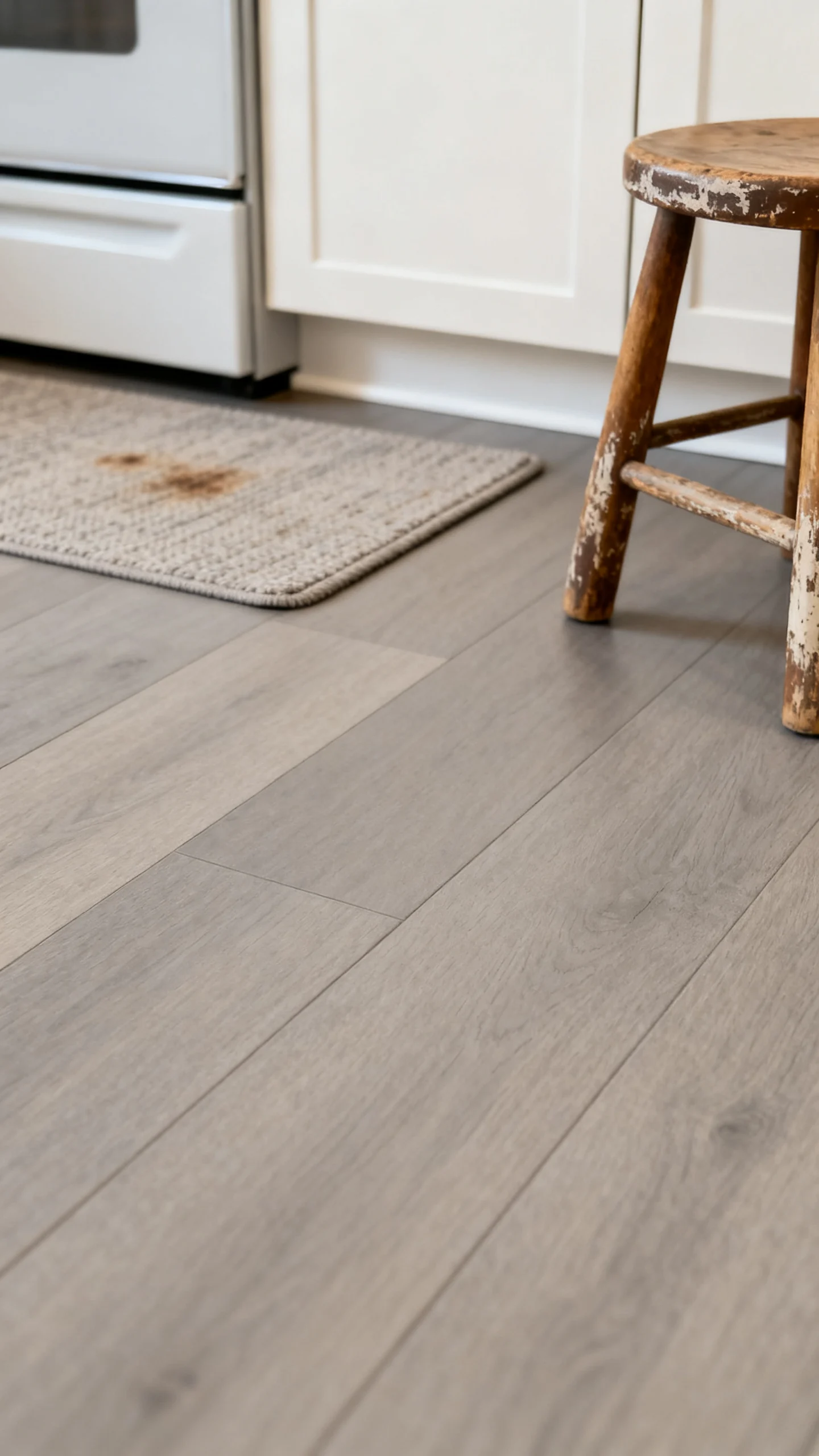
Kitchen floors take the most abuse—water drips, dropped pans, constant traffic. If you’re allowed to change flooring, look at luxury vinyl plank (LVP) or vinyl tile for a budget remodel that’s durable and easier on feet than tile. LVP is water-resistant, forgiving, and often installable as a floating floor.
If you can’t replace floors permanently, removable vinyl floor solutions can visually reset a dated kitchen. Prioritize slip resistance, and prep the surface so edges don’t curl. Keep transitions tidy at thresholds so you don’t create a tripping hazard in a tight apartment layout.
FAQ
What’s the most budget-friendly remodel change that makes a small apartment kitchen look new?
Cabinet paint plus new hardware typically delivers the biggest visual transformation for the lowest cost. Add a simple backsplash or improved lighting, and the kitchen will read as “remodeled” even without changing the layout.
How do I remodel a small kitchen without making it feel tighter?
Protect your clearances: keep walkways around 30–36 inches when possible, avoid oversized carts or deep shelving, and use vertical storage to get items off counters. Better lighting (especially under-cabinet) also reduces the cramped feeling.
Are peel-and-stick backsplash tiles safe behind a stove?
Some are rated for heat, but not all. Check the manufacturer’s heat and location guidelines. If your range runs hot or the tile would sit very close to open flame, a traditional tile backsplash is safer and more durable.
Is butcher block a good idea in a small apartment kitchen?
It can be, especially for the price and warmth it adds. The tradeoff is maintenance: it needs proper sealing and quick wipe-ups around the sink to prevent swelling or staining. If you want low upkeep, consider an overlay/refinishing option instead.
What should I replace first: counters, backsplash, or faucet?
If your budget is tight, start with the faucet for daily function. If the goal is maximum visual impact, counters and cabinet updates lead. Backsplash is a strong “finishing” step that makes the whole kitchen feel complete once the bigger surfaces are handled.