
Small Kitchen Remodeling on a Budget Without Replacing Cabinets
Remodeling a small kitchen doesn’t have to mean tearing out perfectly functional cabinets. If your layout works, keeping the cabinet boxes in place is the fastest way to protect your budget while still making the space feel brighter, cleaner, and more efficient.
Below are 10 practical, cabinet-saving upgrades that deliver real impact—better storage, better light, and a more “remodeled” look—without the cost and disruption of a full cabinet replacement.
1) Clean, repair, and prep your existing cabinet boxes (so upgrades actually last)
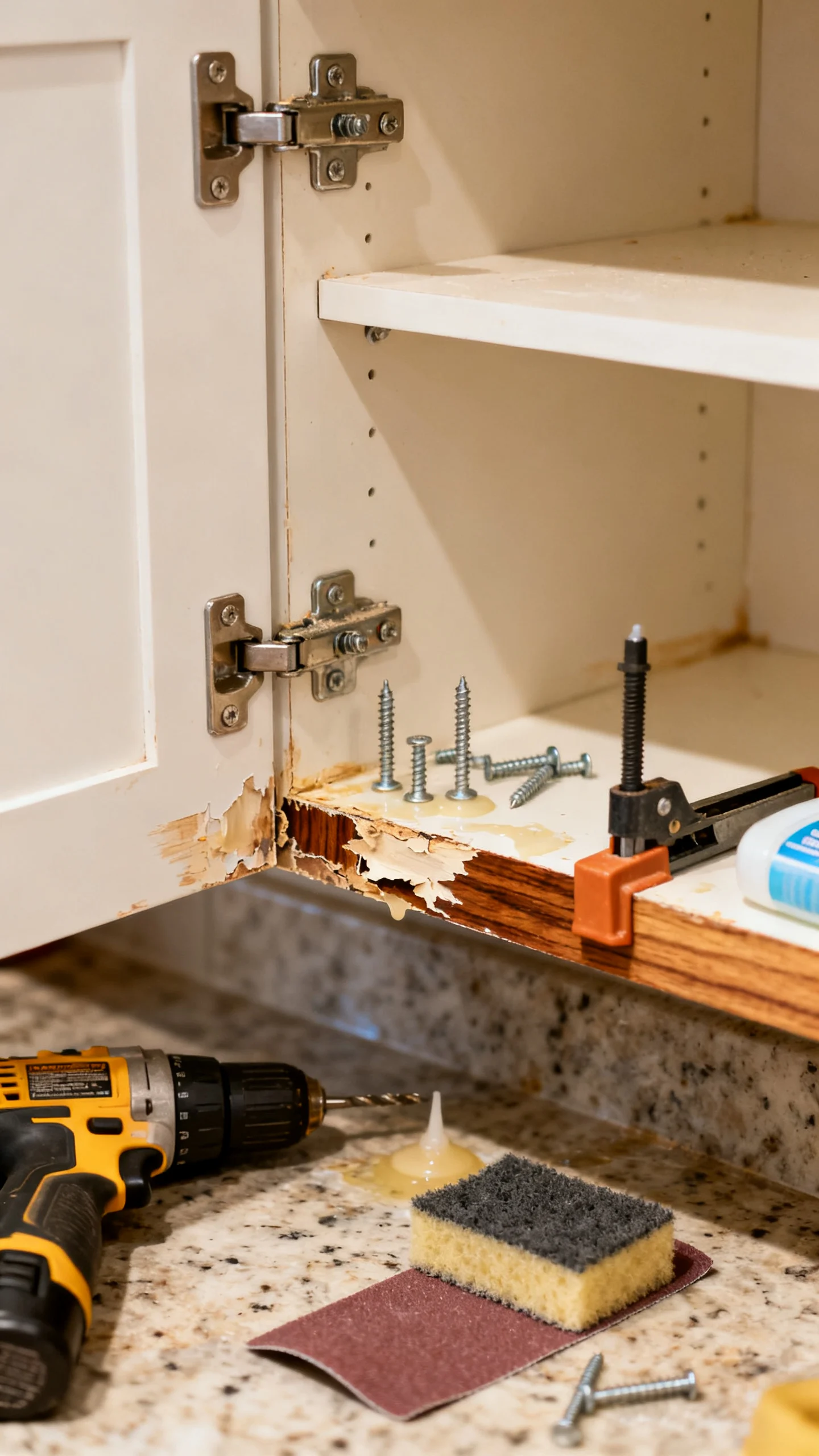
Before you paint, reface, or add organizers, make sure the cabinets you’re keeping are solid. Tighten loose hinges, add missing screws, and repair peeling edges with wood glue and clamps. Degrease thoroughly—especially near the range—using a degreasing cleaner or a mix of warm water and a grease-cutting dish soap. For a long-lasting finish later, lightly scuff-sand glossy areas (typically 150–220 grit) and vacuum dust from corners and hinge cups. This step costs little, but it prevents paint failure, sticky doors, and “why does it still feel old?” frustration.
2) Paint or stain the cabinet doors for a new-kitchen look—without changing the boxes
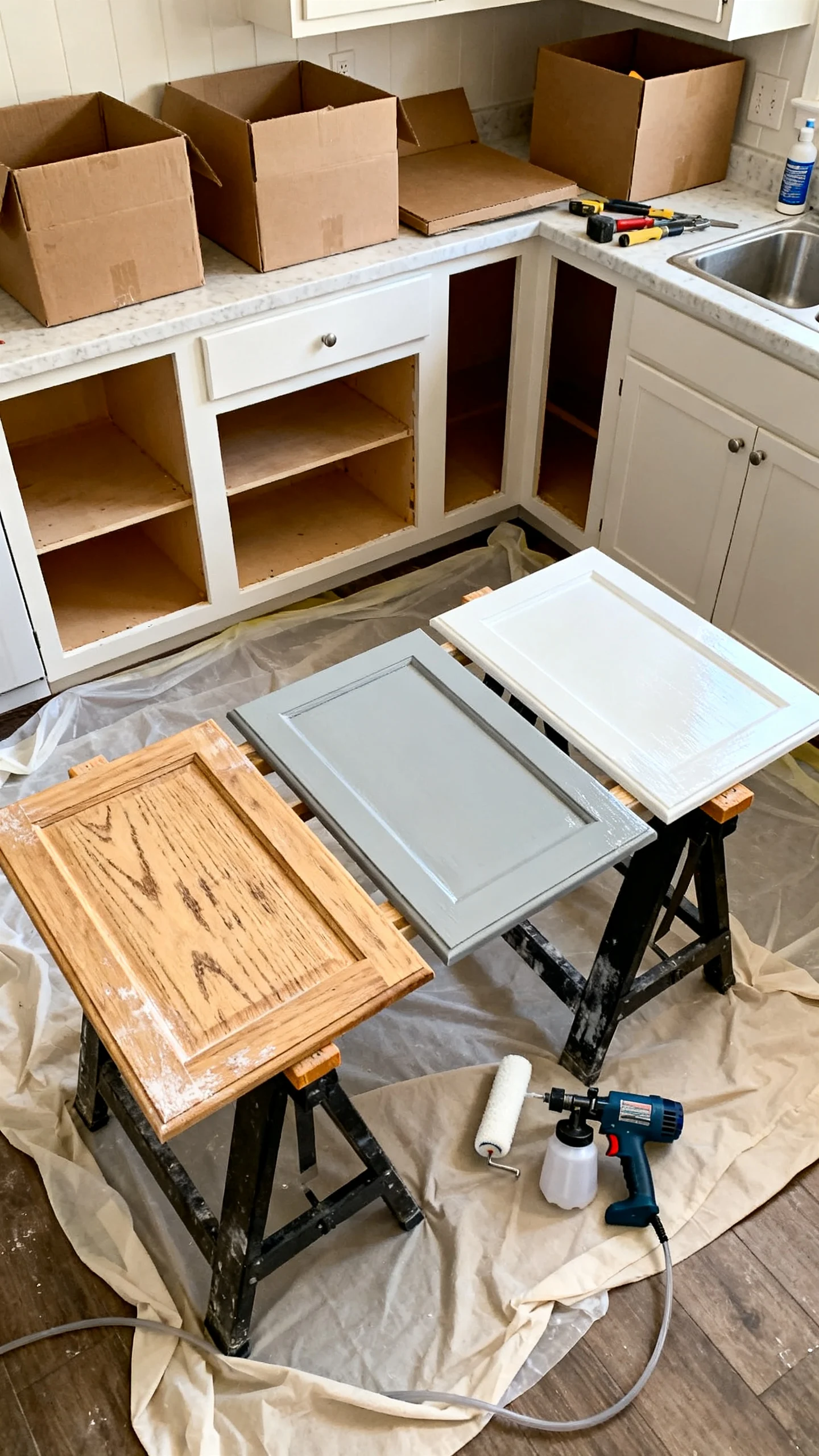
If your cabinet doors are structurally sound, refinishing them is one of the highest-impact budget moves. Painting works best for mismatched wood tones or dated finishes; staining works best when the wood is attractive and you want to emphasize grain. Use a bonding primer designed for slick surfaces, then a cabinet-rated enamel for durability. For small kitchens, lighter finishes bounce light and visually expand the room. If you’re painting only the doors and drawer fronts, label every piece, remove hardware, and allow full cure time before rehanging to avoid fingerprints and sticking.
3) Upgrade hardware (and place it consistently) to modernize without renovation
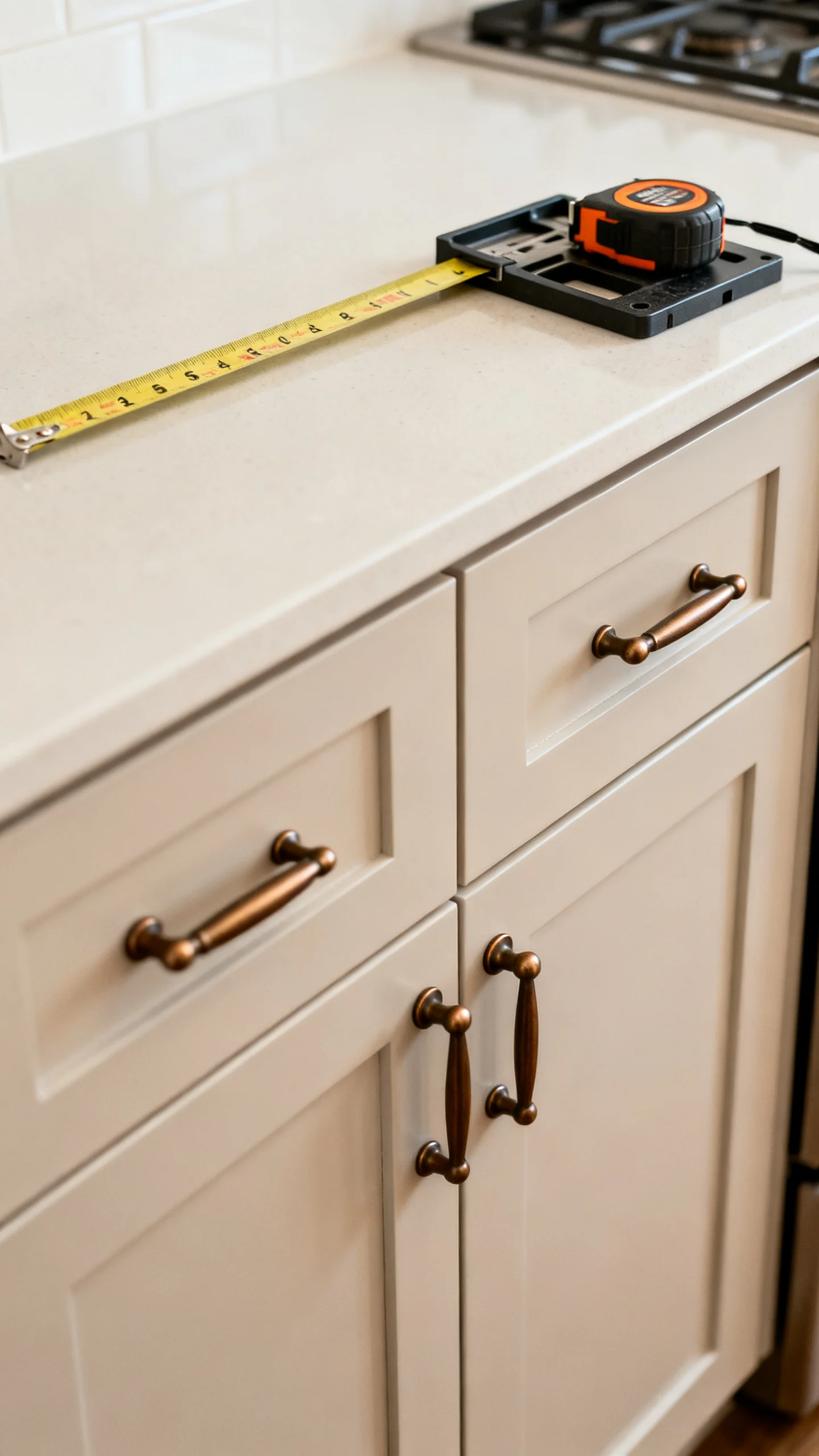
New pulls and knobs can make old cabinets read as intentional and updated. Choose one finish family and repeat it (for example: brushed nickel, matte black, or champagne bronze) so the kitchen feels cohesive. For a cleaner look, keep placement consistent: on drawers, center the pull; on doors, place knobs/pulls 2 1/2–3 inches from the bottom corner of upper doors and 2 1/2–3 inches from the top corner of base doors. If your existing holes don’t match new hardware, use a backplate, choose styles with the same center-to-center measurement, or fill and drill carefully using a template for straight lines.
4) Add under-cabinet lighting to make a small kitchen feel bigger and more functional
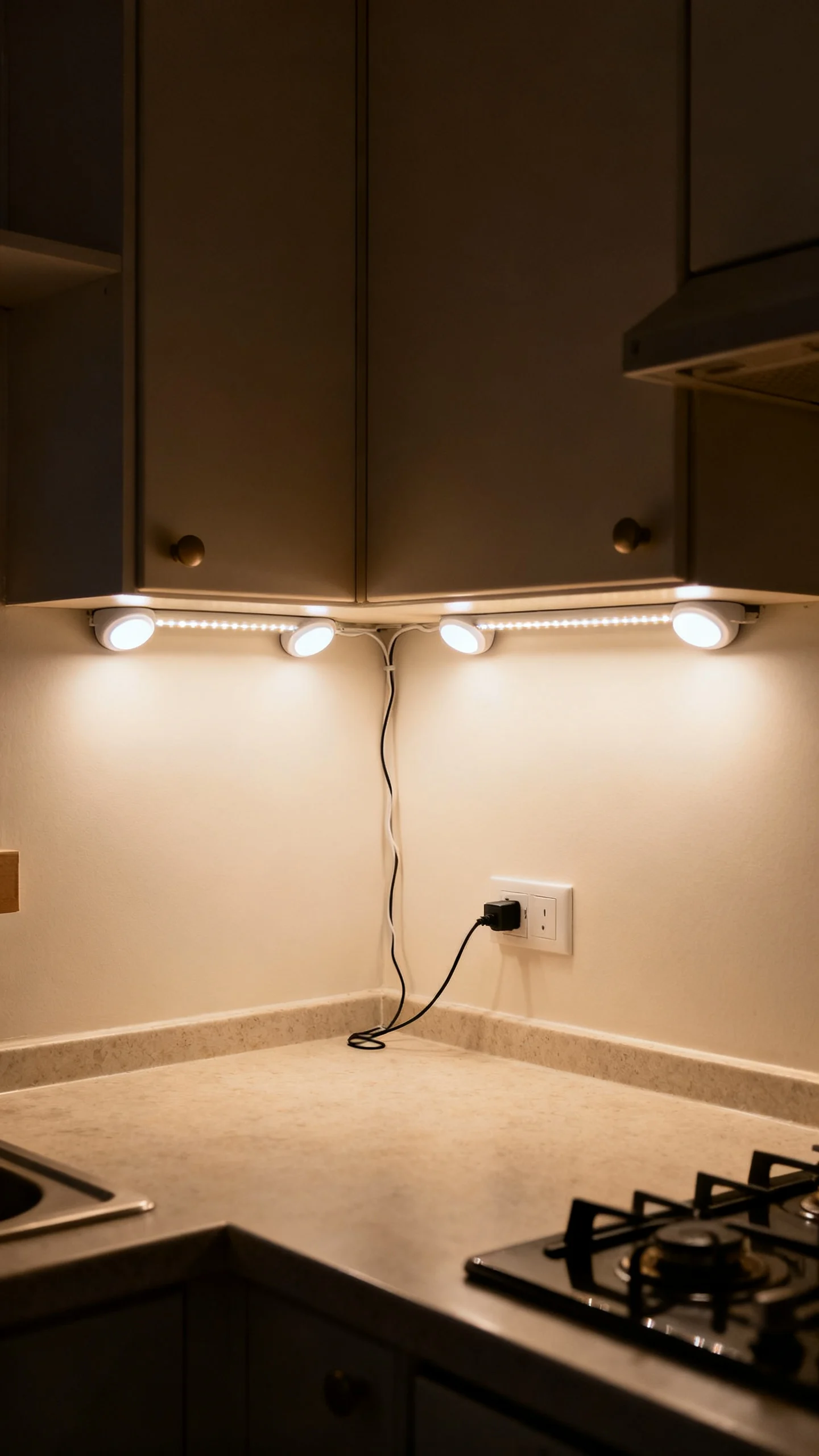
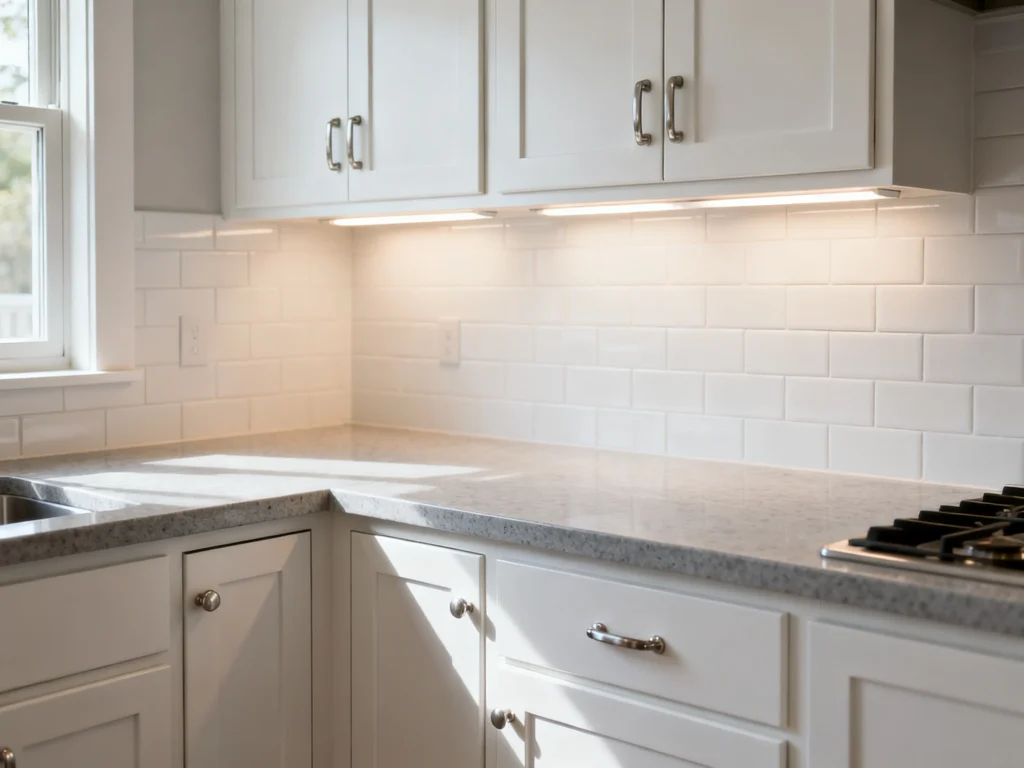
Good lighting is a “remodel” moment that doesn’t require cabinet replacement. Under-cabinet LED strips or puck lights brighten countertops and make meal prep safer. Look for 2700K–3000K for warm, welcoming light or 3500K for a crisp, task-focused feel. If you rent or want the easiest install, use plug-in or rechargeable options with adhesive channels; for a more built-in look, use hardwired kits routed to a switch. Hide cords by running them along the back underside of cabinets and securing them with clips so the installation looks intentional, not temporary.
5) Swap the backsplash for a budget-friendly refresh that works with existing cabinets
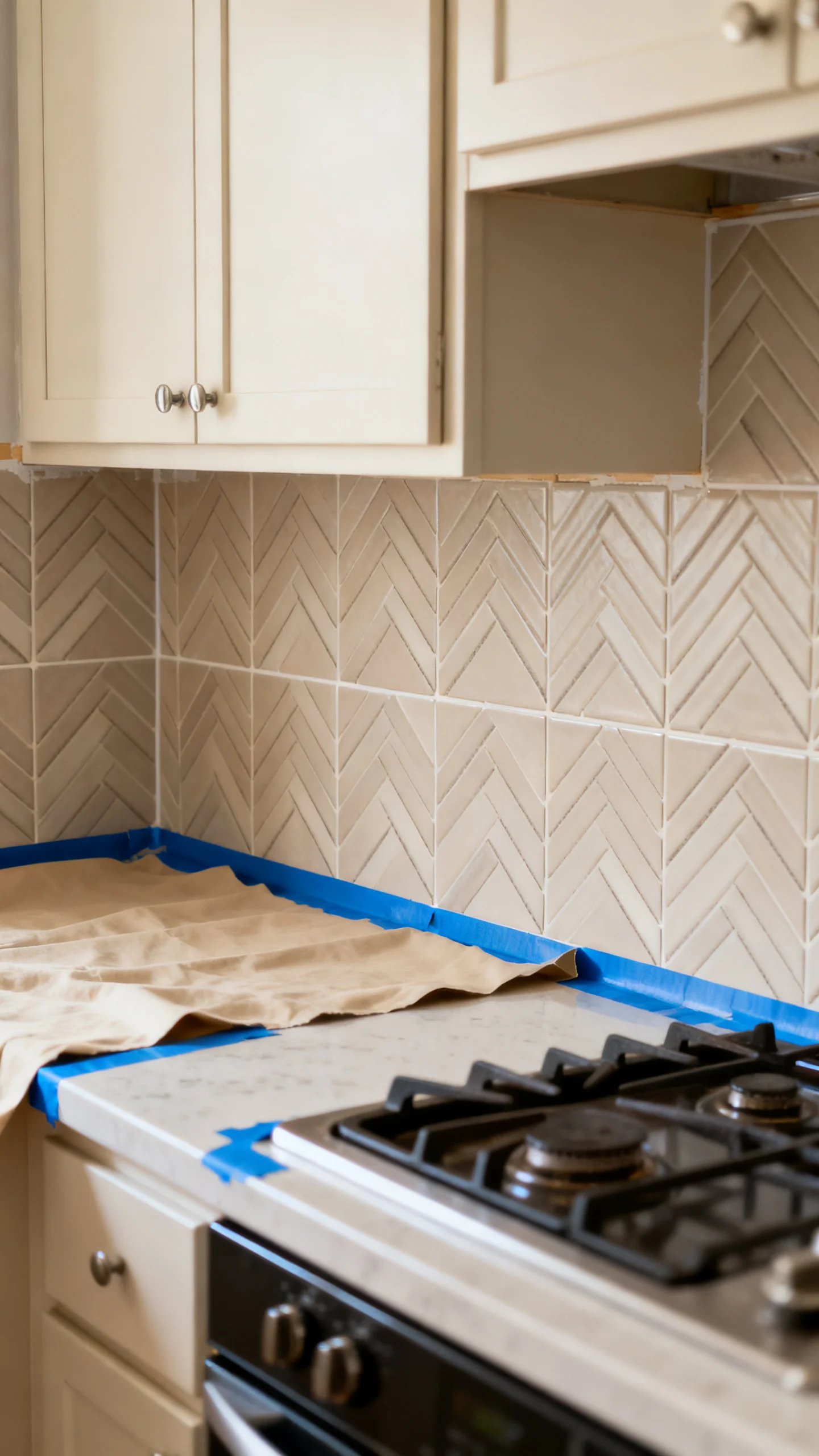
A new backsplash draws attention away from older cabinet construction and makes the kitchen feel freshly finished. If you’re keeping cabinets, choose a backsplash that complements their tone and your countertop. Peel-and-stick tile can be a short-term win, but for durability near heat and moisture, consider ceramic subway tile or simple porcelain. Keep grout lines tight and straight for a professional look. In small kitchens, running tile to the underside of upper cabinets (or to the ceiling where uppers stop) creates height and reduces the “choppy” feeling that can happen with partial coverage.
6) Update countertops strategically (including overlays) without changing cabinet layout
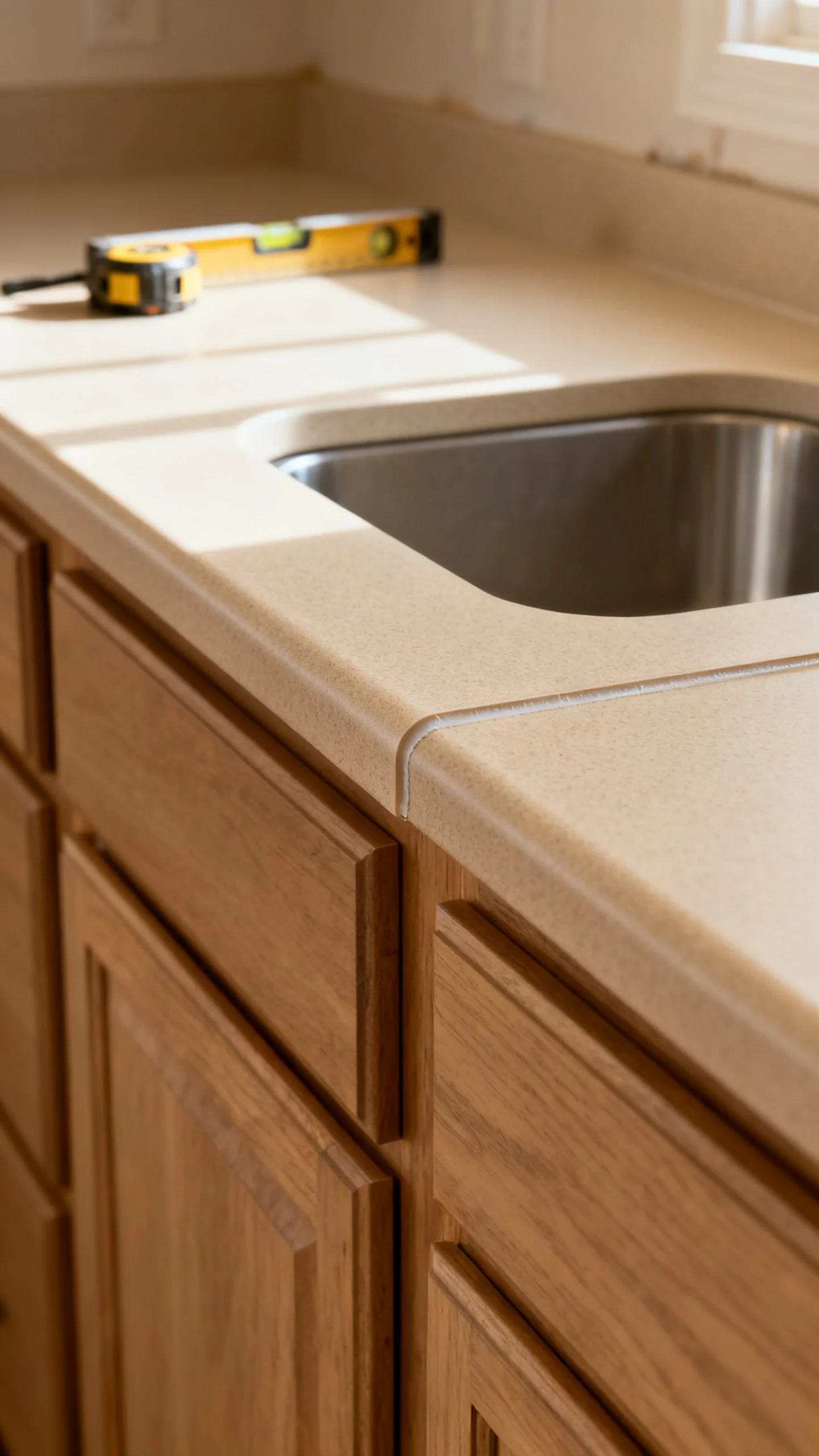
If cabinets stay, countertops become the main “new” surface—so even a modest upgrade can transform the room. Budget options include laminate (today’s versions look far more realistic) or butcher block for warmth. If you can’t replace the top, investigate countertop refinishing kits or a professionally installed overlay system, which can cover an existing surface at a lower cost than full replacement. When choosing thickness and edge profiles, keep scale in mind: in a small kitchen, a simpler edge often looks cleaner and less bulky. Confirm that added thickness won’t interfere with appliance clearances or dishwasher height under the counter.
7) Improve cabinet interiors with pull-outs, risers, and vertical dividers for real storage gains
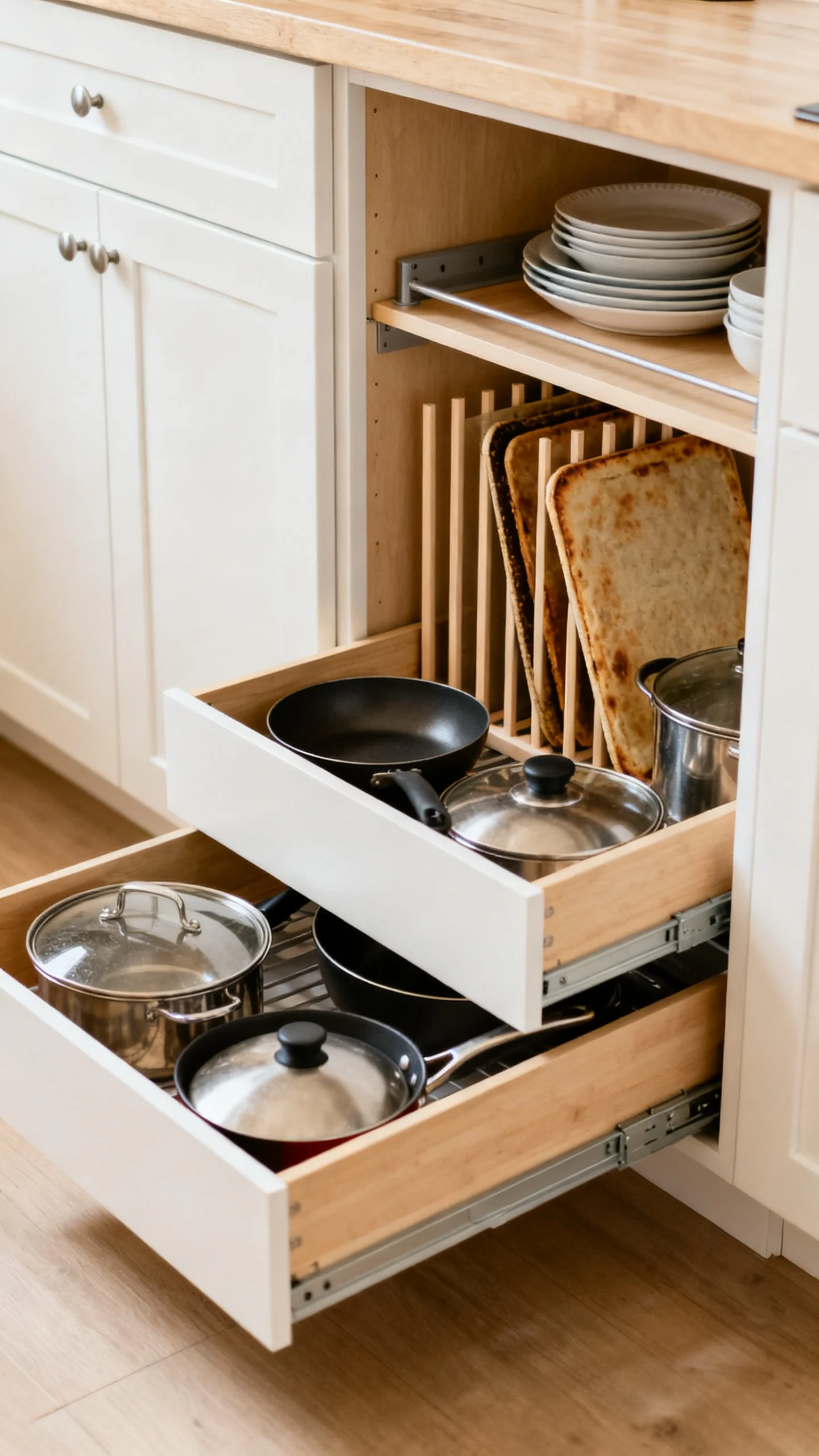
Storage is where a small kitchen remodel earns its keep. Add roll-out trays in lower cabinets so you can reach items without kneeling and digging; even one or two pull-outs near the range can dramatically improve daily function. Use stackable shelf risers to double usable space in tall cabinets, and install vertical dividers for baking sheets, cutting boards, and trays. Measure inside dimensions carefully (width, depth, and hinge intrusion), and leave clearance so pull-outs don’t hit door hinges. Aim to keep heavy items (mixers, pots) on pull-outs rated for the load rather than basic slides.
8) Replace the sink and faucet to modernize the “work zone” while keeping cabinets intact
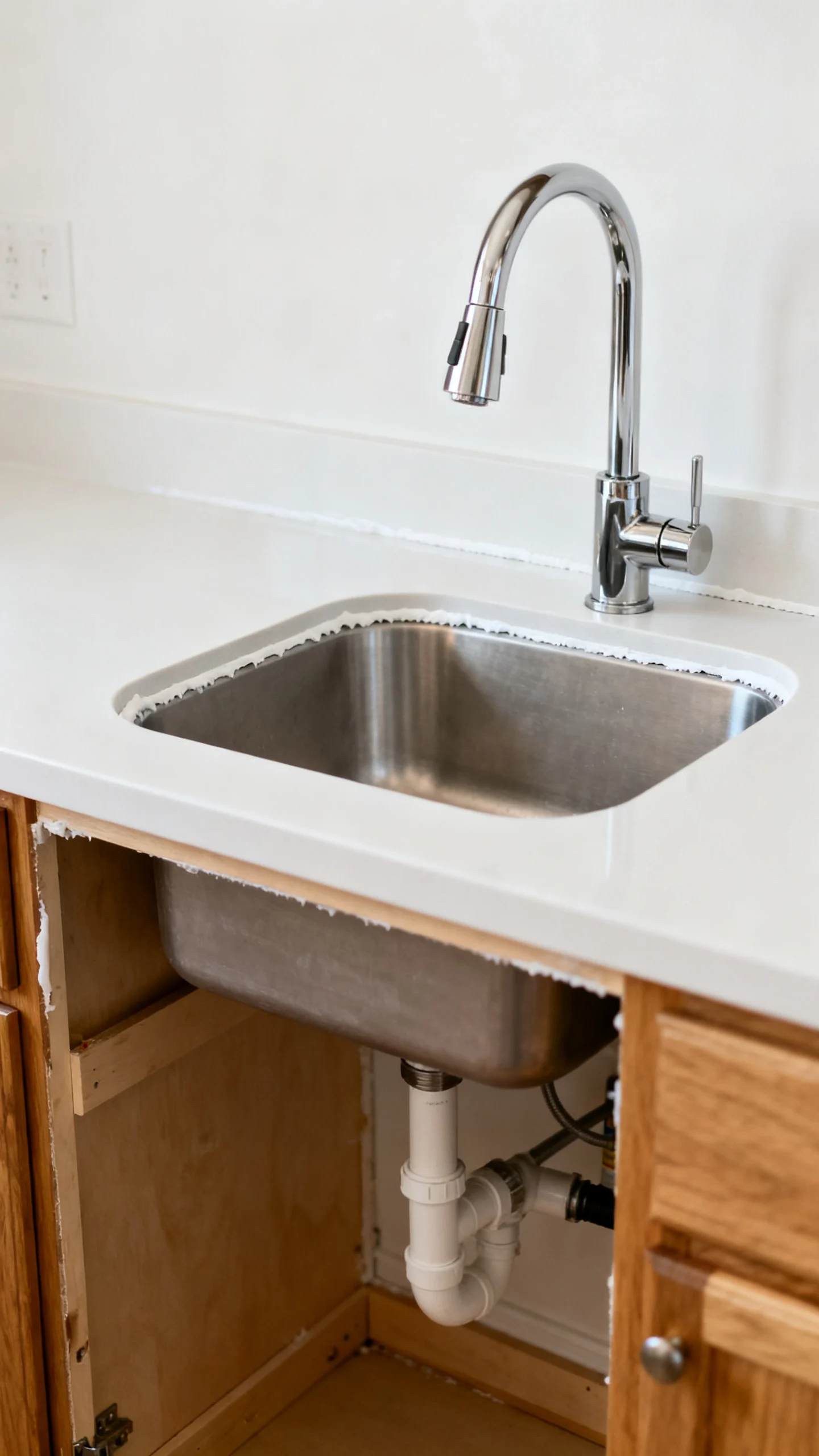
Your sink base cabinet stays, but a new sink and faucet can make the whole kitchen feel updated and more efficient. If your countertop cutout allows, a deeper single-bowl sink improves usability in a small space. Choose a faucet with a pull-down sprayer for faster cleanup and a higher arc only if you have clearance for upper cabinets and any nearby shelves. To avoid surprises, confirm your sink base width (many sinks need at least a 30-inch sink base, sometimes more) and check plumbing placement before purchasing. This is a functional upgrade that reads like a remodel without changing cabinetry.
9) Tidy the toe-kick and add simple trim details for a built-in, finished look
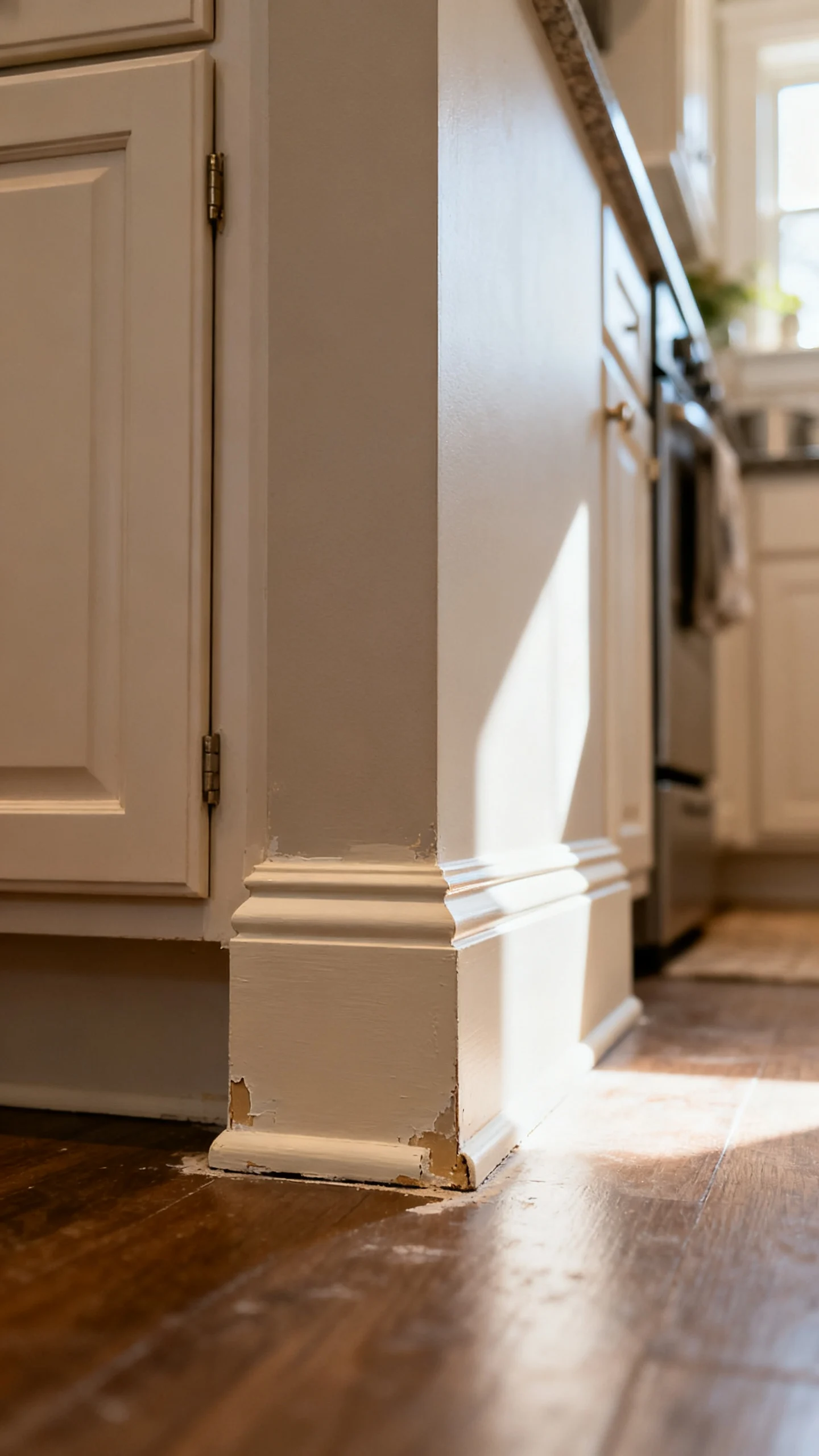
When you don’t replace cabinets, the details matter more. Scratched toe-kicks and mismatched fillers can make a kitchen feel older even after painting. Patch and repaint toe-kicks in a durable, wipeable finish, and consider adding a simple scribe molding or filler strip where cabinets meet walls for a cleaner edge. If your cabinet run ends awkwardly, a finished end panel (or a painted furniture-style panel) can make the cabinetry look more intentional. Keep trim minimal in a small kitchen—clean lines generally look less crowded and more modern.
10) Rework small-kitchen clearances and appliance fit (without moving cabinets) for smoother flow
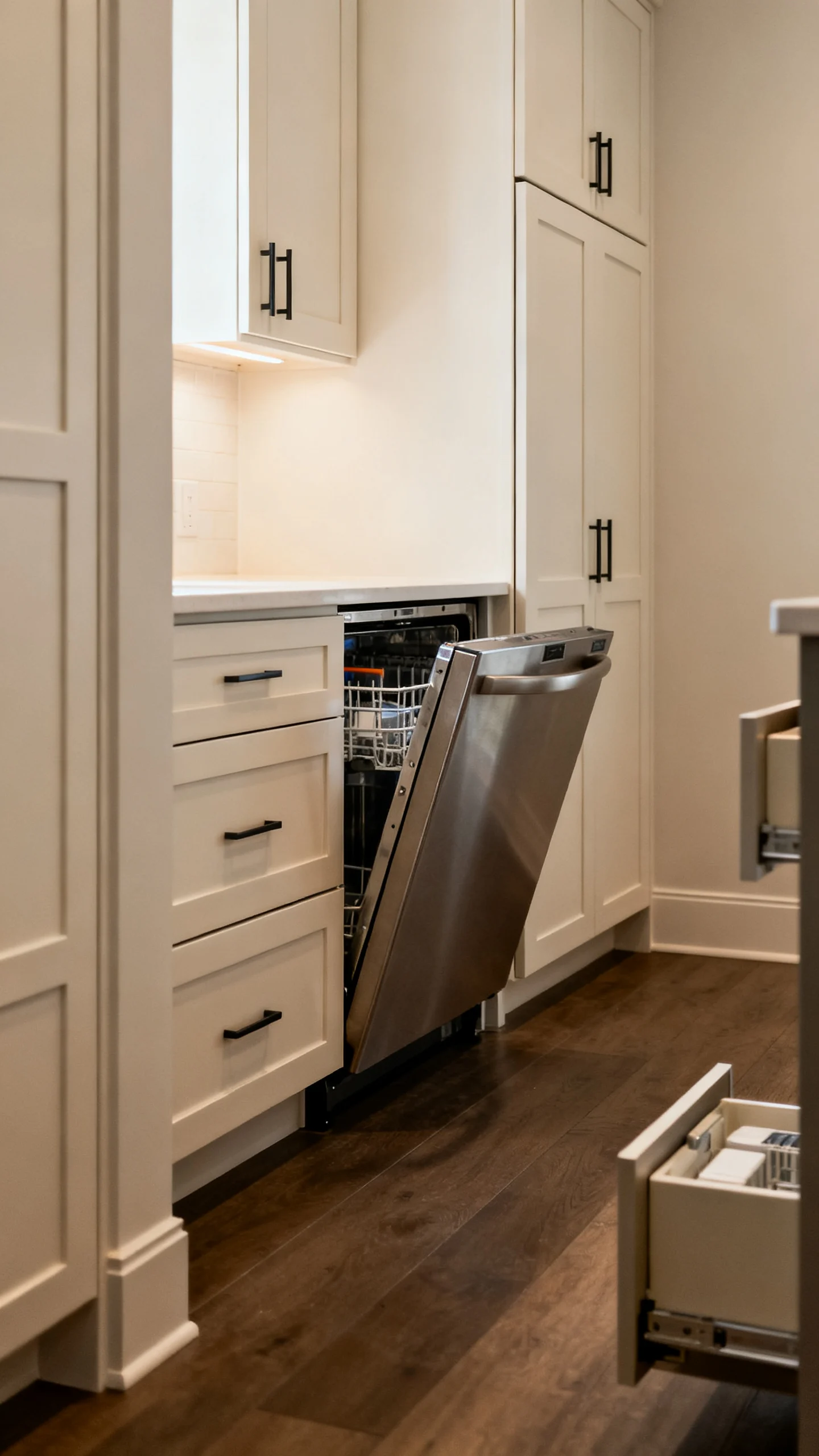
You can often improve how the kitchen functions without altering the cabinet footprint. Start by checking door and drawer conflicts: do adjacent doors collide, or does the dishwasher block a drawer when open? If so, adjust hinge tension, add door restrictors, or swap a door swing to improve access. Make sure primary pathways stay comfortable—aim for about 36 inches for a typical work aisle and closer to 42 inches if two people cook together, where possible. Even if you can’t change the aisle, you can reduce visual and physical clutter by relocating trash/recycling inside a base cabinet, adding a slim rolling cart in a dead zone, or choosing a narrower over-the-range microwave to open sightlines.
FAQ
What’s the most budget-friendly way to remodel a small kitchen without replacing cabinets?
Paint or refinish the existing doors, upgrade hardware, and add under-cabinet lighting. Those three changes typically deliver the biggest “new kitchen” feeling for the least cost, while keeping cabinet boxes in place.
Can I change the kitchen’s style without new cabinets?
Yes. A coordinated set of updates—door finish (paint/stain), modern hardware, a fresh backsplash, and a countertop change—can shift the entire look while the cabinet boxes remain. Consistency in finishes is what makes it feel like a remodel, not a patchwork.
Are peel-and-stick products a good idea for a small kitchen remodel?
They can be, especially for short-term improvements, rentals, or tight budgets. For higher-heat and high-moisture zones (behind the range, near the sink), prioritize more durable materials when possible, or choose peel-and-stick products specifically rated for kitchens.
How do I add more storage without replacing cabinets?
Focus on cabinet interiors: pull-out trays in lower cabinets, vertical dividers for trays and boards, shelf risers to double space, and an in-cabinet trash pullout. Measure carefully so organizers fit around hinges and plumbing.
What should I avoid if I’m keeping my cabinets?
Avoid skipping prep before painting, mixing too many finishes, and installing organizers without measuring hinge and door clearance. Also avoid choosing a countertop thickness or sink size that conflicts with appliance height or the sink base cabinet width.